filmbriefs
Director · Screenwriter · 1903–1963

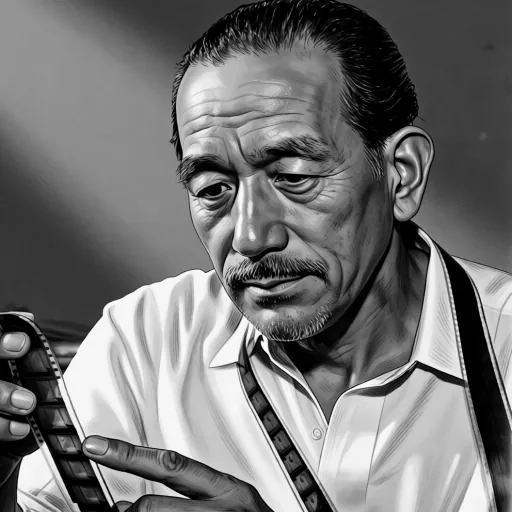
Yasujirō Ozu

21
briefs
13:00
average
273 min
in total
On film.briefs21
13:00

A Story of Floating Weeds

Yasujirō Ozu · 1934

A Story of Floating Weeds (1934) is Yasujirō Ozu’s silent drama about an ageing kabuki actor who revisits a provincial town to see the son he abandoned years earlier. With minimal intertitles and a restrained visual style, the film traces quiet tensions between duty and desire, permanence and transience, across a travelling troupe and a rooted family. Shot by Hideo Shigehara and edited by him, it relies on composition, rhythm, and understated performance rather than exposition or climax.
13:00

An Autumn Afternoon

Yasujirō Ozu · 1962

Yasujirō Ozu’s 1962 An Autumn Afternoon follows widower Shūhei Hirayama as he arranges his daughter Michiko’s marriage — not as a triumph of paternal love, but as an act of belated self-reckoning. Set in Tokyo, the film moves through school reunions, bar visits and domestic routines, using precise framing, muted colour and deliberate pacing to trace how time, duty and silence shape family life. With Chishū Ryū, Shima Iwashita and Mariko Okada, it is a restrained, deeply humane portrait of ageing, obligation and the quiet cost of staying put.

13:00

Dragnet Girl

Yasujirō Ozu · 1933

Yasujirō Ozu’s 1933 silent crime film Dragnet Girl follows Tokiko, girlfriend of a small-time gangster, as she slowly withdraws from complicity and steers both herself and him toward surrender. With restrained performances, unemphatic pacing, and Hideo Shigehara’s naturalistic cinematography, it treats moral change as incremental, not dramatic — a film less about breaking the law than about noticing the weight of a choice, a glance, a pause.

13:00

Early Spring

Yasujirō Ozu · 1956

Yasujirō Ozu’s 1956 drama follows a Tokyo salaryman whose affair with a colleague unravels his marriage not through melodrama but through accumulated silences, routine, and unspoken grief. Shot in restrained black and white, it replaces Ozu’s usual generational tensions with a study of white-collar disillusionment — quiet, precise, and anchored in the physical details of postwar Japanese domestic and office life.

13:00

Early Summer

Yasujirō Ozu · 1951

Yasujirō Ozu’s 1951 drama observes Noriko, a 28-year-old Tokyo secretary, as her extended family gently pressures her to marry — then watches, with quiet precision, as she chooses a path that fractures their domestic equilibrium. Set in Kamakura and rural Japan, the film traces the emotional residue of that choice through restrained performances, static compositions, and a structure built on absence and repetition rather than conflict or resolution.

13:00

Equinox Flower

Yasujirō Ozu · 1958

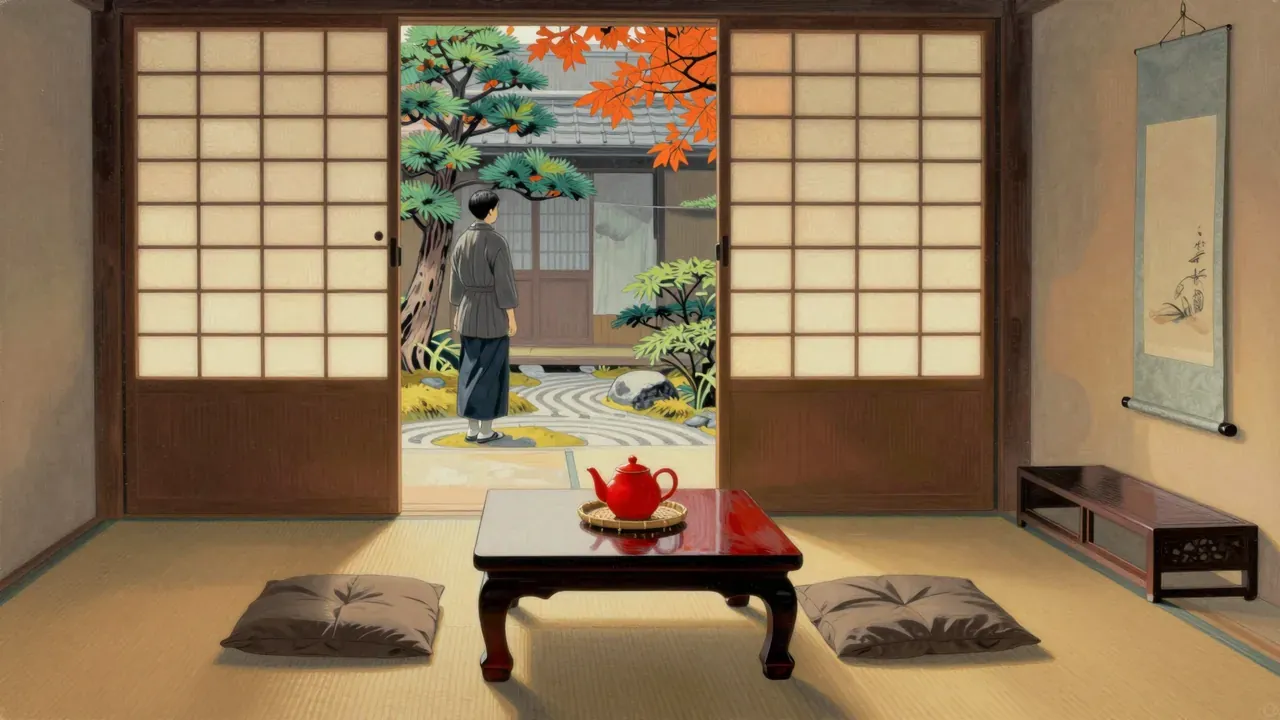
Equinox Flower (1958) is Yasujirō Ozu’s first colour feature—a domestic comedy tracing a Tokyo businessman’s reluctant acceptance of his daughter’s self-chosen marriage. Shot in Agfa colour, it observes generational friction through stillness, repetition, and muted reds, trusting the viewer to register change in posture, silence, and the movement of a teapot. Fujiko Yamamoto’s standout performance anchors a structure built on evasion and quiet reversal, not crisis or catharsis.

13:00

Floating Weeds

Yasujirō Ozu · 1959

Yasujirō Ozu’s 1959 colour remake of his 1934 silent film follows a fading kabuki troupe and its lead actor, Komajuro, as he revisits his former mistress and their adult son — whose paternity has been concealed. Set over one summer in Wakayama, the film unfolds with Ozu’s signature stillness: low angles, spare dialogue, and compositions that treat laundry lines and empty corridors as emotional anchors. Kazuo Miyagawa’s cinematography uses muted colour deliberately; Toshiro Mayuzumi’s score is near-absent. Its power lies in restraint — in what is withheld, repeated, or left unresolved.

13:00

Good Morning

Yasujirō Ozu · 1959

Yasujirō Ozu’s 1959 colour comedy follows two brothers who stop speaking to protest their parents’ refusal to buy a television. Set in a Tokyo suburb, the film traces how their silence ripples through the neighbourhood, exposing the fragility of gossip, the labour of politeness, and the quiet absurdity of adult consensus — all observed with Ozu’s characteristic stillness and dry precision.

13:00

I Was Born, But...

Yasujirō Ozu · 1932

Yasujirō Ozu’s 1932 silent comedy follows two brothers whose faith in their father collapses when they see him humiliate himself before his boss on home film. With still camerawork, sparse intertitles, and performances rooted in physical truth, the film traces the quiet transmission of social submission across generations — not as satire or tragedy, but as observed fact.

13:00

Late Autumn

Yasujirō Ozu · 1960

Yasujirō Ozu’s 1960 drama follows a widow and her daughter in Tokyo as three friends attempt to arrange marriages for both. With quiet precision, the film traces the unspoken tensions of filial duty, ageing, and companionship — not through crisis but through accumulation: of glances, silences, and small, repeated gestures. Setsuko Hara and Yōko Tsukasa anchor a cast that treats emotion as behaviour, not exposition. Shot by Yūharu Atsuta and edited by Yoshiyasu Hamamura, it is a masterclass in compositional restraint.

13:00

Late Spring

Yasujirō Ozu · 1949

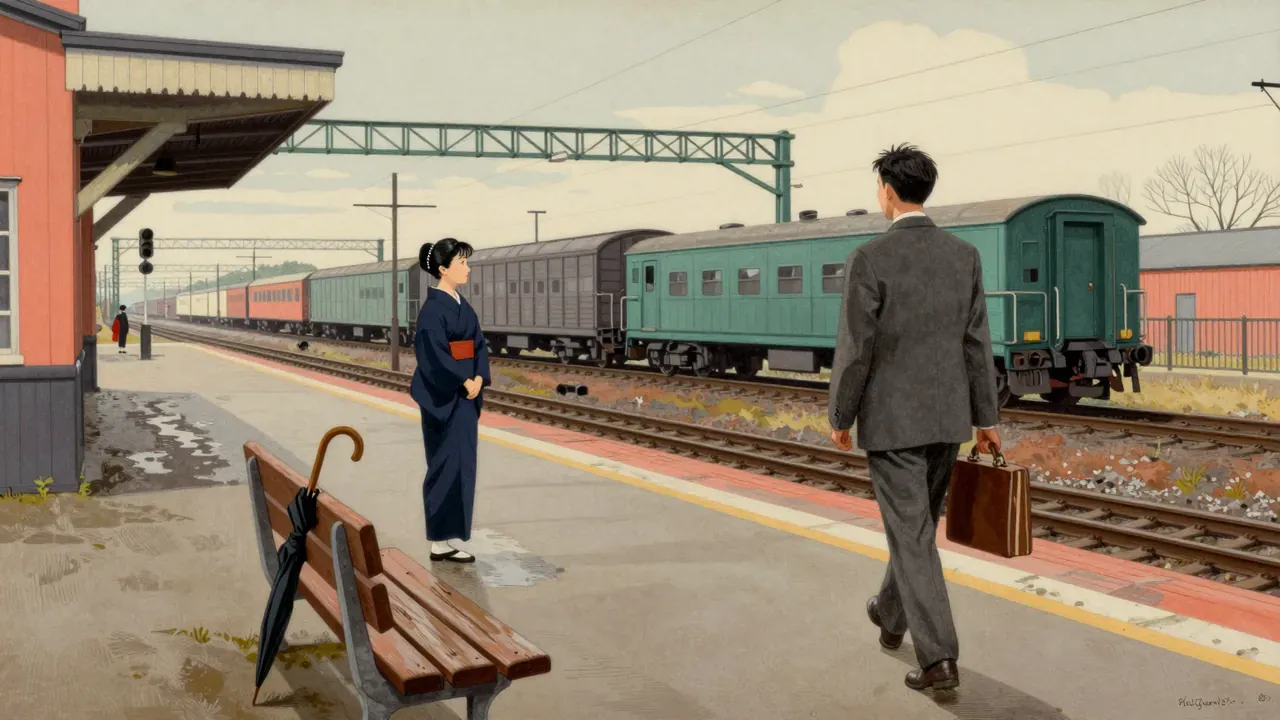
Yasujirō Ozu’s 1949 drama follows Noriko and her father in the weeks before her arranged marriage. Set in occupied Japan, it unfolds through quiet rituals — tea ceremonies, temple visits, train rides — with minimal dialogue and fixed, low-angle compositions. Chishū Ryū and Setsuko Hara perform with restrained precision; Yūharu Atsuta’s cinematography treats space as emotional architecture. The film’s power lies in accumulation, not climax: in repetition, omission, and the weight of what remains unsaid.

13:00

Passing Fancy

Yasujirō Ozu · 1933

A 1933 Japanese silent film directed by Yasujirō Ozu, Passing Fancy follows Kihachi, a widowed brewery worker in Tokyo, as he shelters a destitute young woman and navigates care for her and his young son. With minimal intertitles, restrained performances, and Hideo Shigehara’s understated cinematography, the film traces quiet shifts in dignity, class, and paternal love — all within the confines of everyday spaces and routines.

13:00

That Night's Wife

Yasujirō Ozu · 1930

That Night’s Wife (1930), Yasujirō Ozu’s early Shochiku silent, confines its entire action to a single night in a Tokyo apartment. A father robs a bank to pay for his daughter’s life-saving medicine; a detective tracks him home; the wife disarms the law, then helps her husband flee—only for him to return at dawn and surrender. Shot by Hideo Shigehara and co-written by Ozu and Kōgo Noda, it is a study in compressed ethics, where silence, stillness and domestic detail carry the full weight of choice.

13:00

The Flavor of Green Tea over Rice

Yasujirō Ozu · 1952

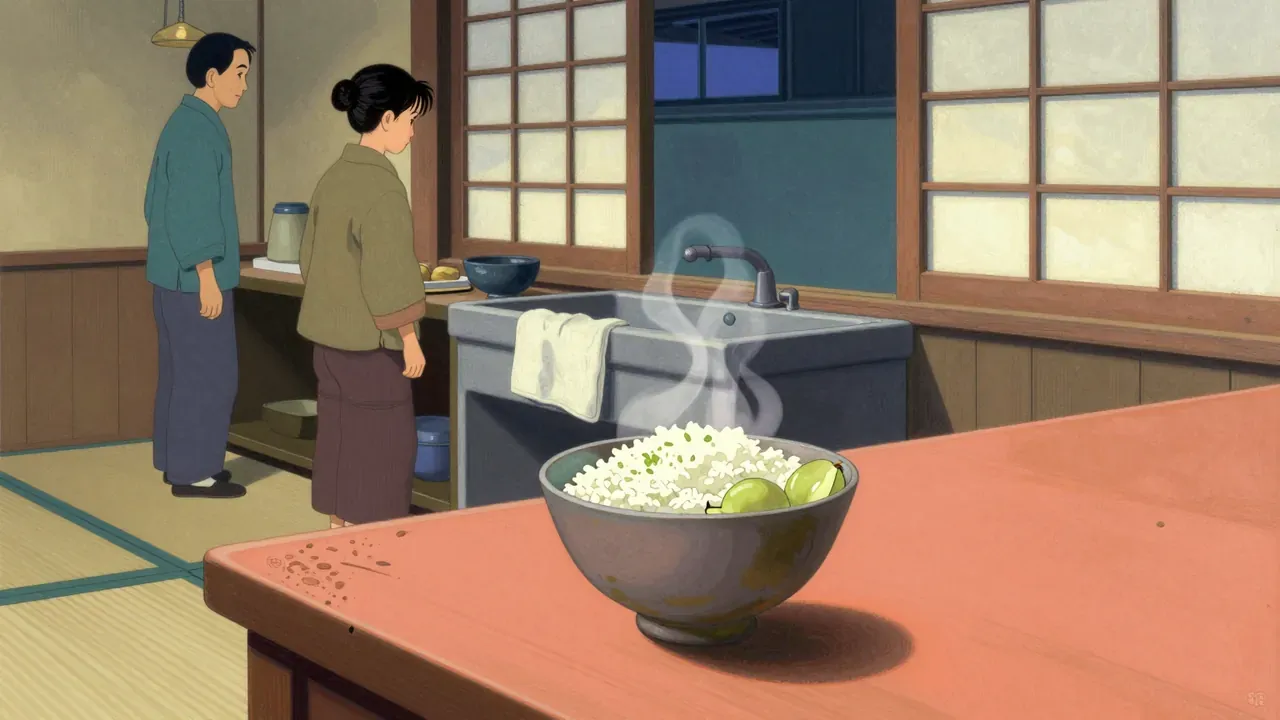
Yasujirō Ozu’s 1952 drama follows a Tokyo couple drifting apart amid family obligations and their niece’s resistance to arranged marriage. With still compositions, restrained performances, and deliberate pacing, it traces how small, shared acts—like making green-tea rice late at night—can quietly restore connection without resolving deeper tensions.

13:00

The Moon Has Risen

Kinuyo Tanaka · 1955

Kinuyo Tanaka’s 1955 film, scripted by Yasujirō Ozu and shot by Shigeyoshi Mine, follows Setsuko as she quietly engineers a romance between her older sister Ayako and a former suitor. Set in Nara, it unfolds across domestic spaces with restrained pacing, gentle performances, and a focus on unspoken feeling. Though structurally loose around some supporting characters, its strength lies in emotional precision and tonal consistency.

13:00

The Only Son

Yasujirō Ozu · 1936

Yasujirō Ozu’s 1936 debut sound feature follows a widow who sacrifices everything to educate her son, only to visit him thirteen years later and find him struggling in Tokyo. With minimal dialogue, fixed camera positions, and profound stillness, the film traces the emotional arithmetic of filial duty, poverty, and quiet endurance — culminating in a final image of private grief that refuses explanation.

13:00

There Was a Father

Yasujirō Ozu · 1942

Yasujirō Ozu’s 1942 drama follows a widowed schoolteacher who distances himself from his son to secure his future, tracing their relationship across two decades of quiet duty, unspoken grief, and stoic endurance. Shot in restrained compositions by Yūharu Atsuta and performed with understated precision by Chishū Ryū and Shin Saburi, it treats filial obligation not as theme but as architecture — shaping movement, speech, and silence. Restored in 2023, it remains resolutely unadorned: no score, no exposition, no climax — only the slow accrual of meaning across trains, seasons, and generations.

13:00

Tokyo Chorus

Yasujirō Ozu · 1931

Tokyo Chorus (1931), directed by Yasujirō Ozu, follows an insurance salesman whose firing during Japan’s early Shōwa depression forces him to reassess work, family and self-worth. Shot in silence by Hideo Shigehara and written by Kōgo Noda, it traces quiet resilience across domestic and public spaces — from school drills to hospital corridors to a curry-rice restaurant — culminating in a modest, communal reprieve. Its power lies in restraint: no grand speeches, no dramatic reversals, only the accumulated weight of small choices and smaller joys.

13:00

Tokyo Twilight

Yasujirō Ozu · 1957

Tokyo Twilight (1957) is Yasujirō Ozu’s final black-and-white drama, following two sisters reunited with their estranged mother in postwar Tokyo. When Akiko discovers the truth about her parentage, the revelation unravels her fragile stability — leading to abortion, confrontation, and sudden death. Her elder sister Takako absorbs the fallout, choosing to return to her failing marriage to break the cycle of abandonment. Shot by Yūharu Atsuta with Ozu’s signature stillness, the film resists melodrama in favour of accumulated quiet, using omission and restraint to articulate grief as atmosphere rather than event.

13:00

Walk Cheerfully

Yasujirō Ozu · 1930

Yasujirō Ozu’s 1930 silent film Walk Cheerfully follows a young man’s fall into petty crime and tentative return to social life in interwar Tokyo. With restrained performances, frontal compositions, and a deliberate, unhurried pace, it builds meaning through repetition, posture, and spatial arrangement rather than exposition or drama. Shot by Hideo Shigehara and written by Hiroshi Shimizu and Tadao Ikeda, it reflects Shochiku’s ‘new tendency’ realism — attentive to class, work, and urban routine, but resistant to moral simplification or emotional display.

13:00

Tokyo Story

Yasujirō Ozu · 1953

Yasujiro Ozu's 1953 film follows Shukichi and Tomi Hirayama as they leave their coastal town to visit their grown children in Tokyo, only to find themselves parcelled off to a spa resort by sons and daughters too occupied with their own lives to spend much time with them. Shot by Yuharu Atsuta almost entirely from a low, static camera position, with no score credited on the sheet and a cast led by Chishu Ryu and Setsuko Hara, it has since drawn some of the highest aggregate critical scores of any film on record, sitting at 100 percent on Rotten Tomatoes and Metacritic alike.