filmbriefs
Actor · 1924–2010

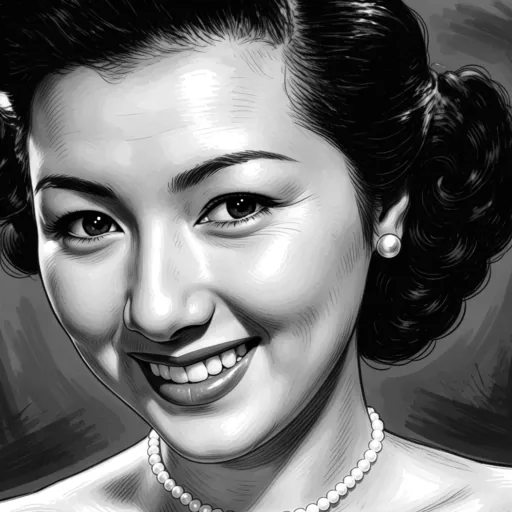
Hideko Takamine

4
briefs
13:00
average
52 min
in total
On film.briefs4
13:00

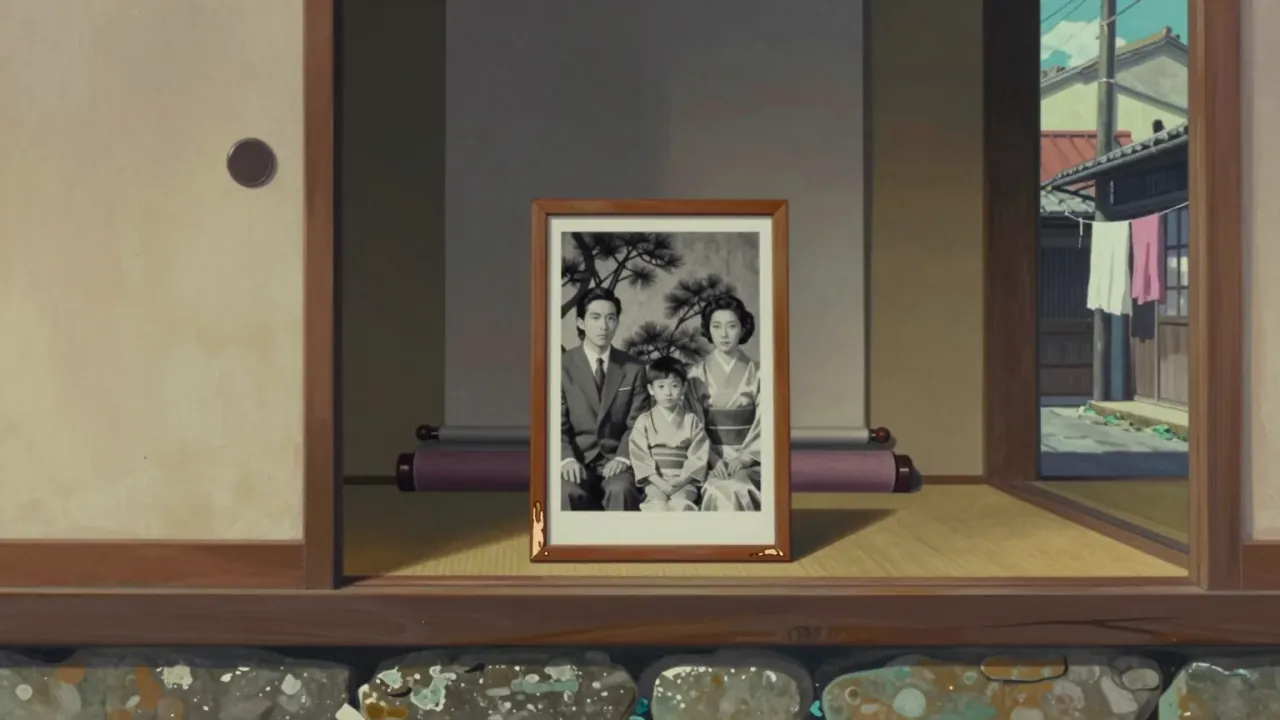
Tokyo Chorus

Yasujirō Ozu · 1931

Tokyo Chorus (1931), directed by Yasujirō Ozu, follows an insurance salesman whose firing during Japan’s early Shōwa depression forces him to reassess work, family and self-worth. Shot in silence by Hideo Shigehara and written by Kōgo Noda, it traces quiet resilience across domestic and public spaces — from school drills to hospital corridors to a curry-rice restaurant — culminating in a modest, communal reprieve. Its power lies in restraint: no grand speeches, no dramatic reversals, only the accumulated weight of small choices and smaller joys.
13:00

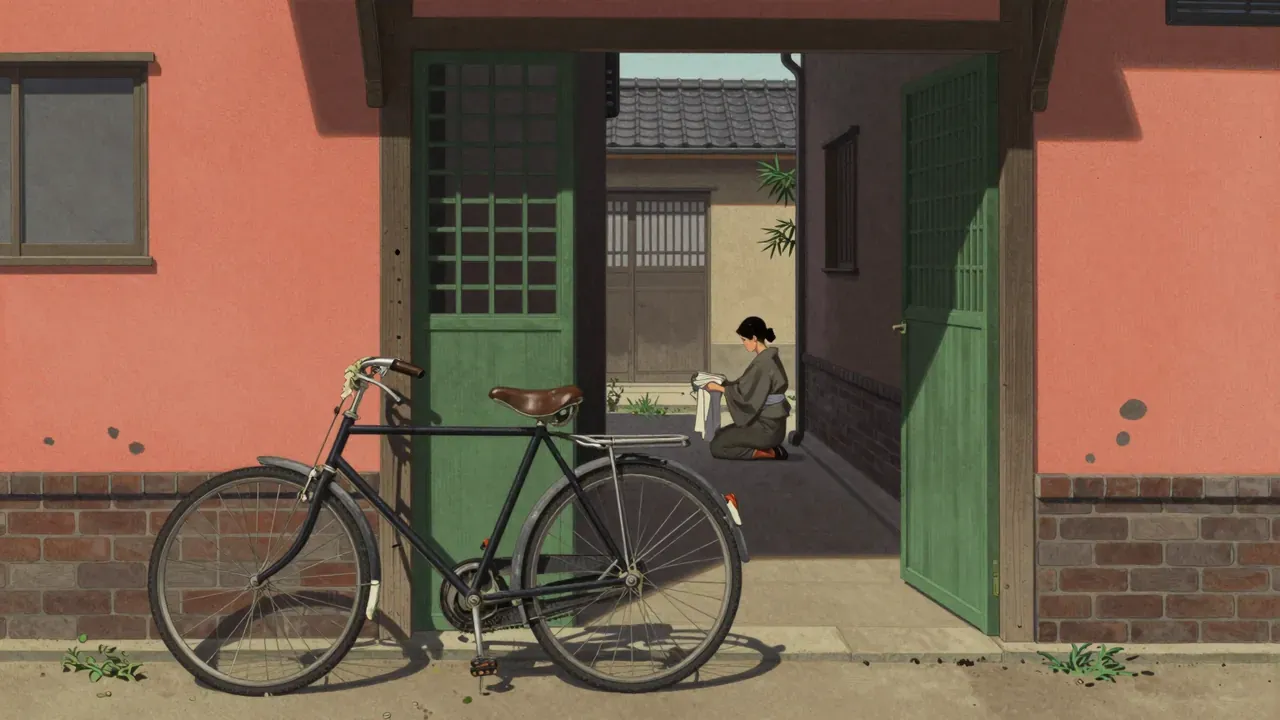
Twenty-Four Eyes

Keisuke Kinoshita · 1954

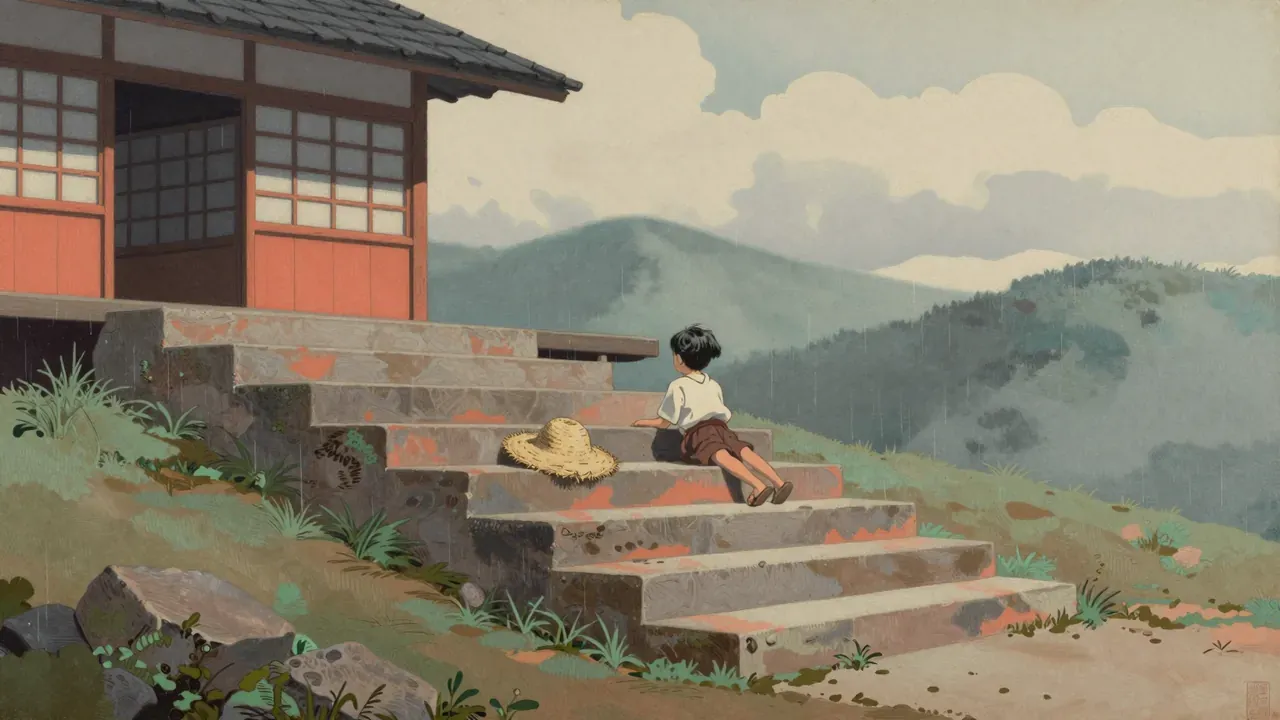
Keisuke Kinoshita’s Twenty-Four Eyes (1954) follows teacher Hisako Ōishi across twenty years on Shōdoshima island, from her arrival in 1928 to the postwar return to teaching in 1946. Using her twelve pupils as anchors, the film charts the erosion and renewal of communal life under militarism, poverty and loss. Hideko Takamine’s restrained performance, the unvarnished Shochiku photography and the episodic, season-bound structure build a portrait of endurance rooted in daily acts of care — not grand statements, but shared meals, remembered songs and a bicycle given back.

13:00

Floating Clouds

Mikio Naruse · 1955

Mikio Naruse’s 1955 drama Floating Clouds follows Yukiko (Hideko Takamine) as she navigates love, poverty, and disillusionment in post-war Japan. Returning from French Indochina, she renews an affair with married engineer Kengo (Masayuki Mori), only to find his promises hollowed by circumstance. With no grand speeches or dramatic turns, the film traces her slow attrition through walks, waits, and silences—anchored by Takamine’s physically precise performance and Naruse’s unwavering restraint.

13:00

When a Woman Ascends the Stairs

Mikio Naruse · 1960

Mikio Naruse’s 1960 drama follows Keiko Yashiro, a Ginza hostess in her late twenties, as she navigates debt, familial obligation, sexual coercion and professional rivalry while trying to open her own bar. With quiet precision, it charts her daily endurance — not as heroism but as habit — against a society that treats her age, grief and autonomy as liabilities. Hideko Takamine’s restrained performance and Naruse’s unadorned direction make the ordinary unbearable and unforgettable.