filmbriefs
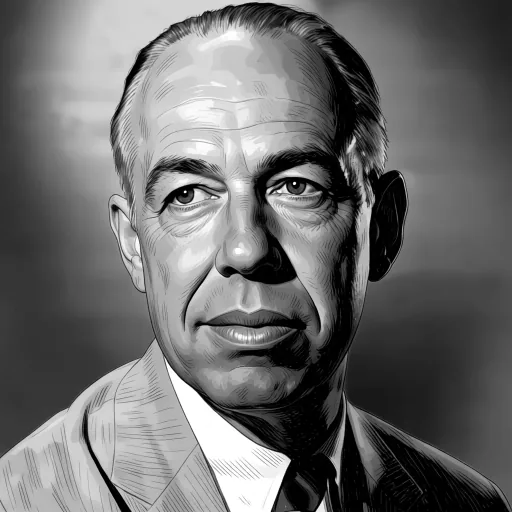
Composer · 1888–1982

Roy Webb

9
briefs
13:00
average
117 min
in total
On film.briefs9
13:00

Bringing Up Baby

Howard Hawks · 1938

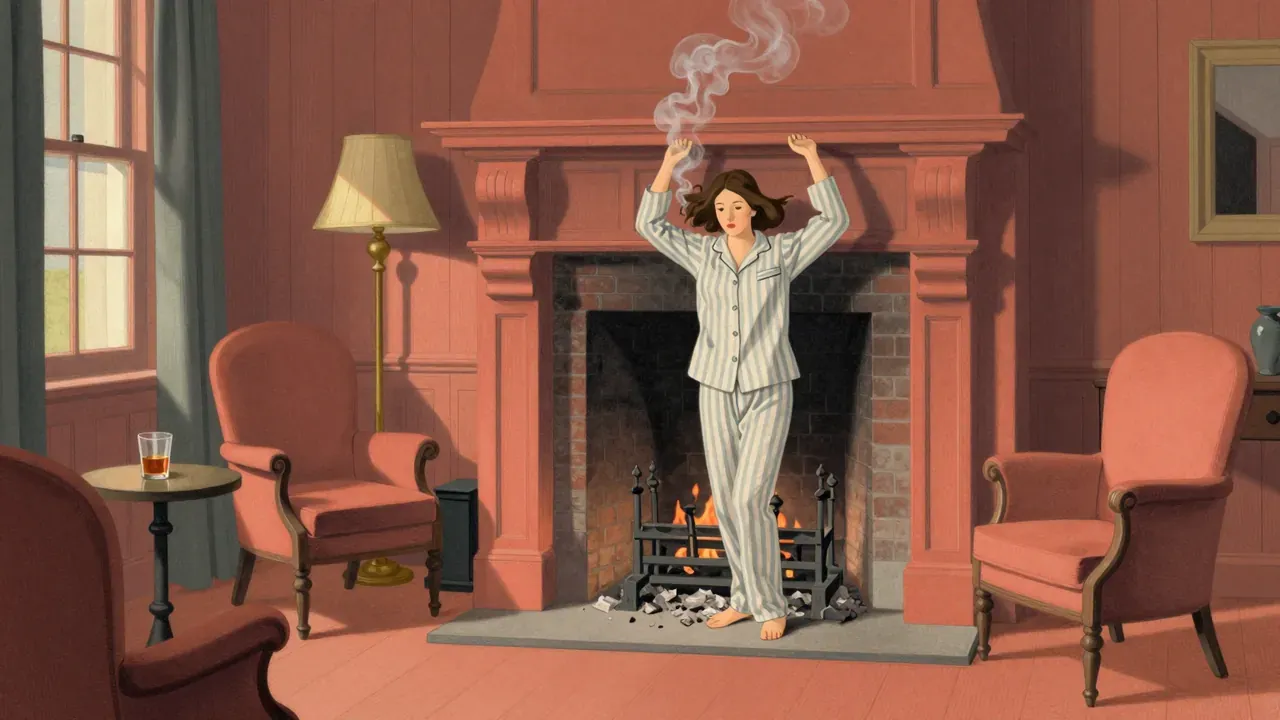
Bringing Up Baby (1938), directed by Howard Hawks, pairs Katharine Hepburn and Cary Grant in a relentless romantic comedy about a paleontologist undone by a scatterbrained heiress and her leopard. Written by Dudley Nichols and Hagar Wilde, it trades emotional exposition for escalating absurdity, using precise performance, tight editing and rhythmic dialogue to sustain a world where logic collapses on cue. Though commercially modest on release, it is now regarded as a pinnacle of screwball form.
13:00

Cat People

Jacques Tourneur · 1942

Cat People (1942) is a low-budget RKO horror film directed by Jacques Tourneur and produced by Val Lewton. It follows Irena Dubrovna, a Serbian woman who fears she is descended from a tribe of cat-worshipping people who transform into panthers when aroused. Shot in stark black-and-white by Nicholas Musuraca, with a sparse, unsettling score by Roy Webb, the film builds dread through suggestion rather than spectacle. Its psychological depth, formal restraint and thematic rigour have secured its place as a landmark of atmospheric horror.

13:00

I Married a Witch

René Clair · 1942

René Clair’s 1942 I Married a Witch is a tightly wound romantic fantasy starring Veronica Lake as a resurrected witch who disrupts the engagement of politician Wallace Wooley (Fredric March). Adapted from Thorne Smith’s unfinished novel, it uses magic not for wonder but as a scalpel to dissect marriage, politics, and gender. Ted Tetzlaff’s cinematography, Roy Webb’s score, and Clair’s economical staging sustain a tone of wry, unhurried absurdity — one that rewards attention to rhythm and restraint over plot or sentiment.

13:00

I Walked with a Zombie

Jacques Tourneur · 1943

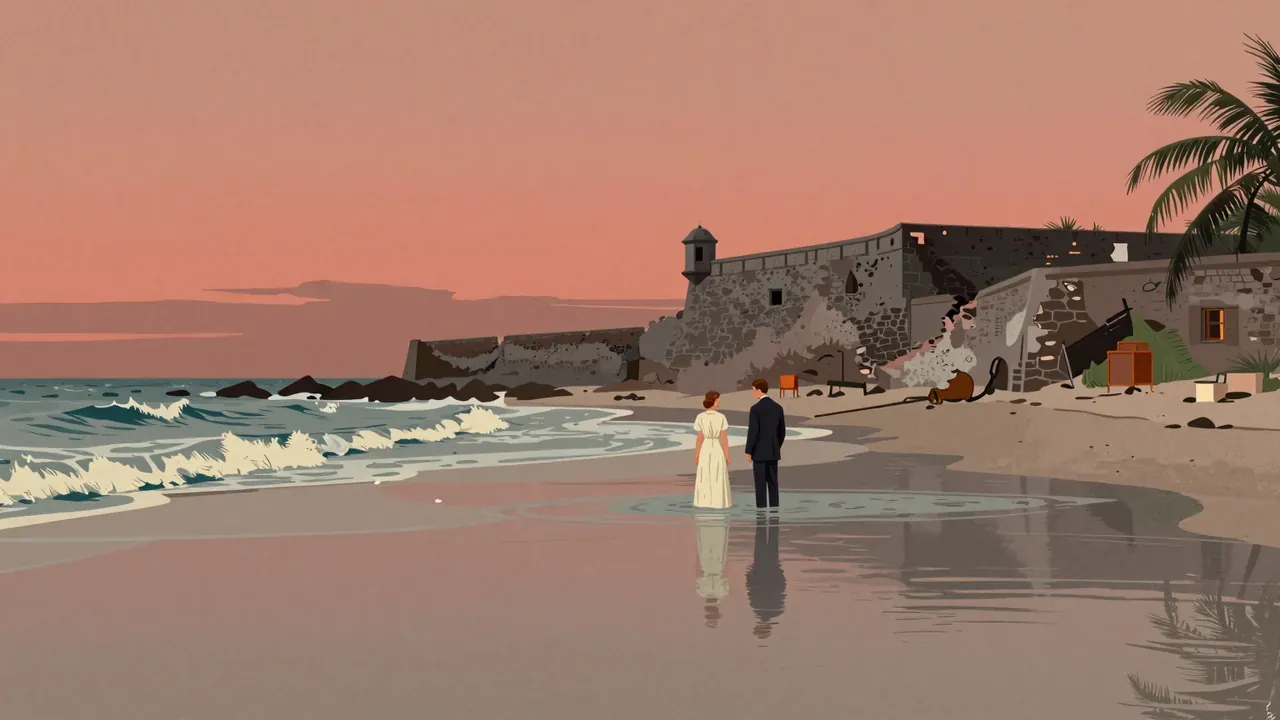
I Walked with a Zombie (1943), directed by Jacques Tourneur and produced by Val Lewton, follows a Canadian nurse who travels to a Caribbean sugar plantation and becomes entangled in the mystery of her employer’s catatonic wife. Shot on a shoestring budget, it sustains dread through atmosphere, implication, and moral ambiguity rather than gore or spectacle. Drawing on Charlotte Brontë’s Jane Eyre and Inez Wallace’s article on Haitian 'zombies', it treats Vodou as a system of belief entwined with power and history — not exotic fantasy. Its strength lies in its restrained craft, evocative cinematography, and unflinching engagement with colonial legacy, though its narrative vagueness may frustrate some viewers.

13:00

Love Affair

Leo McCarey · 1939

Leo McCarey’s 1939 Love Affair follows French painter Michel Marnet and American singer Terry McKay, who meet aboard an ocean liner, acknowledge mutual attraction, and part with a promise to reunite in six months — only for accident and silence to intervene. Starring Charles Boyer and Irene Dunne, it is a studio-era drama of quiet precision: restrained performances, unhurried pacing, and a structure that treats time, obligation and visibility as central concerns. Though hampered by Production Code compromises and occasional narrative convenience, its emotional weight resides in what is withheld, not spoken.

13:00

Notorious

Alfred Hitchcock · 1946

Alfred Hitchcock’s 1946 spy thriller follows an American agent who recruits the daughter of a Nazi sympathiser to infiltrate a German exile network in Rio. What unfolds is less a tale of espionage than a precise, emotionally restrained study of love under surveillance — where every glance is tactical, every touch conditional, and every silence charged with consequence. Shot on RKO soundstages with meticulous control, it relies on performance, composition, and pacing to build tension without action.

13:00

The Seventh Victim

Mark Robson · 1943

The Seventh Victim (1943) is a Val Lewton-produced RKO horror film directed by Mark Robson, following a young woman’s search for her missing sister in New York City, which leads her to a secretive Satanic cult called the Palladists. Shot in 24 days with restrained performances, Nicholas Musuraca’s shadow-heavy cinematography, and Roy Webb’s dissonant score, it sustains unease through implication and omission. Four scenes were cut in post-production, leaving narrative gaps that critics have long noted. Though commercially unsuccessful on release, it gained stature as a moody, morally ambiguous precursor to modern psychological horror.

13:00

Murder, My Sweet

Edward Dmytryk · 1944

RKO’s 1944 adaptation of Raymond Chandler’s Farewell, My Lovely, directed by Edward Dmytryk, stars Dick Powell as private detective Philip Marlowe in his first screen appearance. Told as a flashback from Marlowe’s bandaged-eye interrogation, the film follows his search for a vanished singer, entanglement with two women named Grayle, and descent into a web of blackmail, murder, and deception. With Harry J. Wild’s chiaroscuro cinematography and Roy Webb’s brooding score, it helped define film noir’s visual and psychological grammar — less a whodunit than a study in compromised perception.

13:00

Out of the Past

Jacques Tourneur · 1947

A former private eye living quietly in rural California is drawn back into his violent past when a gambling kingpin summons him to Lake Tahoe. What follows is a tightly wound descent through memory, betrayal, and double-crosses, anchored by Robert Mitchum’s weary performance and Nicholas Musuraca’s shadow-drenched cinematography. Adapted from Daniel Mainwaring’s novel and directed by Jacques Tourneur, the film sustains a mood of inescapable consequence across its 97-minute runtime.