filmbriefs
Actor · Director · 1924–2004

Marlon Brando

6
briefs
13:00
average
78 min
in total
On film.briefs6
13:00

A Dry White Season

Euzhan Palcy · 1989

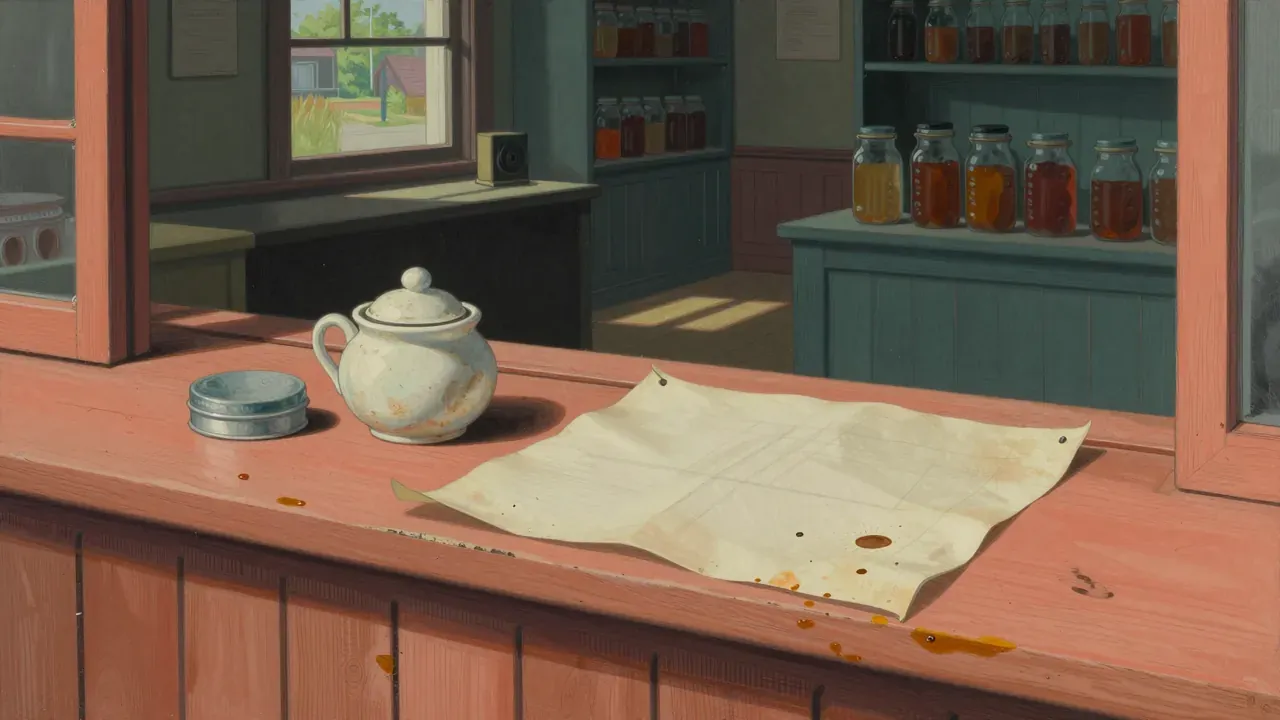
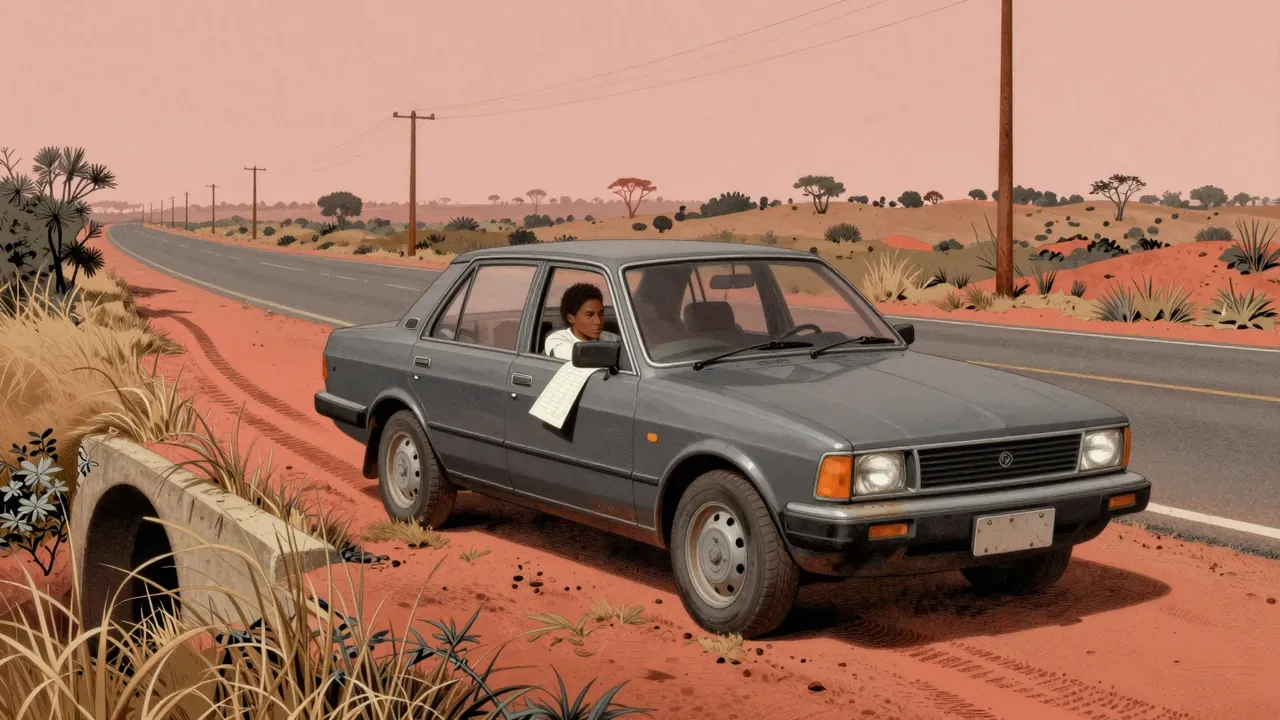
Euzhan Palcy’s 1989 drama follows a white South African teacher drawn into resistance after his Black gardener is tortured and killed by police in 1976 Soweto. Adapted from André Brink’s novel, it traces Ben Du Toit’s moral unraveling through courtrooms, classrooms and clandestine document-hiding — with Donald Sutherland, Marlon Brando and Janet Suzman. Shot in Zimbabwe and at Pinewood Studios, it is a trial film grounded in legal process, not polemic.
13:00

On the Waterfront

Elia Kazan · 1954

On the Waterfront (1954), directed by Elia Kazan and written by Budd Schulberg, follows ex-prizefighter Terry Malloy as he confronts his complicity in union violence on the Hoboken docks. Shot on location in black-and-white by Boris Kaufman, with a sparse score by Leonard Bernstein, it charts Terry’s slow, painful shift from silence to testimony. Marlon Brando’s performance redefined screen acting through physical restraint and vocal hesitation. Though anchored in 1950s labour politics, its concerns — loyalty, shame, dignity, and the bodily reality of conscience — remain immediate.

13:00

One-Eyed Jacks

Marlon Brando · 1961

Marlon Brando’s 1961 Western One-Eyed Jacks follows Rio, a bandit seeking revenge on his former mentor Dad Longworth, now sheriff of Monterey. Shot in VistaVision across California and Mexico, it foregrounds psychological tension over action, with Brando starring and directing. Though critically mixed on release and commercially disappointing, its reputation has deepened over decades for its atmospheric realism, complex male relationships, and formal restraint. Restored in 4K in 2016, it remains Brando’s only film behind the camera.

13:00

The Fugitive Kind

Sidney Lumet · 1959

Sidney Lumet’s 1960 adaptation of Tennessee Williams’s Orpheus Descending stars Marlon Brando and Anna Magnani as doomed lovers in a repressive Southern town. Shot in upstate New York, it struggles to translate theatrical heat into cinematic coherence — undermined by dubbing, miscasting, and unresolved thematic tensions — yet endures for its atmosphere, Boris Kaufman’s photography, and Kenyon Hopkins’s evocative score.

13:00

Apocalypse Now

Francis Ford Coppola · 1979

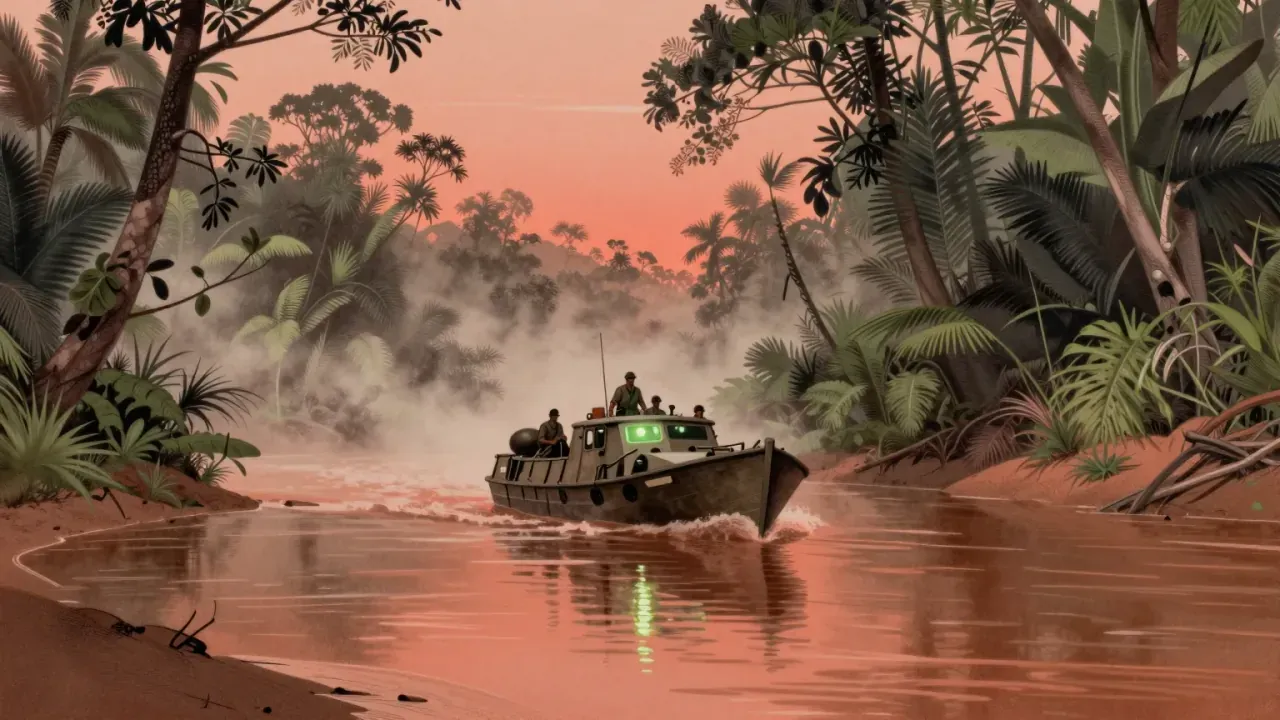
Francis Ford Coppola's 1979 film relocates Joseph Conrad's Heart of Darkness to the Vietnam War, sending Captain Willard up a river into Cambodia to assassinate Colonel Kurtz, a decorated officer who has gone rogue and established himself as a warlord among a private army. Shot by Vittorio Storaro on a production in the Philippines that ran a year over schedule, battered by a typhoon, a leading actor's heart attack and an unprepared, overweight Marlon Brando, it premiered unfinished at Cannes to win the Palme d'Or, and later took home Oscars for cinematography and sound on a budget of $31.5 million against an $83.5 million return.

13:00

The Godfather

Francis Ford Coppola · 1972

Francis Ford Coppola's 1972 adaptation of Mario Puzo's novel follows the Corleone family as the youngest son, Michael, is pulled from war-hero outsider into the head of an organised-crime dynasty. Shot by Gordon Willis in interiors so underlit that faces disappear into shadow, scored by Nino Rota, and built on an ensemble led by Marlon Brando and Al Pacino, it cost Paramount $7 million and returned over $268 million, and swept that year's Best Picture, Best Actor and Best Adapted Screenplay Oscars.