The season
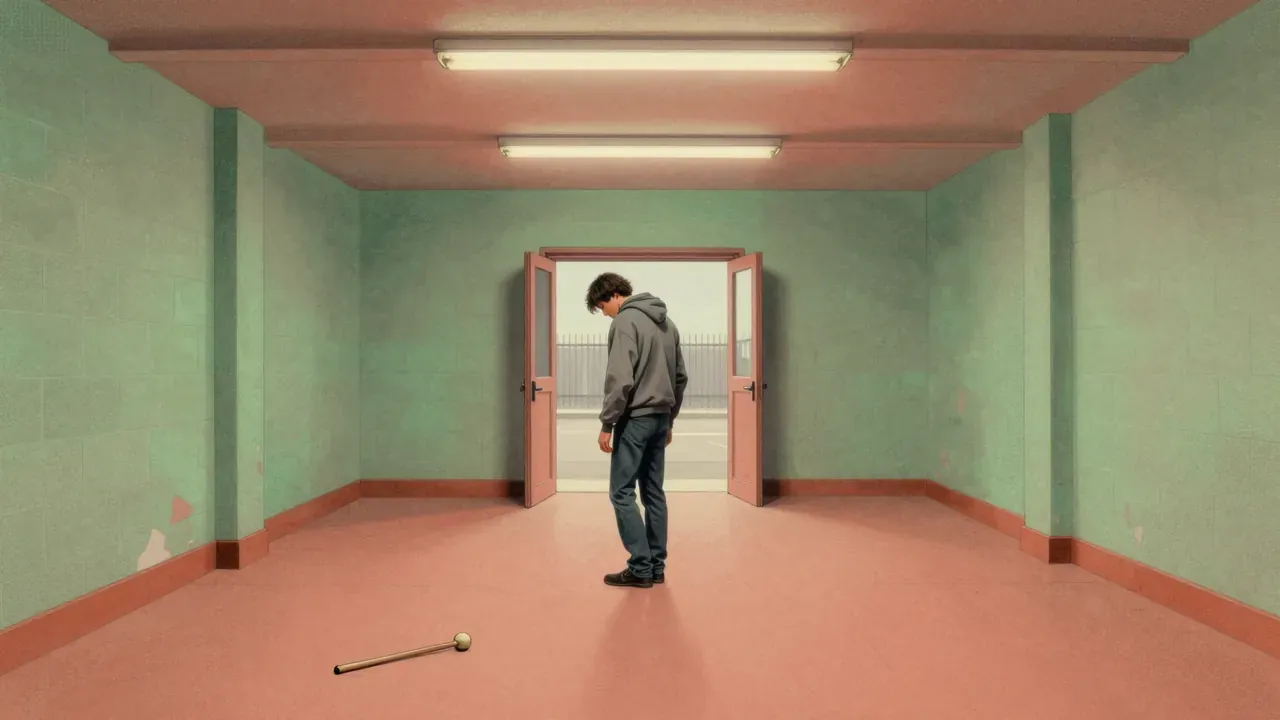
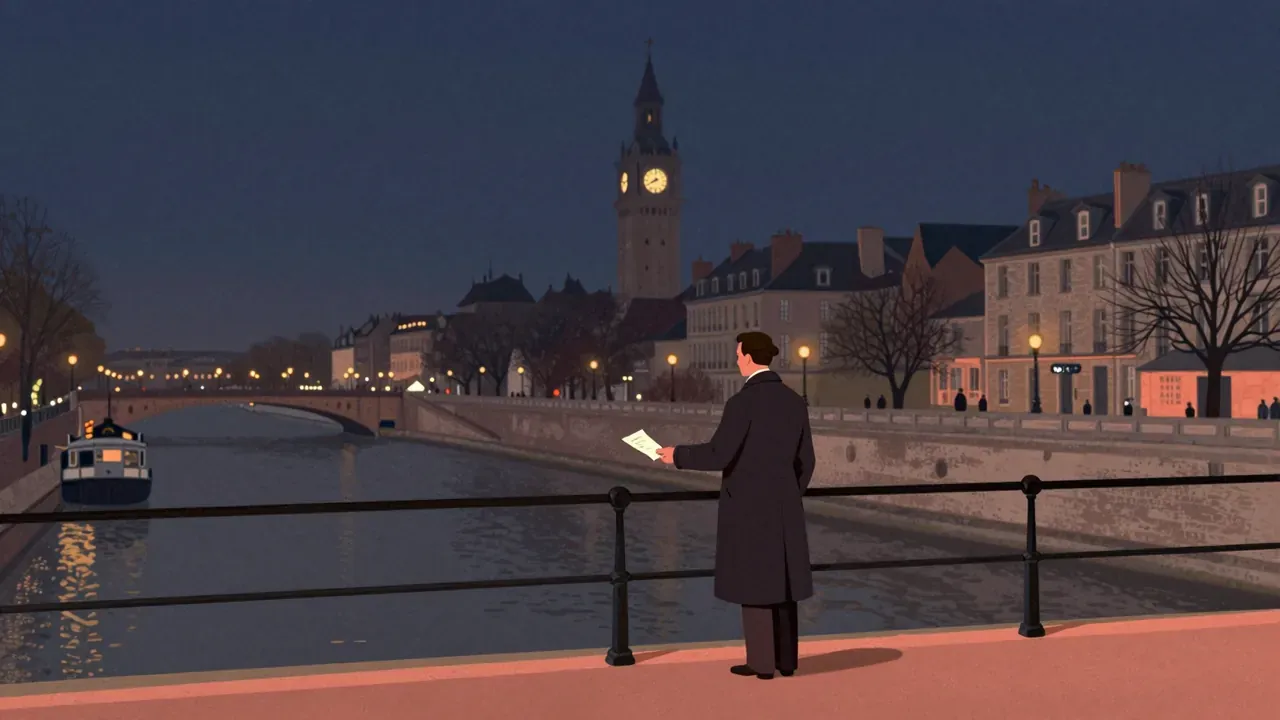
Metropolitan is a low-budget, self-financed debut feature from Whit Stillman, released in January 1990, set during Manhattan debutante season and centred on a group of young Upper East Side socialites known as the Sally Fowler Rat Pack. It is trying to do two things at once: to observe, with quiet precision, the manners and anxieties of a specific American elite at a moment of perceived cultural twilight; and to test whether that world can be rendered without caricature — neither as satire nor as elegy alone, but as a lived, talk-heavy, morally ambiguous space where class is less about money than about shared references, boarding-school overlaps, and unspoken rules of entry and exit. Stillman avoids period costuming but layers in vintage cabs and muted interiors to suggest a temporal drift — not the 1960s exactly, but a version of the present made to feel like a fading echo of it. The film’s ambition is structural as much as thematic: to build a comedy-drama out of dialogue-driven scenes that mimic the rhythms of late-night conversation, where exposition is buried in irony and character is revealed through what people choose not to say. Word count: 148
The talk
The story follows Tom Townsend, a middle-class Princeton student who stumbles into the Rat Pack after a deb ball and is absorbed into their after-hours gatherings. Taylor Nichols plays Tom with watchful restraint; Carolyn Farina gives Audrey a quiet, bookish gravity; Chris Eigeman’s Nick is all clipped delivery and defensive wit. Stillman’s script moves by accumulation — long takes, static frames, minimal camera movement — and Christopher Tellefsen edits with patience, letting conversations breathe across cuts. Tom Judson’s score is spare piano motifs, never underscoring but occasionally punctuating. Gordon Willis did not shoot this film; the cinematography is by John Thomas, who keeps lighting soft and interiors dim, favouring natural window light and shallow depth of field to blur background detail without romanticising it. There are no dramatic reversals or plot twists — only shifts in alignment: Tom’s gradual acceptance, then his slow realisation that acceptance comes at the cost of self-deception. The craft serves the talk, not the other way around. Word count: 152
The apartment
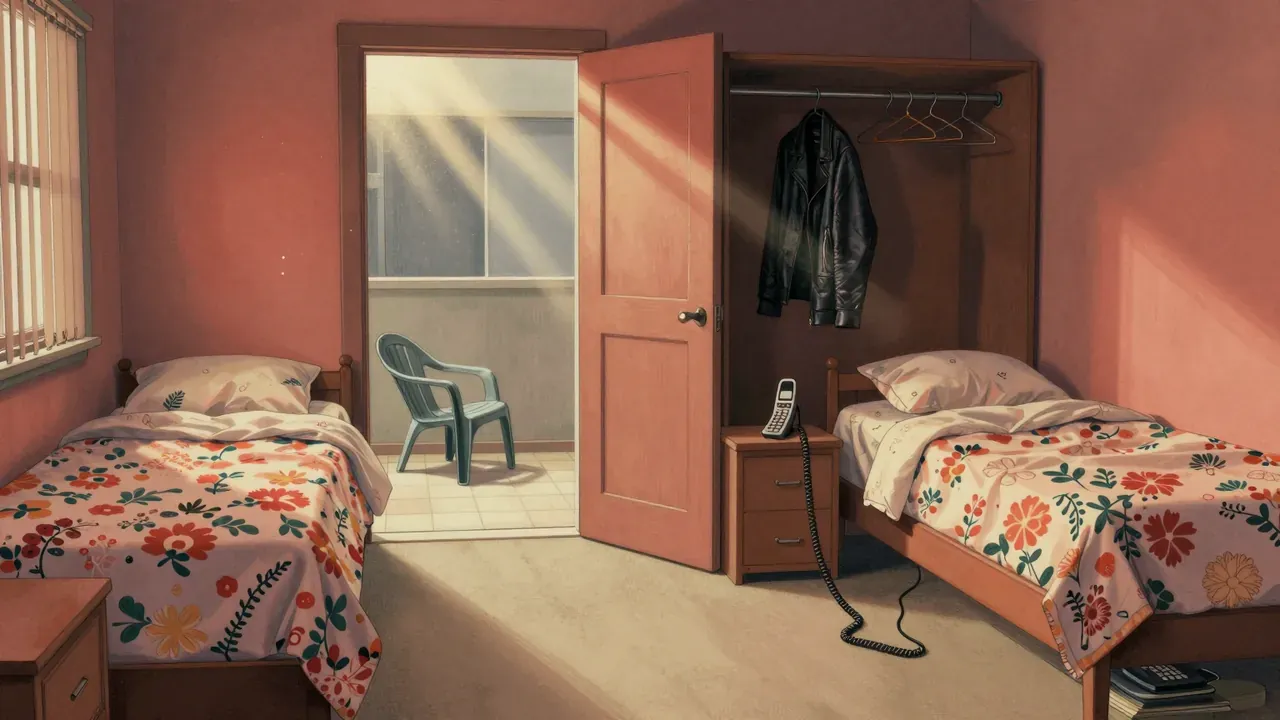
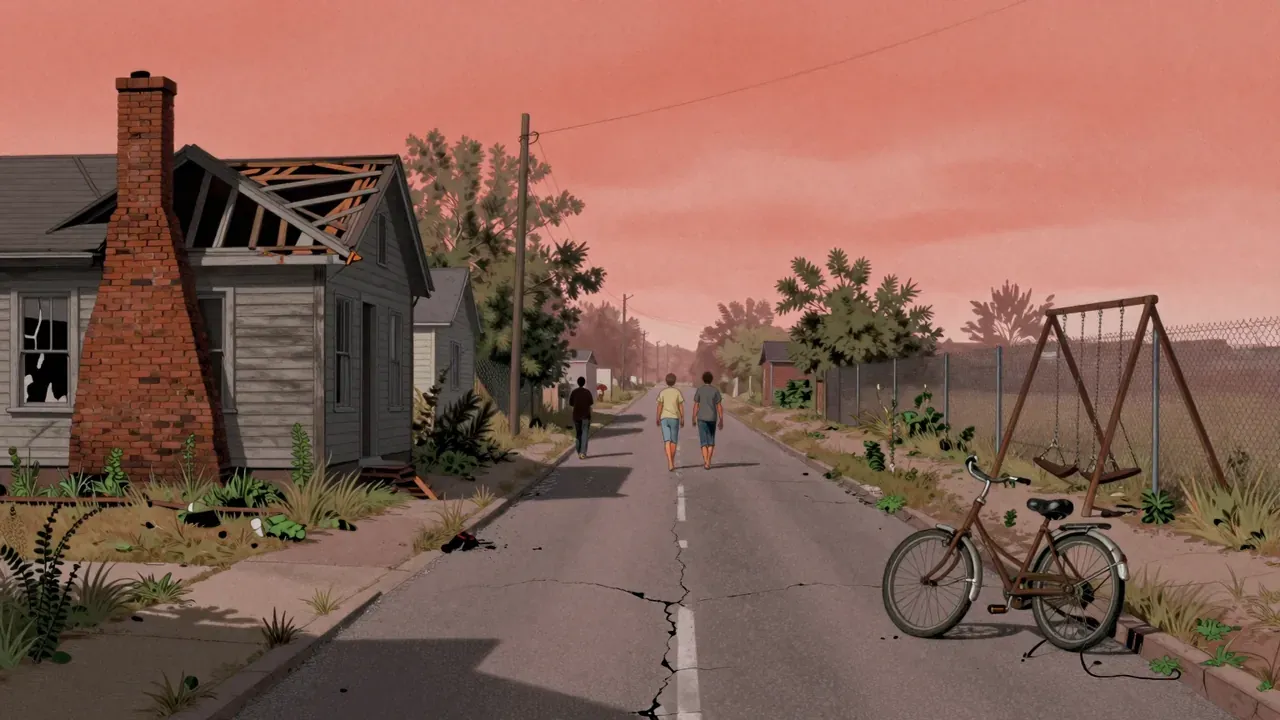
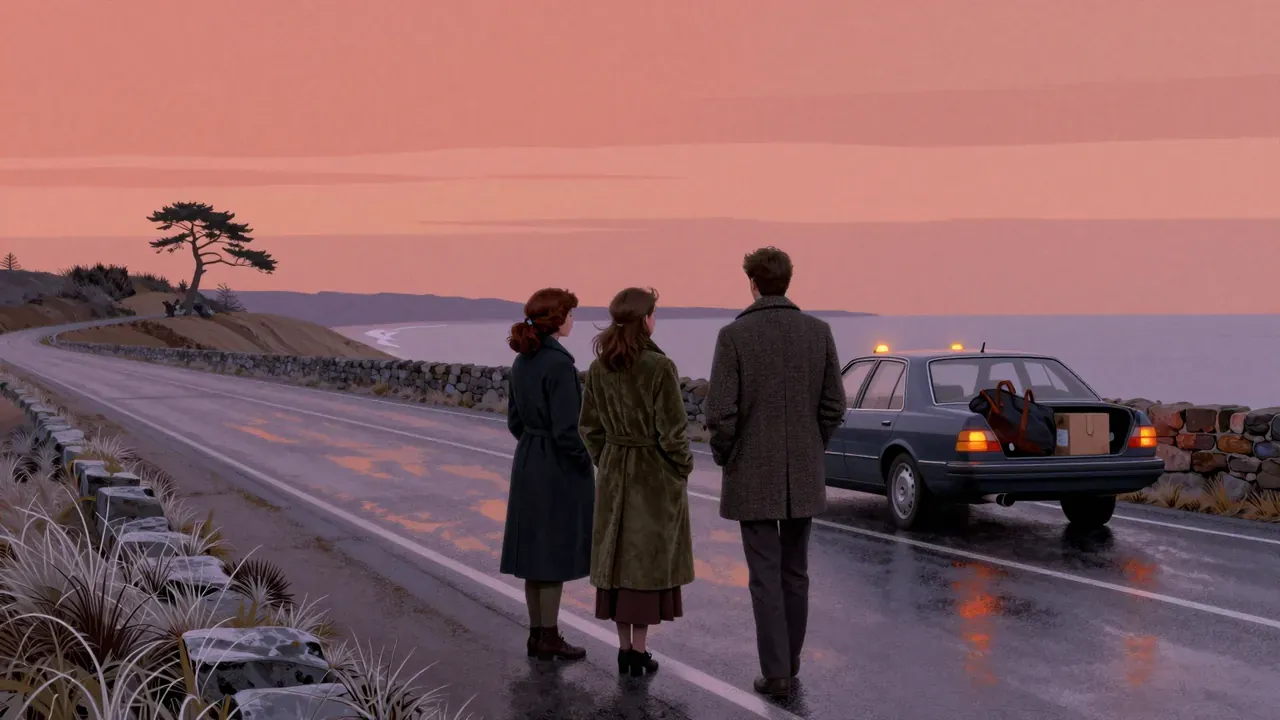
What lands is the texture of the group’s speech: the way they quote Spengler and Austen in the same breath, hedge opinions with ‘I suppose’ and ‘one might say’, and use irony as both shield and scalpel. The film’s best moments are those where status is negotiated verbally — Tom’s Fourierist rants met with polite incomprehension, Nick’s ‘composite’ accusation against Rick landing with uncomfortable weight because it’s never fully denied. The Upper East Side apartment feels lived-in, not stylised: mismatched furniture, ashtrays full of stubs, coats draped over chairs. The beach scene at the end works because it arrives without fanfare — no music swell, no kiss — just three people walking off-frame, hitchhiking, their futures unresolved but momentarily aligned. The film earns its gentleness: it refuses to punish its characters for their privilege, but also refuses to excuse them from reckoning with it. That balance holds. Word count: 154
The language
What does not land is the framing device of Tom’s voiceover, which appears only in the opening and closing minutes and feels tacked on rather than integral — a concession to narrative clarity that undercuts the film’s otherwise immersive present-tense logic. The subplot involving Sally’s secret relationship with Allen the record producer remains vague to the point of incoherence; no motivation, no consequence, no tonal resonance. Some exchanges between Tom and Serena circle without deepening — her presence functions more as a symbol of lost connection than as a fully drawn character. The film’s refusal to dramatise class friction beyond talk means that moments meant to sting — like Tom’s admission he loves Serena, not Audrey — land softly, almost too softly, lacking the emotional counterweight the script implies they should carry. A tighter edit of the final third would sharpen the sense of dissolution without sacrificing atmosphere. Word count: 150
The adjustment
The themes that matter are not wealth or debutante culture per se, but the instability of inherited identity when the institutions that sustain it — boarding schools, debutante balls, even certain kinds of literary taste — begin to lose their binding force. Charlie’s fear of societal collapse mirrors Tom’s quiet grief over his father’s abandonment, both rooted in the same question: what remains when lineage frays? The film treats conservatism not as ideology but as habit — the way Nick insists on formal introductions, or how Audrey reads Auchincloss not for pleasure but as ritual. Its central tension is between belonging and honesty: Tom gains access to the Rat Pack by performing familiarity with their codes, but pays for it by delaying confrontation with his own contradictions. The ‘urban haute bourgeoisie’ here are not villains or victims, but people trying to read a manual whose pages are dissolving as they turn them. That ambiguity is the film’s moral core. Word count: 149
The beach
It is for viewers who value dialogue as action, who find pleasure in the rhythm of hesitant confession and half-formed argument, and who are willing to sit with characters whose stakes are intellectual and emotional rather than physical or financial. It is not for those who need plot propulsion, visual spectacle, or clear moral resolution — the film offers none of these. Anyone expecting a rom-com will find its courtship glacial; anyone seeking social critique will find its judgements too muted. Fans of Jane Austen or Henry James may recognise the structure but miss the irony’s bite; fans of 1990s indie realism may find its form too mannered. The film assumes a baseline familiarity with American class signifiers — Pomfret, Farmington, Upper West vs. Upper East — and does not pause to explain them. That assumption excludes some, but is part of its integrity. Word count: 147
The road
Yes, it is worth your evening — provided you watch it without expectation of payoff, and with attention to how sentences curve away from meaning rather than toward it. Its ninety-eight minutes pass without hurry but also without waste, each scene calibrated to reveal something small and cumulative about how people hold themselves together while sensing the ground shift. Those who dislike it tend to cite its stillness, its lack of incident, its refusal to judge — but those are features, not flaws. A viewer who demands momentum or catharsis will leave restless; one who values precision of tone and the weight of unsaid things will find it quietly resonant. It rewards rewatching not for hidden clues but for shifts in emphasis — how a line read differently the second time changes the whole tenor of a relationship. Word count: 149