filmbriefs
Director · Producer · Screenwriter · 1958

Tim Burton

12
briefs
13:00
average
156 min
in total
On film.briefs12
13:00

Batman Returns

Tim Burton · 1992

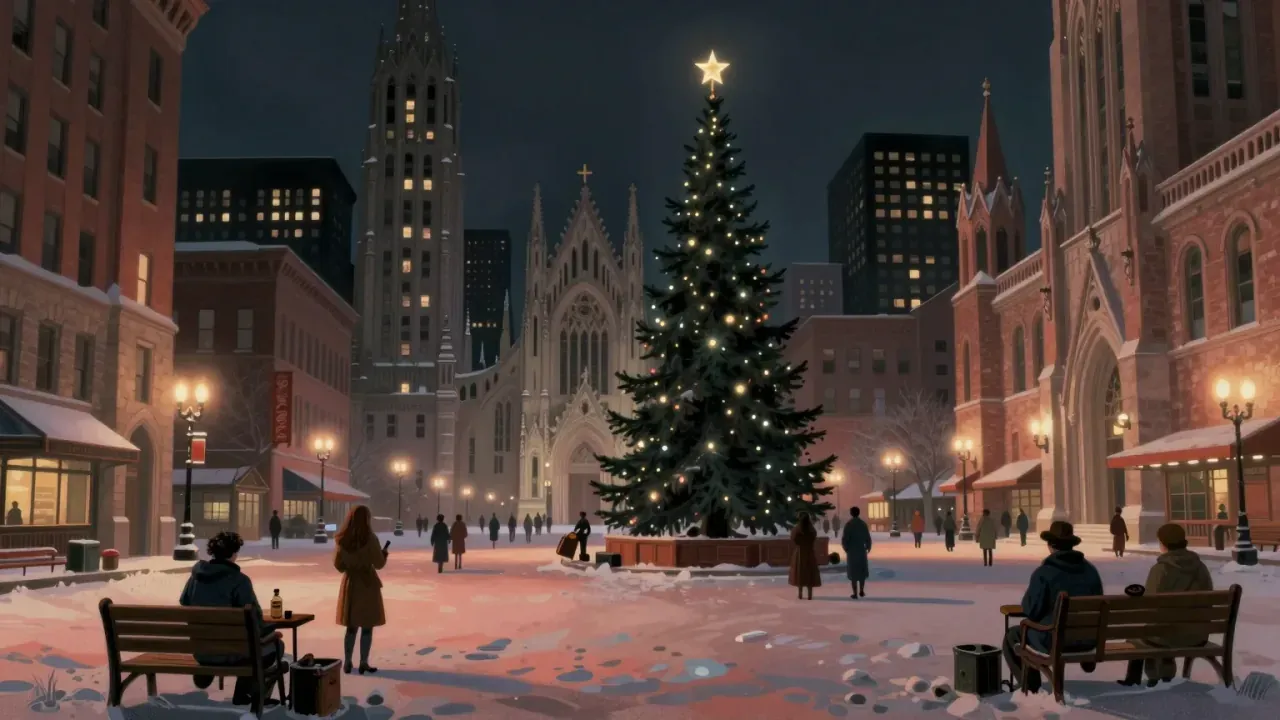
Tim Burton’s 1992 sequel discards superhero convention to explore abandonment and performance through Gotham’s grotesque, snowbound winter. With Michael Keaton, Danny DeVito, and Michelle Pfeiffer delivering career-defining turns, it leans on Stefan Czapsky’s shadow-heavy cinematography, Bo Welch’s layered production design, and Danny Elfman’s jagged score to sustain a tone both festive and funereal. Structurally loose but thematically tight, it remains a landmark of auteur-driven genre filmmaking.
13:00

Beetlejuice

Tim Burton · 1988

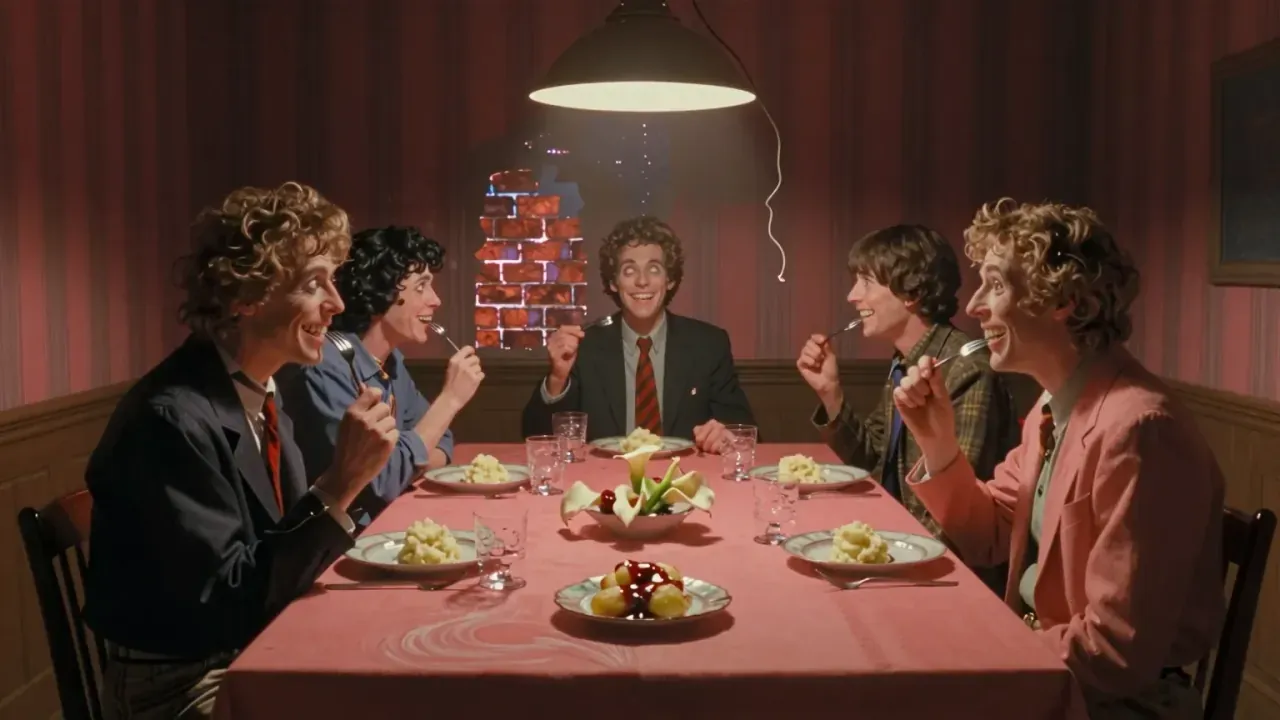
Beetlejuice (1988) is Tim Burton’s gothic comedy horror about a recently deceased couple who hire a chaotic bio-exorcist to scare away their home’s new occupants. With Michael Keaton, Alec Baldwin, Geena Davis, and Winona Ryder, it builds its world from deliberate artifice — stop-motion, saturated colour, Elfman’s calypso-infused score — and treats the afterlife as a malfunctioning bureaucracy. Its strength lies in tonal consistency and visual wit, not psychological realism or causal clarity.

13:00

Big Fish

Tim Burton · 2003

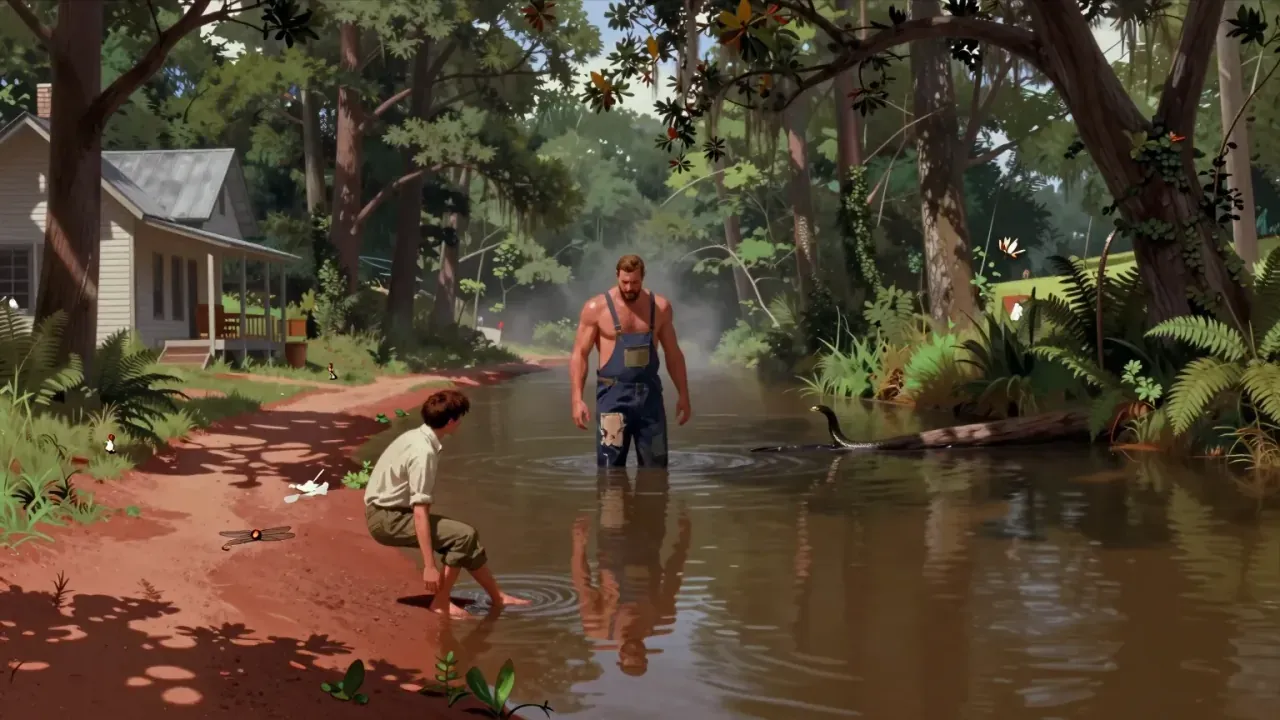
Tim Burton’s 2003 fantasy drama Big Fish adapts Daniel Wallace’s novel into a tripartite portrait of a father’s tall tales and his son’s reluctant reckoning with them. Shot in Alabama with Philippe Rousselot’s sun-bleached cinematography and scored by Danny Elfman, it balances Southern Gothic texture with mythic whimsy. Though its tonal shifts and narrative looseness divided critics, its central theme — that stories are how we hold people close after they’re gone — remains its quiet, steady pulse.

13:00

Charlie and the Chocolate Factory

Tim Burton · 2005

Tim Burton’s 2005 Charlie and the Chocolate Factory is a deliberate departure from the 1971 adaptation: darker, more textured, and psychologically expanded. With Johnny Depp as a tightly wound Willy Wonka and Freddie Highmore as a quietly observant Charlie Bucket, it restores elements from Roald Dahl’s novel while adding Wonka’s estranged dentist father as a key to his pathology. Shot on practical sets at Pinewood Studios, the film privileges tactile realism over digital spectacle. Though praised for its design and tone, its emotional resolution remains thin — Charlie’s virtue is passive, Wonka’s healing unearned. It is a family film that trusts its audience to sit with discomfort.

13:00

Edward Scissorhands

Tim Burton · 1990

Edward Scissorhands (1990), directed by Tim Burton and written by Caroline Thompson, tells of an unfinished humanoid with scissor hands adopted by a suburban family. Johnny Depp stars opposite Winona Ryder, with Danny Elfman scoring and Bo Welch designing the iconic pastel suburb and Gothic mansion. It is a visually unified, deliberately paced fable about difference, empathy, and the quiet violence of assimilation — more mood piece than narrative engine.

13:00

Frankenweenie

Tim Burton · 2012

Tim Burton’s 2012 stop-motion Frankenweenie expands his 1984 short into a black-and-white feature about Victor Frankenstein, a lonely boy who reanimates his dead dog Sparky — then contends with chaos when classmates follow suit. Built with meticulous puppetry and Danny Elfman’s score, it balances gothic parody with emotional sincerity, landing most strongly in its tactile detail and restrained treatment of loss. Though some subplots feel schematic and its satire stays broad, its commitment to mood, materiality, and moral ambiguity makes it a distinctive, unhurried piece of animation.

13:00

Pee-wee's Big Adventure

Tim Burton · 1985

Tim Burton’s 1985 debut, written by Paul Reubens and Phil Hartman, follows Pee-wee Herman’s cross-state quest to recover his beloved Schwinn bicycle. Shot in California and Texas, it merges Reubens’ stage persona with Burton’s emerging visual style, anchored by Danny Elfman’s first film score. Structured like a children’s fable but executed with adult precision, it treats American landmarks as literal stages and childhood logic as a valid operating system. Its cult status rests on consistency of tone, not thematic complexity.

13:00

Planet of the Apes

Tim Burton · 2001

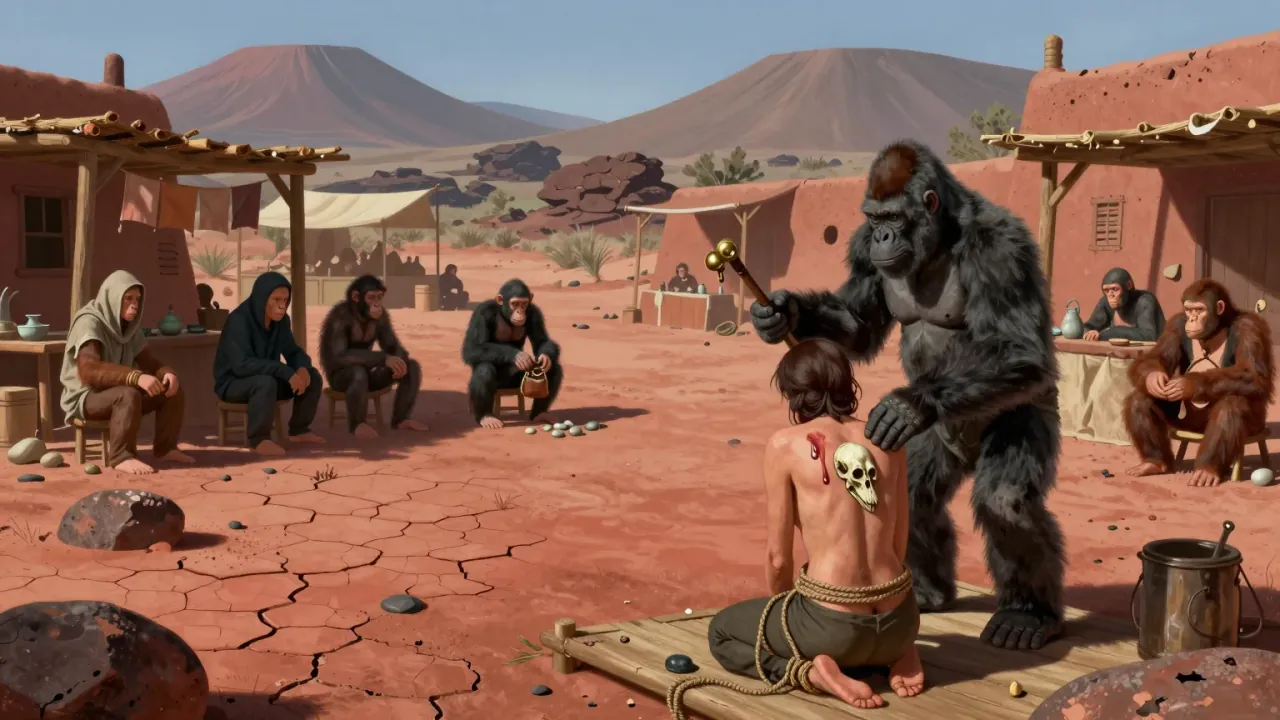
Tim Burton’s 2001 Planet of the Apes is a visually rich, commercially successful remake that prioritises creature design, production scale, and tonal consistency over narrative coherence or thematic depth. Starring Mark Wahlberg and Helena Bonham Carter, it recasts the ape-dominated world as a tactile, myth-saturated empire — impressive in execution, thin in conception. Critics noted its craft and score but faulted its script and ending. It earned $362 million worldwide but was not followed by a sequel.

13:00

Sleepy Hollow

Tim Burton · 1999

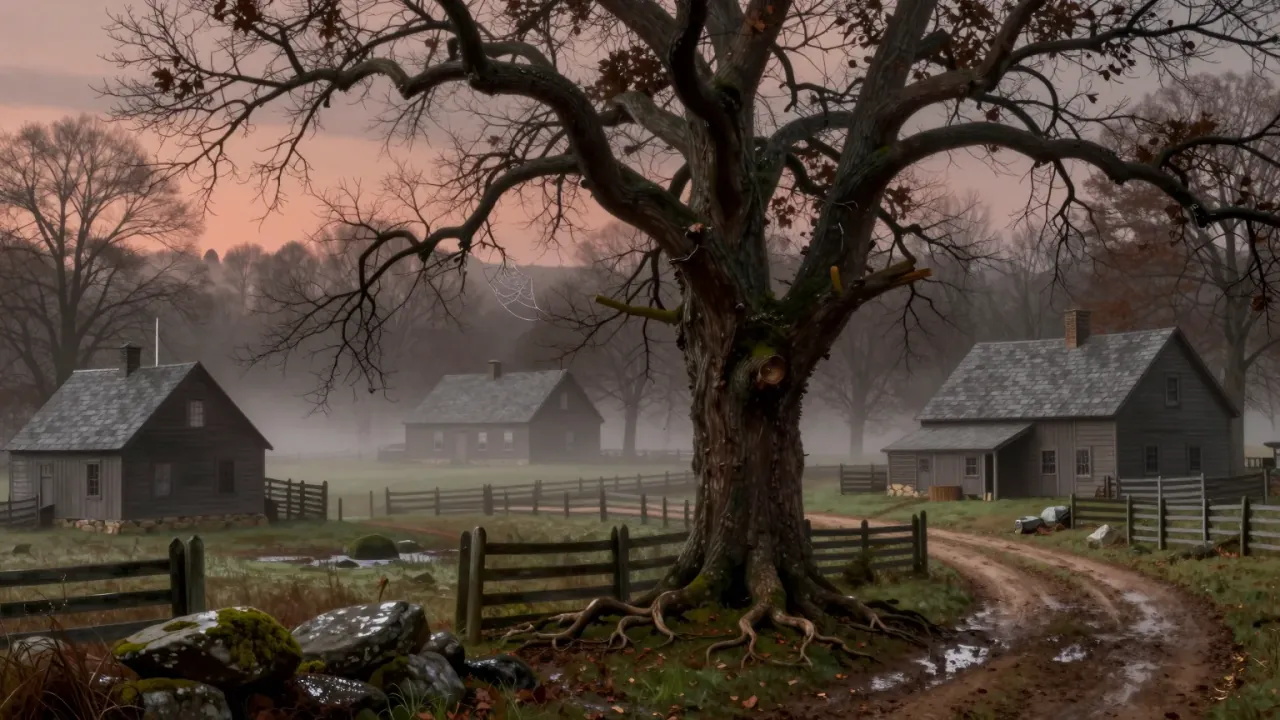
Tim Burton’s 1999 Sleepy Hollow reimagines Washington Irving’s tale as a painterly, studio-crafted horror fable. Johnny Depp plays Ichabod Crane, a forensic-minded constable investigating decapitations in an insular Hudson Valley village. With Emmanuel Lubezki’s moody cinematography, Rick Heinrichs’ Oscar-winning production design, and Danny Elfman’s brooding score, the film builds dread through saturated colour, deliberate artifice and tactile detail — not plot mechanics or psychological realism. Its strengths are visual and atmospheric; its weaknesses lie in structural looseness and underdeveloped relationships. It rewards patience with mood over momentum.

13:00

Sweeney Todd: The Demon Barber of Fleet Street

Tim Burton · 2007

Tim Burton’s 2007 adaptation of Sweeney Todd condenses Stephen Sondheim’s stage musical into a tightly wound Gothic drama. Starring Johnny Depp and Helena Bonham Carter, it follows a vengeful barber and his pie-making accomplice in a blood-soaked, desaturated Victorian London. With Dariusz Wolski’s cinematography, Dante Ferretti’s production design, and a ruthlessly edited score, it sustains a tone of operatic despair — prioritising psychological intensity over narrative breadth or musical spectacle.

13:00

Corpse Bride

Tim Burton, Mike Johnson · 2005

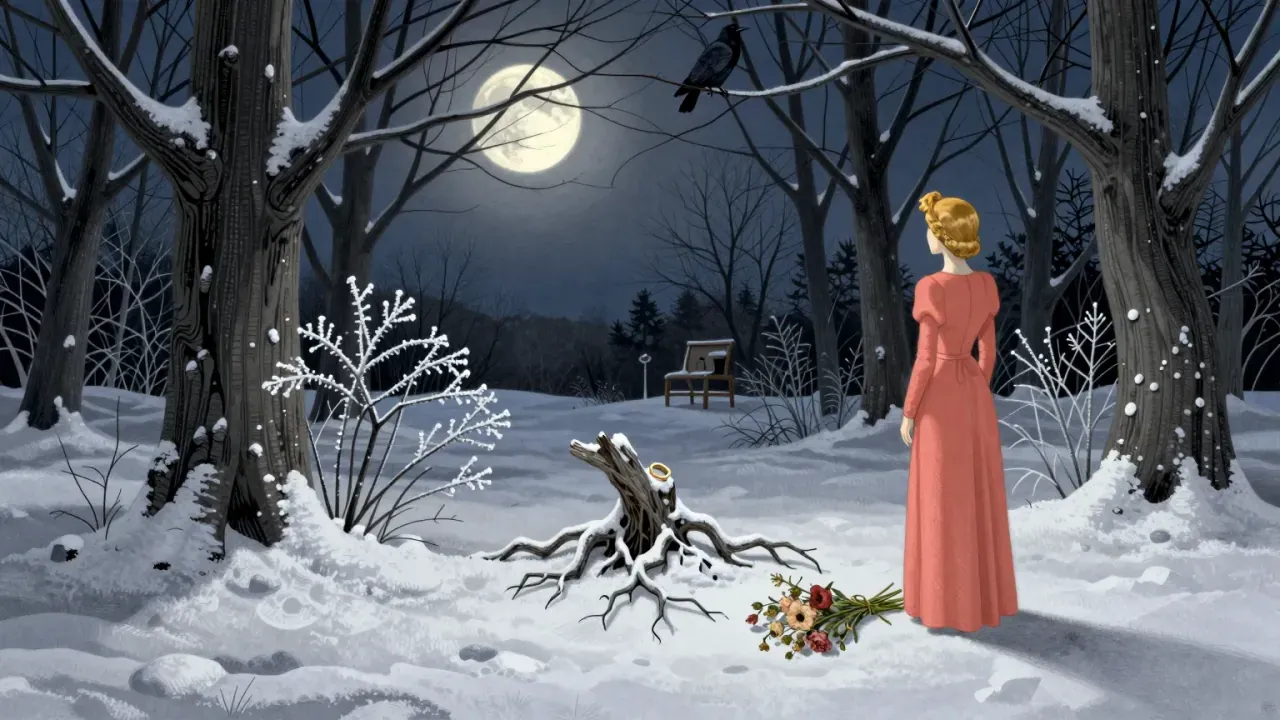
Corpse Bride follows Victor, an anxious young man in an arranged marriage, who accidentally weds a murdered woman named Emily after placing a ring on what he thinks is a tree root, then must choose between her vivid Land of the Dead and his living fiancée. Co-directed by Tim Burton and Mike Johnson for Laika on a $40 million budget, shot on digital cameras rather than film, it grossed $118 million and drew three award nominations.

13:00

The Nightmare Before Christmas

Henry Selick · 1993

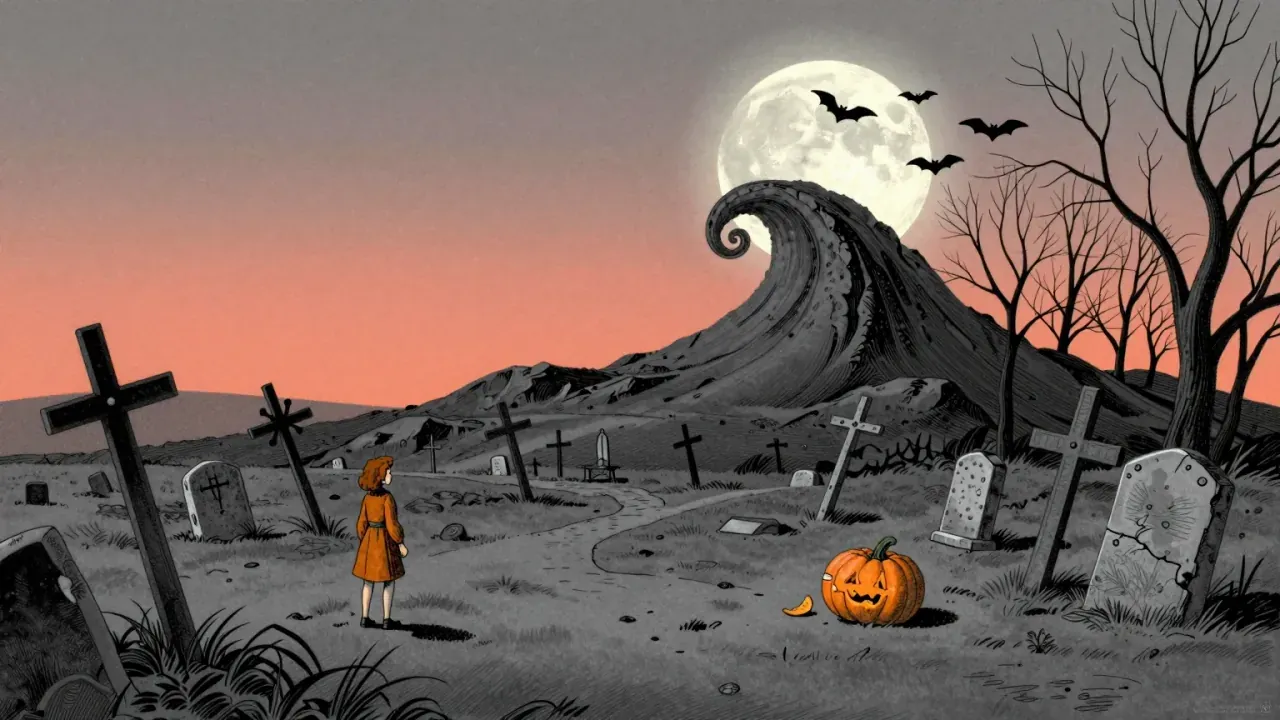
The Nightmare Before Christmas follows Jack Skellington, Halloween Town's bored king, as he discovers Christmas Town and decides, badly, that he can run the holiday himself. Henry Selick directed the stop-motion musical from a story and poem by Tim Burton, with songs and score by Danny Elfman, who also voices Jack's singing parts. Released under Disney's Touchstone label rather than the studio's own name, it grossed $75.1 million and earned an Academy Award nomination for Best Visual Effects, a first for an animated film.