filmbriefs
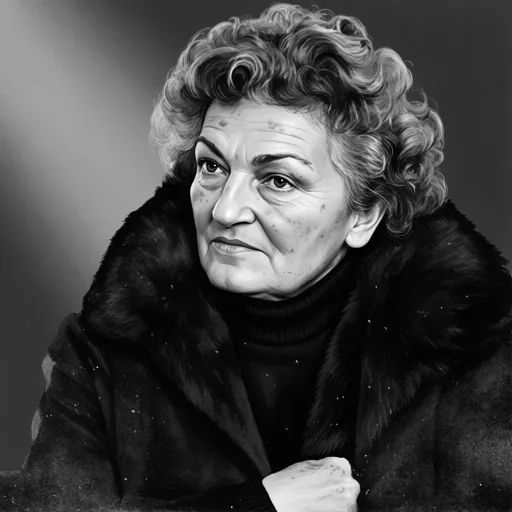
Screenwriter · 1914–2010

Suso Cecchi d'Amico

9
briefs
13:00
average
117 min
in total
On film.briefs9
13:00

Big Deal on Madonna Street

Mario Monicelli · 1958

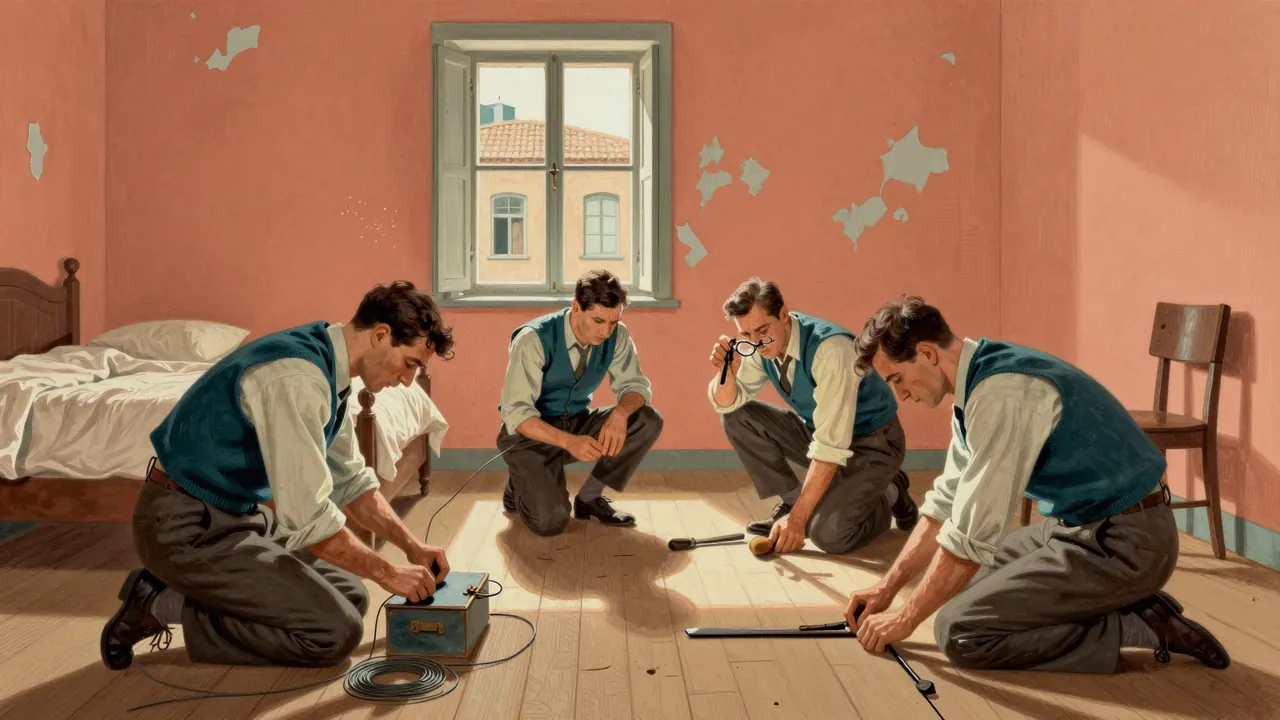
Big Deal on Madonna Street (1958) is an Italian heist comedy directed by Mario Monicelli, following a group of Rome-based petty criminals attempting—unsuccessfully—to burgle a pawn shop through a shared wall. Shot on location with harsh, naturalistic lighting by Gianni Di Venanzo and scored with restrained jazz by Piero Umiliani, it parodies both neorealist gravity and crime-thriller solemnity by applying their formal rigour to characters who lack the means to succeed. The film’s humour arises from procedural fidelity, not absurdity: every setback follows logically from material constraint, linguistic mismatch or spatial miscalculation. Though nominated for an Academy Award and listed among Italy’s 100 essential films, its appeal lies in its precision, not its polish.
13:00

Le Amiche

Michelangelo Antonioni · 1955

Michelangelo Antonioni’s 1955 drama follows Clelia, a Rome-based fashion executive returning to Turin, where she becomes entangled with a circle of upper-class women — including the fragile Rosetta, whose suicide attempt sets in motion a series of restrained, unresolved encounters. Shot on location in Turin by Gianni Di Venanzo and adapted from Cesare Pavese’s novella, the film observes emotional distance, class performance, and the hollowness beneath social ritual — all without exposition, climax, or catharsis.

13:00

Miracle in Milan

Vittorio De Sica · 1951

Vittorio De Sica’s 1951 Miracle in Milan blends post-war Italian neo-realism with gentle fantasy. Set on a Milanese wasteland, it follows Totò — raised by a woman who finds him in a cabbage patch — as he helps build a self-governing shantytown, only to confront eviction by industrialists. When magic intervenes, it does so not to erase hardship but to affirm the dignity already present in mutual aid, shared labour and unguarded joy.

13:00

Salvatore Giuliano

Francesco Rosi · 1962

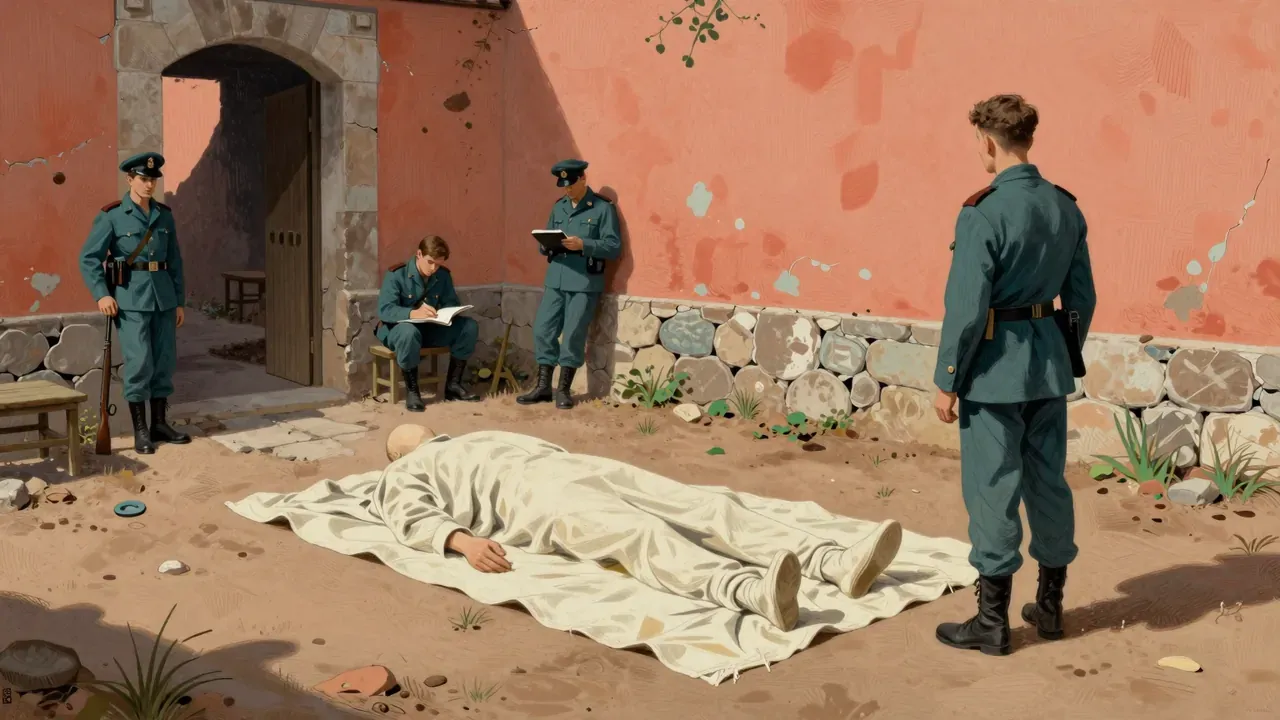
Francesco Rosi’s 1962 docudrama reconstructs the life and death of Sicilian bandit Salvatore Giuliano not as myth or biography, but as a forensic inquiry into institutional complicity. Shot on location in Sicily with non-professional actors, it uses fragmented chronology, courtroom transcripts and contradictory testimony to expose how power operates across Mafia, carabinieri and judiciary. Giuliano appears only fleetingly — dead, distant, obscured — while figures like his betrayer Pisciotta and judges presiding over rigged trials occupy the frame. The film’s rigour lies in its refusal to narrativise, opting instead for procedural clarity and structural irony.

13:00

White Nights

Luchino Visconti · 1957

Luchino Visconti’s 1957 adaptation of Dostoevsky’s ‘White Nights’ transposes the short story’s introspective melancholy into a meticulously controlled studio production. Set over three winter nights in a recreated Livorno, it follows Mario’s growing attachment to Natalia, who waits nightly for a lover who may never return. With Maria Schell, Marcello Mastroianni and Jean Marais, and cinematography by Giuseppe Rotunno, the film sustains a tone of quiet inevitability—rejecting catharsis in favour of emotional precision.

13:00

Rocco and His Brothers

Luchino Visconti · 1960

Luchino Visconti’s 1960 epic follows the Parondi family—mother and four sons—as they migrate from rural Lucania to industrial Milan. Their attempts to adapt fracture along lines of class, labour, and desire: Simone turns to boxing and self-destruction, Rocco clings to quiet decency, Ciro embraces union politics, and Luca walks away. Shot by Giuseppe Rotunno in Milan’s housing projects and factories, scored by Nino Rota, and performed with restrained intensity by Alain Delon, Renato Salvatori and Annie Girardot, the film treats disintegration as process, not event.

13:00

Senso

Luchino Visconti · 1954

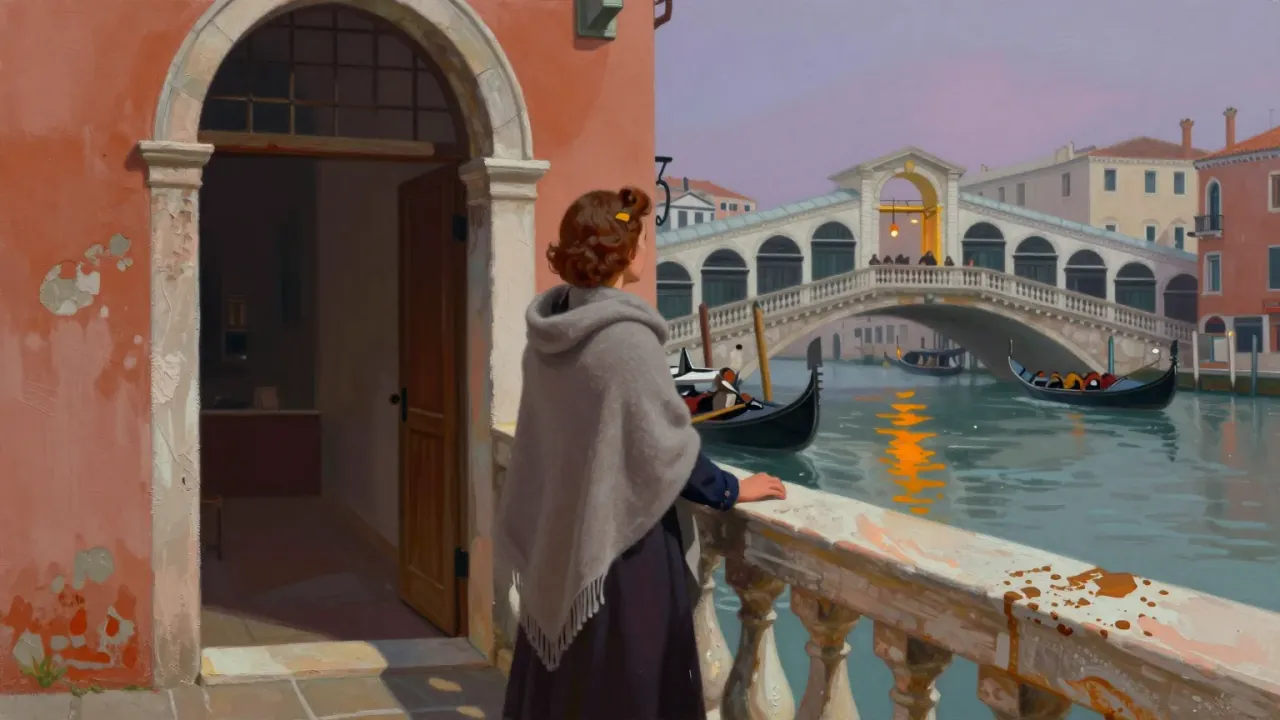
Luchino Visconti’s 1954 colour debut adapts Camillo Boito’s novella into a Venice-set melodrama about Countess Livia Serpieri’s ruinous affair with an Austrian officer during the 1866 war. Alida Valli’s restrained performance anchors a film whose painterly visuals, Bruckner-scored intensity, and structural rigour treat romantic obsession as a slow, irreversible erosion of moral and political clarity.

13:00

The Leopard

Luchino Visconti · 1963

Luchino Visconti’s 1963 adaptation of Tomasi di Lampedusa’s novel follows Sicilian Prince Don Fabrizio Corbera as he observes — without intervening — the slow displacement of aristocracy by a rising bourgeoisie during the Italian unification of 1860. Starring Burt Lancaster, Claudia Cardinale, and Alain Delon, it is a visually sumptuous, deliberately paced drama whose power resides in accumulation, restraint, and the physical texture of decay.

13:00

Bicycle Thieves

Vittorio De Sica · 1948

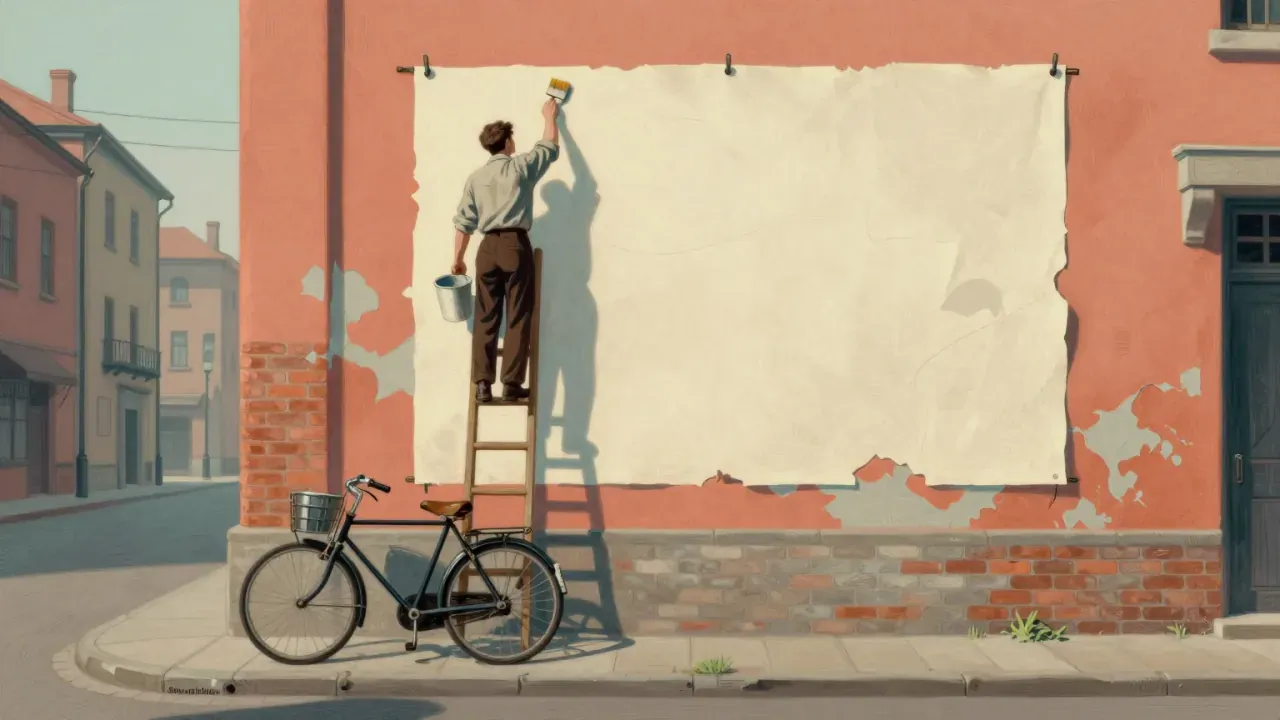
Vittorio De Sica's 1948 film follows Antonio Ricci, newly hired to paste up film posters across postwar Rome, whose bicycle, pawned to buy back for the job, is stolen within hours of his first shift. He and his young son Bruno spend the rest of the film combing the city's markets and streets for it, with almost no professional actors in the cast and much of it shot on location. Made for around $133,000, it won an honorary Academy Award before the foreign-language category existed and has been cited since as one of the clearest statements of Italian neorealism.