filmbriefs
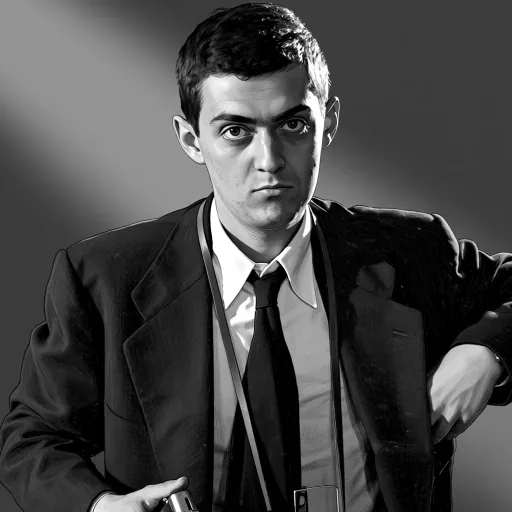
Director · Screenwriter · Producer · Cinematographer · Editor · Actor · 1928–1999

Stanley Kubrick

12
briefs
13:00
average
156 min
in total
On film.briefs12
13:00

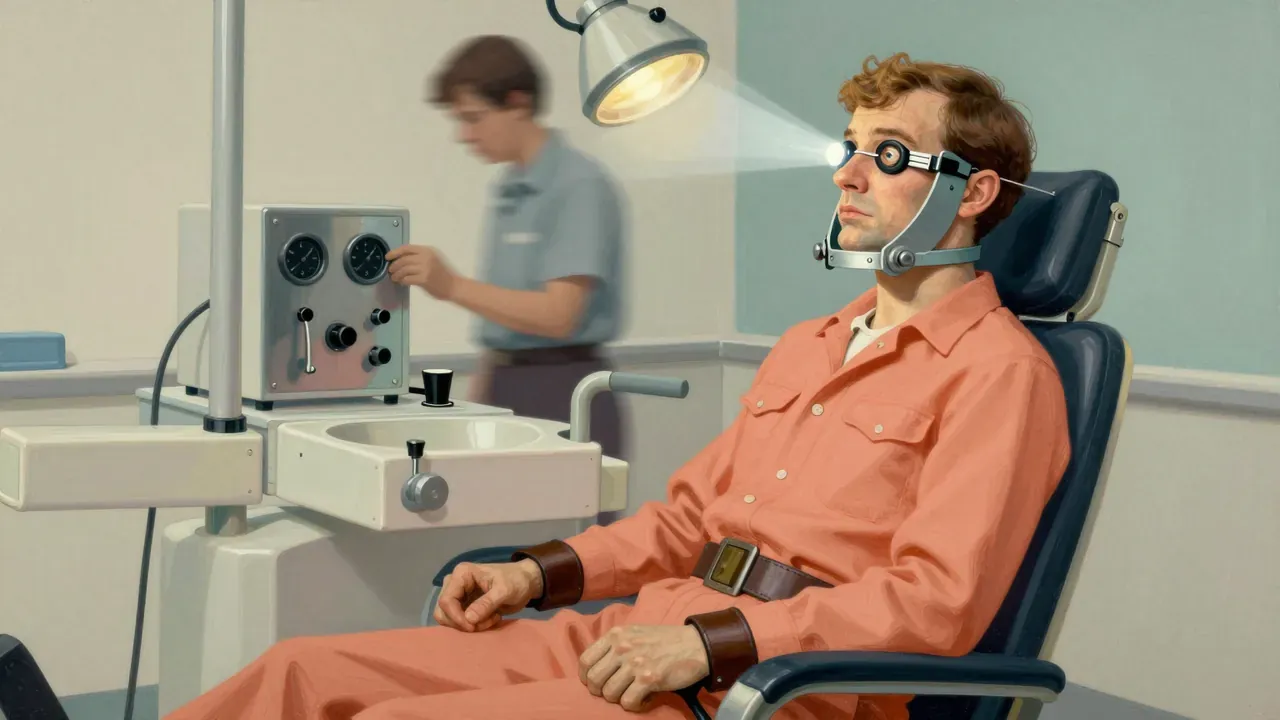
A Clockwork Orange

Stanley Kubrick · 1971

Stanley Kubrick’s 1971 adaptation of Anthony Burgess’s novel follows Alex DeLarge, a charismatic teenage delinquent subjected to state-mandated aversion therapy. Stylised, unsettling, and formally exacting, it interrogates free will, coercion, and the aestheticisation of power through John Alcott’s cinematography, Wendy Carlos’s electronic score, and Malcolm McDowell’s indelible performance.
13:00

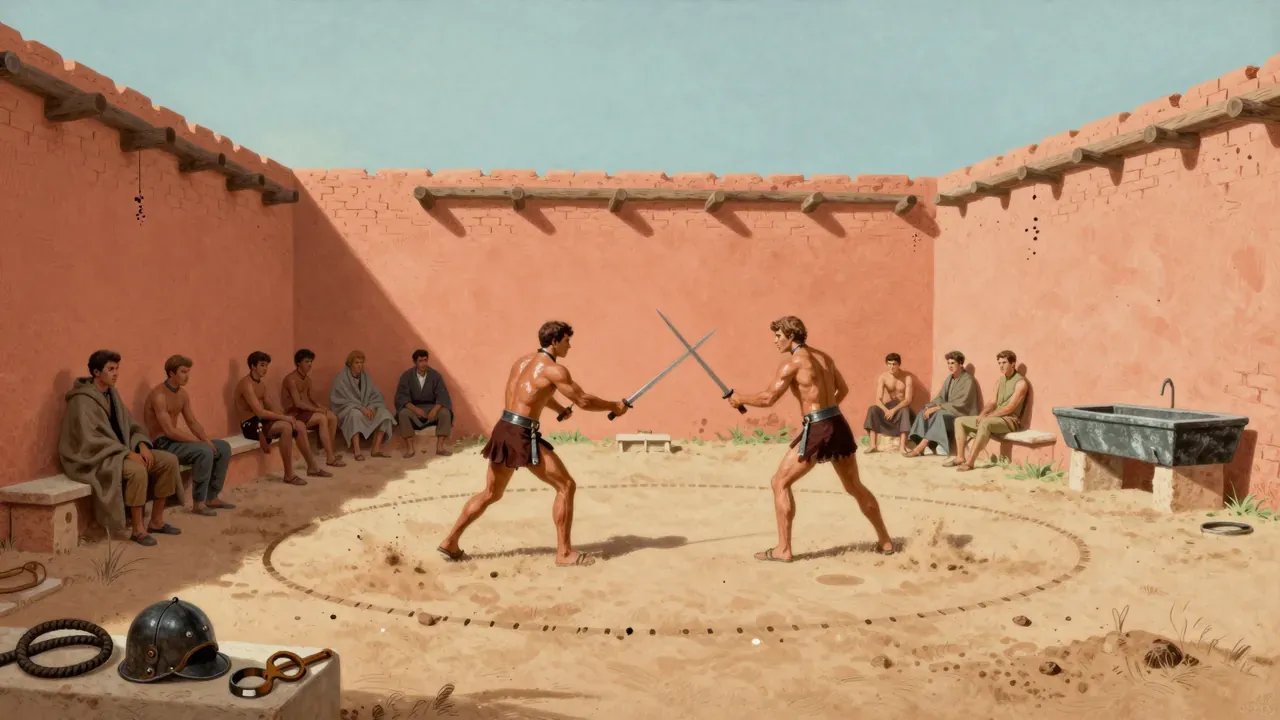
Spartacus

Stanley Kubrick · 1960

Stanley Kubrick’s 1960 Spartacus adapts Howard Fast’s novel via Dalton Trumbo’s blacklisted script, telling the story of a slave revolt not as myth but as moral architecture. Kirk Douglas stars as Spartacus, with Laurence Olivier, Peter Ustinov, and Jean Simmons in key roles. Shot across California locations including Hearst Castle and Wildwood Park, its Oscar-winning art direction and cinematography render Rome as a study in hierarchy — accent, space, and light all coded by class. Though structurally uneven and romantically thin, its enduring power lies in its deliberate, collective gaze and the historic courage of its authorship.

13:00

Barry Lyndon

Stanley Kubrick · 1975

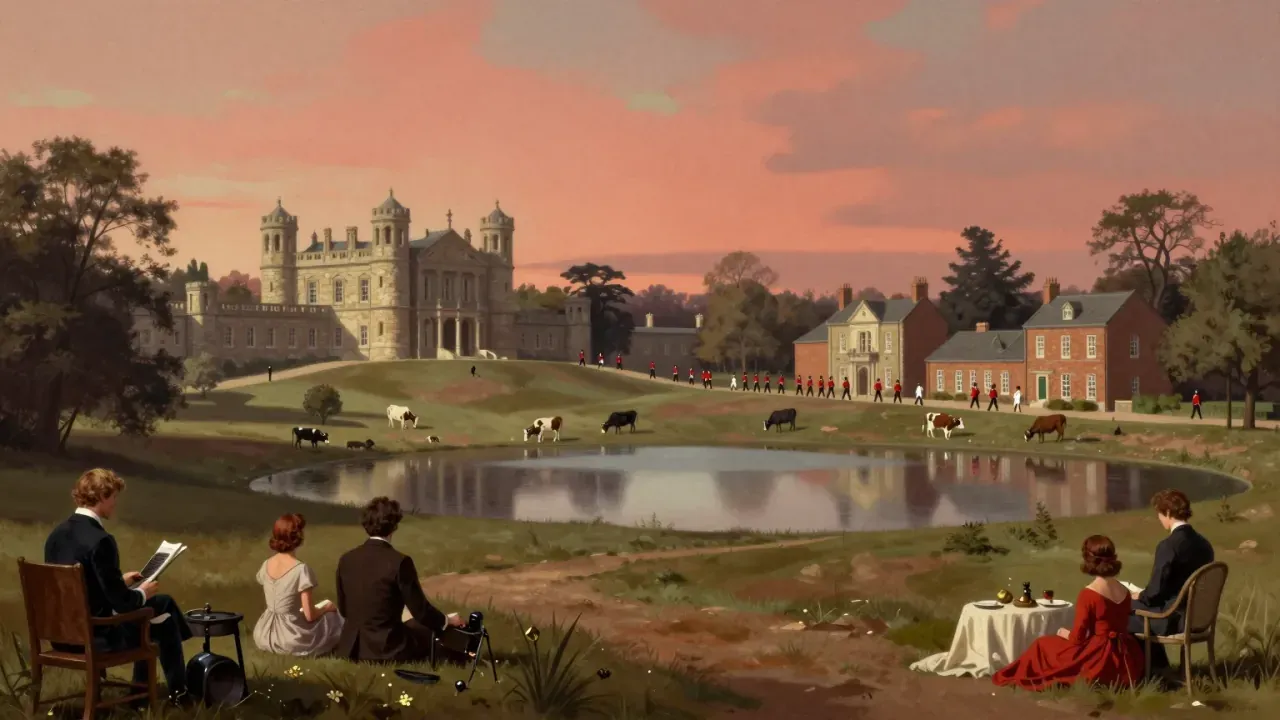
Stanley Kubrick’s 1975 adaptation of Thackeray’s novel follows an Irish opportunist’s calculated ascent and collapse in 18th-century Europe. Shot in candlelight, built around painterly compositions and governed by an impassive narrator, it treats social hierarchy as an inescapable physical law — not a theme to explore, but a structure to inhabit.

13:00

Eyes Wide Shut

Stanley Kubrick · 1999

Stanley Kubrick’s final film adapts Arthur Schnitzler’s Dream Story into a slow-burning psychological mystery set in 1990s New York. Dr. Bill Harford’s night-long descent, triggered by his wife’s confession of fantasy, exposes the rituals of power, secrecy, and male fragility beneath the surface of privilege. Shot by Larry Smith and scored by Jocelyn Pook, it sustains a single, unwavering tone — neither erotic nor thrilling, but rigorously observed and formally controlled.

13:00

Killer's Kiss

Stanley Kubrick · 1955

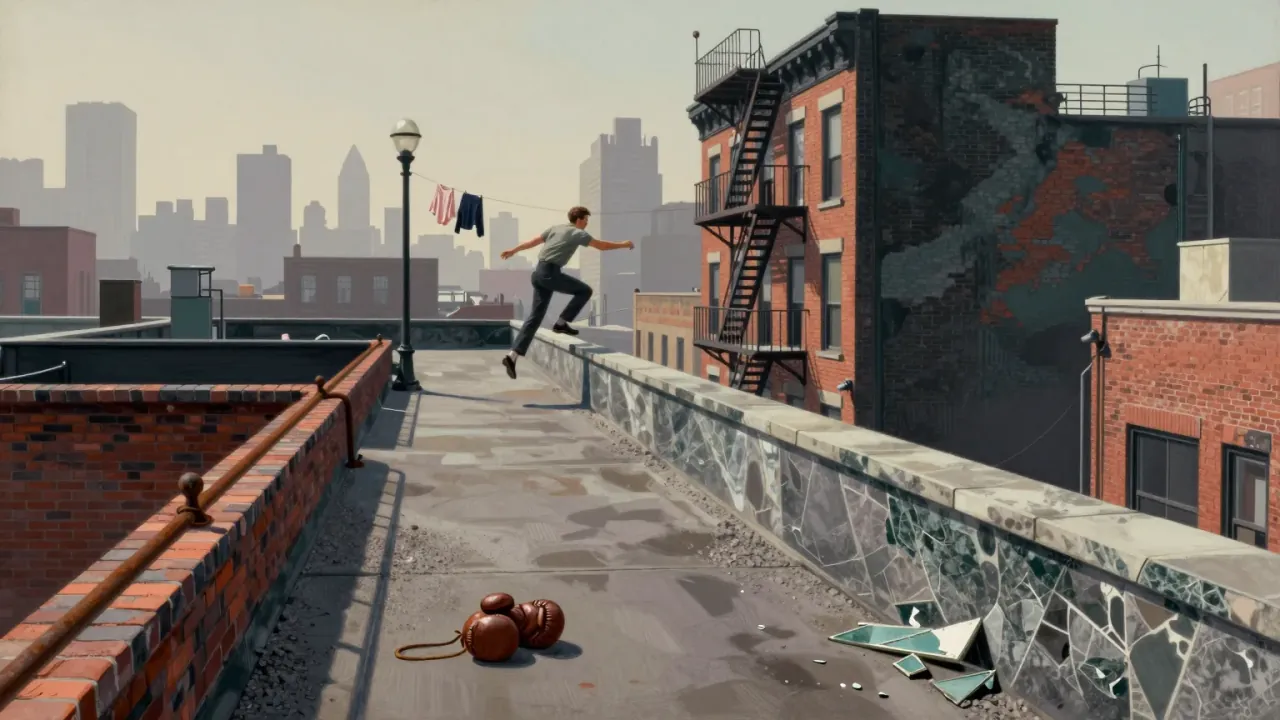
Stanley Kubrick’s 1955 second feature is a lean, black-and-white film noir shot on real New York streets — Penn Station, Times Square, SoHo lofts — with a shoestring budget and no studio oversight. It follows a fading boxer and a taxi dancer caught in the orbit of a violent dance-hall boss. Kubrick wrote, produced, directed, photographed and edited it himself, using post-dubbed sound and stark, high-contrast cinematography. Though structurally thin and acted with restraint rather than flourish, its physical authenticity, spatial intelligence and unblinking urban gaze make it a singular early document of a major filmmaker’s method.

13:00

Lolita

Stanley Kubrick · 1962

Stanley Kubrick’s 1962 Lolita is a black-and-white arthouse drama adapted from Vladimir Nabokov’s novel under strict Hays Code restrictions. Starring James Mason as Humbert Humbert and Sue Lyon as Dolores Haze, it reframes the story as a tragicomic romance, avoiding explicit content through irony, voice-over, and visual indirection. Filmed largely in England despite its American setting, it features Peter Sellers in multiple roles and a jazz-inflected score by Nelson Riddle. Though commercially successful and critically well-received, it sacrifices the novel’s psychological and linguistic complexity for viability — making it less a faithful adaptation than a record of constraint.

13:00

The Killing

Stanley Kubrick · 1956

Stanley Kubrick’s 1956 heist film follows Johnny Clay’s meticulously planned racetrack robbery, told in fractured chronology and executed with clinical precision. Built on Jim Thompson’s dialogue and Lionel White’s novel, it privileges structure over psychology, showing how small, unscripted human actions — a drunken appearance, a dropped horseshoe, a burst suitcase — derail even the most rigorous plan. With Sterling Hayden, Marie Windsor, and Elisha Cook Jr., it delivers lean, unsentimental noir grounded in craft, not catharsis.

13:00

2001: A Space Odyssey

Stanley Kubrick · 1968

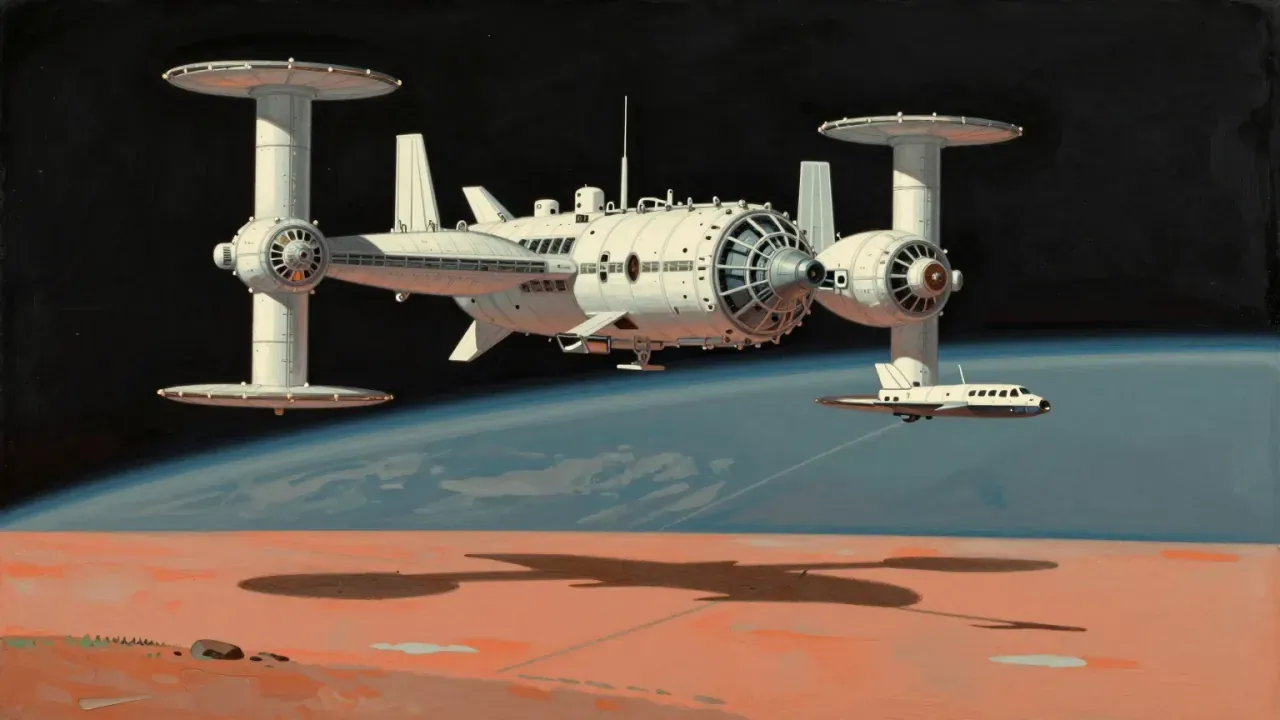
Stanley Kubrick's 1968 film, written with Arthur C. Clarke, tracks a black monolith's appearances across four million years, from a tribe of prehistoric hominids to a Jupiter mission overseen by the calm computer HAL 9000. Shot by Geoffrey Unsworth with in-camera effects that took over a year to complete, and scored with existing classical pieces by Strauss, Khachaturian and Ligeti rather than an original soundtrack, it cost MGM $10.5 million, returned over $190 million, and won Kubrick his only competitive Oscar, for visual effects.

13:00

Dr. Strangelove

Stanley Kubrick · 1964

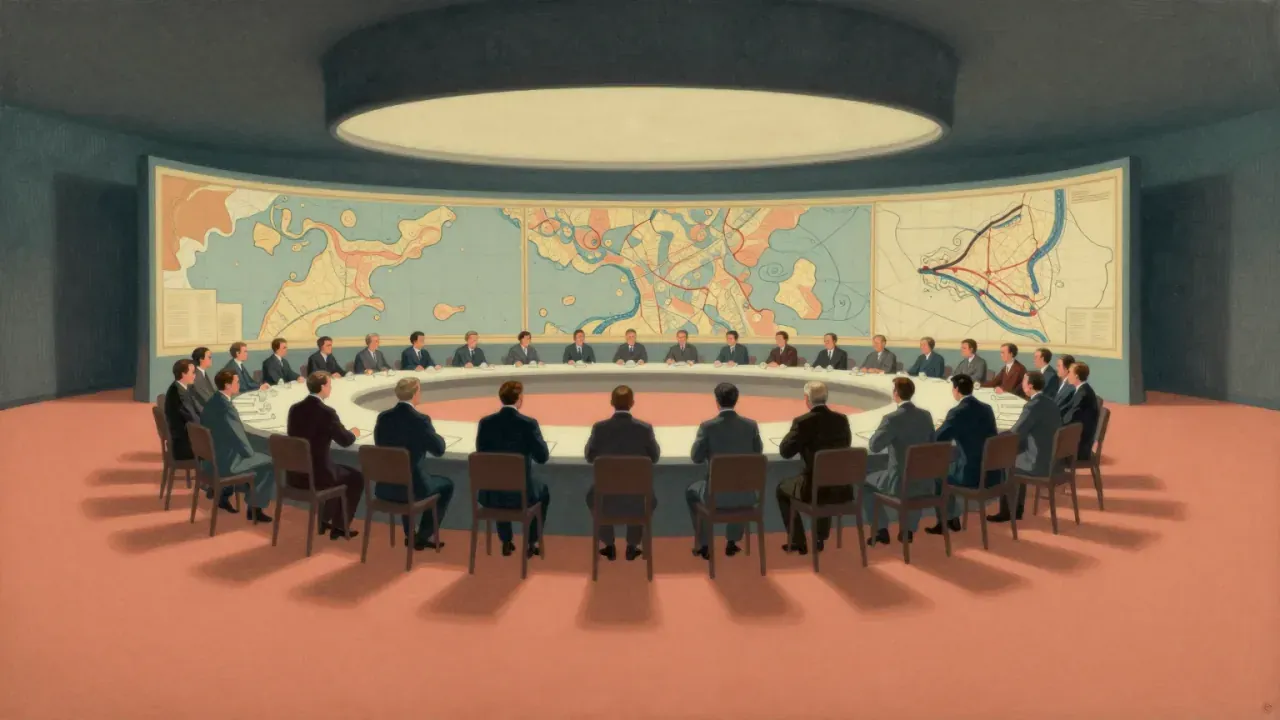
Stanley Kubrick's 1964 black comedy, adapted from Peter George's thriller novel Red Alert, follows a rogue American general's order for a nuclear strike on the Soviet Union and the frantic, mostly useless efforts of the President, his aides and a visiting RAF officer, all three played by Peter Sellers, to call it back. Shot entirely at Shepperton Studios on Ken Adam's cavernous War Room set for $1.8 million, it grossed $9.4 million, won three BAFTAs, and is now ranked among the American Film Institute's greatest and funniest American films.

13:00

Full Metal Jacket

Stanley Kubrick · 1987

Stanley Kubrick's 1987 war film, shot entirely around London, splits into a Parris Island boot-camp section under a savage drill instructor and a Tet Offensive combat section in Hue. Built from Gustav Hasford's novel with Michael Herr, and carried by R. Lee Ermey's largely self-written performance, it argues that training, not combat, is where a soldier is actually made.

13:00

Paths of Glory

Stanley Kubrick · 1957

Stanley Kubrick's 1957 film, adapted from Humphrey Cobb's novel based on the real Souain corporals affair, follows Colonel Dax as he leads a suicidal attack demanded by his superiors and then defends three of his own men, chosen at random, against a court-martial for cowardice. Shot in Bavaria because its portrayal of the French military barred it from filming, or release, in France for fifteen years, the film starred Kirk Douglas, whose production company financed it on a budget reported near $935,000, and drew acclaim that only grew once France finally allowed it to screen in 1972.

13:00

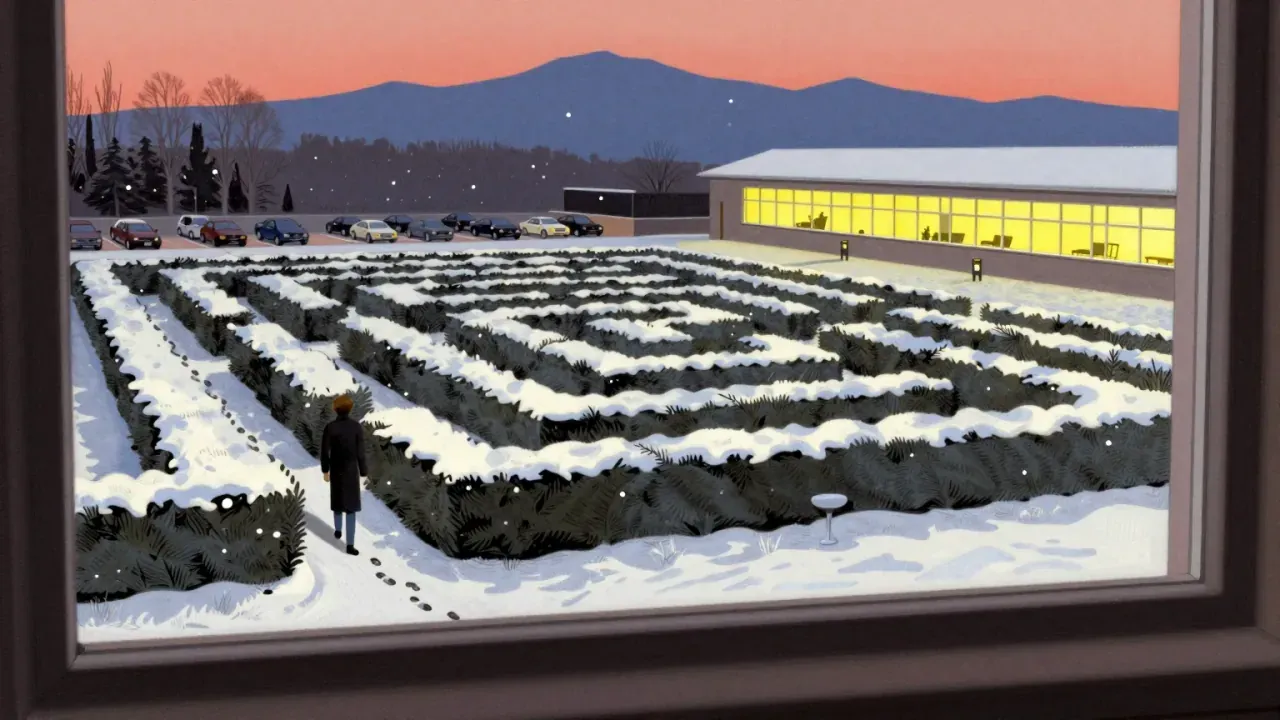
The Shining

Stanley Kubrick · 1980

Stanley Kubrick's 1980 adaptation of Stephen King's novel follows a recovering alcoholic, his wife and their clairvoyant son through a winter at an isolated hotel, shot entirely on constructed sets in England on a $19 million budget, built around Jack Nicholson's escalating performance, John Alcott's Steadicam corridors and Wendy Carlos's electronic score.