filmbriefs
Studio

SF Studios

27
briefs
13:00
average
351 min
in total
On film.briefs27
13:00

A Lesson in Love

Ingmar Bergman · 1954

A Lesson in Love (1954) is Ingmar Bergman’s gently ironic study of a Stockholm marriage tested by professional pride, quiet restlessness, and a charming patient. Starring Eva Dahlbeck and Gunnar Björnstrand, it trades existential gravity for domestic nuance, using light comedy and unhurried observation to explore love as daily practice rather than grand declaration. Shot by Martin Bodin and scored by Dag Wirén, it remains a subtle, underseen pivot in Bergman’s career — modest in scope, exact in execution.
13:00

A Woman's Face

Gustaf Molander · 1938

A disfigured Swedish woman, Anna Holm, joins a blackmail ring out of social exile. After a botched break-in, she is taken in by a plastic surgeon who repairs her face — not to make her beautiful, but to restore her ability to move unseen in the world. As she assumes a new identity to infiltrate a wealthy family, she begins to protect the very child she was meant to kill. Gustaf Molander’s 1938 drama traces moral change not through epiphany but through repeated, quiet choices — about care, labour, and who gets to belong.

13:00

Ådalen 31

Bo Widerberg · 1969

Bo Widerberg’s 1969 Swedish drama Ådalen 31 reconstructs the 1931 Ådalen shootings through the daily life of the working-class Andersson family. Anchored by Peter Schildt and Roland Hedlund, it traces springtime tensions between strikers and strikebreakers in northern Sweden, culminating in a military massacre that kills five. Shot by Jörgen Persson with deliberate restraint, it avoids polemic in favour of tactile realism — fishing, jazz, French lessons, abortion, grief — making ideology legible through habit, not speech. It won the Cannes Grand Prix and remains a landmark of socially engaged arthouse cinema.

13:00

Crisis

Ingmar Bergman · 1946

Ingmar Bergman’s 1946 debut Crisis adapts a Danish radio play into a tightly plotted Swedish drama about an 18-year-old girl torn between her stern foster mother and her glamorous, compromised biological mother. Shot in studio-bound naturalism by Oscar Rosander, it traces Nelly’s journey from village innocence to urban disillusionment and back — not as psychological evolution but as a series of ethically weighted decisions. Its strength lies in structural rigour and moral specificity; its weakness in underdeveloped psychology and tonal uncertainty in the city sequences.

13:00

Dollar

Gustaf Molander · 1938

Dollar is a tightly constructed 1938 Swedish comedy directed by Gustaf Molander, starring Ingrid Bergman as Julia Balzar. When compulsive gambler Louis Brenner incurs a large debt, a cheque is written to cover it — but its true origin sparks misunderstandings among three affluent couples holidaying at a ski resort. Misattributed generosity, psychosomatic paralysis, and a high-stakes psychoanalytic wager unfold with quiet precision, culminating in a late revelation about whose money was really spent. Shot by Åke Dahlqvist and edited by Oscar Rosander, it prioritises structural clarity over emotional exposition.

13:00

From the Life of the Marionettes

Ingmar Bergman · 1980

Ingmar Bergman’s 1980 German-language television film reimagines the troubled couple from Scenes from a Marriage as Peter and Katarina Egermann, a Munich-based pair whose emotional disintegration culminates in Peter’s murder of a prostitute. Shot in black and white by Sven Nykvist, with a dissonant score by Rolf Alexander Wilhelm, the film unfolds through clinical interrogations and restrained performances. It is less a crime drama than a psychological case study — austere, unsentimental, and formally exacting.

13:00

Häxan

Benjamin Christensen · 1922

A 1922 Swedish-Danish silent film directed by Benjamin Christensen, Häxan blends documentary exposition and dramatised medieval vignettes to argue that witch-hunts stemmed from misdiagnosed mental and neurological conditions. Shot in Denmark with meticulous period detail, it uses restrained cinematography, functional special effects, and a deliberate pace to trace a line from superstition to early psychiatry. Though censored on release for its depictions of torture and nudity, it endures as a landmark essay film — rigorous, unsettling, and structurally innovative.

13:00

Here's Your Life

Jan Troell · 1966

Jan Troell’s 1966 debut follows Olof Persson across a succession of working-class jobs in early-twentieth-century northern Sweden. Adapted from Eyvind Johnson’s semi-autobiographical novel, it charts his slow, unspectacular formation through labour, reading, politics and fleeting relationships—never through crisis or revelation, but through accumulation, repetition and quiet observation.

13:00

Hour of the Wolf

Ingmar Bergman · 1968

Ingmar Bergman’s 1968 Hour of the Wolf is a psychological horror film starring Max von Sydow and Liv Ullmann as a painter and his wife isolated on a Swedish island. As his visions intensify and his sleep fails, the line between hallucination and reality dissolves. Shot by Sven Nykvist on Fårö and Hovs Hallar, it uses stark naturalism to frame surreal imagery, with Johann Sebastian Bach and Lars Johan Werle on the soundtrack. It explores artistic collapse, intimacy under strain, and the unreliability of perception — not as metaphor, but as lived condition.

13:00

My Life as a Dog

Lasse Hallström · 1985

Set in rural Sweden in 1958–59, My Life as a Dog follows twelve-year-old Ingemar, dispatched to live with relatives while his mother battles illness. Observing small-town life with unsentimental clarity, he navigates eccentric neighbours, nascent friendship, and accumulating loss. The film avoids exposition and catharsis, trusting repetition, silence, and precise detail to convey emotional truth. Its power lies in restraint: in what is withheld, what lingers off-screen, and how deeply ordinary moments can hold extraordinary weight.

13:00

Port of Call

Ingmar Bergman · 1948

Set in postwar Gothenburg, Port of Call follows Berit, a young woman recovering from a suicide attempt, and Gösta, a sailor choosing to stay on land. Their relationship unfolds without melodrama, anchored in small gestures, unspoken histories, and the quiet persistence of daily life. Shot by Gunnar Fischer and scored sparingly by Erland von Koch, it is Bergman’s first sustained engagement with psychological realism—grounded, restrained, and resolutely unmetaphorical.

13:00

Summer Interlude

Ingmar Bergman · 1951

Ingmar Bergman’s 1951 drama follows a ballerina who, during a tense rehearsal day, receives the diary of her first love — a young man who died thirteen years earlier after a diving accident. Returning to the island where they met, she revisits that summer not to grieve anew, but to rediscover the physical ease and emotional openness she buried beneath professional discipline and adult reserve. Shot on location at Dalarö with restrained cinematography by Gunnar Fischer, the film balances memory and immediacy, loss and renewal, without recourse to exposition or sentiment. It marks Bergman’s turn toward psychological intimacy and formal precision — not as intellectual exercise, but as embodied experience.

13:00

Summer with Monika

Ingmar Bergman · 1953

Ingmar Bergman’s 1953 drama follows Harry and Monika, two working-class Swedes who flee Stockholm for a summer in the archipelago, only to return changed. Harriet Andersson’s breakout performance anchors a film that observes desire, disillusionment, and the quiet violence of ordinary time — without explanation, without judgment, and without recourse to myth.

13:00

The Devil's Eye

Ingmar Bergman · 1960

Ingmar Bergman’s 1960 fantasy comedy The Devil’s Eye follows Satan’s attempt to cure a metaphysical stye by sending Don Juan to seduce a Swedish vicar’s chaste daughter. Shot by Gunnar Fischer and scored by Erik Nordgren, it treats heaven, hell, and bourgeois domesticity as adjacent departments in the same administrative system — dry, precise, and quietly subversive.

13:00

The Emigrants

Jan Troell · 1971

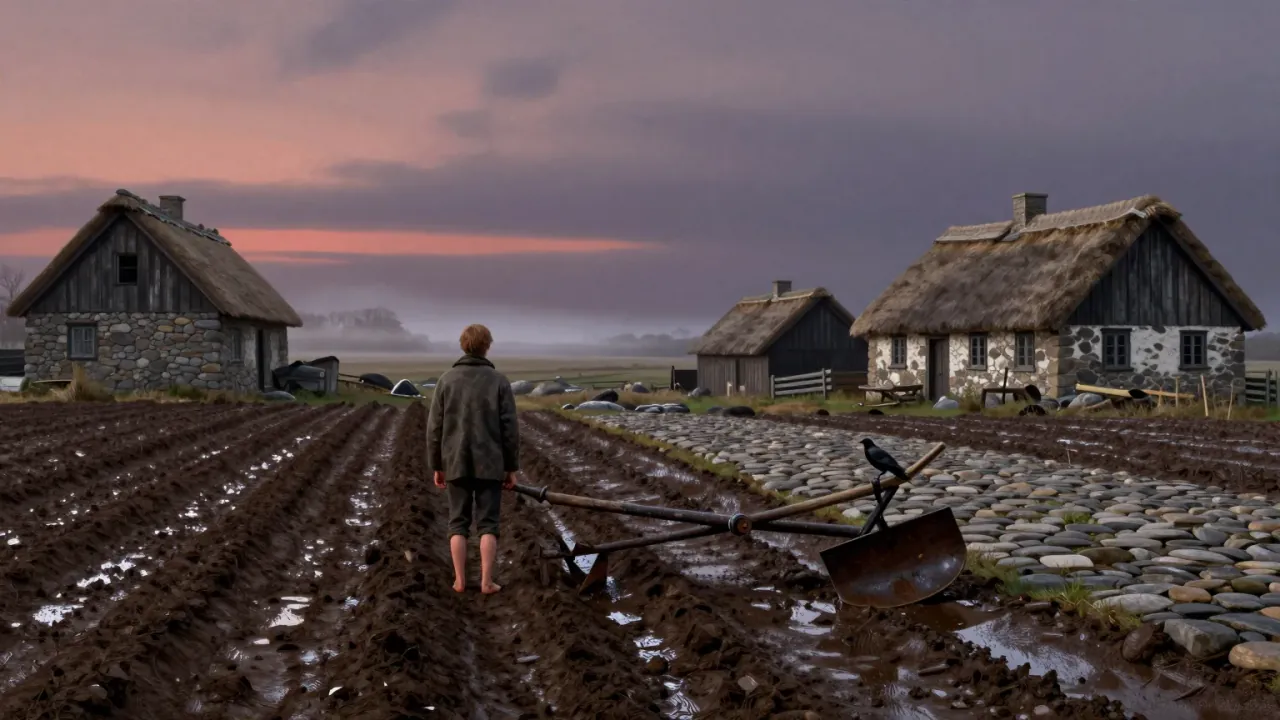
Jan Troell’s 1971 Swedish drama adapts Vilhelm Moberg’s novels about 1840s emigrants from Småland to Minnesota. Shot, written, and edited by Troell, it follows Karl Oskar and Kristina Nilsson through hardship, loss, and arduous journey, anchoring grand historical movement in physical detail: blistered hands, frozen laundry, carved names on trees. With Max von Sydow and Liv Ullmann, it avoids sentimentality, favouring duration, restraint, and environmental realism. Though occasionally pictorial, its power lies in cumulative, unsentimental fidelity to endurance.

13:00

The Magician

Ingmar Bergman · 1958

Ingmar Bergman’s 1958 The Magician follows a travelling troupe of performers led by mute magician Albert Vogler, whose claims of supernatural ability provoke suspicion in a Swedish village. Through layered deceptions, an autopsy gone awry, and a final royal summons, the film examines belief, authority, and the blurred line between fraud and revelation — all rendered in Gunnar Fischer’s muted, reflective cinematography and sustained by Max von Sydow’s physically restrained performance.

13:00

The New Land

Jan Troell · 1972

Jan Troell’s 1972 epic The New Land completes his adaptation of Vilhelm Moberg’s emigration novels, following Swedish settlers in 1850s Minnesota as they clear land, raise children, suffer loss, and confront violence — including the Dakota War of 1862. Shot concurrently with its predecessor The Emigrants, it shares the same cast, crew, and patient, tactile realism. At 204 minutes, it unfolds with deliberate slowness, trusting duration over drama. Though acclaimed for its performances and craft, its portrayal of Indigenous people remains framed entirely through settler consciousness — a limitation neither disguised nor addressed.

13:00

To Joy

Ingmar Bergman · 1950

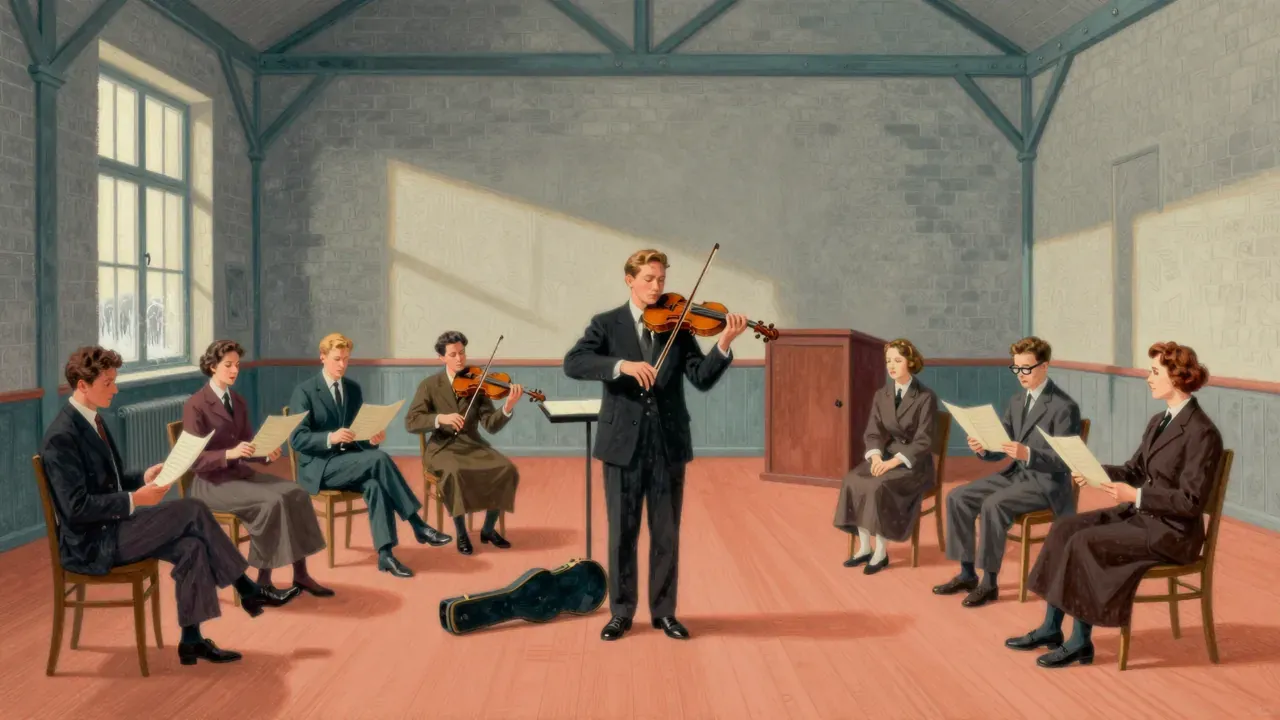
Ingmar Bergman’s 1950 drama follows violinists Stig and Marta as their marriage frays under the pressure of professional compromise, unspoken resentment, and the lure of easier affections. Shot in restrained black-and-white by Gunnar Fischer, with performances rooted in physical detail rather than declamation, it is a film of accumulations — glances, silences, repeated gestures — rather than climaxes. Its power lies in its refusal to moralise or resolve.

13:00

Torment

Alf Sjöberg · 1944

Torment (1944), written by Ingmar Bergman and directed by Alf Sjöberg, follows a Stockholm student tormented by a sadistic Latin teacher. Shot with stark realism and minimal score, it uses the school as a closed system of power, exposing how abuse thrives in bureaucratic silence. Its restrained performances and unsentimental structure make it a foundational work of Scandinavian arthouse cinema — less concerned with individual guilt than with the architecture of complicity.

13:00

Walpurgis Night

Gustaf Edgren · 1935

A 1935 Swedish drama set over one Walpurgis Night in Stockholm, Walpurgis Night observes a civil servant’s household as long-held tensions surface amid guests, family, and fading light. Directed by Gustaf Edgren and written by Oscar Rydqvist, it features early performances by Ingrid Bergman and Victor Sjöström, with restrained craft across cinematography, editing, and performance. Its strength lies in behavioural nuance and temporal precision; its weakness, occasional narrative vagueness and underdeveloped subplots.

13:00

The Phantom Carriage

Victor Sjöström · 1921

Victor Sjöström’s 1921 adaptation of Selma Lagerlöf’s Körkarlen follows a dying drunkard forced by Death’s carriage to confront the damage he has wrought — on his wife, children, friends, and community. Shot by Julius Jaenzon with pioneering double exposures, it uses silence, shadow, and nested flashbacks to build a moral architecture where consequence is spatial, time is debt, and reform is earned in real time. Not horror in the genre sense, but in its unflinching gaze.

13:00

Cries and Whispers

Ingmar Bergman · 1972

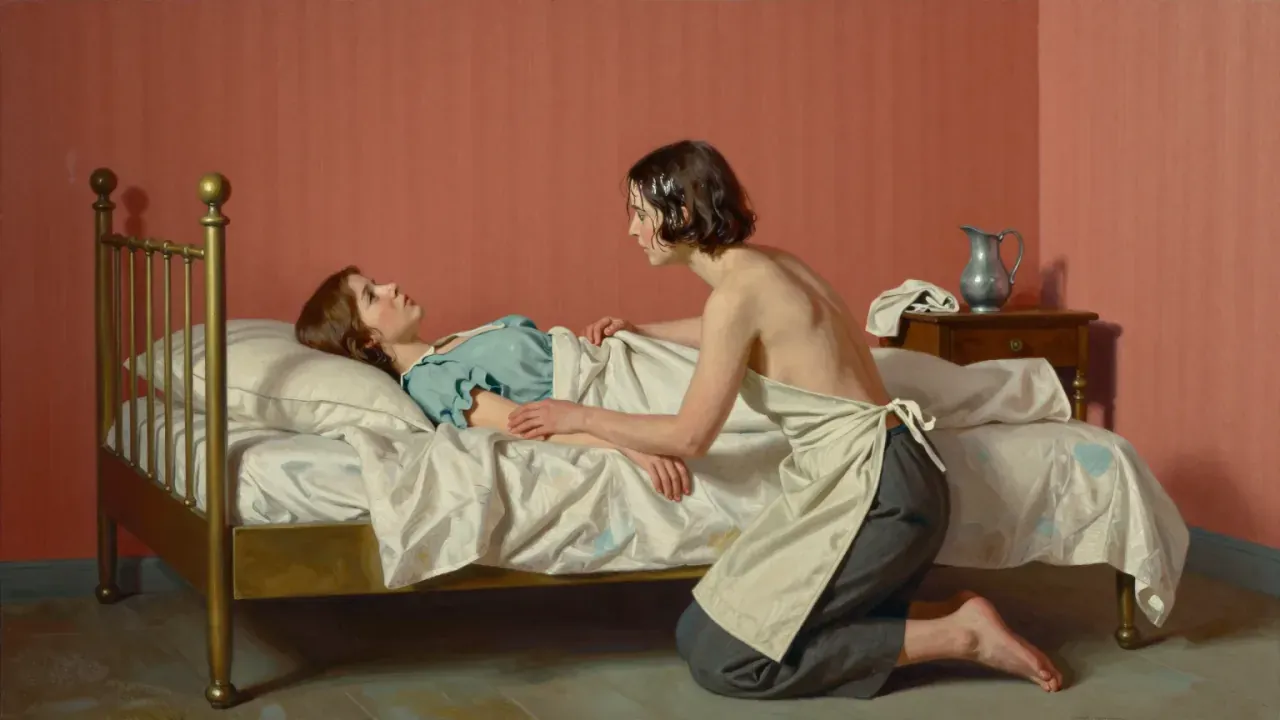
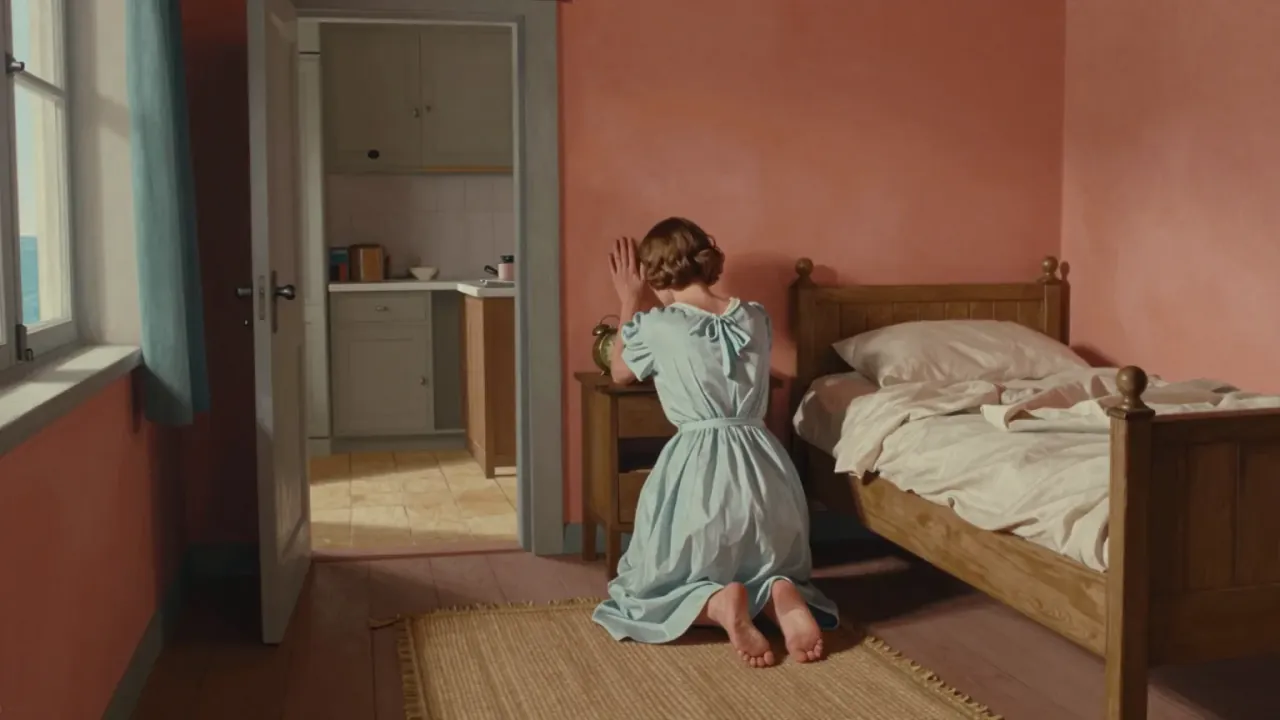
Ingmar Bergman’s 1972 Cries and Whispers is a formally rigorous Swedish drama set in a red-walled 19th-century mansion, where three sisters and a maid attend to Agnes as she dies of cancer. Shot by Sven Nykvist in saturated colour, it prioritises gesture, texture and duration over exposition or psychology, treating grief, faith and intimacy as bodily, not verbal, conditions. It won the Academy Award for Best Cinematography and remains a benchmark of arthouse restraint.

13:00

Pelle the Conqueror

Bille August · 1987

Bille August’s 1987 adaptation of Martin Andersen Nexø’s Boyhood follows an elderly Swedish migrant and his young son as they seek work on a Danish farm in the 1850s. Shot with austere precision by Jörgen Persson and anchored by Max von Sydow and debutant Pelle Hvenegaard, it renders poverty, language acquisition, and generational transition with unsentimental rigour. Winner of the Palme d’Or and the Academy Award for Best International Feature Film, it is a landmark of Scandinavian social realism—quiet, exacting, and deeply humane.

13:00

The Virgin Spring

Ingmar Bergman · 1960

Ingmar Bergman’s 1960 drama, adapted by Ulla Isaksson from a medieval Swedish ballad, follows a Christian landowner whose daughter is raped and murdered by three herdsmen. After they unknowingly seek shelter at his home, he kills them at dawn. At the site of her death, a spring emerges. Shot by Sven Nykvist in austere natural light, the film explores guilt, vengeance, and the silence of God — not as abstract ideas, but as physical, inescapable facts.

13:00

Through a Glass Darkly

Ingmar Bergman · 1961

Ingmar Bergman’s 1961 chamber drama follows a family over twenty-four hours on a remote Swedish island, centring on Karin, a young woman recently released from psychiatric care. Harriet Andersson delivers a physically precise performance as her grip on reality frays, observed by her husband (Max von Sydow), novelist father (Gunnar Björnstrand), and teenage brother (Lars Passgård). Shot by Sven Nykvist with stark naturalism and scored with Bach’s cello suites, the film explores faith, exploitation, and the asymmetry of care—though its stated philosophy feels tacked on, its emotional precision remains unmatched.

13:00

Persona

Ingmar Bergman · 1966

Ingmar Bergman's 1966 film pairs Elisabet Vogler, an actress who has gone entirely silent for reasons the film never states, with Alma, the nurse assigned to care for her at a remote coastal cottage, and lets the imbalance between one woman's silence and the other's compulsive talking gradually erode the line between them. Shot by Sven Nykvist, scored sparingly by Lars Johan Werle, and running just 84 minutes, it opens with a self-conscious montage of film equipment and unrelated images before settling into the two-hander at its centre, and it has since become one of the most closely analysed films in the medium's history.

13:00

Wild Strawberries

Ingmar Bergman · 1957

Victor Sjöström, in his last screen role, plays an elderly professor driving to collect an honorary degree while dreams and hitchhikers force him to confront the coldness he built his life on. Ingmar Bergman wrote it from a hospital bed the same year as The Seventh Seal, and it won the Golden Bear in Berlin, becoming one of the clearest statements of his recurring interest in memory, guilt, and old age.