filmbriefs
Cinematographer · 1949

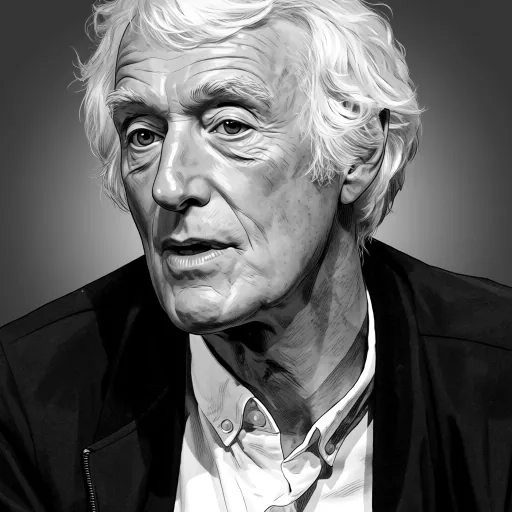
Roger Deakins

14
briefs
13:00
average
182 min
in total
On film.briefs14
13:00

Homicide

David Mamet · 1991

David Mamet’s 1991 crime drama follows a Jewish homicide detective pulled from a high-profile manhunt into the investigation of an elderly woman’s killing — a case that unravels his assumptions about identity, loyalty, and belonging. With Joe Mantegna, William H. Macy, and Ving Rhames, and shot by Roger Deakins, it trades procedural clarity for psychological precision, using police work as scaffolding for a stark, unsentimental study of assimilation, moral drift, and the cost of choosing between competing claims on the self.
13:00

Nineteen Eighty-Four

Michael Radford · 1984

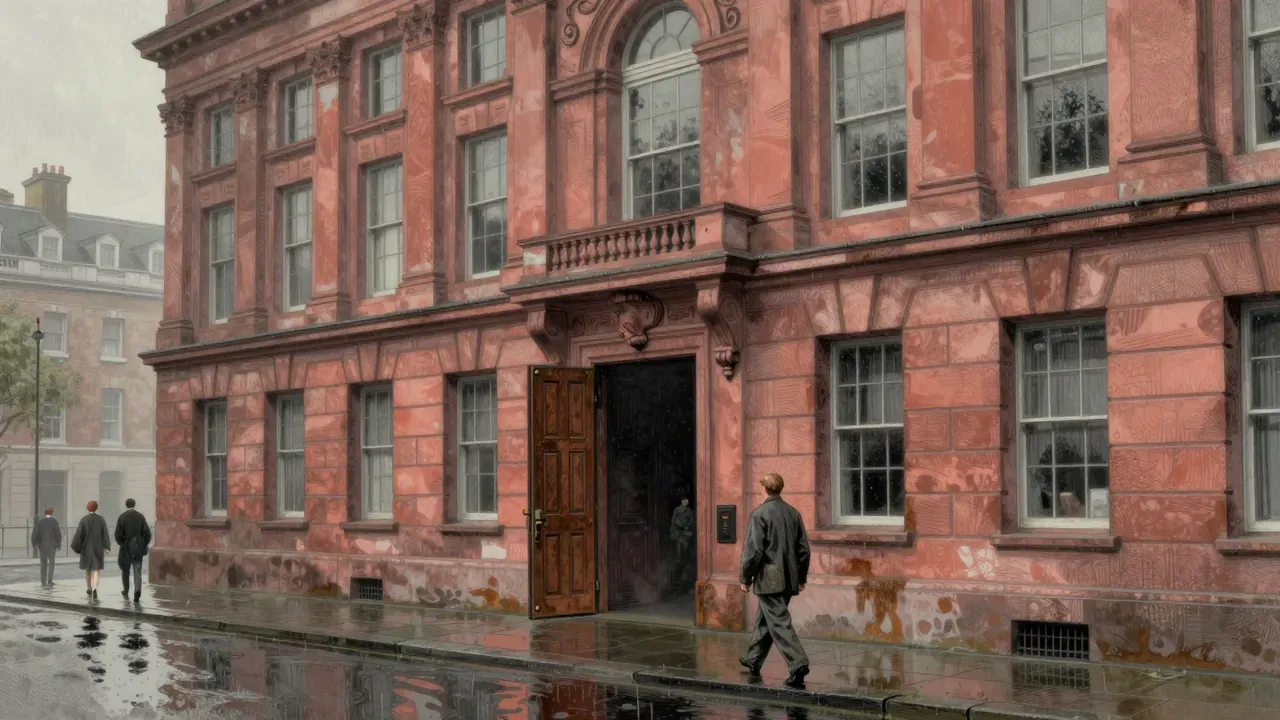
Michael Radford’s 1984 is a literal, location-precise rendering of Orwell’s novel, filmed in London and Wiltshire during April–June 1984. With John Hurt as Winston Smith and Richard Burton’s final performance as O’Brien, it uses bleach bypass cinematography to create a desaturated, airless world. The film prioritises textual fidelity over interpretation, building dread through accumulation rather than spectacle. Though criticised for emotional reserve and ideological flatness, it remains a benchmark of disciplined adaptation.

13:00

Sid and Nancy

Alex Cox · 1986

A 1986 British biographical drama directed by Alex Cox, Sid and Nancy traces the final years of Sex Pistols bassist Sid Vicious and his girlfriend Nancy Spungen. Starring Gary Oldman and Chloe Webb, it depicts their descent into heroin addiction across London and New York, filmed by Roger Deakins in a tightly framed, high-contrast style. Though critically praised and now cult-acclaimed, it failed to recoup its $4 million budget. The film avoids myth-making, opting instead for visceral, unvarnished observation of mutual erosion — with no redemption, explanation, or narrative distance.

13:00

Barton Fink

Joel Coen, Ethan Coen · 1991

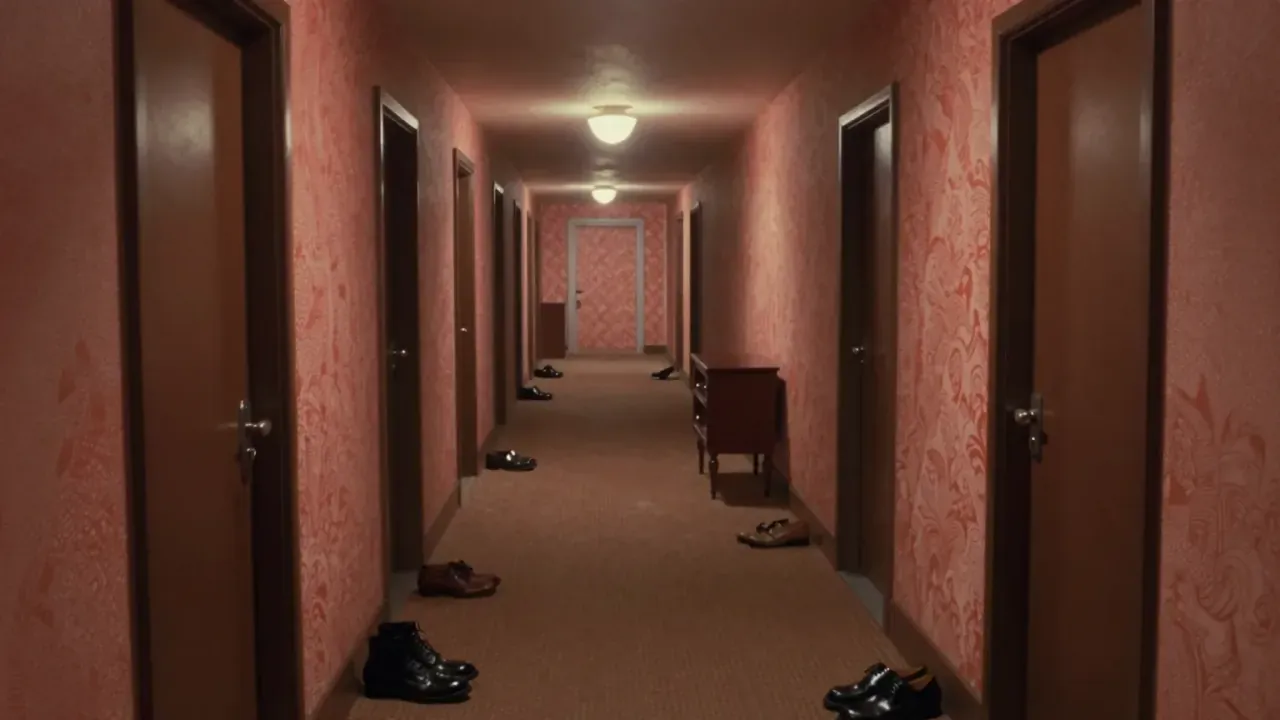
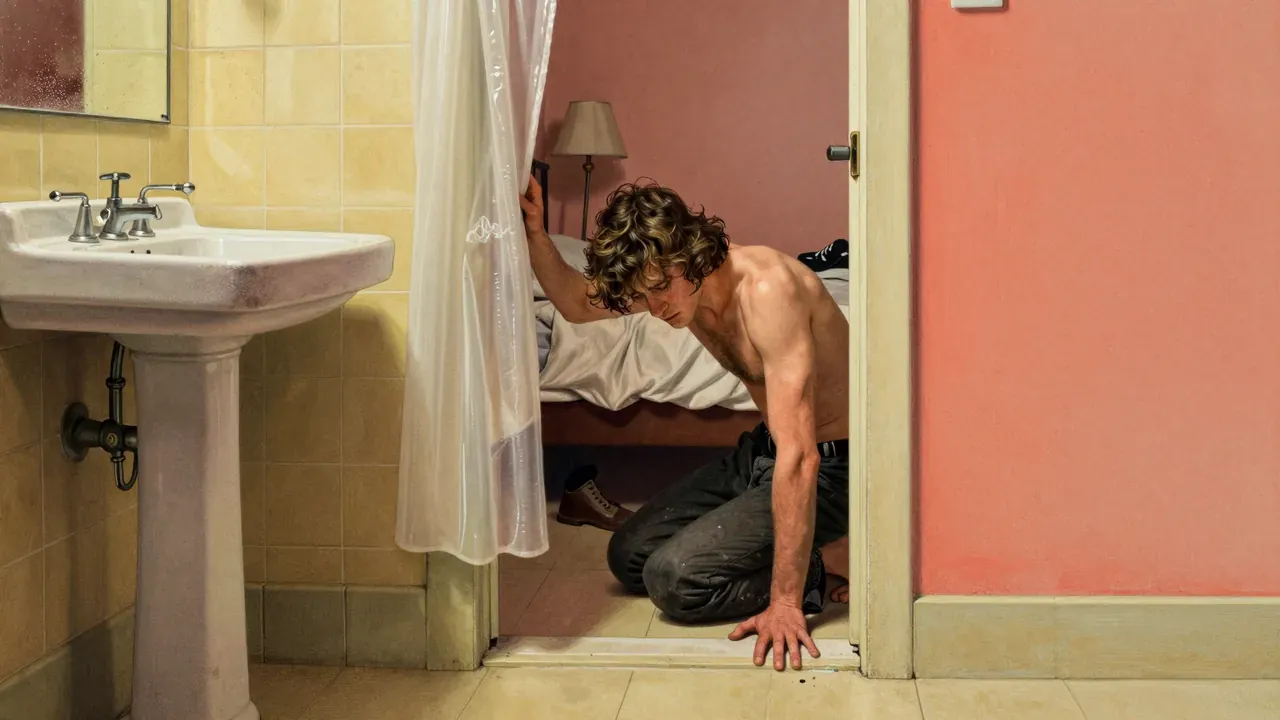
Barton Fink (1991) is a neo-noir arthouse thriller set in 1941, following a New York playwright’s unsettling stay at the decaying Hotel Earle while writing for a Hollywood studio. Directed by Joel and Ethan Coen, it stars John Turturro and John Goodman, with cinematography by Roger Deakins and music by Carter Burwell. Its power lies in sustained atmosphere, recursive imagery, and psychological compression — less a narrative than a meticulously constructed state of mind.

13:00

O Brother, Where Art Thou?

Joel Coen, Ethan Coen · 2000

O Brother, Where Art Thou? (2000) transplants the Odyssey’s structure to Depression-era Mississippi, following three escaped convicts on a rambling quest. Directed by Joel and Ethan Coen, it features George Clooney, John Turturro, and Tim Blake Nelson, with cinematography by Roger Deakins and music curated by T Bone Burnett. Its sepia-toned digital look was pioneering; its soundtrack, rooted in period folk and gospel, won a Grammy. Though loosely plotted and deliberately arch, the film sustains a unified tone — dry, musical, mythic — that rewards attentive viewing.

13:00

Fargo

Joel Coen, Ethan Coen · 1996

Fargo (1996) is a black comedy crime film written and directed by Joel and Ethan Coen. Set in Minnesota during a harsh winter, it follows a bungled kidnapping scheme orchestrated by car salesman Jerry Lundegaard, and the subsequent investigation led by pregnant police chief Marge Gunderson. Shot by Roger Deakins and scored by Carter Burwell, the film balances deadpan humour with sudden violence, sustained by precise dialogue, regional dialect coaching and an unblinking visual style. Though framed as 'based on a true story', it is entirely fictional — a fable about incompetence, complicity and quiet integrity.

13:00

Hail, Caesar!

Ethan Coen, Joel Coen · 2016

Hail, Caesar! (2016) is a Coen brothers comedy set in 1951 Hollywood, following studio fixer Eddie Mannix (Josh Brolin) as he manages crises across five concurrent film productions. Shot on film by Roger Deakins and costumed with meticulous period detail, it treats the studio system as a functioning bureaucracy — not a golden age to mourn, but a machine to map. Its strength lies in structural fidelity, not character depth.

13:00

The Big Lebowski

Joel Coen, Ethan Coen · 1998

The Big Lebowski (1998) follows Jeffrey 'The Dude' Lebowski, a laid-back Los Angeles slacker drawn into a convoluted kidnapping plot after being mistaken for a millionaire with the same name. Directed by Joel and Ethan Coen, it leans into Raymond Chandler’s episodic structure while discarding his moral urgency. With Jeff Bridges, John Goodman, Julianne Moore, Steve Buscemi and John Turturro, and cinematography by Roger Deakins, it builds its world through precise dialogue, physical performance and sun-bleached Los Angeles atmospherics — less a crime story than a study in inertia, ritual and linguistic idiosyncrasy.

13:00

The Man Who Wasn't There

Joel Coen · 2001

Set in 1949 California, The Man Who Wasn’t There follows barber Ed Crane as he stumbles into crime, not from greed or passion, but from a quiet, accumulating sense of irrelevance. Shot in black-and-white by Roger Deakins and narrated with detached precision by Billy Bob Thornton, the film reworks noir conventions into an existential parable about postwar uncertainty, determinism, and the illusion of control. Its themes — drawn from Camus, Heisenberg, and James M. Cain — land through restraint, not exposition.

13:00

Blade Runner 2049

Denis Villeneuve · 2017

Thirty-five years after Ridley Scott's original, Denis Villeneuve's sequel sends replicant blade runner K into a discovery that threatens the order between humans and the synthetics who serve them, with Harrison Ford's Deckard drawn back into the search. Visually enormous and emotionally patient, it won over critics but not, relative to its cost, box offices.

13:00

How to Train Your Dragon

Dean DeBlois, Chris Sanders · 2010

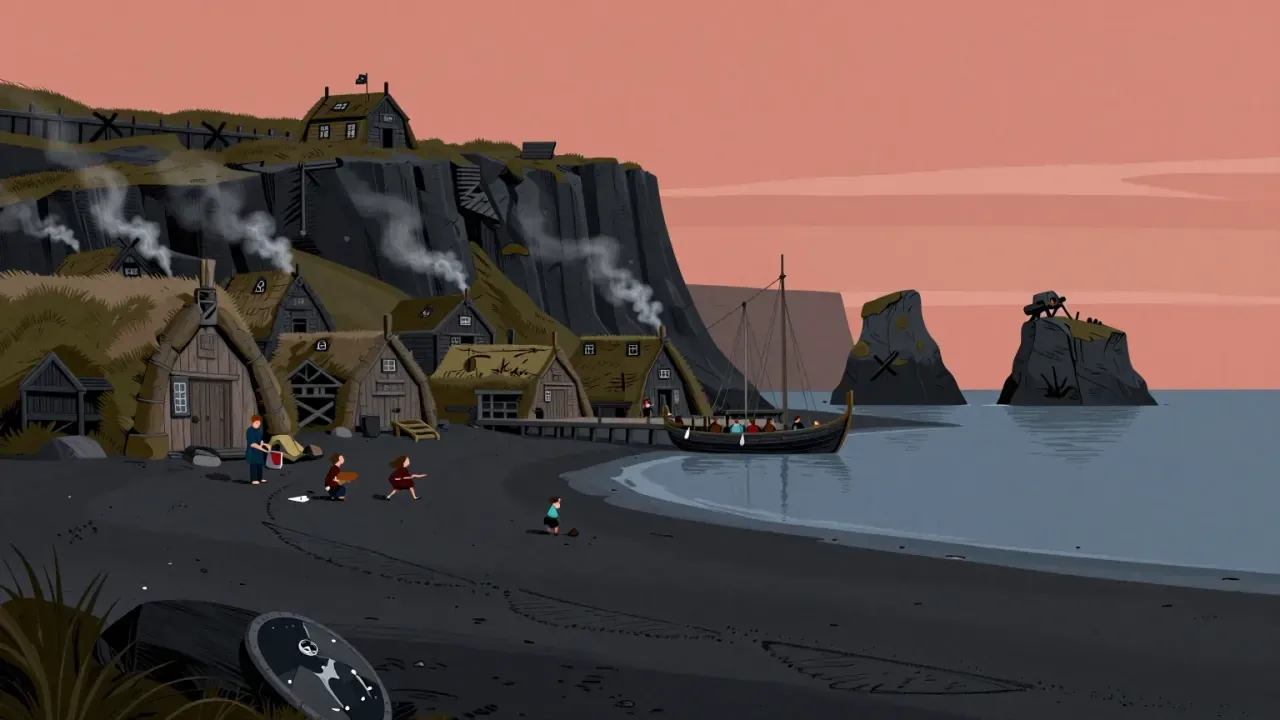
An undersized Viking teenager befriends the rare dragon he was supposed to kill, and in doing so undoes his village's entire way of understanding its enemy. Dean DeBlois and Chris Sanders's 2010 film pairs a straightforward friendship story with unusually grounded visual craft.

13:00

No Country for Old Men

Ethan Coen, Joel Coen · 2007

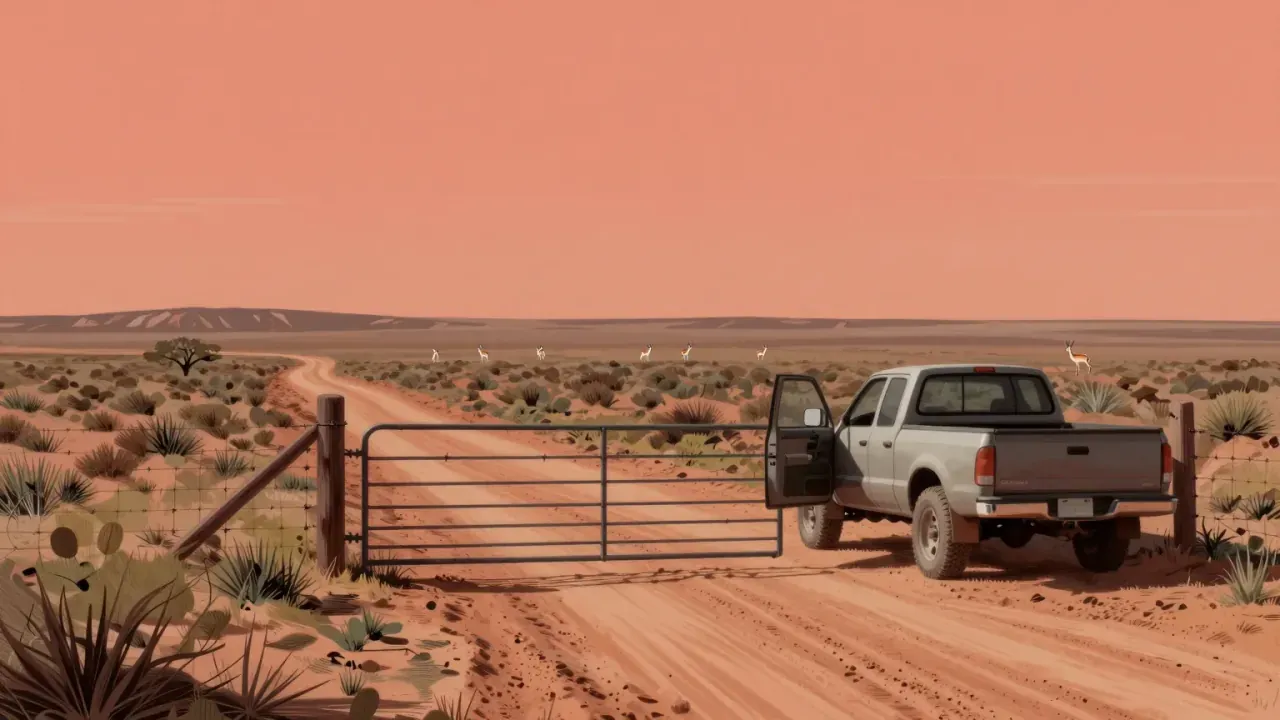
No Country for Old Men follows a welder who finds two million dollars at a drug deal gone wrong, the hitman sent to retrieve it, and the ageing sheriff trailing both of them across 1980 West Texas. Joel and Ethan Coen adapt Cormac McCarthy's novel with unusual fidelity, keeping dialogue sparse and letting Roger Deakins's landscapes and Javier Bardem's performance as Anton Chigurh carry a story that deliberately withholds the confrontation genre habit expects.

13:00

Rango

Gore Verbinski · 2011

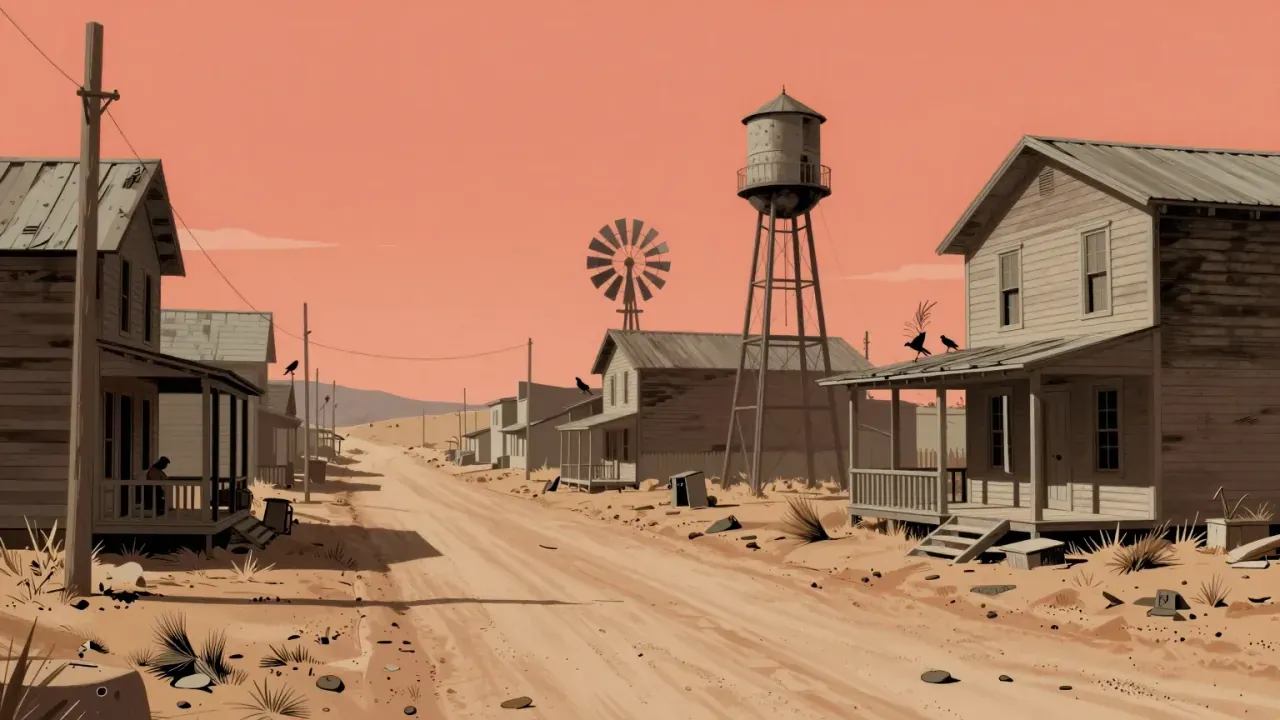
A pet chameleon stranded in the desert invents a tough-guy persona to survive a lawless town, and the fiction becomes real enough to matter. Gore Verbinski's 2011 animated Western leans on genre homage and an unusually cinematic visual approach for an animated film.

13:00

The Shawshank Redemption

Frank Darabont · 1994

Frank Darabont's 1994 adaptation of Stephen King's novella follows banker Andy Dufresne through nearly two decades in a corrupt Maine prison, and his friendship with fellow inmate Red. A commercial disappointment on release, it became one of the most rewatched and highly rated American films through home video, television and word of mouth.