filmbriefs
Director · Screenwriter · Actor · 1922–1975

Pier Paolo Pasolini

16
briefs
13:00
average
208 min
in total
On film.briefs16
13:00

Accattone

Pier Paolo Pasolini · 1961

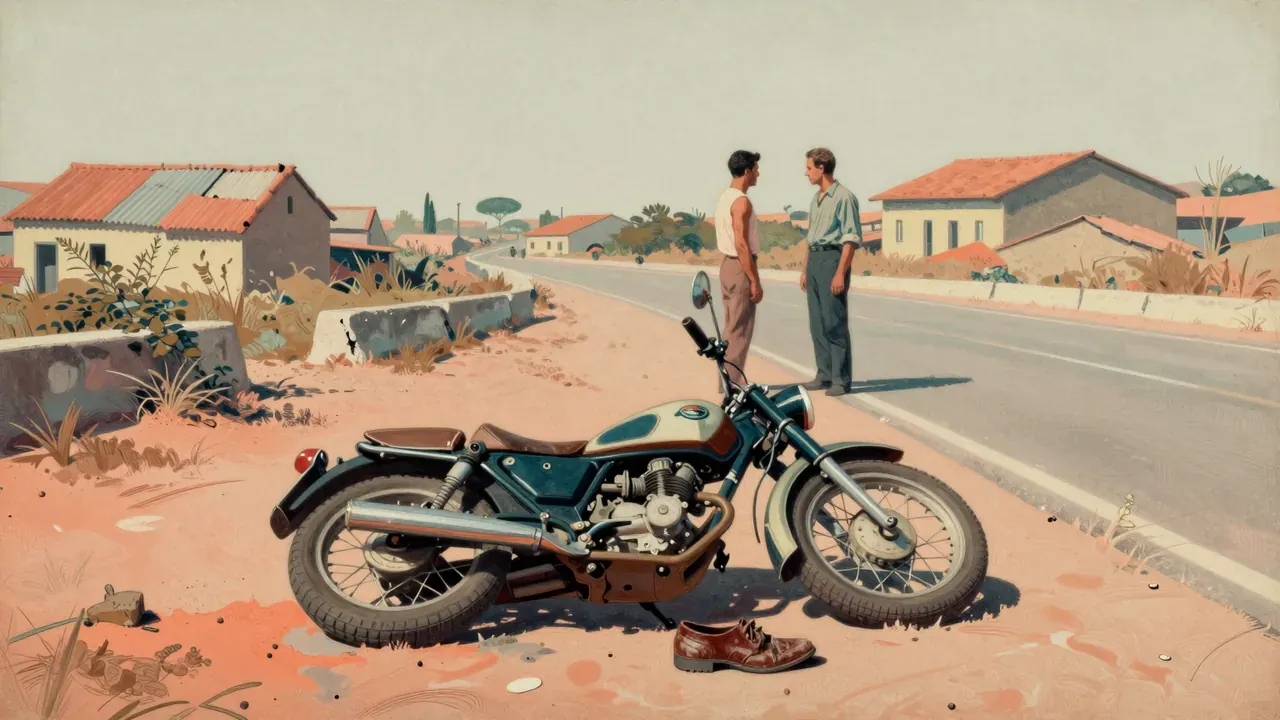
Pasolini’s 1961 debut follows Accattone, a Roman pimp adrift in the borgate, as he slides from exploitation to theft to death. Shot in stark black-and-white with non-professional actors and scored to Bach, it treats poverty not as condition to be solved but as reality to be held in view — unflinching, unexplained, and utterly devoid of sentiment.
13:00

Arabian Nights

Pier Paolo Pasolini · 1974

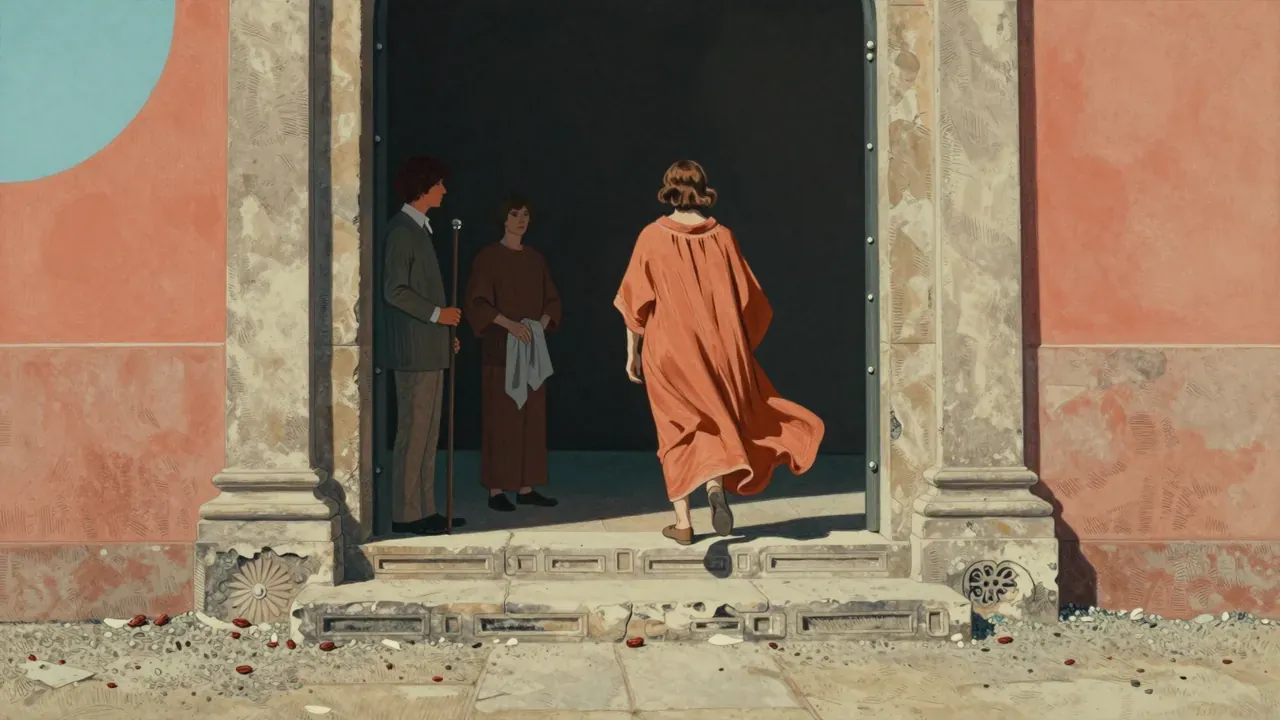
Pier Paolo Pasolini’s 1974 Arabian Nights is the final film of his ‘Trilogy of Life’, adapting fragments from the One Thousand and One Nights across real locations in Yemen, Iran, Ethiopia and Nepal. It abandons the frame narrative to focus on bodily pleasure, poetic recitation and episodic storytelling, using non-professional actors, long takes and Ennio Morricone’s sparse score. Though formally daring and visually rich, its resistance to psychology and narrative cohesion divides viewers. It won the Cannes Grand Prix in 1974.

13:00

La commare secca

Bernardo Bertolucci · 1962

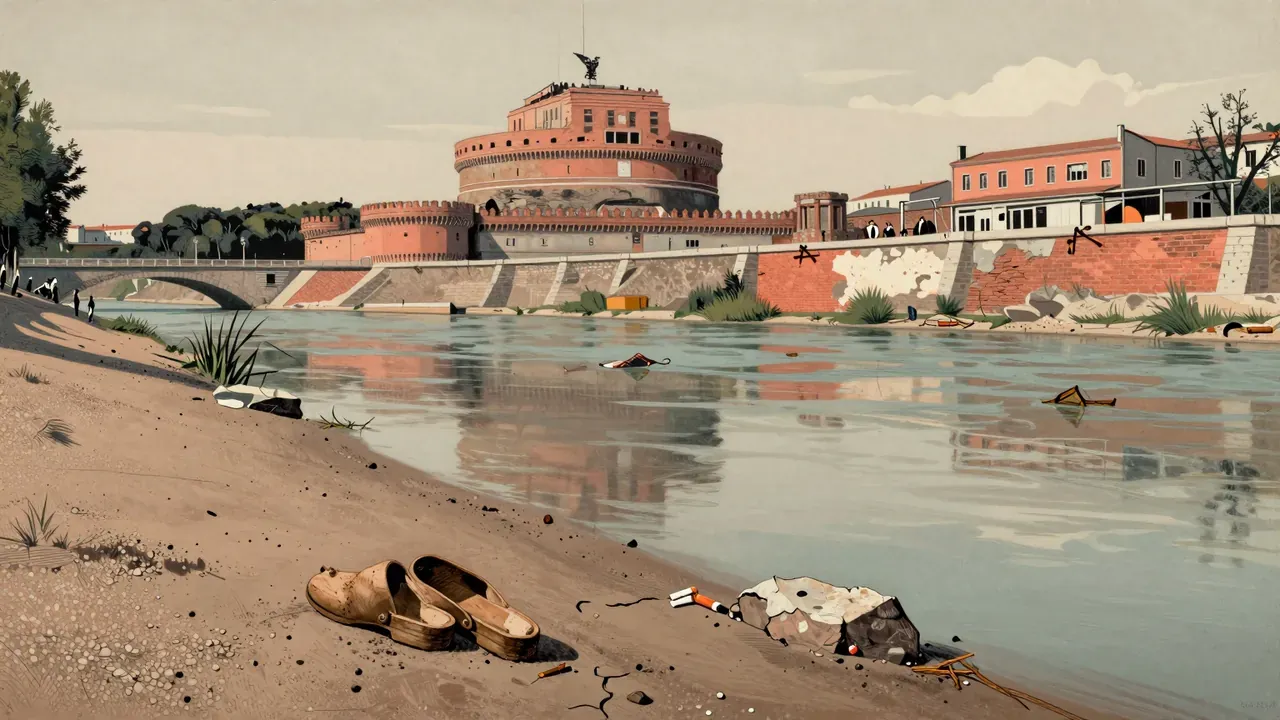
La commare secca (1962) is Bernardo Bertolucci’s first feature, a formally rigorous Italian drama based on a Pier Paolo Pasolini story. Structured around seven contradictory police testimonies concerning the murder of a Rome prostitute, it uses repetition, weather and setting—not psychology or suspense—to expose class, gender and aspiration in post-war marginality. Shot by Giovanni Narzisi, edited by Nino Baragli and scored by Piero Piccioni, it is a debut marked by discipline, austerity and social observation.

13:00

Love Meetings

Pier Paolo Pasolini, Vincenzo Cerami · 1964

A 1964 Italian documentary in which Pier Paolo Pasolini interviews citizens across the country on virginity, prostitution, homosexuality and sex education. Shot in black and white by Tonino Delli Colli and edited by Nino Baragli, it presents unvarnished, often contradictory testimony without commentary or resolution — treating speech itself as historical evidence.

13:00

Mamma Roma

Pier Paolo Pasolini · 1962

Pier Paolo Pasolini’s 1962 drama follows Anna Magnani as a former sex worker striving to secure a respectable future for her teenage son in Rome. When her past resurfaces, their fragile new life unravels. Shot on location near the Appian Way with non-professional actors and a stark, frontal visual style, the film merges neorealist texture with baroque moral gravity. Its power lies in its refusal of catharsis or explanation — grief, shame, and social immobility settle like dust, unshaken.

13:00

Medea

Pier Paolo Pasolini · 1969

Pier Paolo Pasolini’s 1969 Medea stars Maria Callas in her sole film role, adapting Euripides’ play as an anthropological re-enactment rather than a psychological drama. Shot across Turkey, Syria, and Italy, it uses distinct colour schemes, non-Western music, and ritual pacing to embody three civilisations — Colchis, Iolcus, and Corinth — as competing cosmologies. Callas’s Medea is a force of nature, her infanticide a final assertion of sovereignty over meaning in a world that has abandoned her epistemology.

13:00

Oedipus Rex

Pier Paolo Pasolini · 1967

Pier Paolo Pasolini’s 1967 Oedipus Rex reframes Sophocles’ tragedy as a Freudian myth-cycle, bookended by a 1920s Italian prologue and epilogue and centred on a stylised Moroccan-Greek middle. Starring Franco Citti and scored with Romanian folk music, Japanese gagaku, and Mozart, it rejects psychological realism for ceremonial repetition — using costume, sound, and landscape as structural grammar rather than decorative detail.

13:00

Pigsty

Pier Paolo Pasolini, Sergio Citti · 1969

Pigsty is a 1969 dual-narrative allegory co-directed by Pier Paolo Pasolini and Sergio Citti. One strand follows a mute, cannibalistic youth on Mount Etna around 1500; the other traces Julian, a listless German industrialist’s son who retreats into a pigsty in 1967. Shot in Italy and Germany with stark cinematography and near-silent editing, the film draws a structural parallel between premodern violence and postwar consumer fascism — not through argument, but through relentless, unrelieved juxtaposition.

13:00

Salò, or the 120 Days of Sodom

Pier Paolo Pasolini · 1975

Pasolini’s final film transposes de Sade’s novel to Mussolini’s puppet republic in 1944, depicting four fascist libertines who subject eighteen teenagers to escalating physical, sexual and psychological violation over four months. Structured like Dante’s Inferno and shot with forensic restraint by Tonino Delli Colli, it treats cruelty as bureaucracy and the body as commodity. Its themes — power, nihilism, fascism, consumerism — are rendered without ornament or release. Controversial on release and banned in several countries, it remains a demanding, unflinching inquiry into authority unmoored from consequence.

13:00

Teorema

Pier Paolo Pasolini · 1968

Pier Paolo Pasolini’s 1968 Teorema is a rigorously structured allegory in which a mysterious visitor disrupts an upper-class Milanese family, triggering identical psychological ruptures in each member. Shot by Giuseppe Ruzzolini and scored by Ennio Morricone, it proceeds like a mathematical theorem — with premises, operations, and irreversible conclusions — rather than a conventional drama. Its power lies in formal discipline, not emotional appeal.

13:00

The Canterbury Tales

Pier Paolo Pasolini · 1972

Pier Paolo Pasolini’s 1972 film adapts eight of Chaucer’s tales as a vibrant, painterly, and deliberately anachronistic re-creation of medieval England. Shot in England with English dialogue later dubbed into Italian, it features a mix of British actors and non-professionals, and draws visual inspiration from Bosch, Bruegel, and Antonello da Messina. The film foregrounds bodily experience, class conflict, and clerical hypocrisy, rejecting literary fidelity in favour of ideological and sensual immediacy.

13:00

The Decameron

Pier Paolo Pasolini · 1971

Pier Paolo Pasolini’s 1971 film adapts Boccaccio’s Decameron into a dialect-rich, episodic satire shot across southern Italy and France. Rejecting historical fidelity, it transplants medieval tales to Naples and Caserta to critique regional inequality, clerical hypocrisy, and the commodification of desire. Tonino Delli Colli’s naturalistic cinematography, Ennio Morricone’s curated folk-and-liturgical score, and performances rooted in physical truth anchor its polemical energy. Though structurally loose and tonally relentless, it remains a rigorous, unsentimental assertion of vernacular culture as resistance.

13:00

The Gospel According to St. Matthew

Pier Paolo Pasolini · 1964

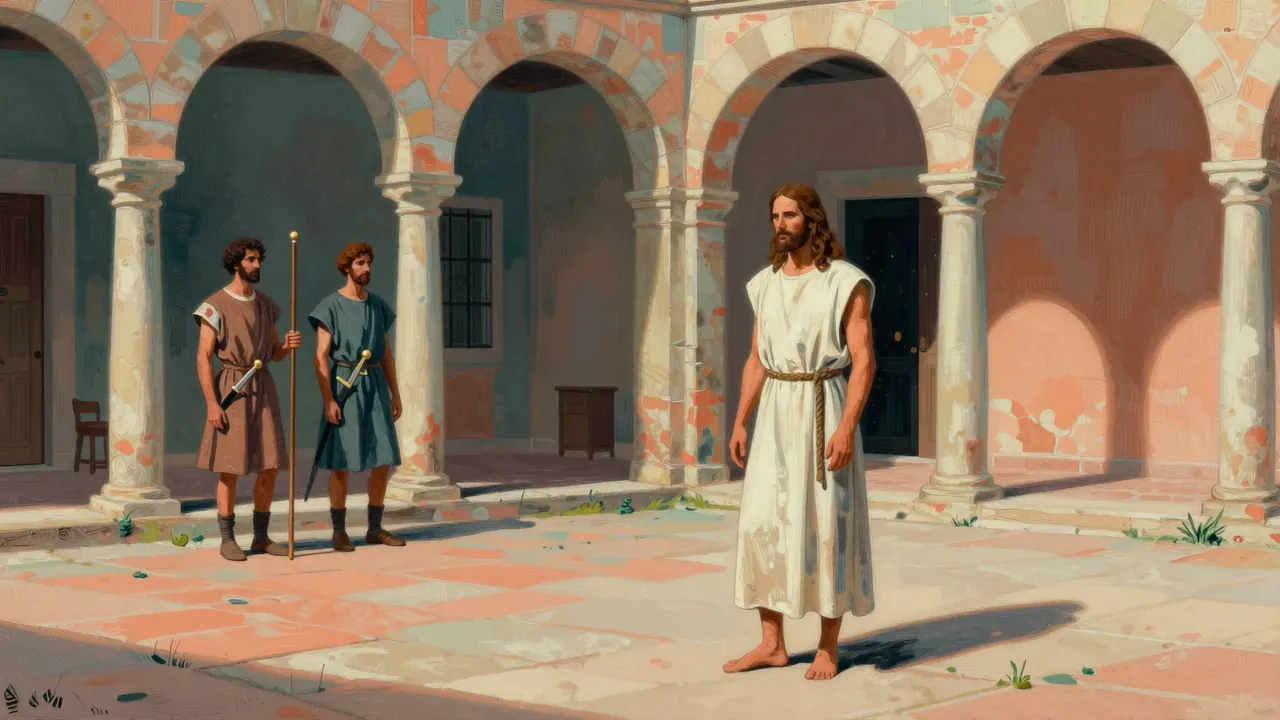
Pier Paolo Pasolini’s 1964 film adapts the Gospel of Matthew with near-verbatim fidelity, shot in southern Italy with non-professional actors and stark black-and-white cinematography. Rejecting psychological realism, it treats scripture as sacred text first and cinematic material second — a deliberate act of remythologisation that absorbs two millennia of Christian storytelling into image and gesture. Tonino Delli Colli’s photography, Luis Bacalov’s choral-folk score and Nino Baragli’s restrained editing reinforce its liturgical gravity. Though awarded the Venice Grand Jury Prize and hailed by L’Osservatore Romano as the best Christ film ever made, it remains demanding: slow, silent, unexplained, and resolutely uninterested in making faith easy.

13:00

The Hawks and the Sparrows

Pier Paolo Pasolini · 1966

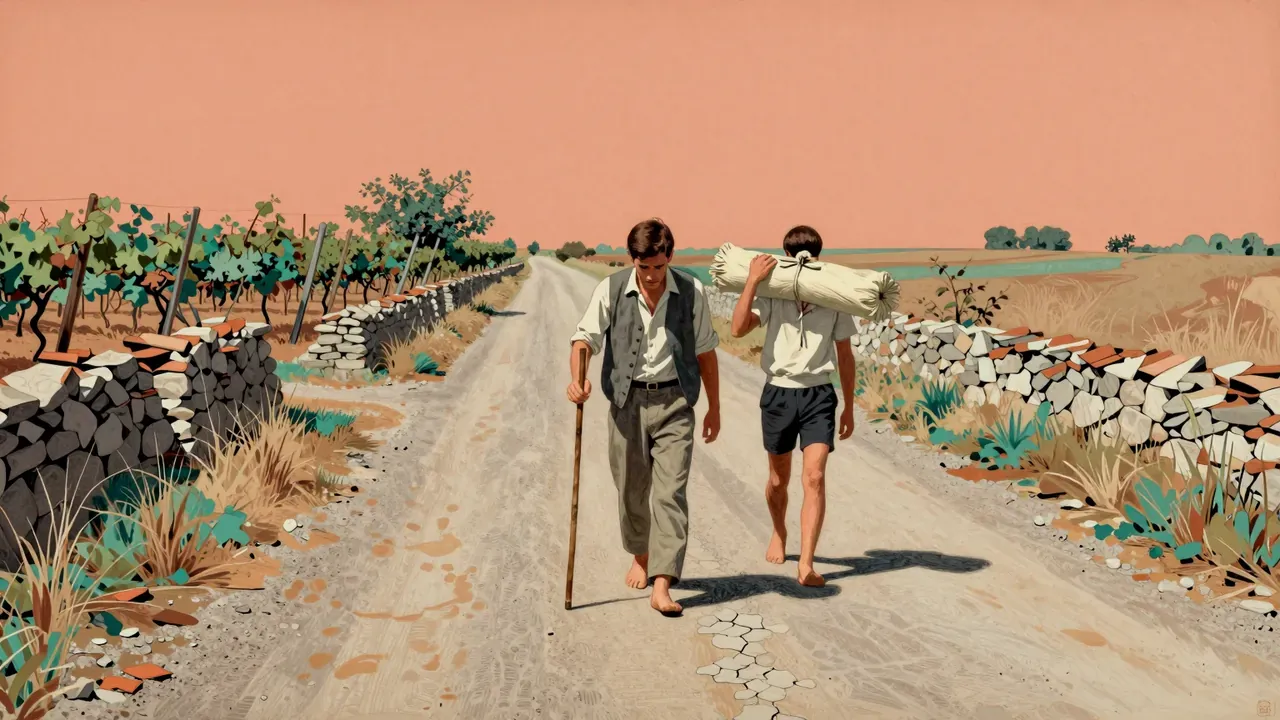
Pier Paolo Pasolini’s 1966 film follows Totò and Ninetto Davoli on a rambling journey through rural and suburban Italy, punctuated by encounters with a talking crow, impoverished families, landowners, mourners and performers. Framed by a Franciscan parable about hawks and sparrows, the film tests whether love or reason can overcome structural inequality — and concludes it cannot. Shot on location with non-professionals and icons alike, it is rigorous, unsentimental and deliberately unresolved.

13:00

Nights of Cabiria

Federico Fellini · 1957

Federico Fellini’s 1957 drama follows Cabiria, a Roman sex worker, through a series of encounters that test but never extinguish her capacity for hope. Giulietta Masina’s performance anchors a film that favours duration over plot, quiet observation over exposition, and emotional fidelity over resolution. Shot on location across Rome and its outskirts, with cinematography by Aldo Tonti and Otello Martelli and music by Nino Rota, it won the 1958 Academy Award for Best International Feature Film.

13:00

La Dolce Vita

Federico Fellini · 1960

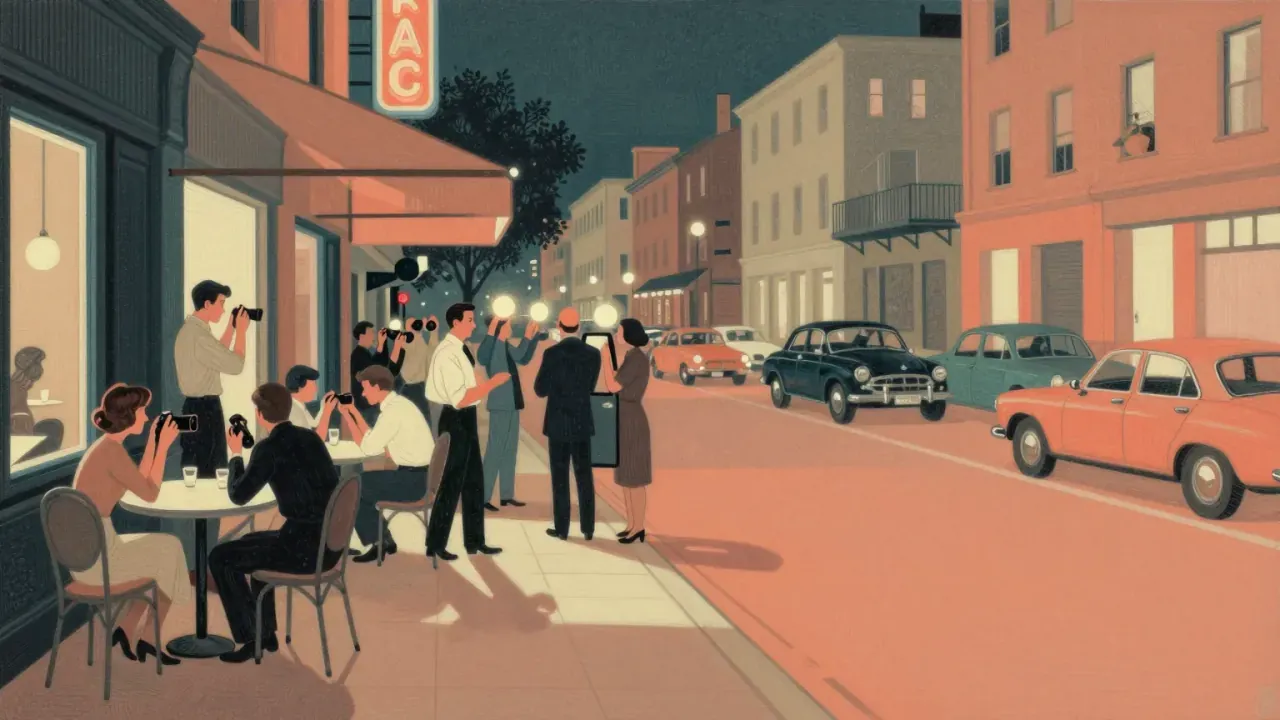
Federico Fellini's 1960 portrait of a tabloid journalist drifting through Rome's high society over a week of nights gave the world the word paparazzi and became both a critical landmark and a box-office hit despite censors in several countries. Marcello Mastroianni anchors an episodic structure built around parties, a starlet's arrival, and a friend's unexplained despair, shot largely at Cinecittà on Piero Gherardi's elaborate sets.