filmbriefs
Actor

Max von Sydow

8
briefs
13:00
average
104 min
in total
On film.briefs8
13:00

Europa

Lars von Trier · 1991

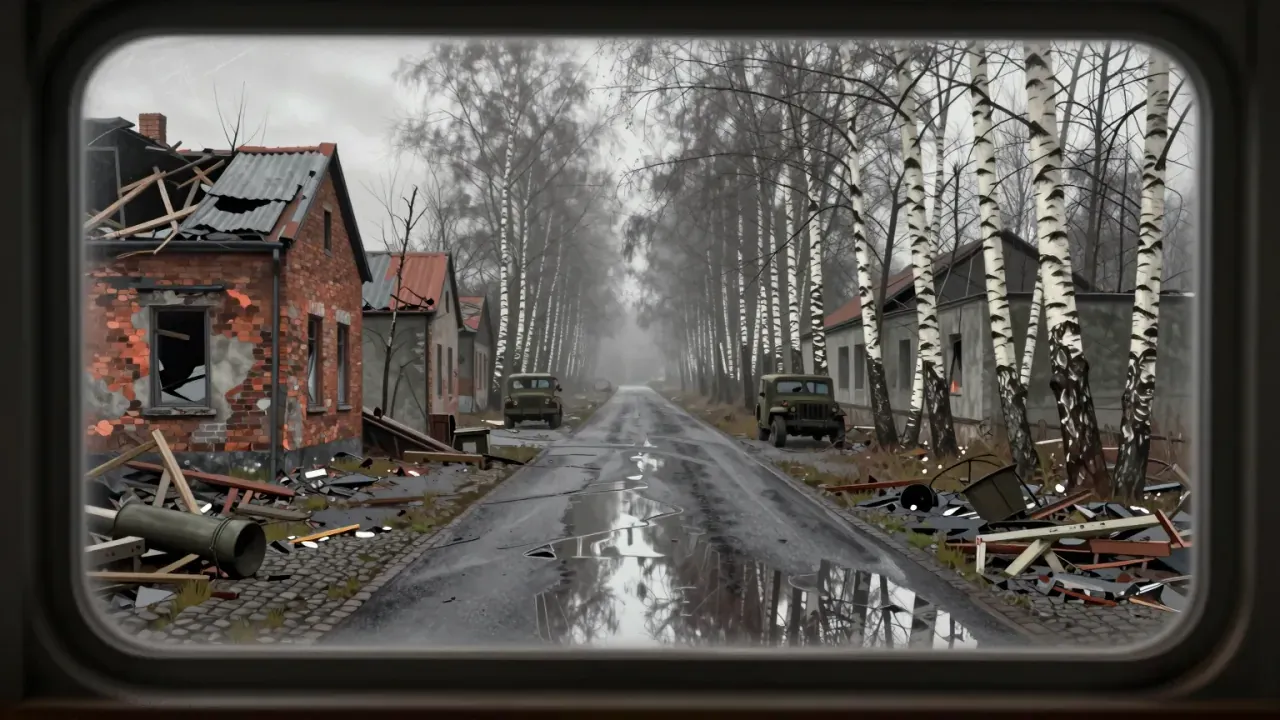
Lars von Trier’s 1991 arthouse drama Europa uses stark black-and-white cinematography, surreal superimpositions, and second-person narration to tell the story of an American railway conductor drawn into the moral quicksand of occupied Germany. Set against a fictional railway network named Zentropa, the film explores complicity, betrayal, and the impossibility of neutrality in a compromised world. Its formal rigour is uncompromising; its emotional register, deliberately austere.

13:00

Pelle the Conqueror

Bille August · 1987

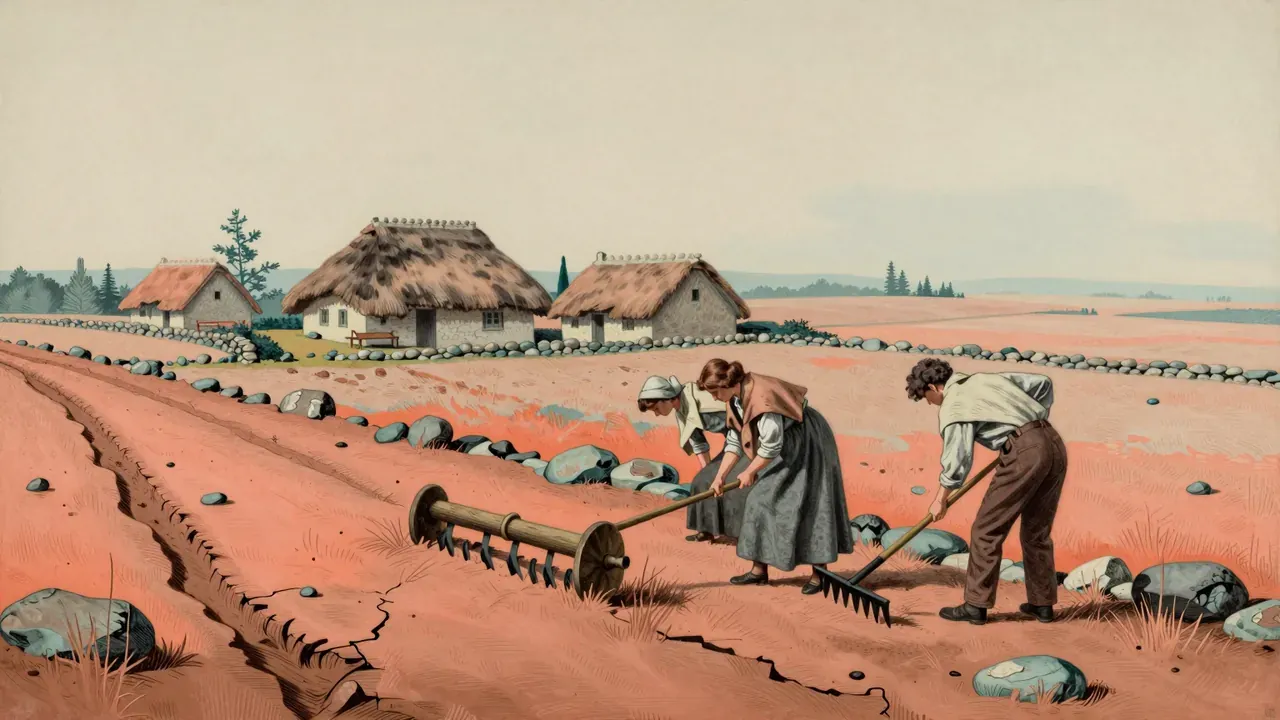
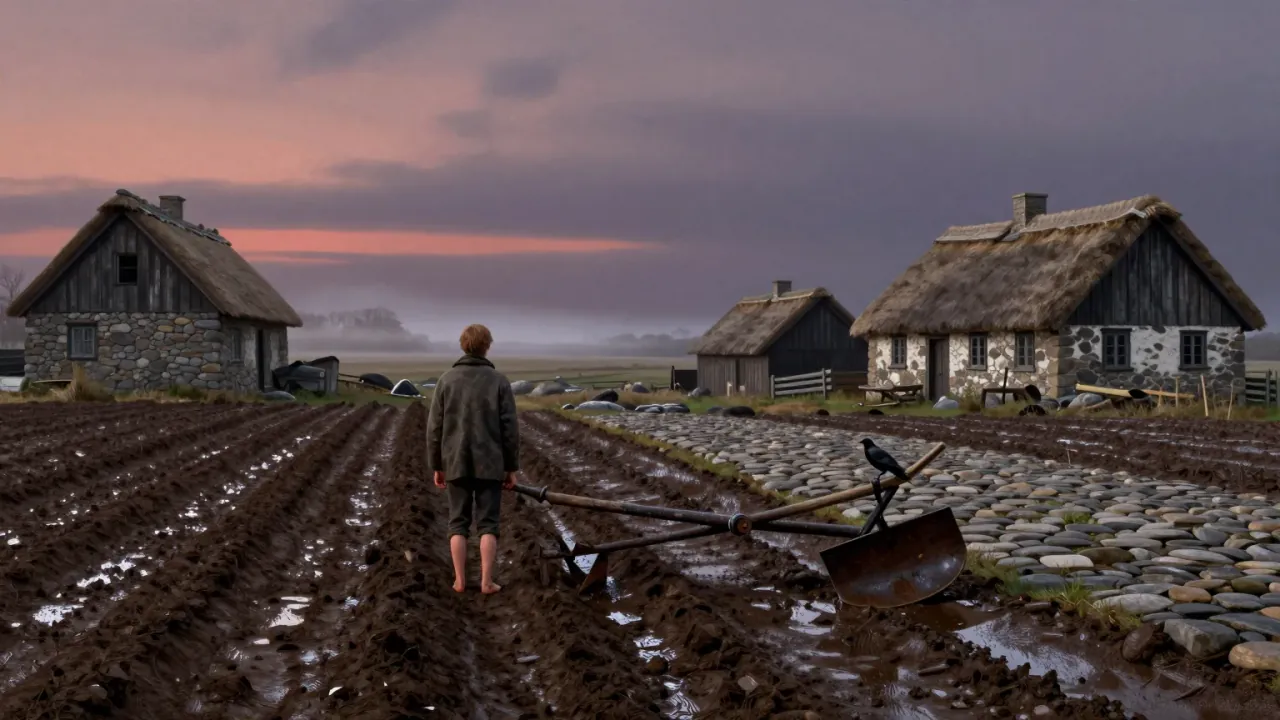
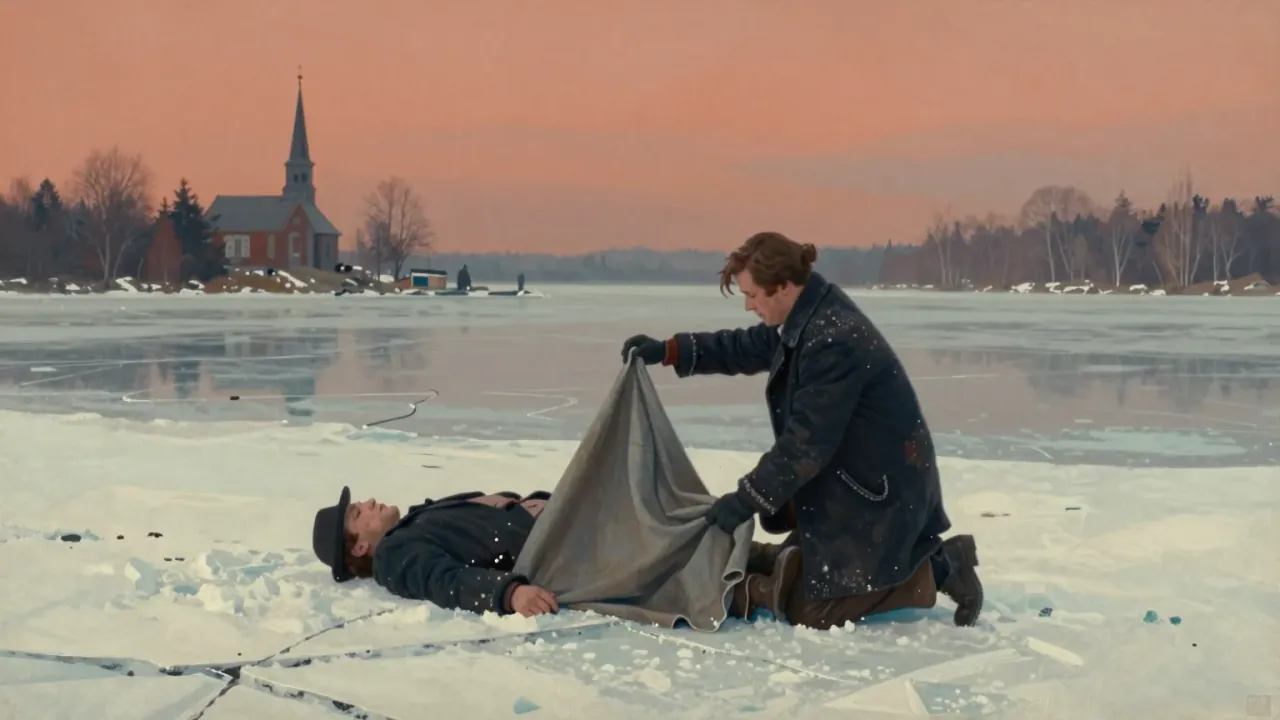
Bille August’s 1987 adaptation of Martin Andersen Nexø’s Boyhood follows an elderly Swedish migrant and his young son as they seek work on a Danish farm in the 1850s. Shot with austere precision by Jörgen Persson and anchored by Max von Sydow and debutant Pelle Hvenegaard, it renders poverty, language acquisition, and generational transition with unsentimental rigour. Winner of the Palme d’Or and the Academy Award for Best International Feature Film, it is a landmark of Scandinavian social realism—quiet, exacting, and deeply humane.

13:00

The Virgin Spring

Ingmar Bergman · 1960

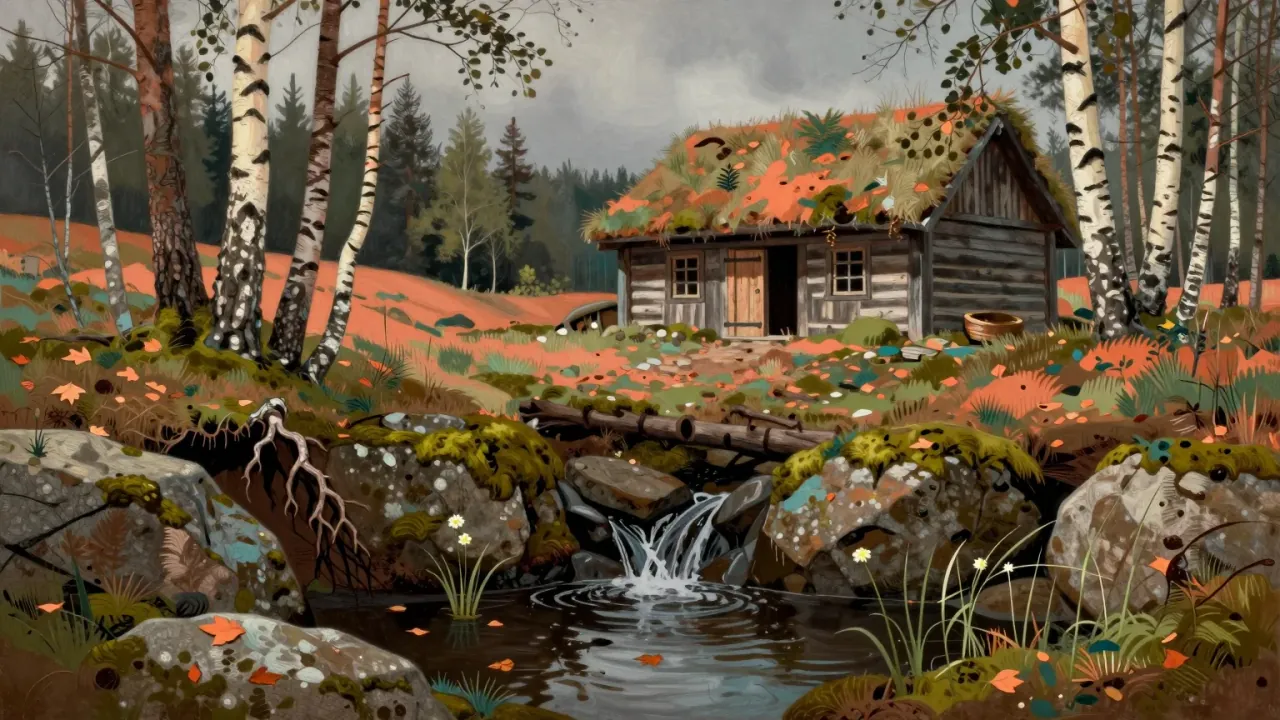
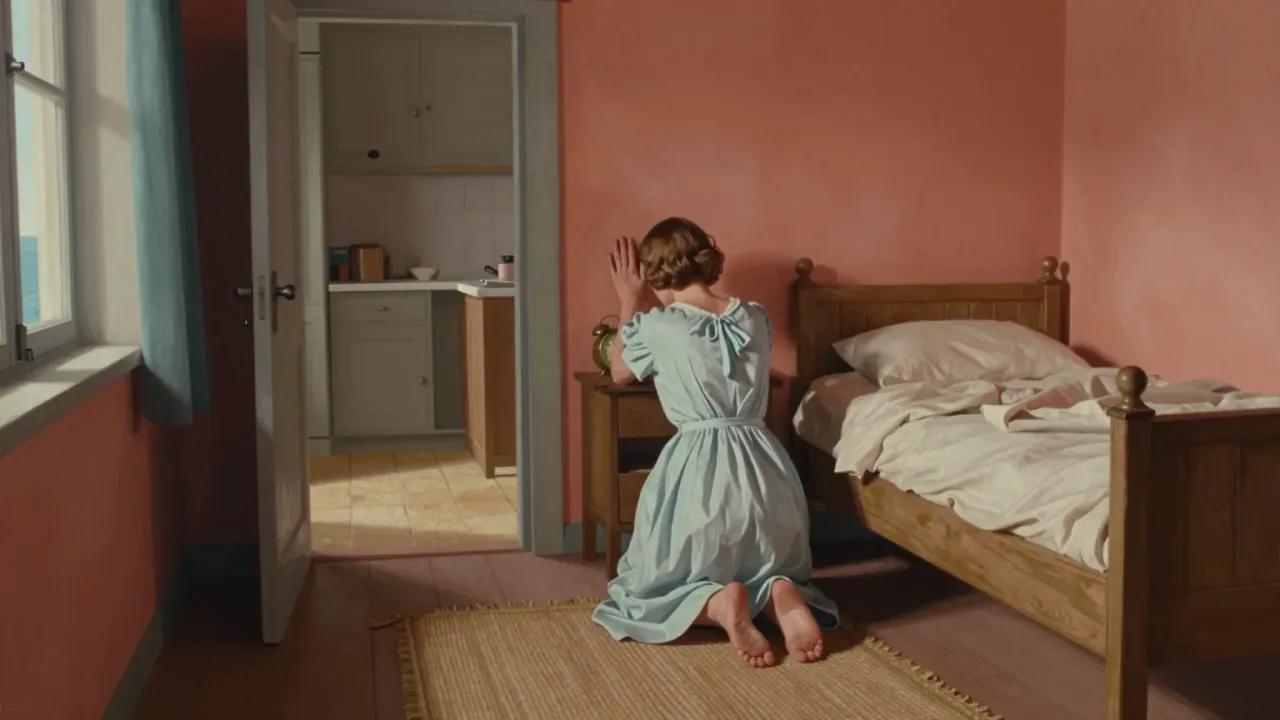
Ingmar Bergman’s 1960 drama, adapted by Ulla Isaksson from a medieval Swedish ballad, follows a Christian landowner whose daughter is raped and murdered by three herdsmen. After they unknowingly seek shelter at his home, he kills them at dawn. At the site of her death, a spring emerges. Shot by Sven Nykvist in austere natural light, the film explores guilt, vengeance, and the silence of God — not as abstract ideas, but as physical, inescapable facts.

13:00

Through a Glass Darkly

Ingmar Bergman · 1961

Ingmar Bergman’s 1961 chamber drama follows a family over twenty-four hours on a remote Swedish island, centring on Karin, a young woman recently released from psychiatric care. Harriet Andersson delivers a physically precise performance as her grip on reality frays, observed by her husband (Max von Sydow), novelist father (Gunnar Björnstrand), and teenage brother (Lars Passgård). Shot by Sven Nykvist with stark naturalism and scored with Bach’s cello suites, the film explores faith, exploitation, and the asymmetry of care—though its stated philosophy feels tacked on, its emotional precision remains unmatched.

13:00

Until the End of the World

Wim Wenders · 1991

Wim Wenders’ 1991 epic follows Claire and Sam across continents as they evade bounty hunters and test a camera that lets the blind see recorded experiences. Shot across eleven countries with Robby Müller, it treats the road movie as philosophical drift — prioritising texture, duration, and the fragility of perception over plot or resolution.

13:00

Winter Light

Ingmar Bergman · 1963

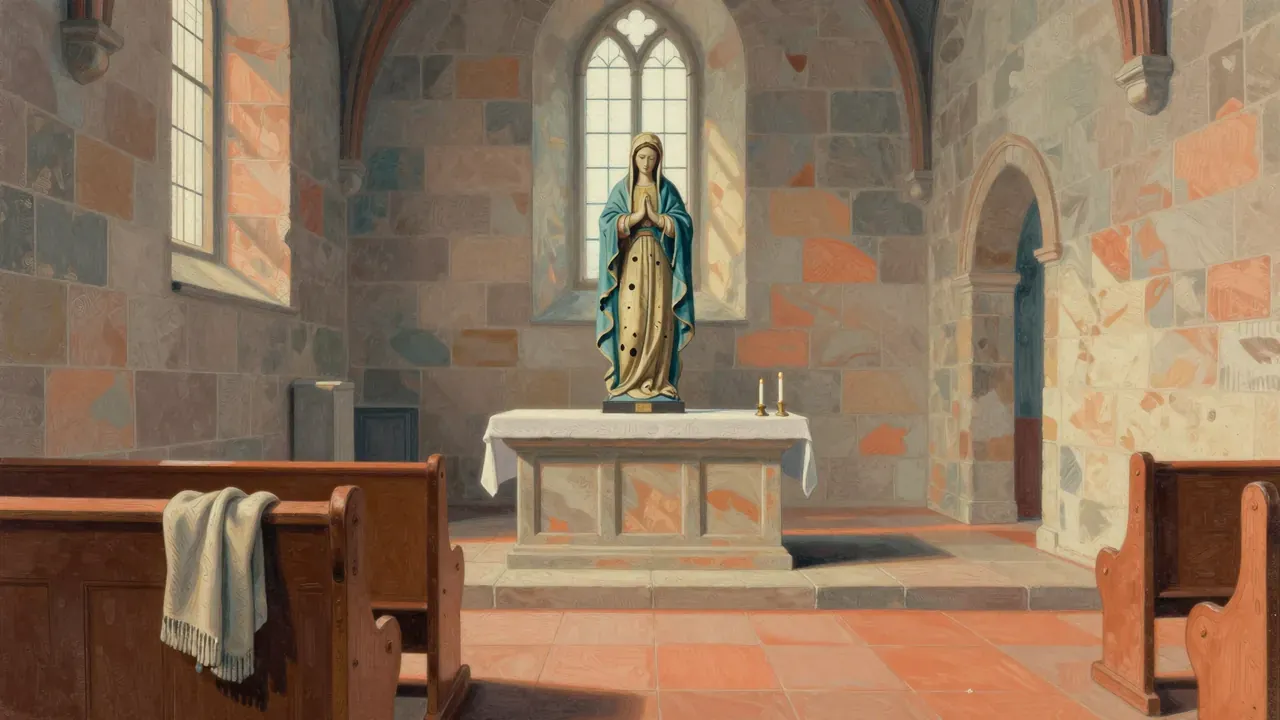
Ingmar Bergman’s 1963 drama follows a Swedish pastor through a single day of spiritual collapse—failing his congregation, his lover, and himself. Shot in austere black-and-white by Sven Nykvist, with no score beyond diegetic organ music, it is a rigorously restrained chamber piece about the physical and moral cost of sustaining belief when conviction has already vanished.

13:00

The Seventh Seal

Ingmar Bergman · 1957

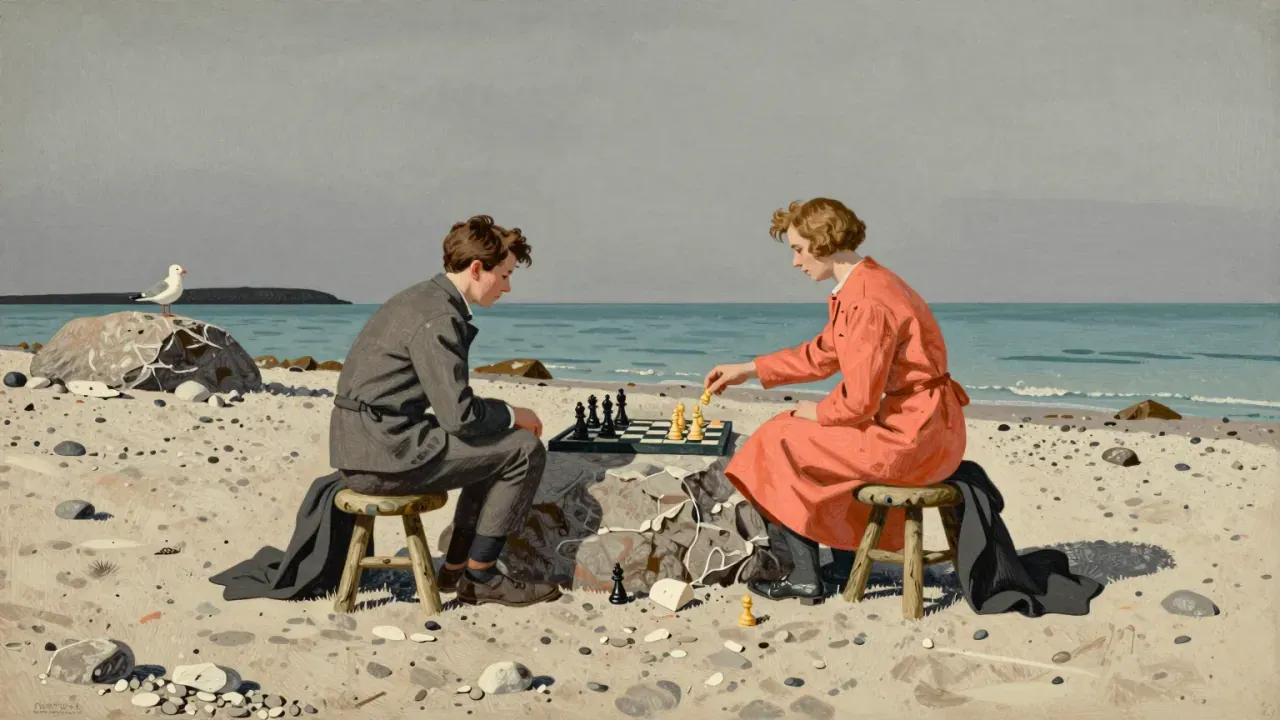
Ingmar Bergman turned a one-act play he had written for drama students into this 1957 fable of a crusader who challenges Death to chess while the plague empties his country. Shot in thirty-five days on a modest budget, with Max von Sydow beginning his long partnership with Bergman, it became one of cinema's most quoted images and won the Special Jury Prize at Cannes.

13:00

Wild Strawberries

Ingmar Bergman · 1957

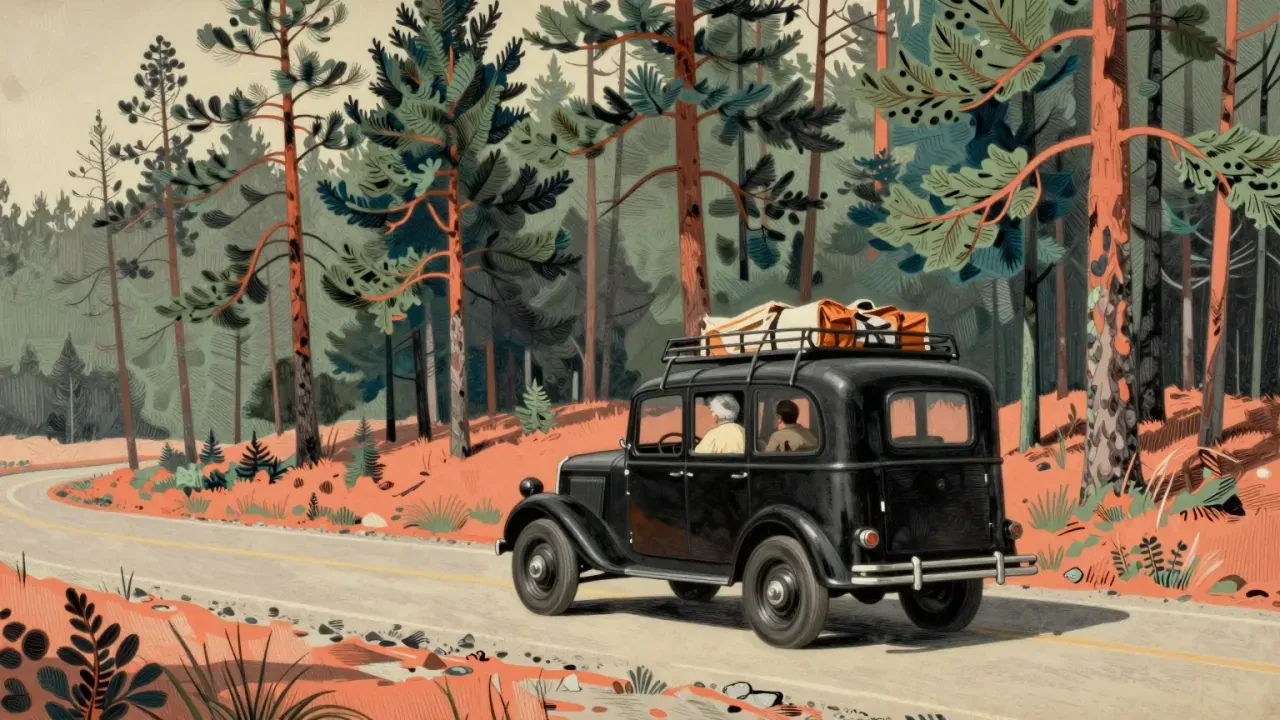
Victor Sjöström, in his last screen role, plays an elderly professor driving to collect an honorary degree while dreams and hitchhikers force him to confront the coldness he built his life on. Ingmar Bergman wrote it from a hospital bed the same year as The Seventh Seal, and it won the Golden Bear in Berlin, becoming one of the clearest statements of his recurring interest in memory, guilt, and old age.