filmbriefs
Actor · 1964

Maggie Cheung

11
briefs
13:00
average
143 min
in total
On film.briefs11
13:00

As Tears Go By

Wong Kar-wai · 1988

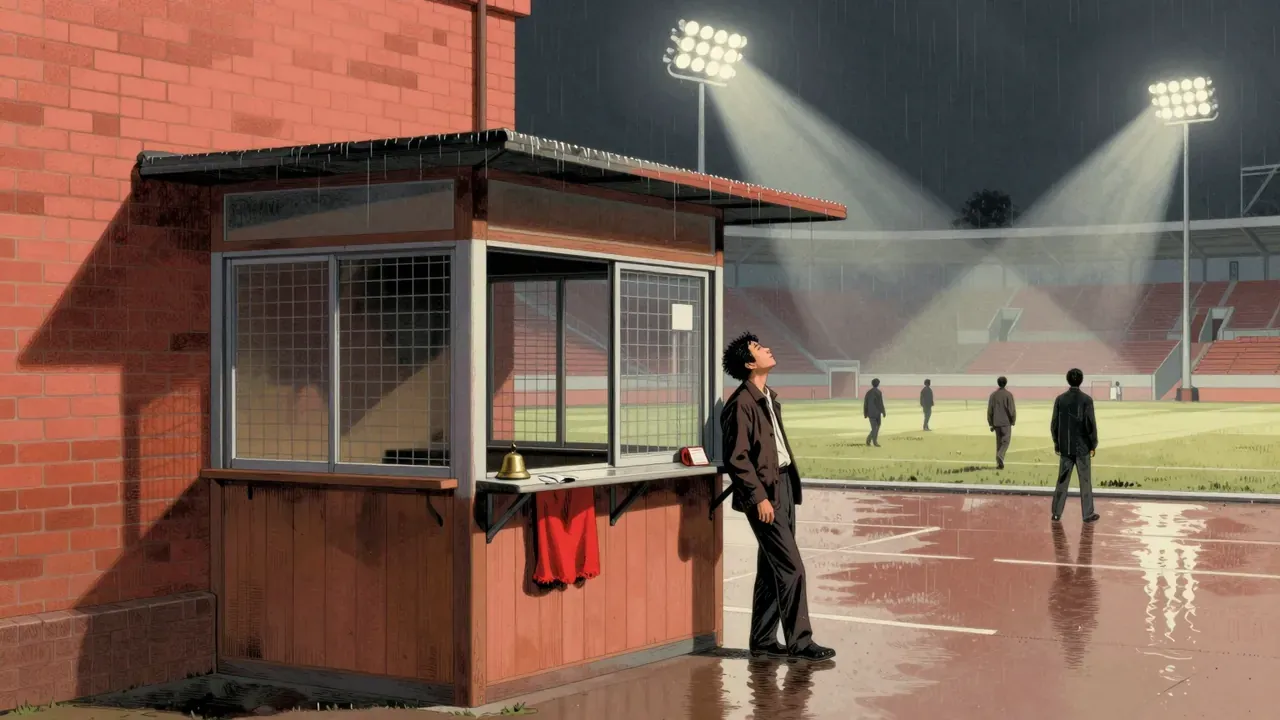
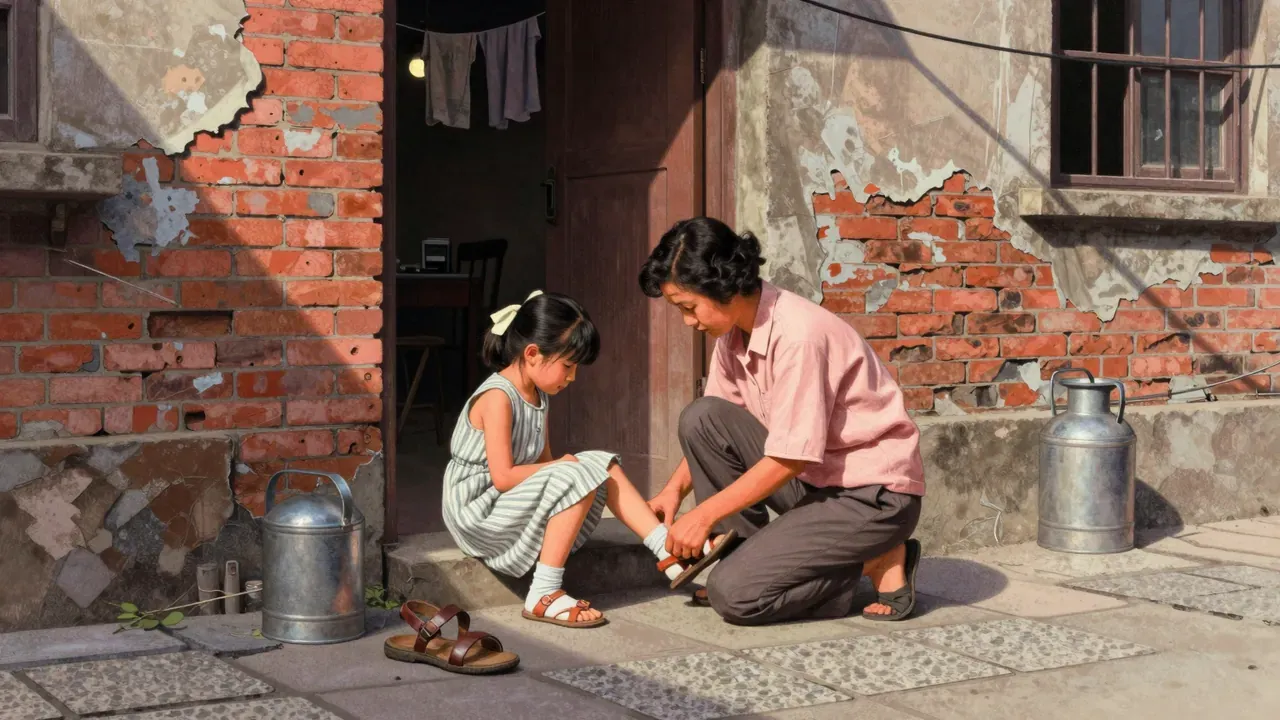
Wong Kar-wai’s 1988 debut follows Wah, a Mong Kok triad enforcer, as he tries to manage his volatile friend Fly while growing close to his cousin Ngor, who visits from Lantau Island. Shot in naturalistic tones by Andrew Lau and edited with deliberate slowness by William Chang, the film grounds crime-drama tropes in quiet consequence rather than spectacle. Its power lies in restraint: in Andy Lau’s muted performance, Maggie Cheung’s understated presence, and the unforced contrast between urban claustrophobia and island stillness. Though structurally uneven in its second half, it establishes Wong’s enduring concerns — time, loyalty, and the geography of longing.
13:00

Days of Being Wild

Wong Kar-wai · 1990

Wong Kar-wai’s 1990 romantic drama follows drifting young people in 1960 Hong Kong — a playboy searching for his birth mother, a ticket seller holding onto a lost moment, a policeman turning to the sea — bound not by plot but by shared unease. Christopher Doyle’s cinematography, Chan Ming-Diy’s score, and a cast including Leslie Cheung and Maggie Cheung build a world of suspended time and unfulfilled desire. It is the first in an informal trilogy, and the foundation of Wong’s singular style.

13:00

Executioners

Johnnie To, Ching Siu-tung · 1993

Executioners reunites Michelle Yeoh, Anita Mui and Maggie Cheung in a post-apocalyptic Hong Kong where water scarcity and social collapse test their evolving definitions of duty. Directed by Johnnie To and Ching Siu-tung, it prioritises ethical recalibration over martial escalation — with Yeoh tutoring a disfigured former enemy, Mui balancing motherhood and latent power, and Cheung reluctantly embracing collective responsibility. Its strengths lie in restrained performances and atmospheric world-weariness; its weaknesses in underwritten antagonists and uneven tonal discipline.

13:00

Irma Vep

Olivier Assayas · 1996

Irma Vep (1996) follows Hong Kong actress Maggie Cheung as she joins a chaotic French production attempting to remake Louis Feuillade’s silent serial Les Vampires. Directed by Olivier Assayas, it observes the collapse of creative consensus through Cheung’s quiet, outsider perspective — less a satire of cinema than a forensic account of its daily attrition. Shot in thirty days with no retakes, it privileges texture over exposition, procedural realism over plot, and ambiguity over resolution.

13:00

Police Story 2

Jackie Chan · 1988

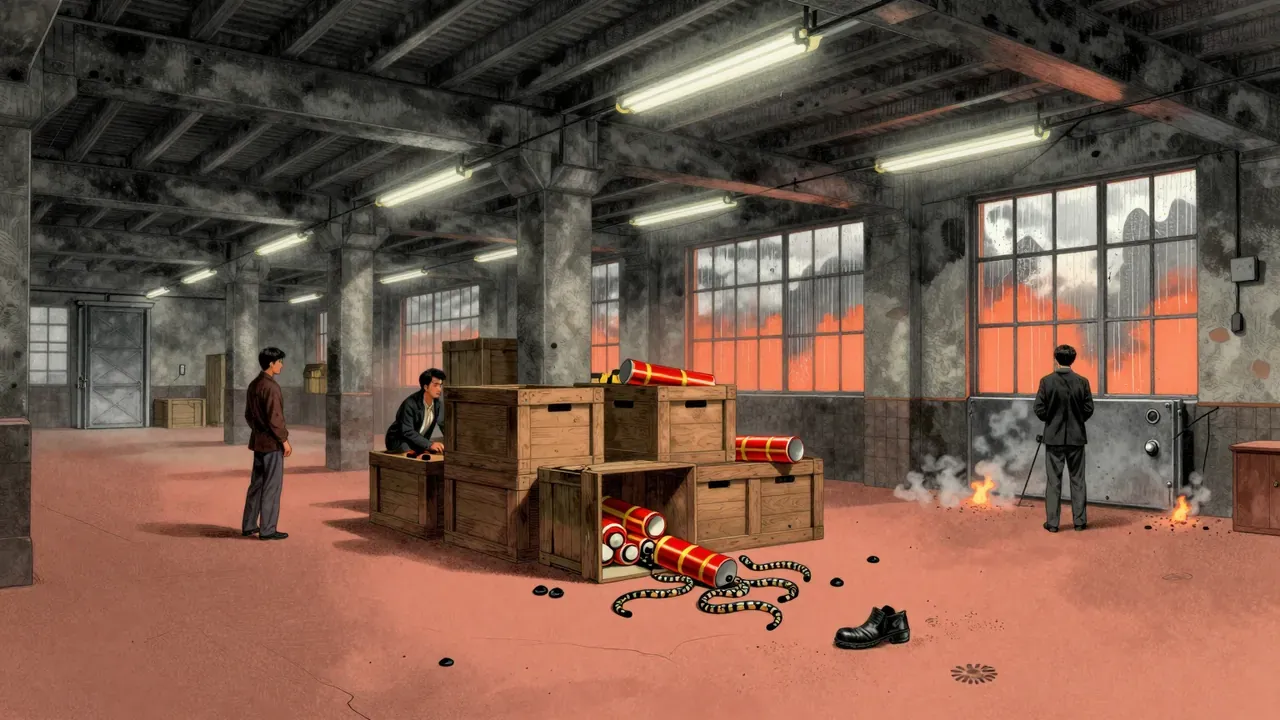
Jackie Chan’s 1988 sequel trades the first film’s procedural texture for streamlined stunt logic: Ka-kui is demoted, provoked, resigns, then re-enters a bomb plot that culminates in the mall explosion and fireworks warehouse finale. Written by Chan and Edward Tang, shot by Arthur Wong, and awarded Best Action Choreography at the 1989 Hong Kong Film Awards, it delivers physical clarity over psychological depth — a film where every punch lands because the ground beneath it was measured first.

13:00

The Heroic Trio

Johnnie To · 1993

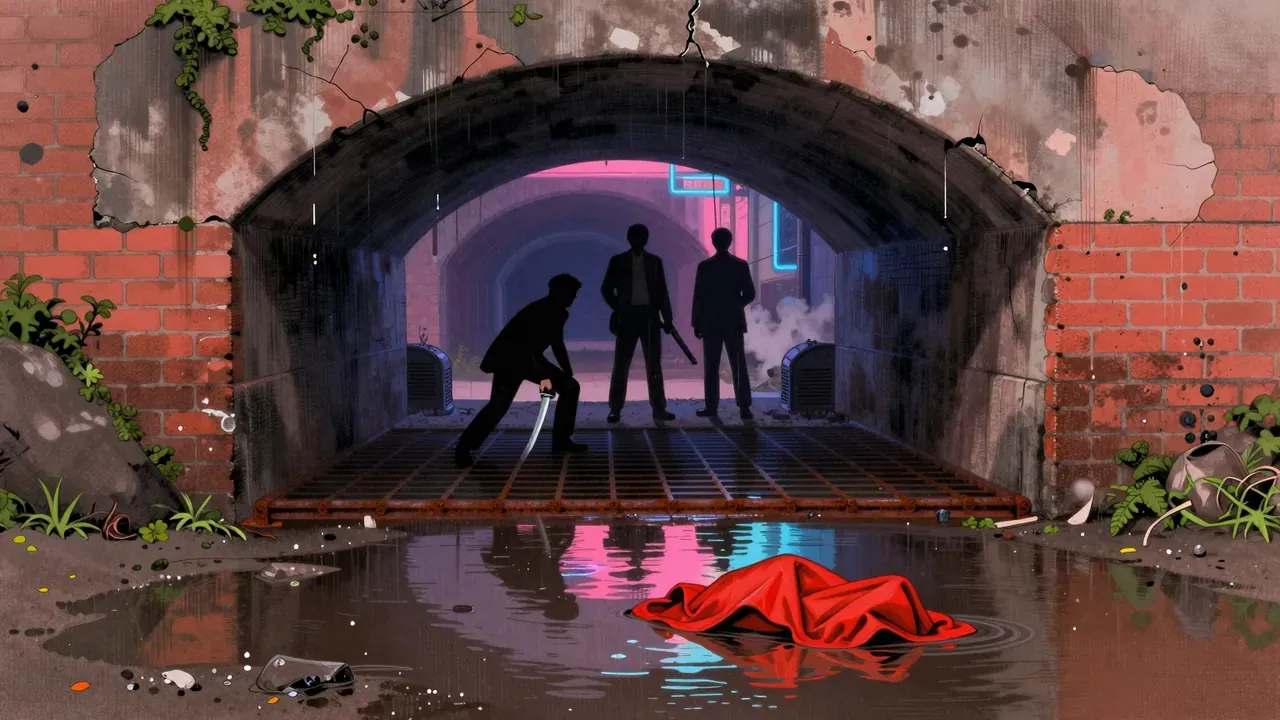
Johnnie To’s 1993 action film stars Michelle Yeoh, Anita Mui, and Maggie Cheung as a trio of heroines confronting a subterranean tyrant who kidnaps imperial infants. Stylised rather than schematic, it prioritises choreographic precision, costume-as-character, and tonal volatility over psychological realism or narrative tidiness. Its strengths lie in physical presence and visual density; its weaknesses in underdeveloped motivation and unresolved thematic ambition. It remains a singular artefact of early-90s Hong Kong genre reinvention.

13:00

Hero

Zhang Yimou · 2002

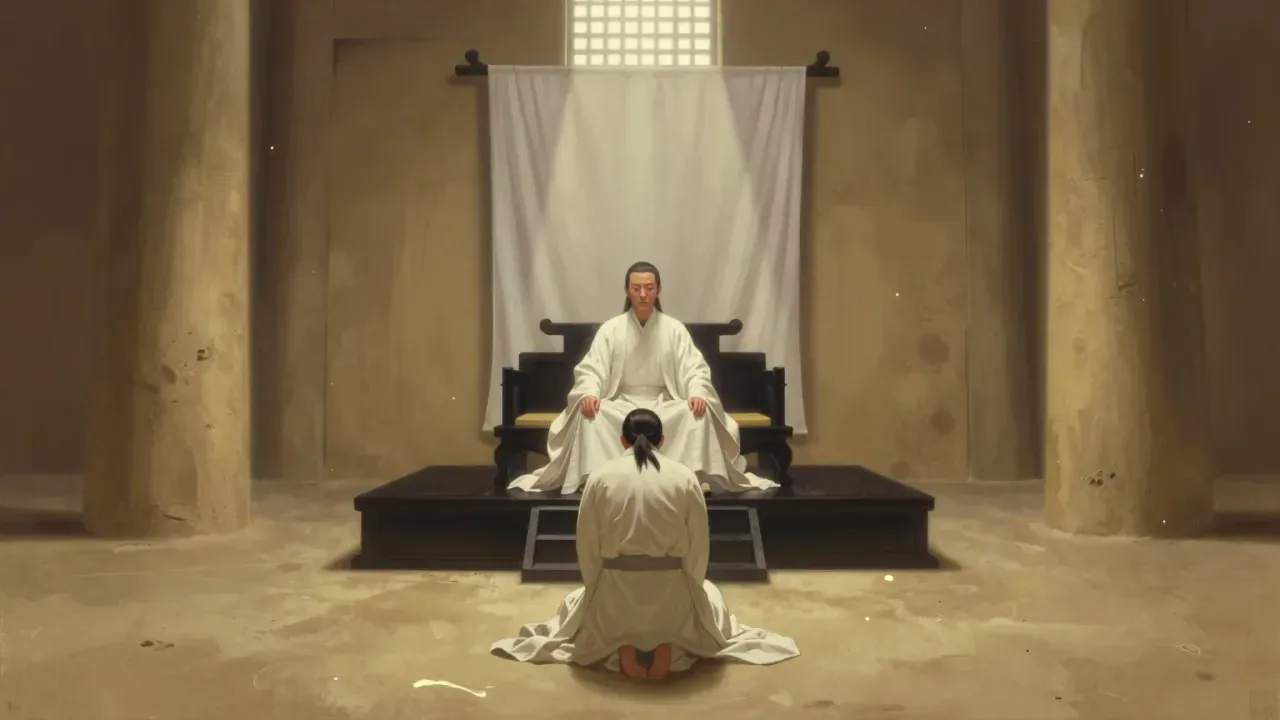
Zhang Yimou’s 2002 Hero uses competing narratives and strict chromatic divisions — red, blue, white, green, black — to explore how truth is shaped by perspective and authority. Starring Jet Li, Tony Leung and Maggie Cheung, and shot by Christopher Doyle with a score by Tan Dun, it reframes the wuxia genre as a formal investigation into storytelling itself: who tells, who believes, and what gets erased in the name of peace.

13:00

Police Story

Jackie Chan · 1985

Jackie Chan’s 1985 Police Story is a Hong Kong action comedy structured around large-scale, practical stunts — a shantytown chase, a bus stop, and a shopping mall fight culminating in a pole slide through exploding lights. Written by Chan and Edward Tang, it follows Sergeant Chan Ka-Kui as he clears his name after being framed, using physical endurance rather than procedural logic. Yiu-Tsou Cheung’s cinematography and Peter Cheung’s editing prioritise legibility over flair, grounding each stunt in cause and consequence. It won Best Film at the 1986 Hong Kong Film Awards and remains influential for its commitment to tangible risk.

13:00

2046

Wong Kar-wai · 2004

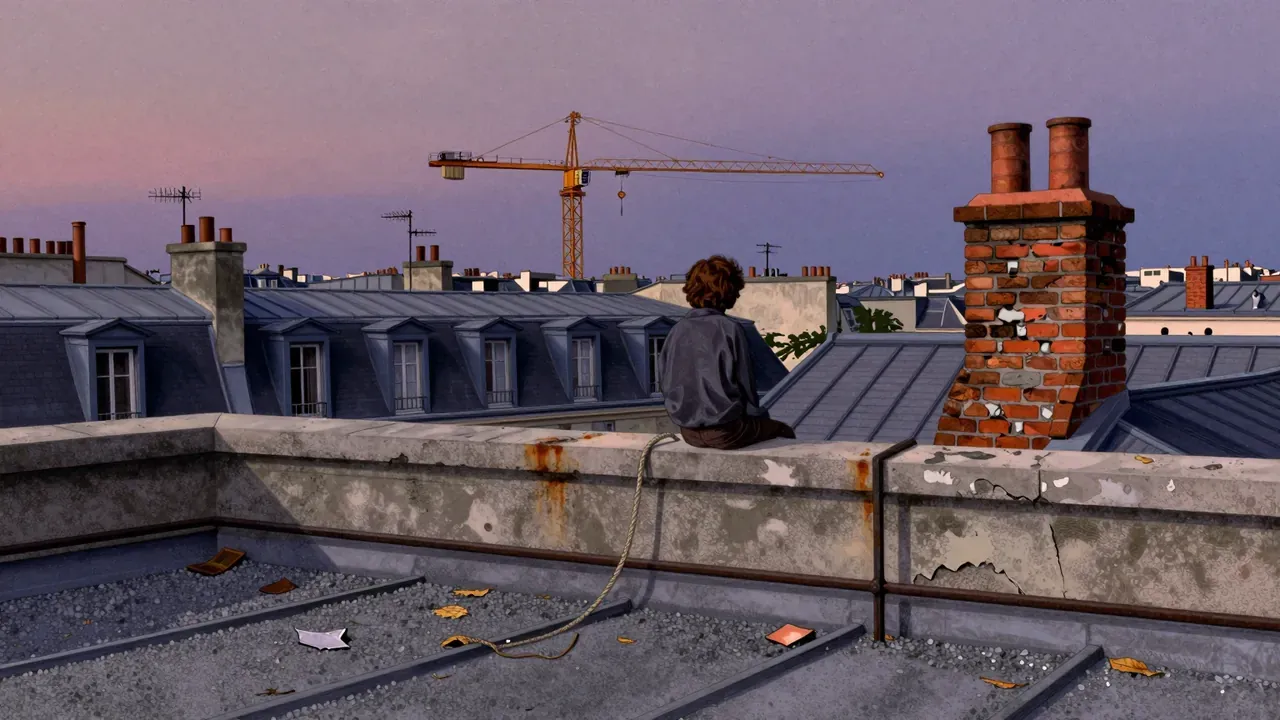
Wong Kar-wai’s 2004 romantic drama follows writer Chow Mo-wan as he drifts through 1960s Hong Kong, entangled with several women while haunted by an unconsummated past. Structured non-chronologically and interwoven with sci-fi fragments, it uses repetition, texture and sound to explore memory, longing and emotional stasis — not as narrative problems to solve, but as perceptual conditions to inhabit.

13:00

Ashes of Time

Wong Kar-wai · 1994

Wong Kar-wai’s 1994 Ashes of Time reimagines Jin Yong’s wuxia universe as a landscape of regret and deferred feeling. Starring Leslie Cheung as the brooding Ouyang Feng, it follows fragmented encounters across a bleached desert, where martial skill matters less than the weight of unspoken words. Shot by Christopher Doyle and Kwan Pun Leung in muted, atmospheric tones, and scored with sparse, resonant instrumentation, the film privileges mood over momentum. Though its elliptical structure divides opinion, its central performances and visual discipline make it a defining arthouse wuxia — less about heroes and villains, more about the quiet violence of remembering.

13:00

In the Mood for Love

Wong Kar-wai · 2000

In 1962 Hong Kong, a newspaper editor and a secretary living next door to each other realise their spouses are having an affair, and grow close while insisting they will not repeat it. Wong Kar-wai shot for fifteen months without a finished script, switching cinematographers mid-production, and built the film around Maggie Cheung's cheongsams and Tony Leung's restraint rather than plot incident. It won Leung the Cannes best actor award and has since been ranked among the major works of Asian cinema.