filmbriefs
Director

Kenji Misumi

10
briefs
13:00
average
130 min
in total
On film.briefs10
13:00

Fight, Zatoichi, Fight

Kenji Misumi · 1964

The eighth Zatoichi film follows the blind masseur as he carries a baby across sixty miles to its estranged father, pursued by assassins and accompanied by reluctant helpers. Built on repetition and restraint, it treats duty as a series of concrete actions — reading documents, changing diapers, rolling out fire — rather than abstract virtue. Directed by Kenji Misumi and starring Shintarō Katsu, it is a lean, unsentimental entry in the series, anchored by precise choreography and moral clarity.
13:00

Lone Wolf and Cub: Baby Cart at the River Styx

Kenji Misumi · 1972

The second Lone Wolf and Cub film follows disgraced executioner Ogami Ittō and his young son Daigoro as they travel Japan in a weaponised baby cart, taking assassination contracts while evading rival clans. Directed by Kenji Misumi and adapted from Kazuo Koike’s manga, it prioritises formal rigour over exposition: violence is ritual, parenthood is discipline, and silence carries more weight than dialogue. Its eighty-one minutes unfold through stylised encounters — acrobats, river-washers, sand-dune duels — building a mythic logic rather than a psychological narrative.

13:00

Lone Wolf and Cub: Baby Cart in the Land of Demons

Kenji Misumi · 1973

The fifth Lone Wolf and Cub film follows Ogami Ittō as he completes five duels to uncover a conspiracy threatening a daimyō’s succession, while his son Daigoro endures a brief, brutal episode of his own. Directed by Kenji Misumi and starring Tomisaburō Wakayama, it sustains the series’ austere tone and procedural rigour, prioritising moral geometry over emotional exposition.

13:00

Lone Wolf and Cub: Baby Cart to Hades

Kenji Misumi · 1972

Lone Wolf and Cub: Baby Cart to Hades (1972), directed by Kenji Misumi, is the third in a six-film Japanese martial arts series following the wandering assassin Ogami Ittō and his infant son Daigoro. Set in Edo-period Japan, it weaves episodic encounters — ambushes, torture, duels, and siege — into a sustained meditation on duty, endurance, and the embodied logic of bushidō. Tomisaburō Wakayama’s restrained performance anchors a film defined by stillness, procedural violence, and moral austerity. Though formally rigorous and thematically rich, its treatment of women remains functional, and its pacing assumes fluency with chanbara conventions. It rewards patience, not passive viewing.

13:00

Lone Wolf and Cub: Sword of Vengeance

Kenji Misumi · 1972

Lone Wolf and Cub: Sword of Vengeance (1972), directed by Kenji Misumi, opens the six-film series with Tomisaburō Wakayama as Ogami Ittō, a disgraced executioner turned wandering assassin who pushes his infant son Daigoro in a baby cart while fulfilling contracts across Edo-period Japan. Built from Kazuo Koike and Goseki Kojima’s manga, it prioritises ritual, restraint and structural repetition over exposition or psychology — flashbacks clarify motive but not morality, action follows vow not impulse, and silence carries more weight than speech. Its 83-minute runtime sustains a tone of implacable resolve, using austere framing, percussive sound design and Wakayama’s physically precise performance to render vengeance as a system, not a feeling.

13:00

Samaritan Zatoichi

Kenji Misumi · 1968

Released in December 1968 and directed by Kenji Misumi, Samaritan Zatoichi is the twelfth instalment in Daiei’s long-running series. Starring Shintarō Katsu as the blind masseur-swordsman, it follows his intervention in a rural town exploited by a yakuza gang. Less concerned with action than with ethical presence, the film uses restraint — in pacing, performance and composition — to explore endurance, reciprocity and the weight of unspoken complicity. Cinematographer Kazuo Miyagawa frames scenes with quiet clarity, and the script avoids exposition in favour of implication. Though some character arcs remain underdeveloped, the film’s cumulative power resides in its unwavering commitment to stillness as moral grammar.

13:00

The Tale of Zatoichi

Kenji Misumi · 1962

The 1962 Japanese jidaigeki film The Tale of Zatoichi introduces Shintarō Katsu as the blind masseur-swordsman Zatoichi, hired by warring yakuza factions. Directed by Kenji Misumi and written by Kan Shimozawa, it establishes a tone of quiet gravity, where honour is enacted in small refusals and violence resolved with minimal flourish. Its strength lies in the restrained performances, Akira Ifukube’s percussive score, and its refusal to romanticise either disability or bushidō. Though some supporting characters remain underdeveloped, the central relationship between Zatoichi and the dying ronin Hirate gives the film its enduring resonance.

13:00

Zatoichi and the Chess Expert

Kenji Misumi · 1965

The twelfth Zatoichi film follows the blind masseur as he travels with a shogi master, a grieving aunt, and her injured niece. Suspicion mounts as murders occur, each clue pointing toward the master—yet Zatoichi delays judgment, reading intent through games and gesture rather than proof. Directed by Kenji Misumi with austere control, it is a study in withheld certainty, where every pause and every move matters more than the final strike.

13:00

Zatoichi Challenged

Kenji Misumi · 1967

The seventeenth Zatoichi film sees Shintarō Katsu’s blind swordsman escort a boy to his imprisoned father in Maebara, confronting corrupt officials, a yakuza boss, and finally his old friend Akazuka in a snowbound duel. Directed by Kenji Misumi with disciplined framing and Akira Ifukube’s sparse score, it sustains the series’ formal rigour while exposing the limits of its formula — rewarding deep familiarity more than first-time engagement.

13:00

Zatoichi Goes to the Fire Festival

Kenji Misumi · 1970

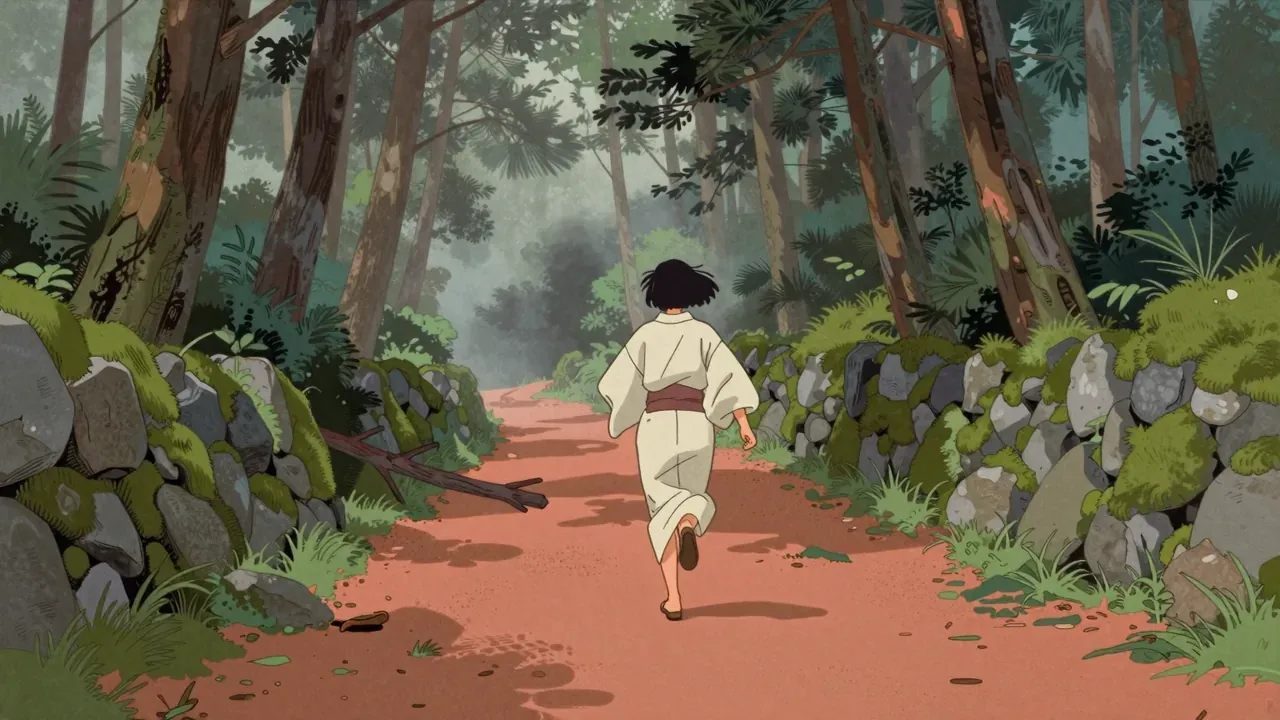
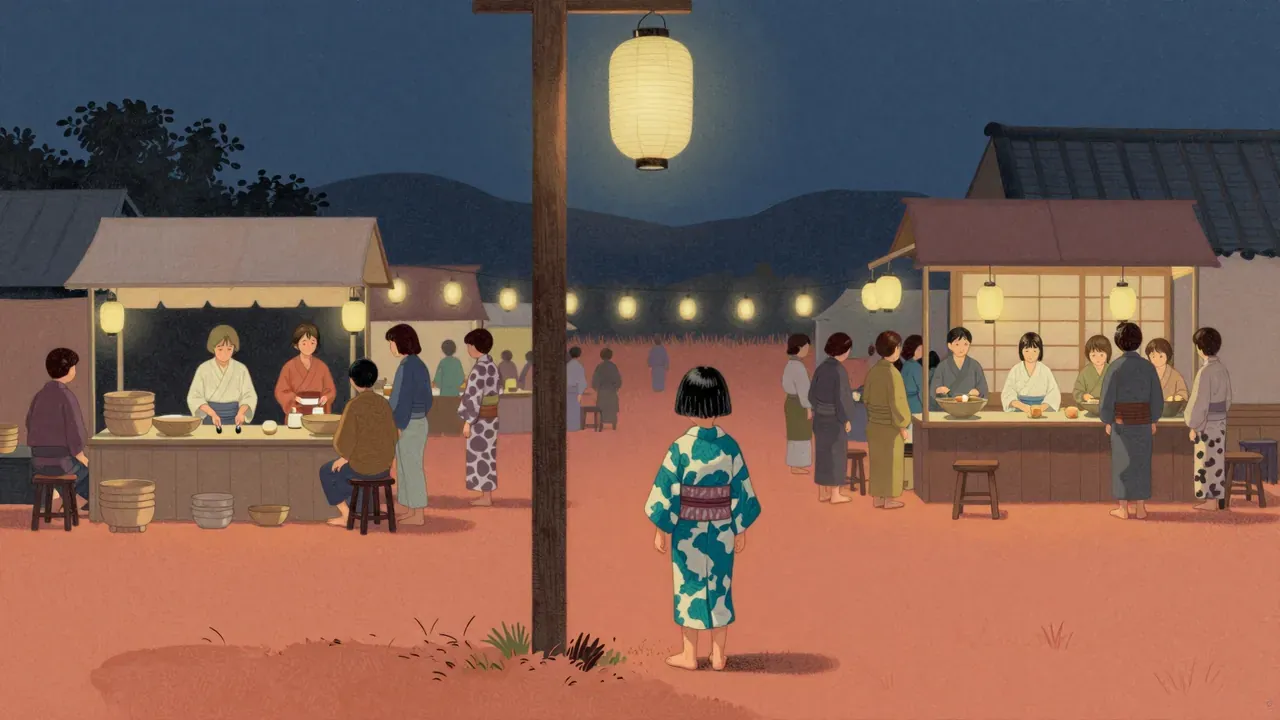
Zatoichi Goes to the Fire Festival (1970), directed by Kenji Misumi and starring Shintarō Katsu, is the twenty-first and Misumi’s final entry in the original Zatoichi series. Set in the late Edo period, it follows the blind swordsman as he confronts Yamikubo, a rival blind warlord who rules through fear and tribute. With cinematography by Kazuo Miyagawa and music by Akira Ifukube, the film uses the Fire Festival as both backdrop and moral crucible. It is a study in restraint — in performance, editing, and philosophy — closing a chapter not with spectacle but with accumulated weight.