filmbriefs
Director · Screenwriter · Actor · Producer · 1917–1973

Jean-Pierre Melville

11
briefs
13:00
average
143 min
in total
On film.briefs11
13:00

Army of Shadows

Jean-Pierre Melville · 1969

Jean-Pierre Melville’s 1969 Army of Shadows is a stark, procedural drama about French Resistance operatives during Nazi occupation. Based on Joseph Kessel’s memoir, it follows Philippe Gerbier and his cell as they navigate safe houses, betrayals, failed rescues, and grim moral calculations — all rendered with clinical precision, minimal score, and unvarnished performances. Released to indifference in 1969, it was rediscovered and acclaimed after its 2006 restoration.
13:00

Bob le flambeur

Jean-Pierre Melville · 1956

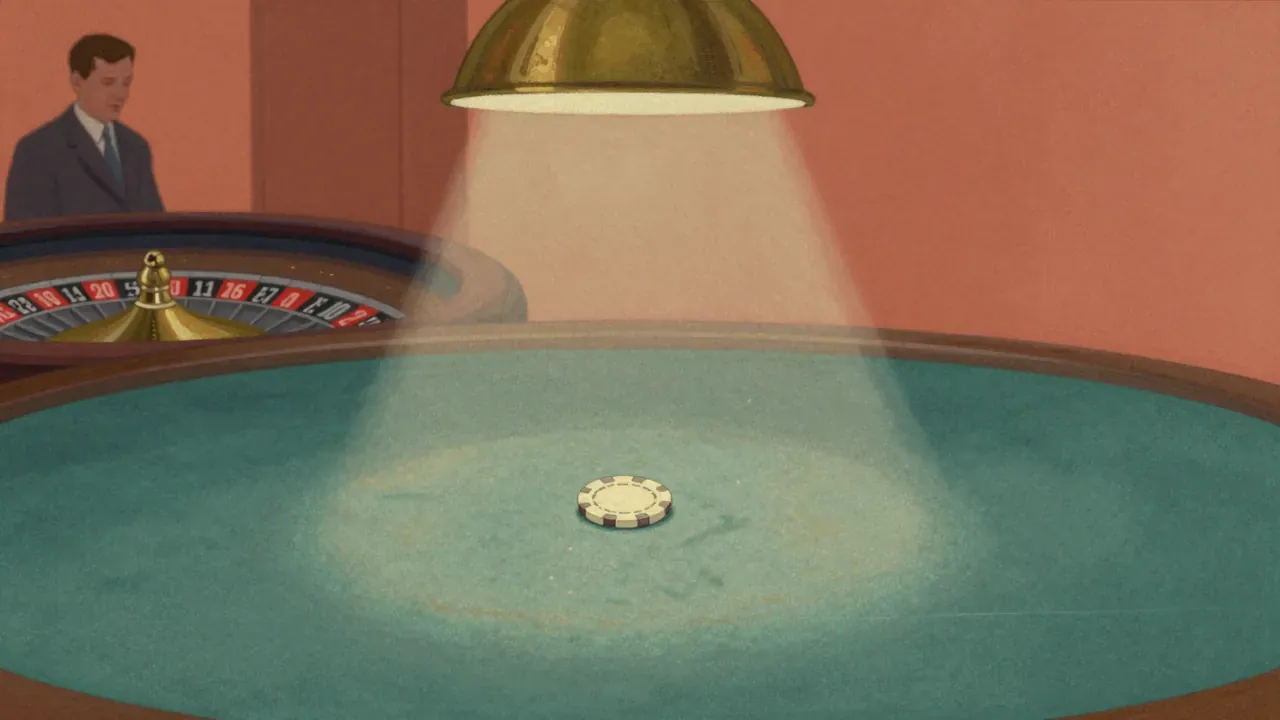
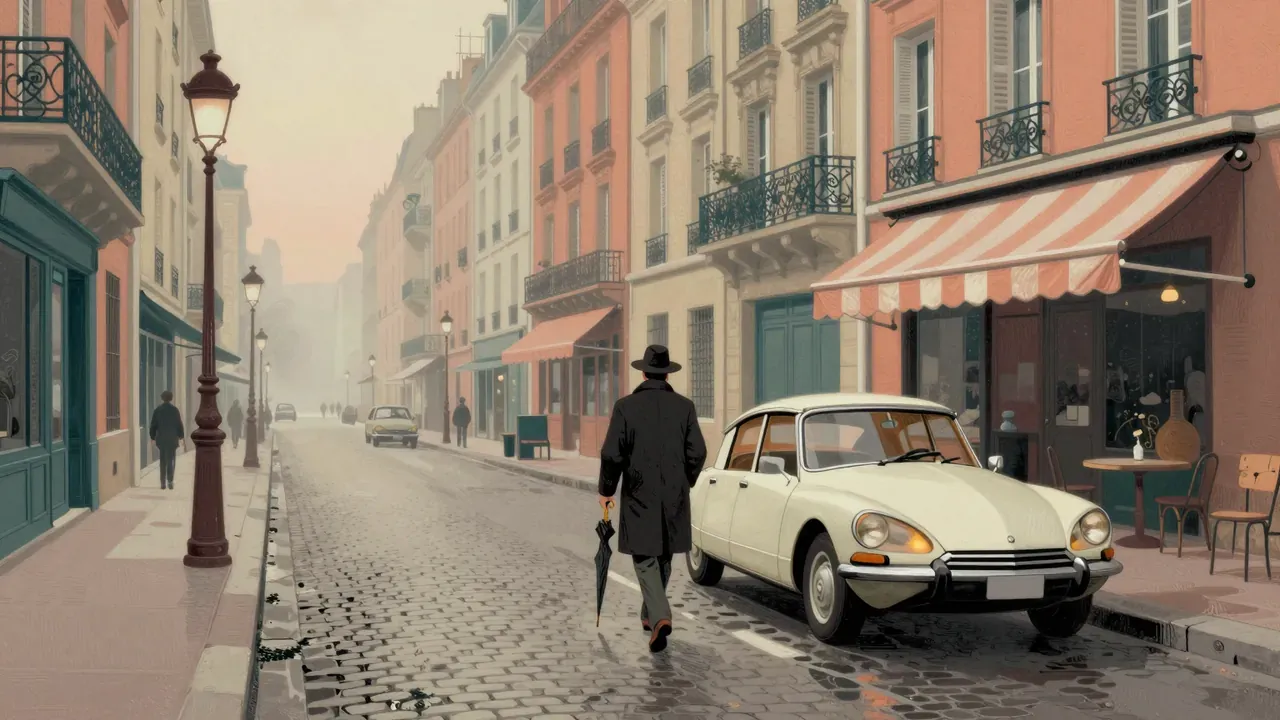
Jean-Pierre Melville’s 1956 heist film follows ageing gambler Bob as he plans a raid on a Deauville casino. Shot on location in Paris and Deauville by Henri Decaë, it moves with unhurried precision, treating criminality as habit rather than transgression. Its influence on the French New Wave stems less from innovation than from its disciplined use of space, silence, and repetition. Roger Duchesne anchors the film with quiet authority; the heist fails not through chaos but through Bob’s fatal, human lapse — losing track of time at the roulette table. A film of tone over twist, form over function.

13:00

Le Cercle rouge

Jean-Pierre Melville · 1970

Jean-Pierre Melville’s 1970 heist film follows three men — a released convict, an escaped prisoner, and a disgraced marksman — whose paths converge to rob a Paris jeweller. Shot by Henri Decaë and scored sparsely by Éric Demarsan, it sustains tension through restraint: long takes, minimal dialogue, and a thirty-minute heist sequence that prioritises procedure over panic. Its themes — professionalism as ritual, silence as language, fate as convergence — are embedded in structure, not exposition.

13:00

Le deuxième souffle

Jean-Pierre Melville · 1966

Jean-Pierre Melville’s 1966 crime film follows Gustave Minda, a respected gangster who escapes prison only to find his code of silence and loyalty increasingly incompatible with a world that no longer observes the same rules. Adapted from José Giovanni’s novel, it charts Gu’s final days with austere precision — from a botched extortion to a platinum heist, a police trap, and a fatal confrontation in a Paris stairwell. Lino Ventura anchors the film with restrained physicality; Marcel Combes’ flat, naturalistic cinematography and Bernard Gérard’s sparse score reinforce its unblinking tone.

13:00

Le Doulos

Jean-Pierre Melville · 1962

Jean-Pierre Melville’s 1962 crime film Le Doulos follows Maurice Faugel and Silien through a web of murder, deception, and mistaken identity. Adapted from Pierre Lesou’s novel, it uses stark cinematography, elliptical editing, and functional dialogue to construct a closed system of cause and effect — where truth is assigned, not revealed, and loyalty is procedural, not emotional.

13:00

Le Petit Soldat

Jean-Luc Godard · 1963

Made in 1960 but banned until 1963, Le Petit Soldat follows a French deserter in Geneva drawn into political violence on both sides of the Algerian War. Directed by Jean-Luc Godard and shot by Raoul Coutard, it is a formally restrained, morally ambiguous study of coercion, silence, and the instability of truth — both cinematic and political.

13:00

Léon Morin, Priest

Jean-Pierre Melville · 1961

Set in German-occupied France, Léon Morin, Priest follows Barny, a widowed atheist and communist, as she enters a theological dialogue with a young priest. Their conversations—calm, rigorous, unresolved—unfold against a backdrop of scarcity and danger. Directed by Jean-Pierre Melville and adapted from Béatrix Beck’s novel, the film resists melodrama, preferring quiet precision in performance, cinematography, and structure. It is less about conversion than continuity: how people maintain moral shape when the world collapses around them.

13:00

Les Enfants Terribles

Jean-Pierre Melville · 1950

Jean-Pierre Melville’s 1950 debut adaptation of Jean Cocteau’s novel traces the slow implosion of a brother and sister’s insular world. Shot in Paris with stark, precise compositions and scored almost entirely with Vivaldi concertos, it treats adolescence as a self-sustaining system — one that collapses only when forced to admit outsiders. Nicole Stéphane and Hélène Rémy deliver restrained, physically articulate performances in a film that prioritises structure over psychology and silence over exposition.

13:00

Orpheus

Jean Cocteau · 1950

Jean Cocteau’s 1950 Orpheus recasts the Greek myth as a post-war Parisian fable, where poetry, death and mirrors operate under shared, unspoken rules. Jean Marais stars as a poet drawn into a bureaucratic underworld by María Casares’ enigmatic Princess of Death. Shot in ruined academies and Paris streets, with practical effects that foreground craft rather than conceal it, the film sustains a poetic logic across 95 minutes — demanding attention, not explanation.

13:00

Breathless

Jean-Luc Godard · 1960

Jean-Luc Godard's 1960 debut sends a car thief who idolises American gangsters, played by Jean-Paul Belmondo, on the run through Paris after he shoots a policeman, hiding out with an American girlfriend played by Jean Seberg who is unsure whether to protect him or turn him in. Shot handheld on repurposed still-camera film stock with almost no lighting, and cut with jump cuts that were reportedly not planned during filming, it became one of the founding statements of the French New Wave.

13:00

Le Samouraï

Jean-Pierre Melville · 1967

Alain Delon plays Jef Costello, a Parisian hitman whose meticulous alibi unravels after witnesses fail to identify him for a killing they saw him commit, forcing him to work out who hired him and who now wants him dead. Jean-Pierre Melville directs with almost no music and long stretches of silence, and the 1967 film's spare, controlled style went on to shape a generation of American and European crime cinema.