filmbriefs
Composer · 1946

Howard Shore

13
briefs
13:00
average
169 min
in total
On film.briefs13
13:00

A History of Violence

David Cronenberg · 2005

David Cronenberg’s 2005 crime thriller adapts a graphic novel into a precise, unsentimental study of identity, memory, and embodied violence. Viggo Mortensen plays Tom Stall, a small-town diner owner whose past as hitman Joey Cusack resurfaces after he kills two robbers. The film tracks the unraveling of his family life and his return to Philadelphia, where violence proves inescapable — not as choice, but as somatic fact. Shot by Peter Suschitzky and scored by Howard Shore, it favours stillness over spectacle and implication over exposition.
13:00

After Hours

Martin Scorsese · 1985

Martin Scorsese’s 1985 black comedy follows office worker Paul Hackett through a single, increasingly surreal night in SoHo. Stranded without money, misunderstood at every turn, and hunted by neighbours, he careens from one absurd crisis to the next — until the plaster hardens, the van doors fly open, and he crashes, barefoot and broken, into his office at dawn. Michael Ballhaus’s tight cinematography, Thelma Schoonmaker’s razor-sharp editing, and Howard Shore’s nervy score sustain a tone of escalating, inescapable farce.

13:00

Crash

David Cronenberg · 1996

David Cronenberg’s 1996 adaptation of J.G. Ballard’s novel follows a television producer drawn into a subculture obsessed with the erotic potential of car crashes. Shot with clinical precision by Peter Suschitzky and scored with mechanical restraint by Howard Shore, the film treats trauma, technology and desire as interlocking systems — not metaphors, but conditions. Its performances are muted, its pacing deliberate, its conclusions withheld. It remains a polarising, formally exacting work of arthouse cinema.

13:00

Dead Ringers

David Cronenberg · 1988

David Cronenberg’s 1988 film follows identical twin gynecologists Elliot and Beverly Mantle as their shared professional and personal life fractures under drug dependency, ethical collapse, and blurred identity. Jeremy Irons plays both roles with uncanny precision, supported by Peter Suschitzky’s austere cinematography and Howard Shore’s unnerving score. Based loosely on the Marcus twins and adapted from Bari Wood’s novel, it is a tightly controlled psychological drama that prioritises behavioural realism over exposition, clinical space over emotional catharsis, and structural inevitability over narrative surprise.

13:00

Naked Lunch

David Cronenberg · 1991

David Cronenberg’s 1991 film Naked Lunch reimagines William S. Burroughs’s 1959 novel not as narrative but as psychological architecture. Starring Peter Weller as writer William Lee, it traces a descent into hallucination following the accidental death of his wife—a descent rendered through literalised surrealism, tactile special effects, and Howard Shore’s layered score. Shot in Toronto with deliberate visual austerity, the film treats addiction, authorship, and language as interlocking systems of compulsion and control. Though commercially unsuccessful and structurally demanding, it endures as a rigorous, self-contained exploration of how trauma reshapes perception—and how perception, in turn, writes itself into being.

13:00

Scanners

David Cronenberg · 1981

David Cronenberg’s 1981 Canadian sci-fi thriller follows Cameron Vale, a scanner with uncontrollable telepathic abilities, as he is recruited by security firm ConSec to stop Darryl Revok, a rogue scanner waging psychic war. Shot in Montreal with industrial precision, the film uses its infamous head explosion not as shock for shock’s sake but as the logical endpoint of a world where minds have no boundaries. Its themes of cognitive permeability, pharmaceutical control, and corporate co-option of human evolution remain starkly relevant.

13:00

The Brood

David Cronenberg · 1979

David Cronenberg’s 1979 body horror film follows a man investigating brutal murders tied to his ex-wife’s experimental therapy. Conceived amid Cronenberg’s own custody battle, it externalises psychological rupture as literal, parthenogenetic offspring — dwarf-like creatures born from suppressed rage. Shot in Toronto with clinical restraint, it privileges coherence over catharsis, using flat lighting, sparse scoring, and unadorned performances to sustain dread. Its power lies in its refusal to explain, reassure, or resolve.

13:00

The Game

David Fincher · 1997

David Fincher’s 1997 neo-noir stars Michael Douglas as Nicholas Van Orton, a wealthy San Francisco banker whose life unravels after accepting a mysterious birthday gift: participation in a game run by Consumer Recreation Services. As reality blurs and surveillance becomes ambient, the film sustains psychological pressure through precise craft — Haris Savides’s cinematography, Howard Shore’s score, and James Haygood’s withholding edits — rather than plot mechanics. Its power lies in sustained ambiguity, its limitation in the late pivot toward explanation. It is a study in control lost, not regained.

13:00

The Shrouds

David Cronenberg · 2024

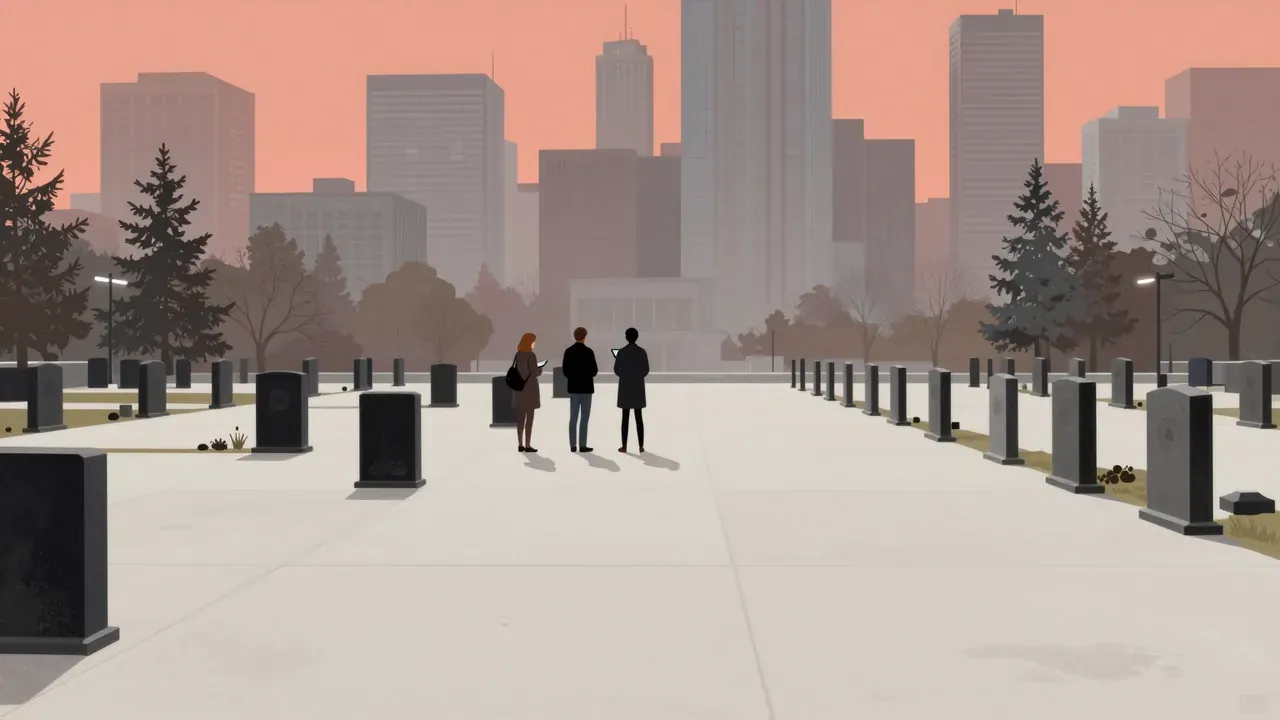
David Cronenberg’s 2024 film *The Shrouds* follows a widowed inventor who develops ‘GraveTech’, a technology that broadcasts live 3D images of decomposing corpses via modified shrouds. Set in Toronto and conceived as a response to the director’s own bereavement, the film explores grief as a physical, technological, and architectural condition — one that can be hacked, misrendered, and eroticised. With Vincent Cassel, Diane Kruger, and Guy Pearce, it sustains a tone of clinical unease, privileging conceptual rigour over narrative resolution.

13:00

Videodrome

David Cronenberg · 1983

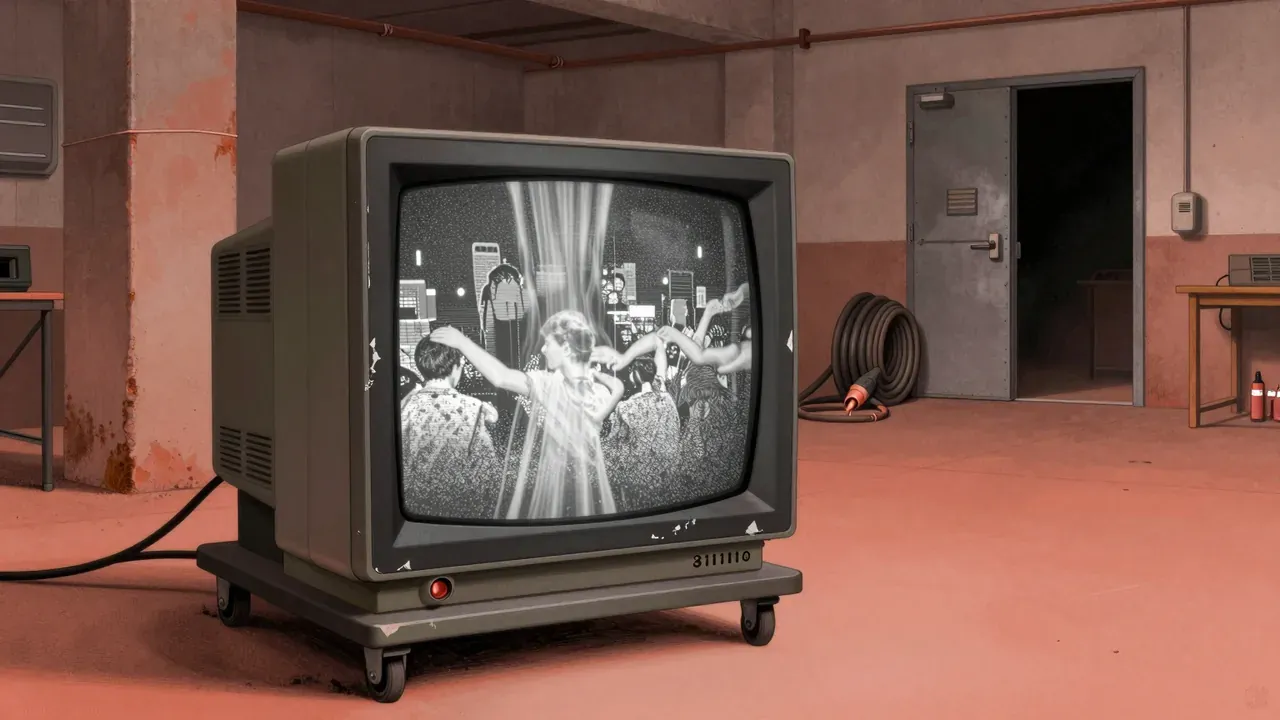
David Cronenberg’s 1983 body horror film follows a Toronto TV executive who discovers a mysterious broadcast signal that induces violent hallucinations and physical mutations. Shot in Toronto with a $6m budget, it uses practical effects, analog video textures, and Howard Shore’s synth score to construct a world where media literally rewires the body. Though a box-office failure, it has endured as a cult touchstone for its fusion of psychosexual theory and visceral craft.

13:00

The Lord of the Rings: The Fellowship of the Ring

Peter Jackson · 2001

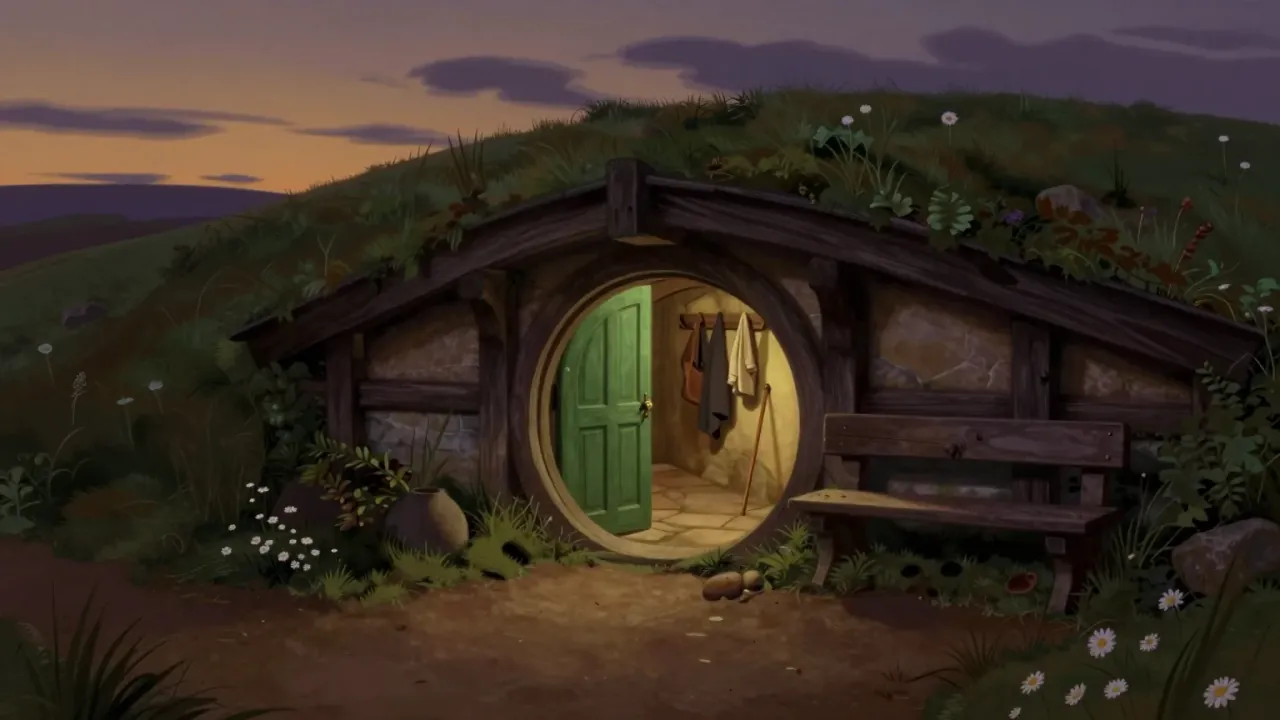
Peter Jackson’s 2001 adaptation of Tolkien’s first volume establishes Middle-earth as a lived-in world, anchored by Andrew Lesnie’s grounded cinematography, Howard Shore’s leitmotif-driven score and performances that privilege quiet resolve over grand pronouncement. At 178 minutes, it balances epic scope with intimate moral stakes — Frodo’s burden, Sam’s loyalty, Arwen’s choice — treating myth not as allegory but as lived consequence. Though some narrative compressions blunt psychological nuance, its thematic coherence and craft cohesion make it a benchmark for fantasy filmmaking.

13:00

The Silence of the Lambs

Jonathan Demme · 1991

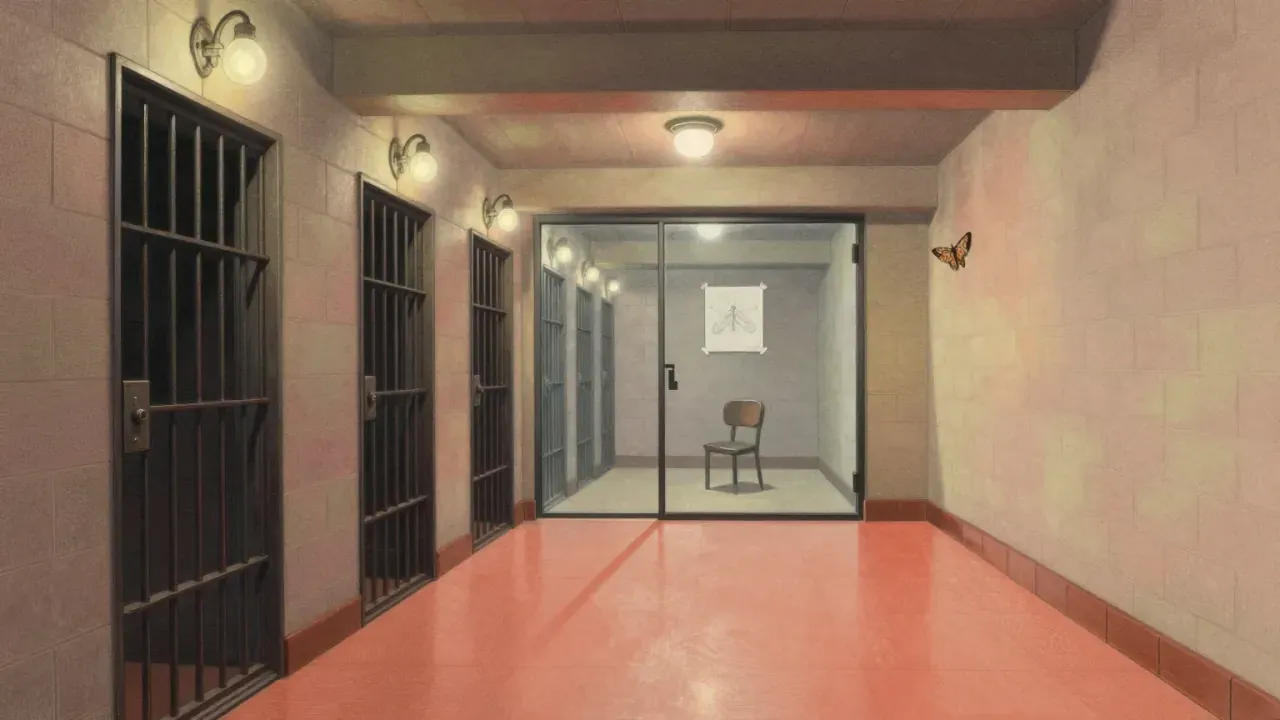
Jonathan Demme's 1991 thriller sends FBI trainee Clarice Starling to interview imprisoned psychiatrist and cannibal Hannibal Lecter for insight into a serial killer skinning his victims. Adapted by Ted Tally from Thomas Harris's novel and shot by Tak Fujimoto, it swept the Academy Awards' top five categories, a feat achieved by only three films, and remains the only horror film to win Best Picture.

13:00

The Wolf of Wall Street

Martin Scorsese · 2013

The Wolf of Wall Street follows Jordan Belfort's rise from a junior broker to the head of Stratton Oakmont, a firm built on pump-and-dump stock schemes, told almost entirely through his own boastful narration. Martin Scorsese directs Leonardo DiCaprio, Jonah Hill and Margot Robbie in a three-hour account, adapted by Terence Winter from Belfort's memoir, that stages fraud as slapstick and addiction as spectacle without ever pulling back to show what any of it cost the people on the other end of the trades.