filmbriefs
Producer

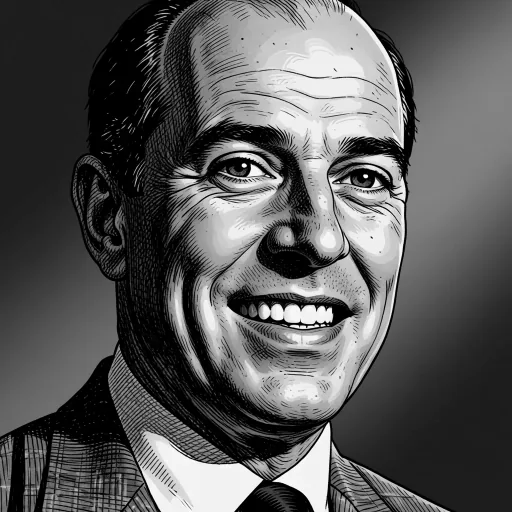
Carlo Ponti

4
briefs
13:00
average
52 min
in total
On film.briefs4
13:00

Blowup

Michelangelo Antonioni · 1966

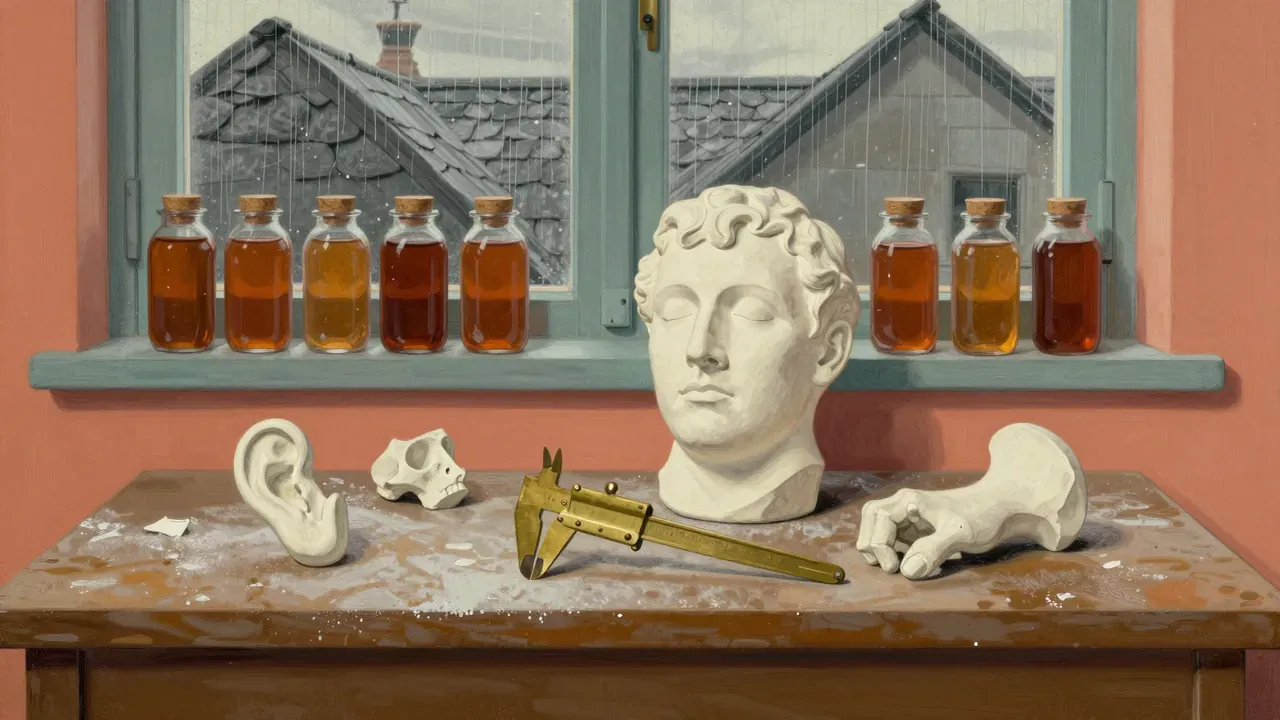
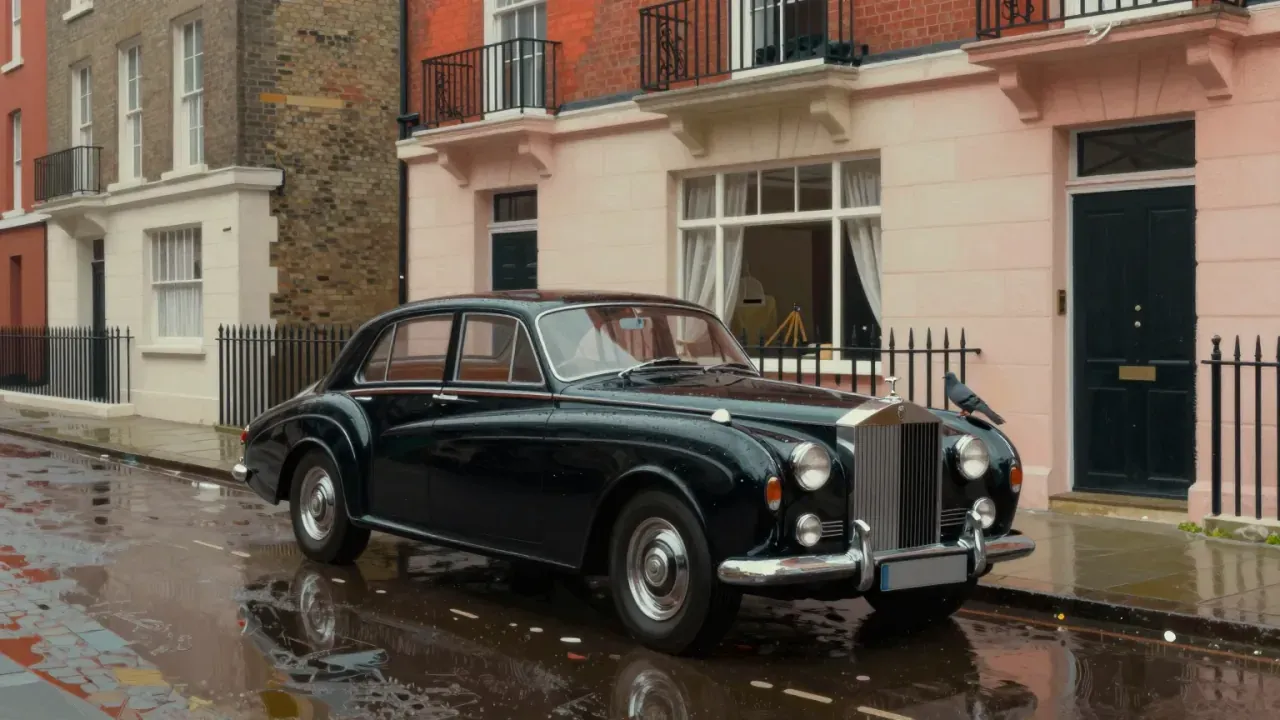
Michelangelo Antonioni’s 1966 English-language debut follows a London fashion photographer who believes he has photographed a murder — only to find that each enlargement deepens uncertainty rather than clarifying truth. Shot on location across Swinging London, with Carlo Di Palma’s restrained cinematography and Herbie Hancock’s sparse jazz score, Blowup uses photographic process as metaphor for perception itself. It won the Palme d’Or, helped end Hollywood’s Production Code, and remains a touchstone for films about mediation, alienation, and the instability of the image.

13:00

The Fireman's Ball

Miloš Forman · 1967

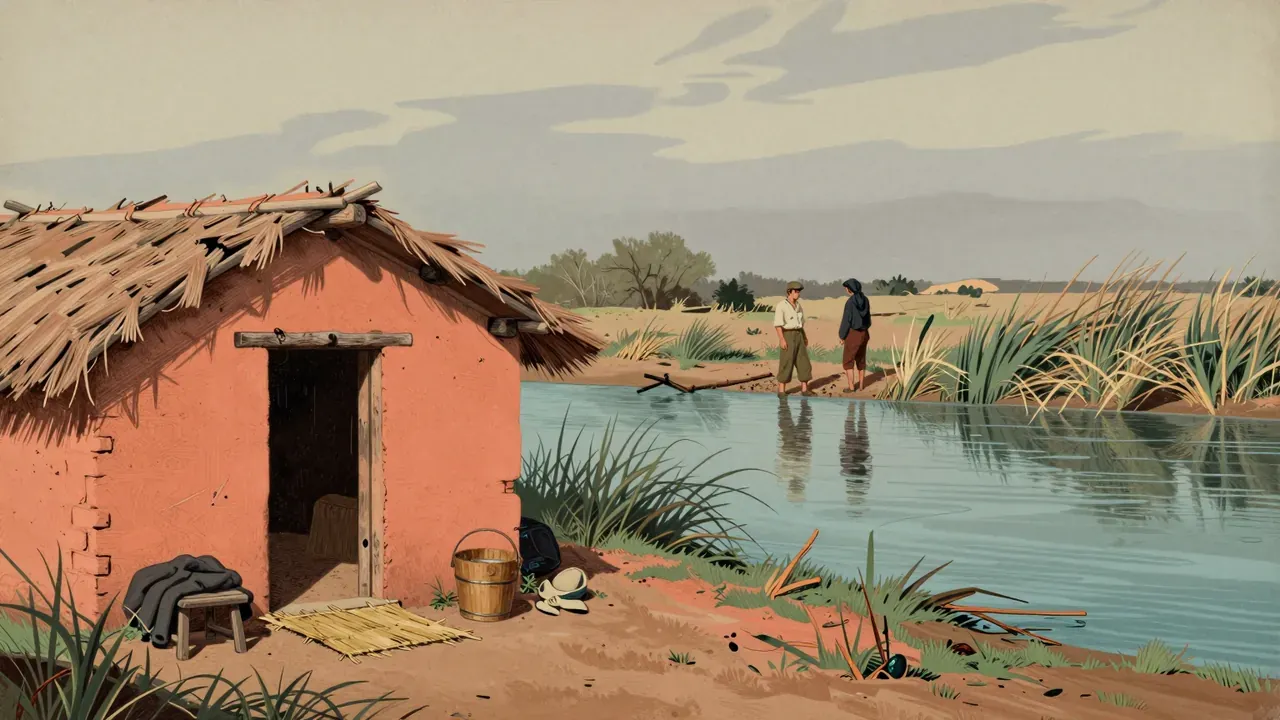
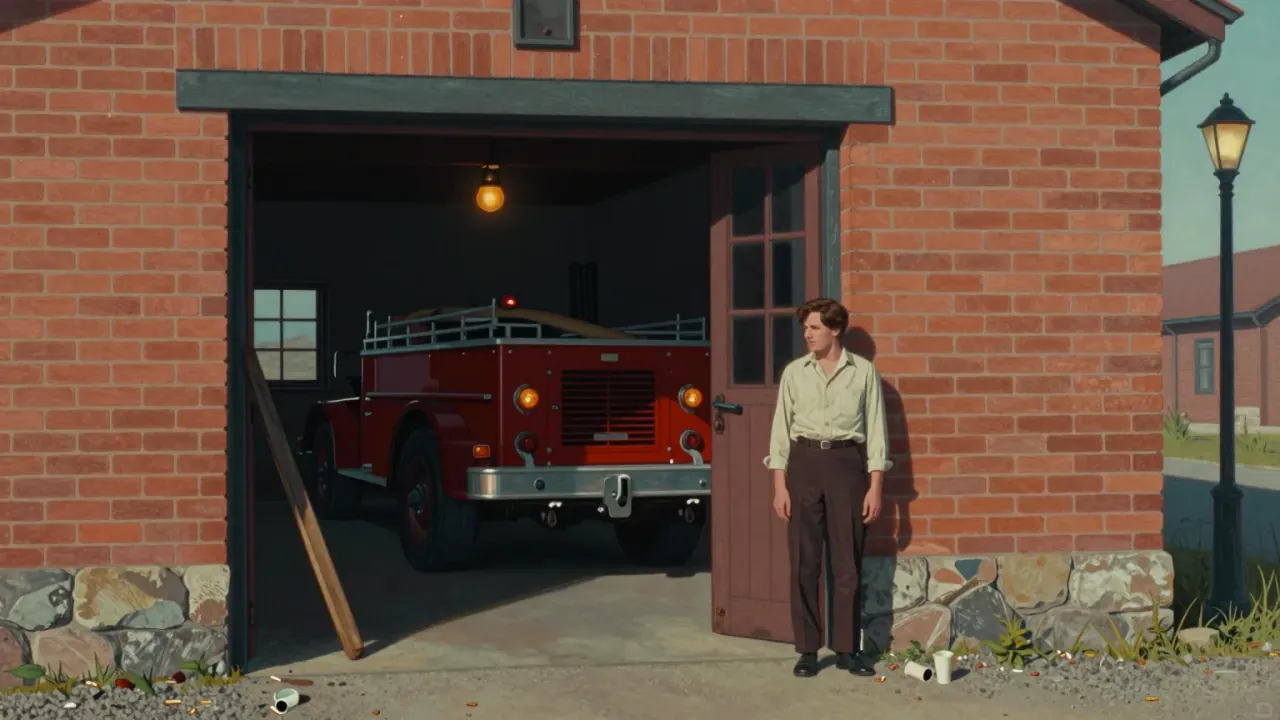
Miloš Forman’s 1967 Czechoslovak comedy follows a provincial fire brigade’s annual ball as it slowly derails under the weight of its own good intentions, indifference and procedural inertia. Shot at Barrandov Studios by Miroslav Ondříček and scored by Karel Mareš, it observes without judging, repeats without explaining, and ends without resolving — making its case for the quiet absurdity of communal life through restraint, not rhetoric.

13:00

Closely Watched Trains

Jiří Menzel · 1966

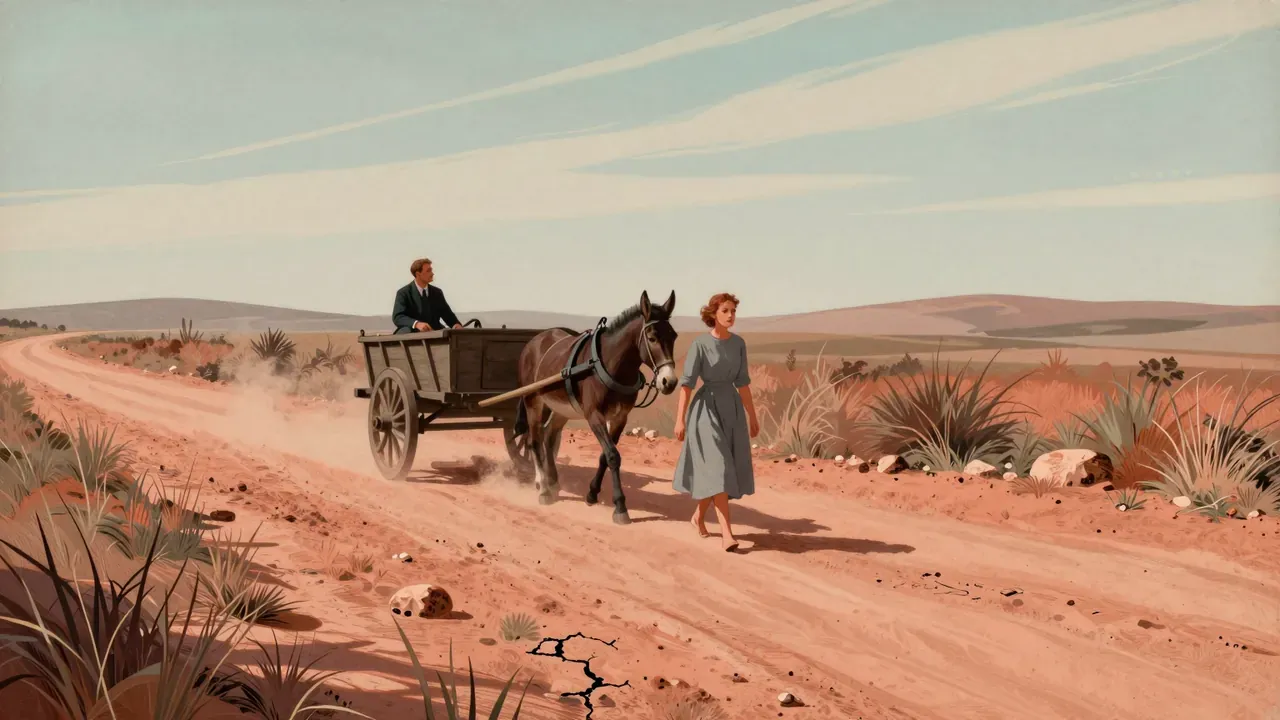
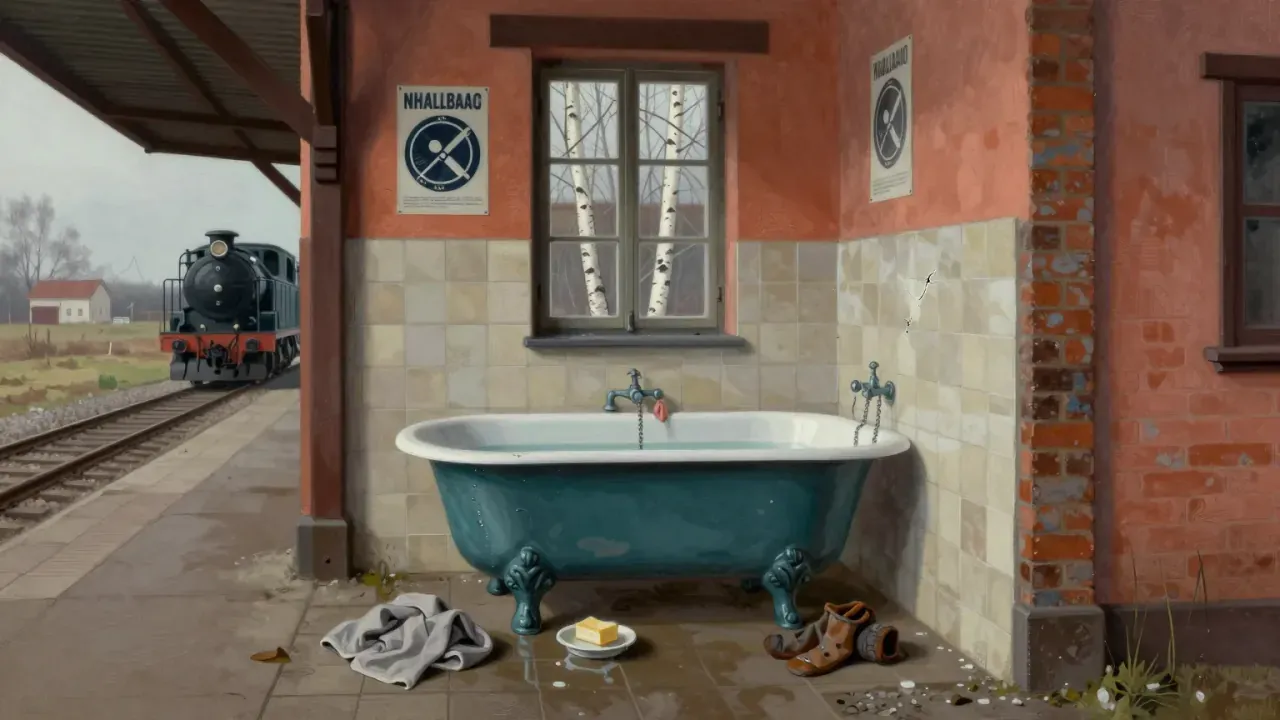
Jiří Menzel’s 1966 debut follows Miloš Hrma, a teenage train dispatcher in German-occupied Bohemia, as he navigates sexual anxiety, bureaucratic absurdity and a small act of resistance. Adapted from Bohumil Hrabal’s novella, it treats war as ambient pressure rather than spectacle, finding gravity in hesitation, humour in proportion, and dignity in failure. Shot by Jaromír Šofr at Barrandov Studios and released the same year, it won the 1968 Academy Award for Best International Feature Film.

13:00

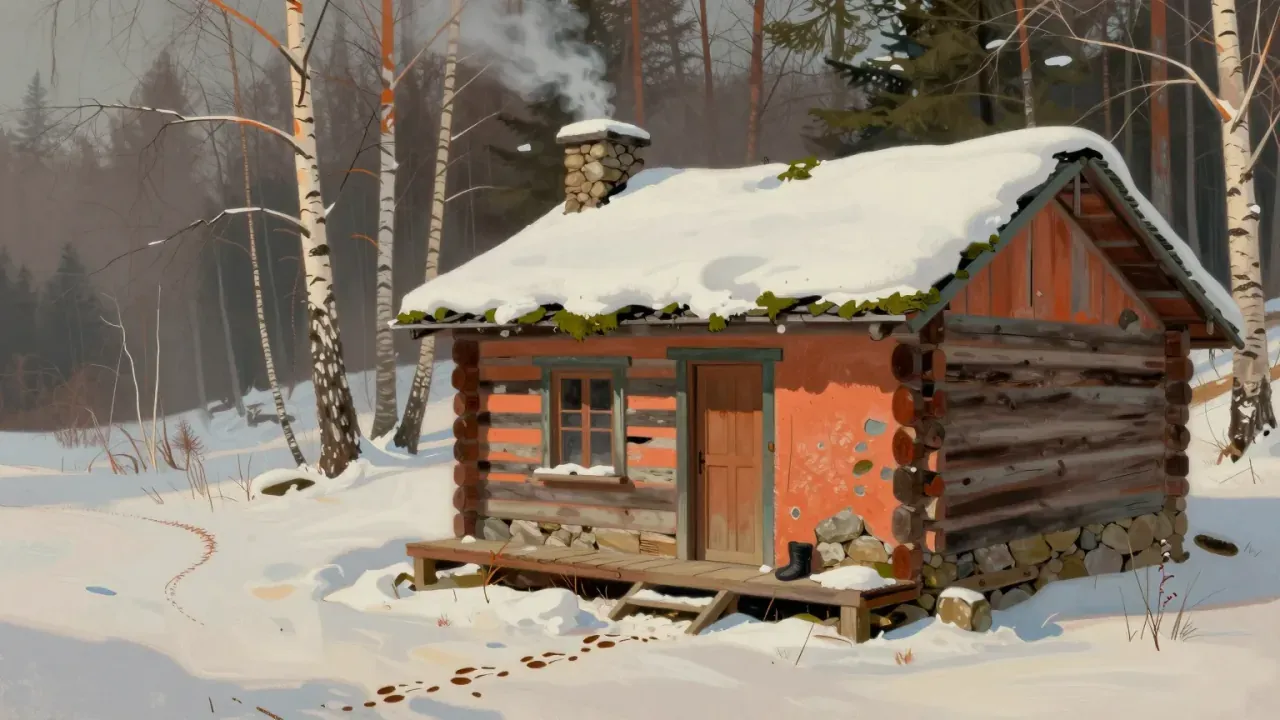
Doctor Zhivago

David Lean · 1965

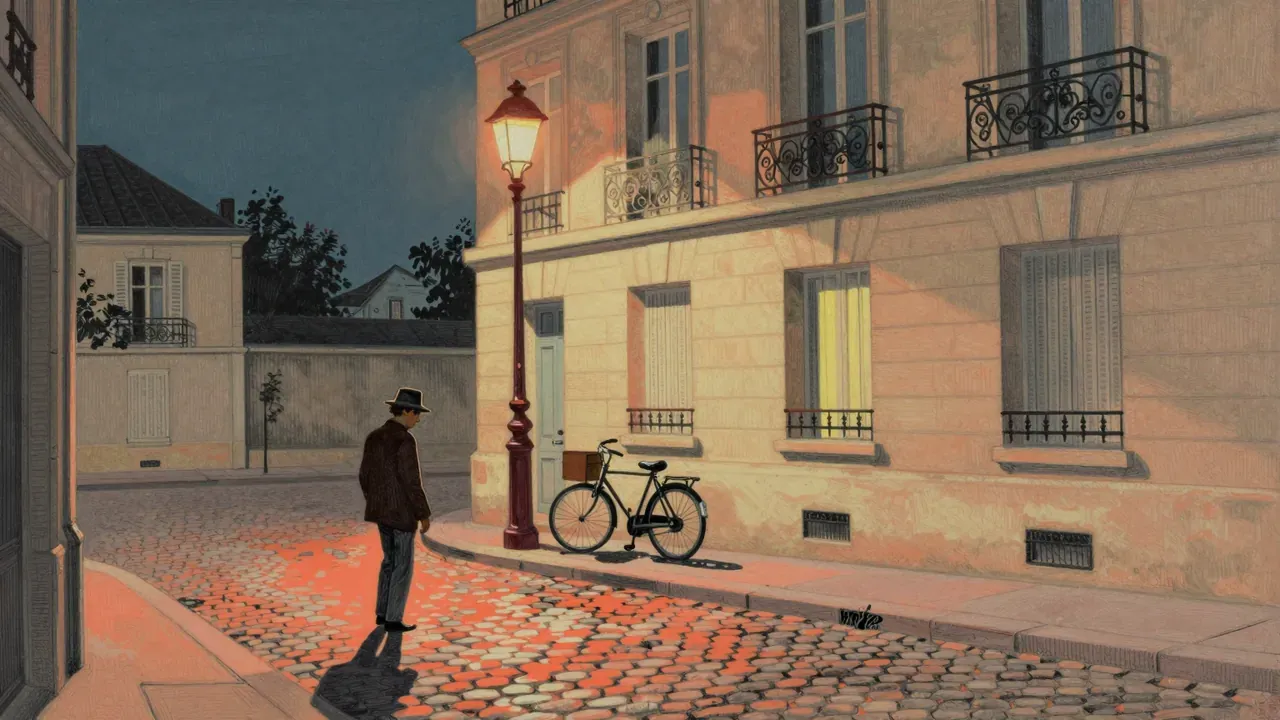
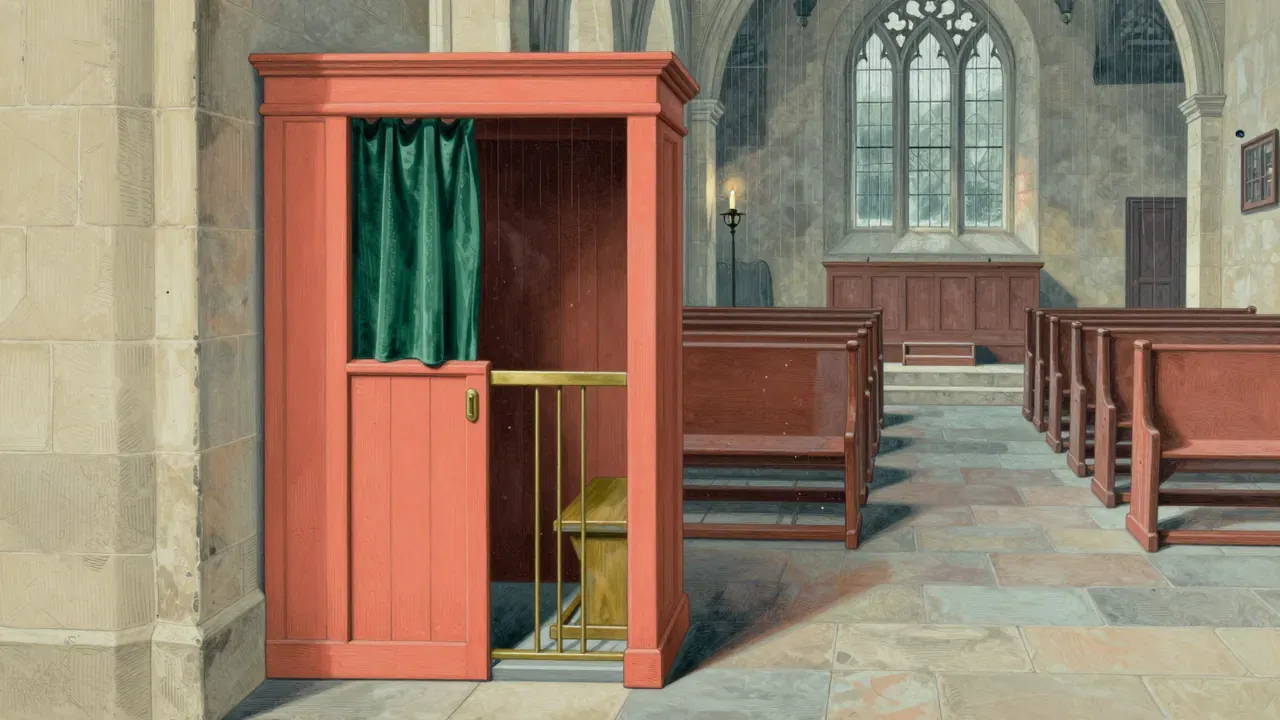
David Lean’s 1965 adaptation of Pasternak’s novel follows physician-poet Yuri Zhivago across Russia’s collapse, centring his love for Lara amid revolution and war. Filmed mostly in Spain with Freddie Young’s wintry cinematography and Maurice Jarre’s iconic score, it prioritises atmosphere and endurance over exposition or ideology. Though criticised for length and historical vagueness, its tactile realism and emotional restraint have secured its place as a benchmark of romantic epic filmmaking.