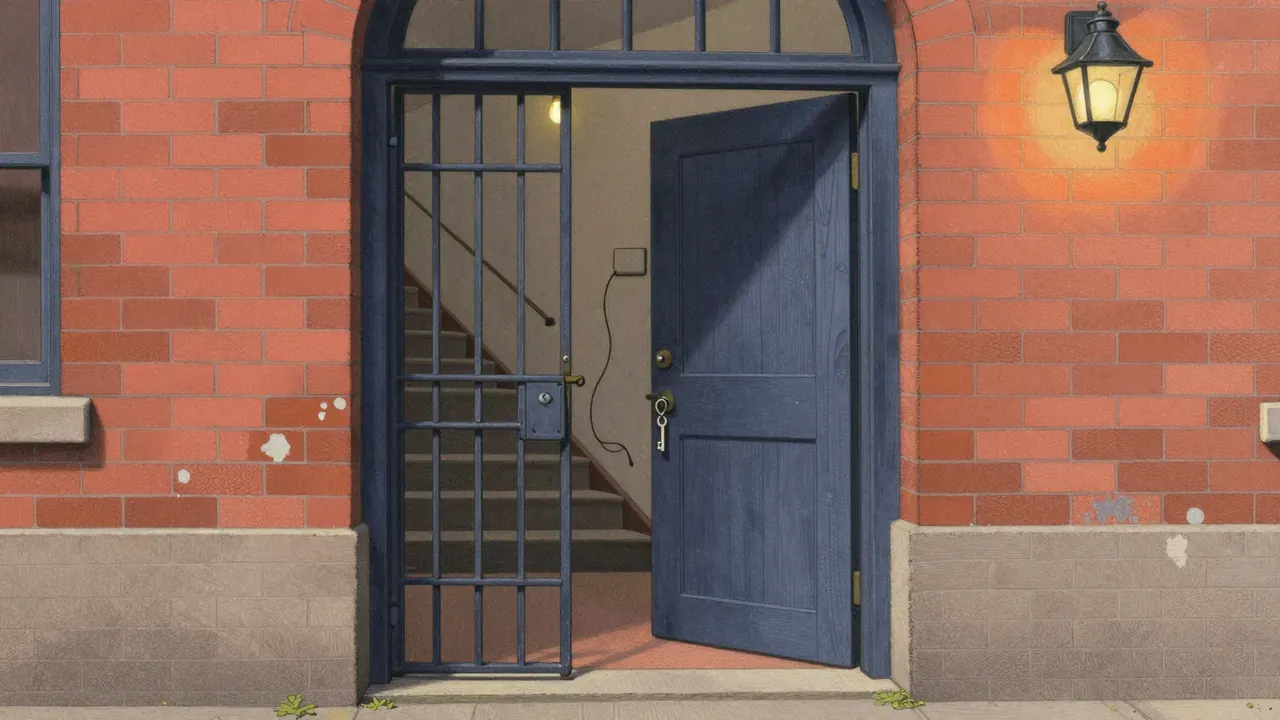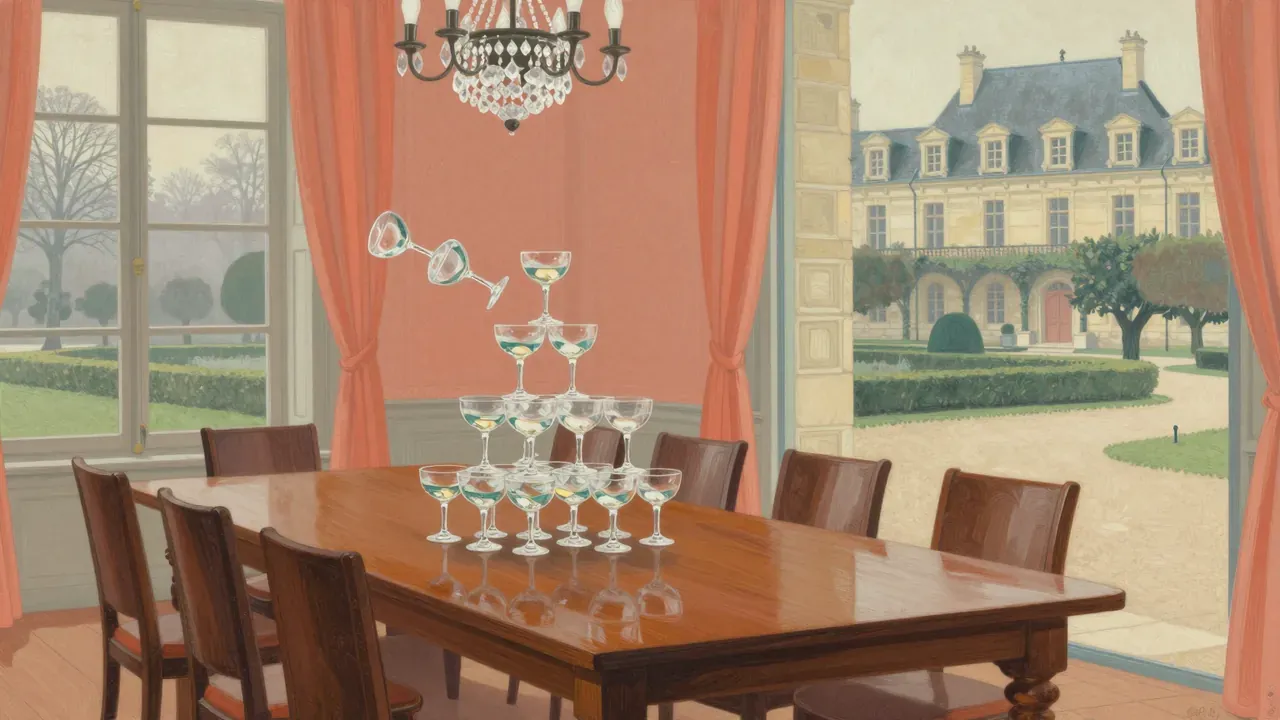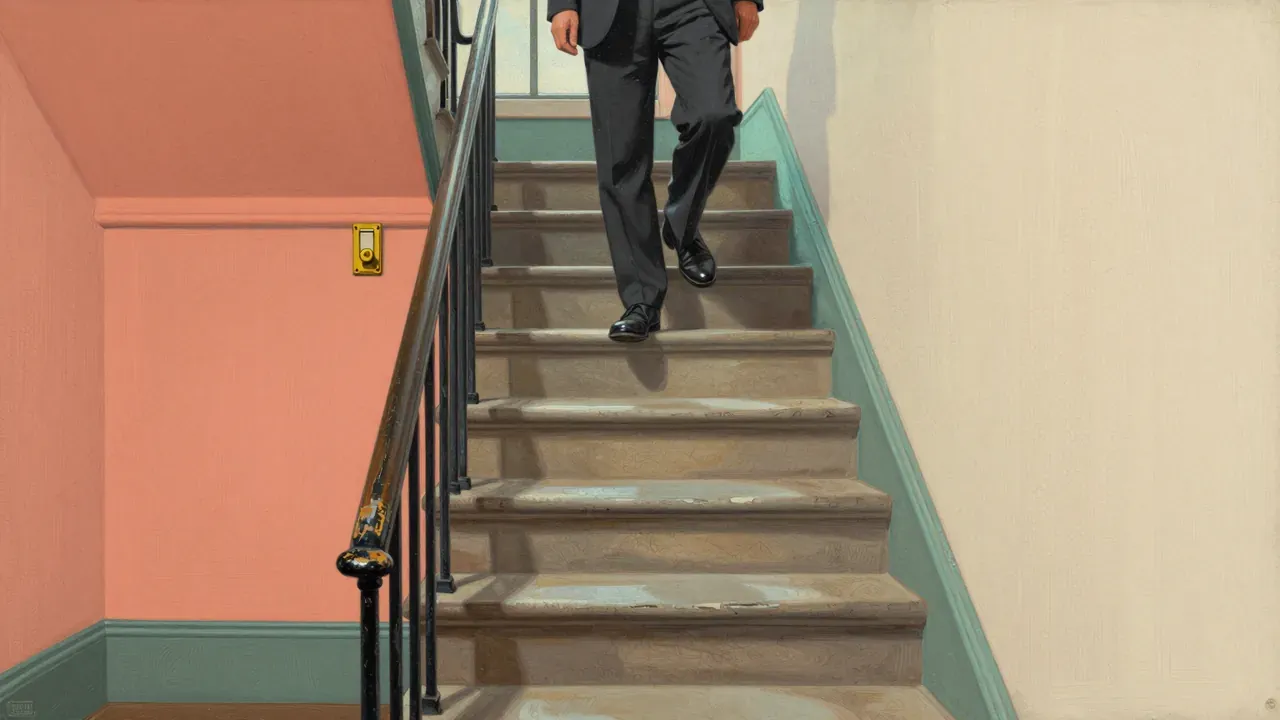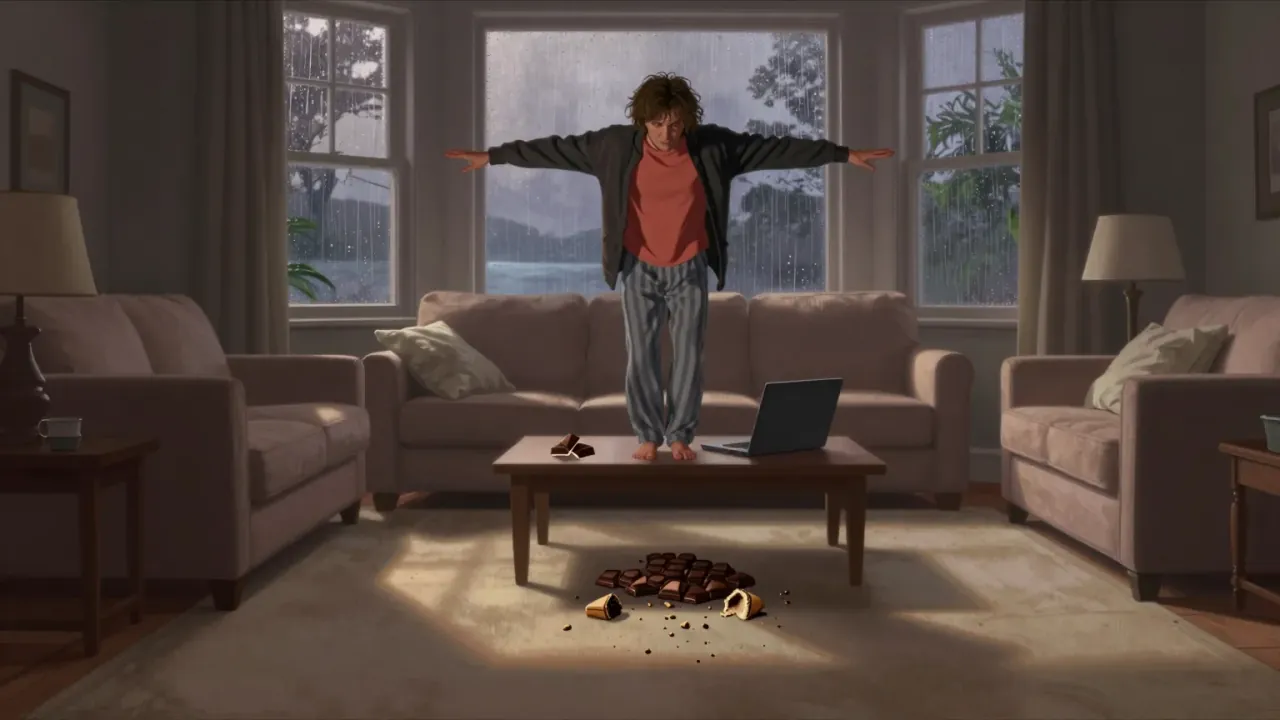
Four separate stories
As Long as You’ve Got Your Health is a French anthology comedy from 1966, structured as four self-contained sketches linked only by tone and recurring performers. It does not aim for narrative continuity or character development across segments, but instead tests variations on modern anxiety—bureaucratic inertia, urban alienation, medicalised distress, recreational futility—through deadpan physical comedy and precise visual timing. Pierre Étaix directs and appears in each episode, anchoring them with a quiet, watchful presence that resists caricature. The film’s ambition lies in its restraint: it avoids satire’s moralising edge and farce’s escalating chaos, opting instead for a dry, almost anthropological observation of how people miscoordinate in everyday settings. Its formal model is closer to silent-era gag construction than to contemporary 1960s New Wave spontaneity—each sketch is tightly composed, deliberately paced, and built around repeated actions rather than dialogue-driven escalation. It tries, and largely succeeds, to make the banal feel freshly absurd without overstating the point.
The discipline of the frame
The film works through discipline at every level: Jean Boffety’s cinematography keeps frames uncluttered and lighting flat, favouring medium shots that allow full-body movement; Marie-Josèphe Yoyotte and Henri Lanoë’s editing sustains rhythm without flourish, cutting on action or pause rather than emphasis; Luce Klein’s score is sparse, functional, never underlining jokes. Performances are uniformly muted—Alain Janey, Annie Savarin, Bernard Dimey and others move with the slight stiffness of people who have rehearsed gestures until they feel automatic. There is no improvisatory looseness. Each sketch follows a clear logic: the vampire reader’s exhaustion accumulates in small shifts of posture; the cinema queue’s collapse emerges from incremental delays, not sudden chaos; the psychiatrist’s breakdown is signalled by his increasing inability to sit still while patients remain rigidly seated. Even the forest segment—a series of unrelated arrivals—relies on strict alternation between wide shots and tight two-shots to hold attention. Nothing feels improvised, yet nothing feels laboured. The craft serves the idea: that absurdity resides in repetition, not rupture.
What lands
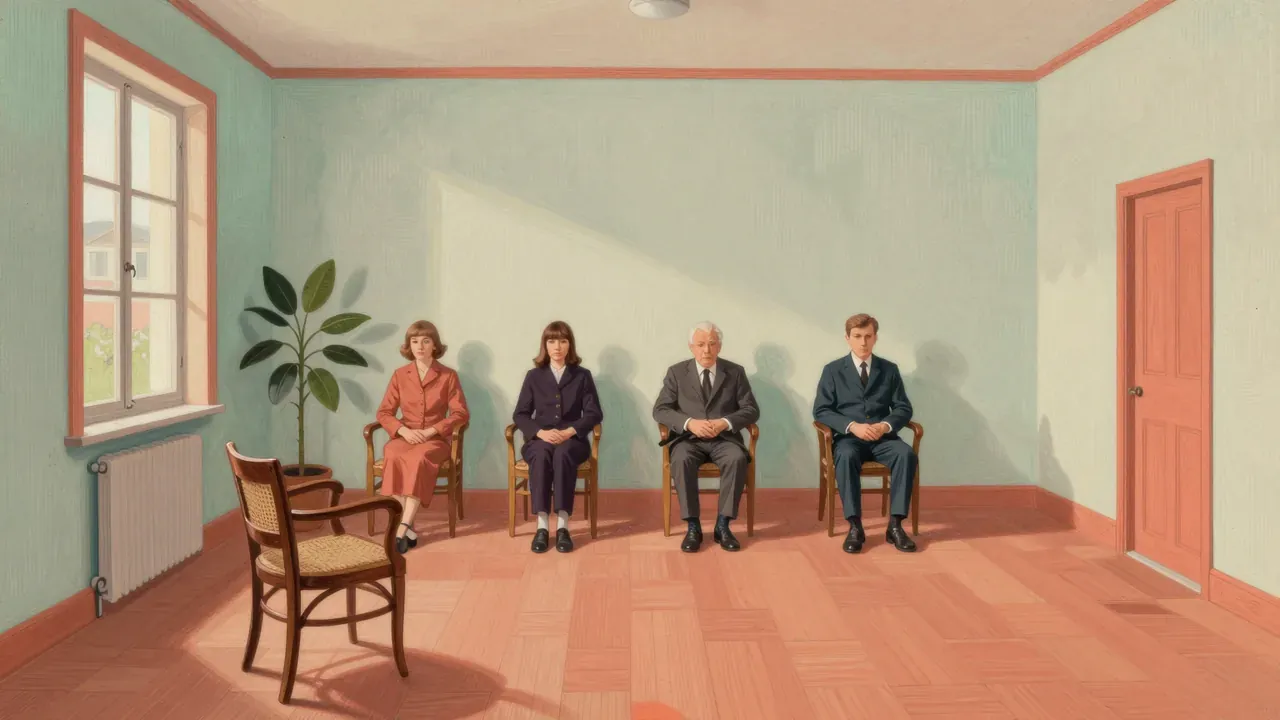
What lands is the cumulative effect of understatement. A man trying—and failing—to sit down in a crowded cinema for three minutes straight becomes quietly devastating because the film refuses to cut away, speed up, or offer commentary. The psychiatrist’s growing agitation registers not through monologue or meltdown but through his hands tightening on his chair arms, then rising to his temples, then gripping his own wrists—movements that escalate only when the editing holds them long enough for the viewer to register their weight. Denise Péronne’s silent, increasingly frantic search for a seat feels more exhausting than any slapstick chase. Sabine Sun’s forest visitor, who arrives with binoculars and stares fixedly at nothing, lands because the framing gives her equal weight to everyone else, refusing to signal whether she is eccentric, lost, or simply present. These moments work because the film treats minor frustrations with the gravity of existential crises—not ironically, but attentively. The humour arises from fidelity to behaviour, not from mocking it.
What does not
What does not land is the forest sketch’s structural ambiguity when taken alone. Without the connective tissue of shared setting or recurring character, its vignettes feel like abandoned ideas rather than conclusions: a man walks in, sits, leaves; a couple argues about direction; a woman takes photographs of tree trunks. Their isolation weakens the film’s otherwise coherent throughline of institutional and social friction. The vampire sketch, though formally elegant, risks monotony—the entire premise rests on one man reading in bed, and while Étaix modulates his expressions finely, the static frame and lack of external interruption limit variation. Also, the film’s refusal to name or explain its anxieties means some viewers may read its scenes as merely quaint or dated rather than diagnostic. Those expecting the verbal wit of Carrière’s later work with Buñuel will find little here beyond functional dialogue; the script serves movement, not epigram. Its austerity, which strengthens most segments, occasionally reads as withholding rather than precision.
The weight of routine
The themes that matter are the quiet erosion of agency in routine environments—the workplace, the clinic, the cinema, even the woods—and the way stress migrates upward, from patient to doctor, from audience to usher, from reader to dreamer. It treats health not as a biological state but as a social fiction we maintain through mutual pretence: the psychiatrist’s breakdown is funny only because he has spent the scene insisting everyone else is fine. The film also examines the persistence of ritual in the absence of meaning: buying a ticket, taking a seat, consulting an expert, walking into a forest—these acts retain form even when their purpose dissolves. There is no nostalgia for pre-modern life, nor condemnation of modernity; instead, a steady gaze at how people keep moving forward without knowing why. The recurring motif of failed seating—no one finds a place to rest—suggests a deeper unease about belonging, not just comfort. These are not themes announced but accumulated, emerging from the weight of repeated failure to settle.
Who it is for
This film rewards viewers who value choreographed silence over punchlines, who notice how a character blinks twice before speaking, who find tension in a held pause rather than a slammed door. It suits those familiar with Tati or early Keaton, or who appreciate the structural rigour of Ozu’s domestic comedies. It is not for viewers who need narrative propulsion, emotional exposition, or clear moral framing—those seeking catharsis or insight into character psychology will find the film withholding. People who rely on dialogue to anchor meaning may struggle, as much of the storytelling happens in foot placement and shoulder angle. It is also unlikely to engage younger audiences accustomed to faster rhythmic editing or overt irony. A viewer who dislikes films where nothing ‘happens’ in the conventional sense will leave impatient. That said, the verdict would shift for anyone willing to adjust their attention span to the film’s tempo: it asks not for interpretation but for observation, and rewards patience with precision.
Is it worth your evening
Yes, it is worth your evening—if you approach it as a series of calibrated experiments in comic timing rather than a story to be followed. Its seventy-nine minutes pass without strain because it never rushes, never explains, and never mistakes busyness for purpose. You will not laugh out loud often, but you may catch yourself holding your breath during a slow pan across empty cinema seats, or smiling at the exact moment a man’s hat tilts forward as he dozes off mid-consultation. It is not demanding in the way of difficult art, but it does require surrender to its pace: no rewinds, no skimming, no multitasking. Those who dislike films that ask for sustained attention without offering distraction will find it tedious. But for anyone open to comedy as a form of gentle, unsentimental anthropology—of watching humans negotiate spaces they did not design—it remains unusually generous in its clarity and calm. Its value lies in what it refuses to do as much as what it achieves.