filmbriefs
Cinematographer · 1923–2021

Giuseppe Rotunno

11
briefs
13:00
average
143 min
in total
On film.briefs11
13:00

All That Jazz

Bob Fosse · 1979

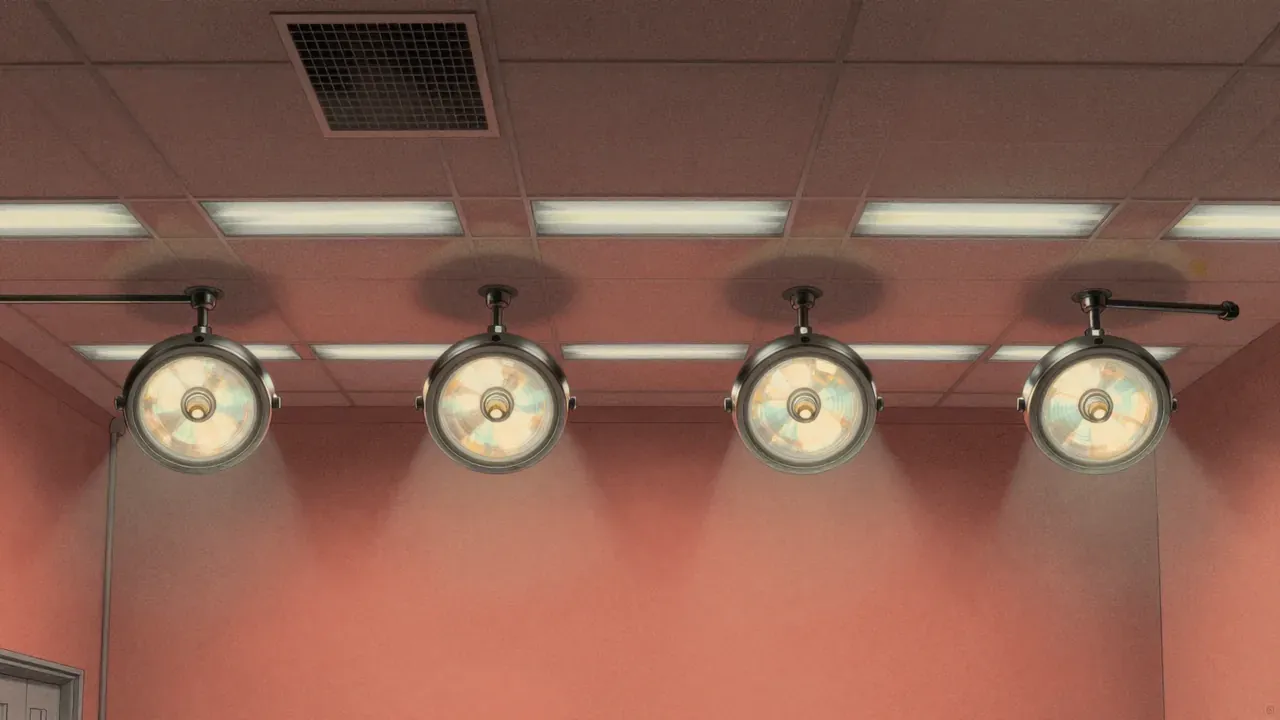
Bob Fosse’s 1979 semi-autobiographical musical follows Joe Gideon—a director and editor burning himself out across Broadway and Hollywood—as his body fails. Using dance, dream logic, and clinical realism, it maps the collision of creative obsession and physical collapse. Roy Scheider stars; Giuseppe Rotunno shoots; Alan Heim edits; Ralph Burns scores. It won four Oscars and the Palme d’Or, and remains a benchmark for formal audacity in American cinema.
13:00

And the Ship Sails On

Federico Fellini · 1983

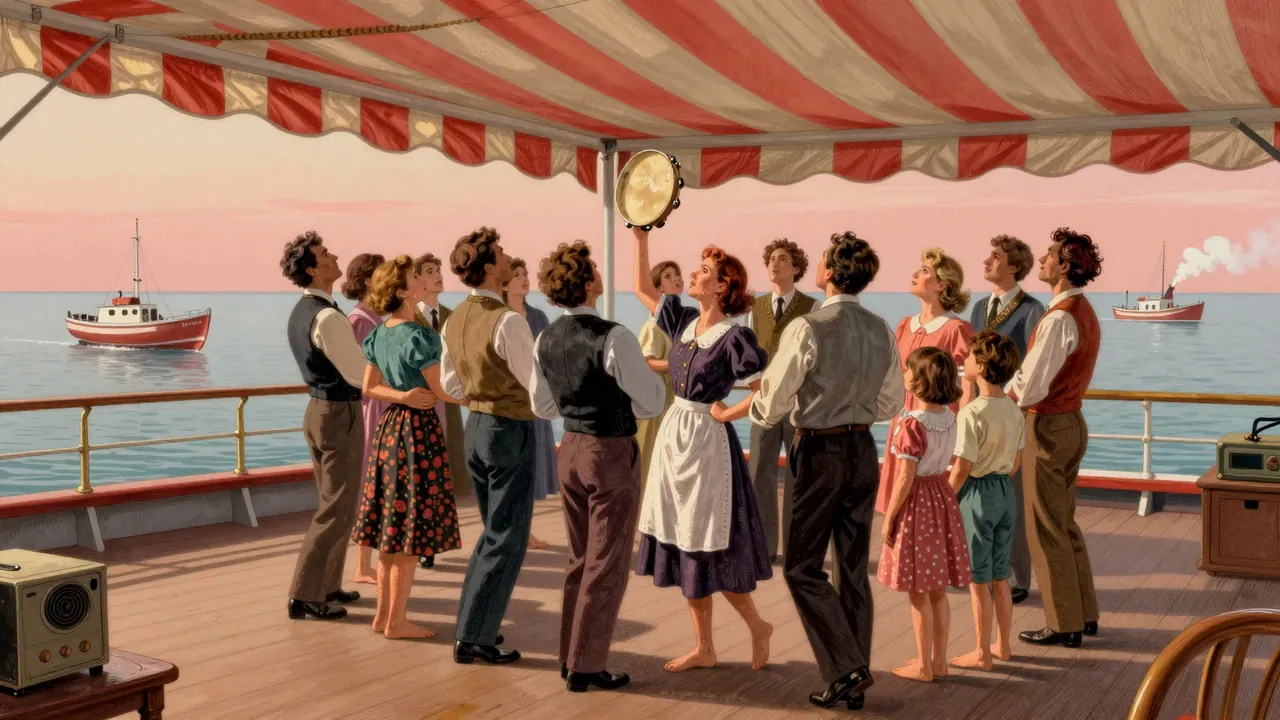
Set aboard the luxury liner Gloria N. in July 1914, Federico Fellini’s And the Ship Sails On follows a funeral voyage to scatter the ashes of a legendary opera singer. Through journalist Orlando’s wry narration, the film assembles a gallery of caricatured aristocrats, artists, and dignitaries — all performing grief, status, and obsession aboard a vessel that doubles as a stage, museum, and mausoleum. Giuseppe Rotunno’s cinematography and Dante Ferretti’s sets sustain a lush, theatrical artifice, while Gianfranco Plenizio’s score underscores the film’s blend of grandeur and gentle absurdity. The voyage ends not with resolution but with sinking — literal and metaphorical — as the ship founders amid cannon fire and butterflies.

13:00

Roma

Federico Fellini · 1972

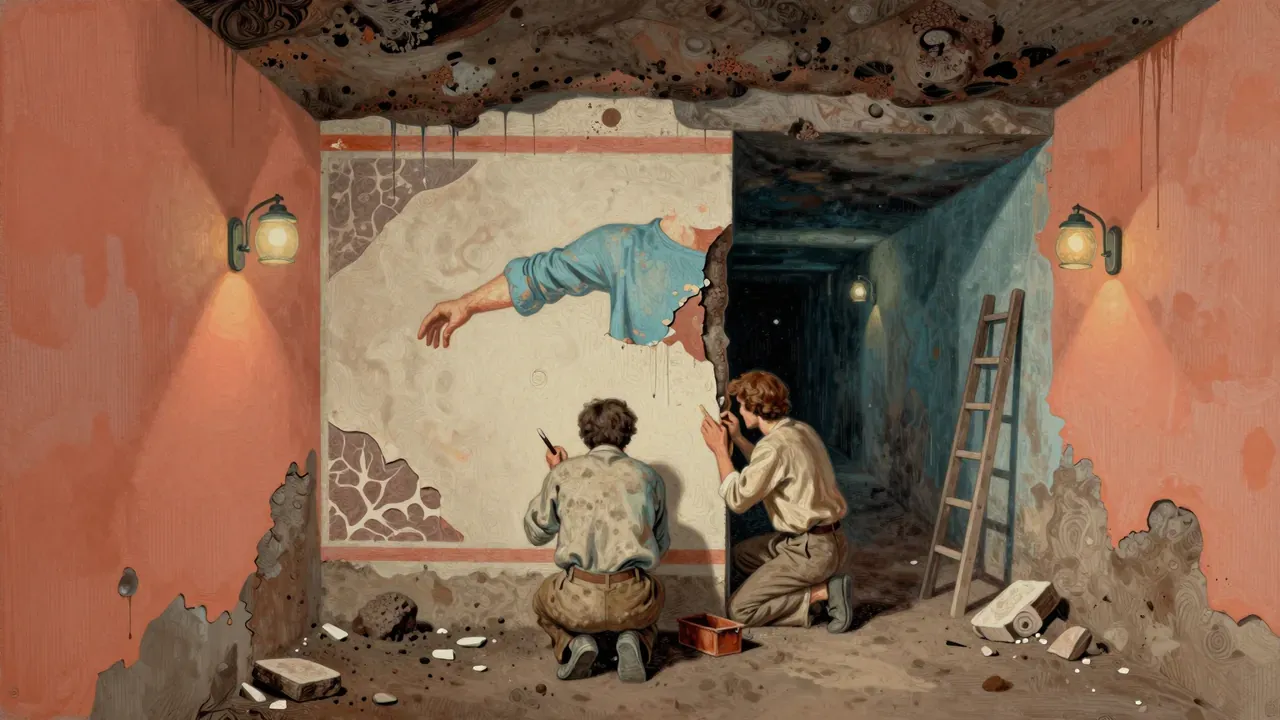
Federico Fellini’s 1972 Roma is a semi-autobiographical, episodic portrait of the city as living archive. Alternating between the director’s youth in Fascist-era Rome and his present-day filming in the early 1970s, it builds meaning through texture, juxtaposition, and sustained observation rather than narrative. Giuseppe Rotunno’s cinematography, Nino Rota’s score, and Danilo Donati’s production design render Rome tactile and layered — ancient, sacred, vulgar, and resilient. Though uneven in pacing and occasionally opaque in intent, it remains a singular achievement in cinematic essay-making: a city remembered not as fact, but as feeling.

13:00

Satyricon

Federico Fellini · 1969

Federico Fellini’s 1969 Satyricon is a hallucinatory, episodic reimagining of Petronius’s fragmented Roman satire. Shot on studio sets and Italian locations by Giuseppe Rotunno, it follows Encolpius (Martin Potter) through a surreal, decaying empire — brothels, banquets, pirate ships, deserts — where power is performative, desire transactional, and narrative secondary to texture and tone. Nino Rota’s score and Danilo Donati’s production design anchor its visceral, dreamlike logic.

13:00

The Adventures of Baron Munchausen

Terry Gilliam · 1988

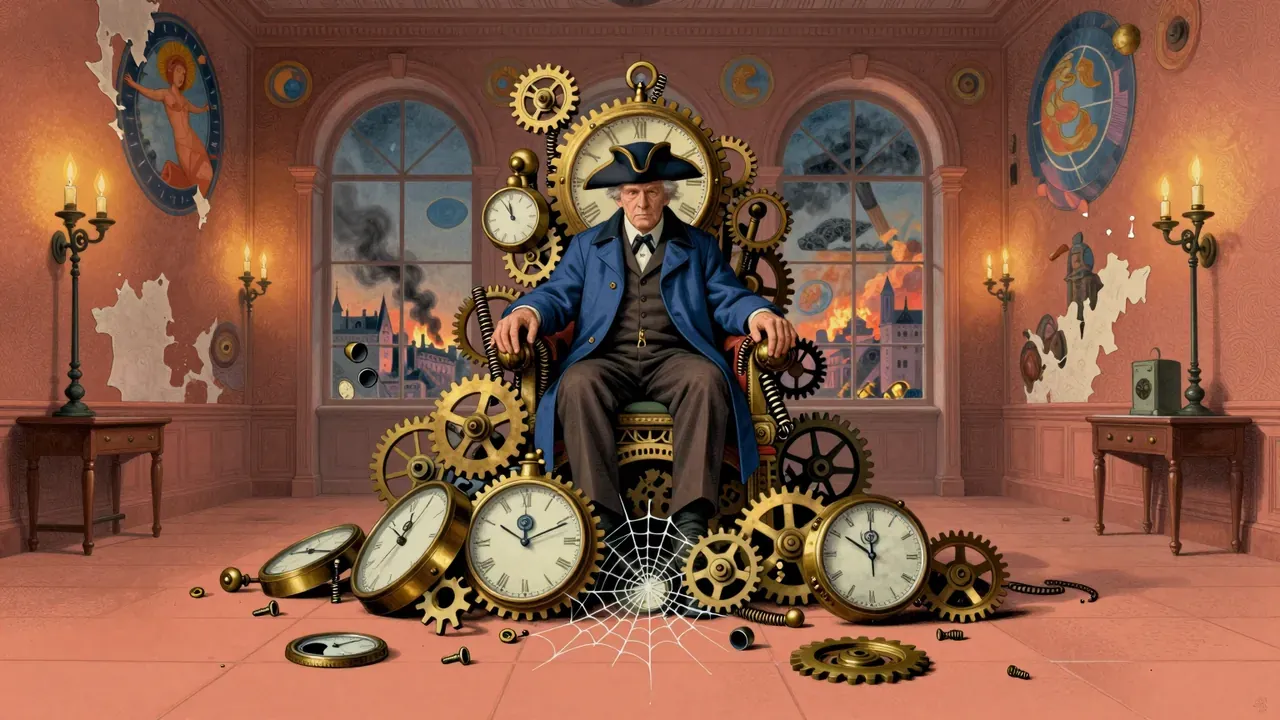
Terry Gilliam’s 1988 fantasy follows the ageing Baron Munchausen as he reassembles his legendary crew to rescue a besieged city—not with weapons, but with stories. Shot on practical sets with elaborate costumes and in-camera effects, it privileges tactile invention over narrative efficiency. Though its box office failure and production turmoil are well documented, the film endures as a singular argument for imagination as an act of defiance against literalism, bureaucracy and time itself.

13:00

The Organizer

Mario Monicelli · 1963

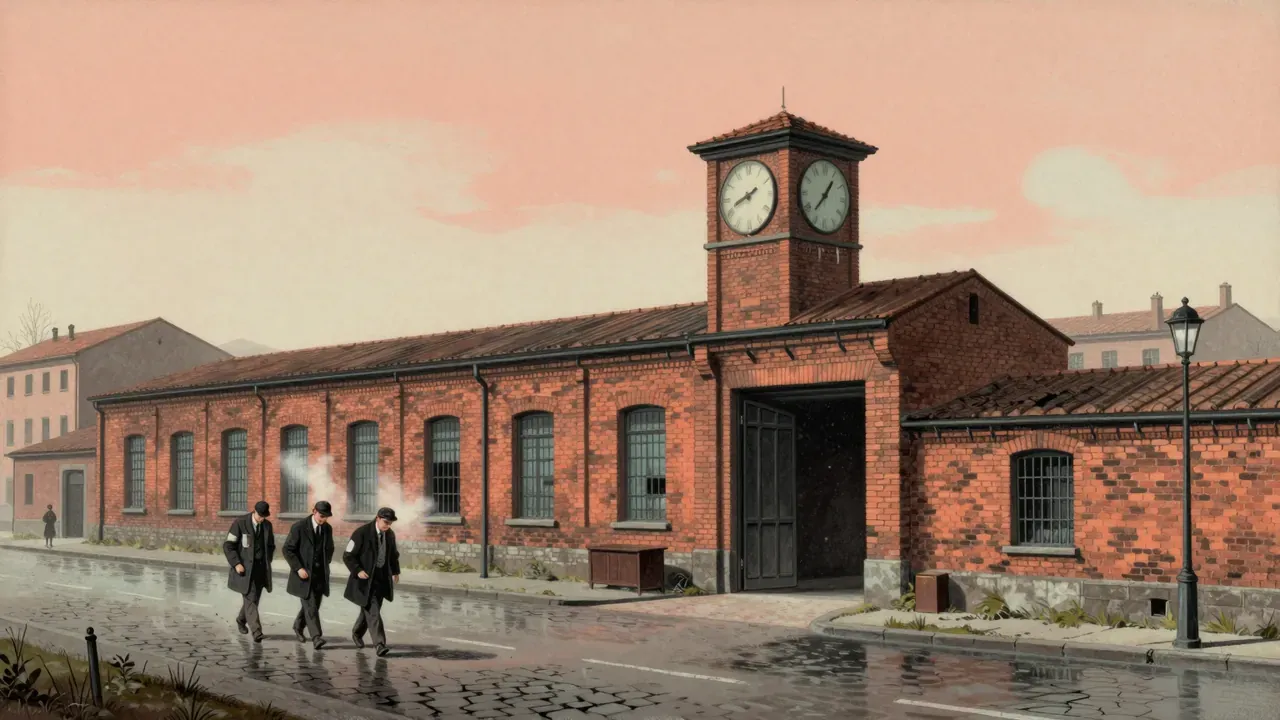
Set in 1890s Turin, Mario Monicelli’s The Organizer follows textile workers organising their first strike, aided—and complicated—by a fugitive labour activist. Shot in black-and-white by Giuseppe Rotunno, it balances social gravity with commedia all’italiana’s tonal elasticity, refusing heroic framing in favour of accumulated detail: fatigue, hesitation, shared bread, and quiet persistence. Its power lies in restraint, not rhetoric.

13:00

White Nights

Luchino Visconti · 1957

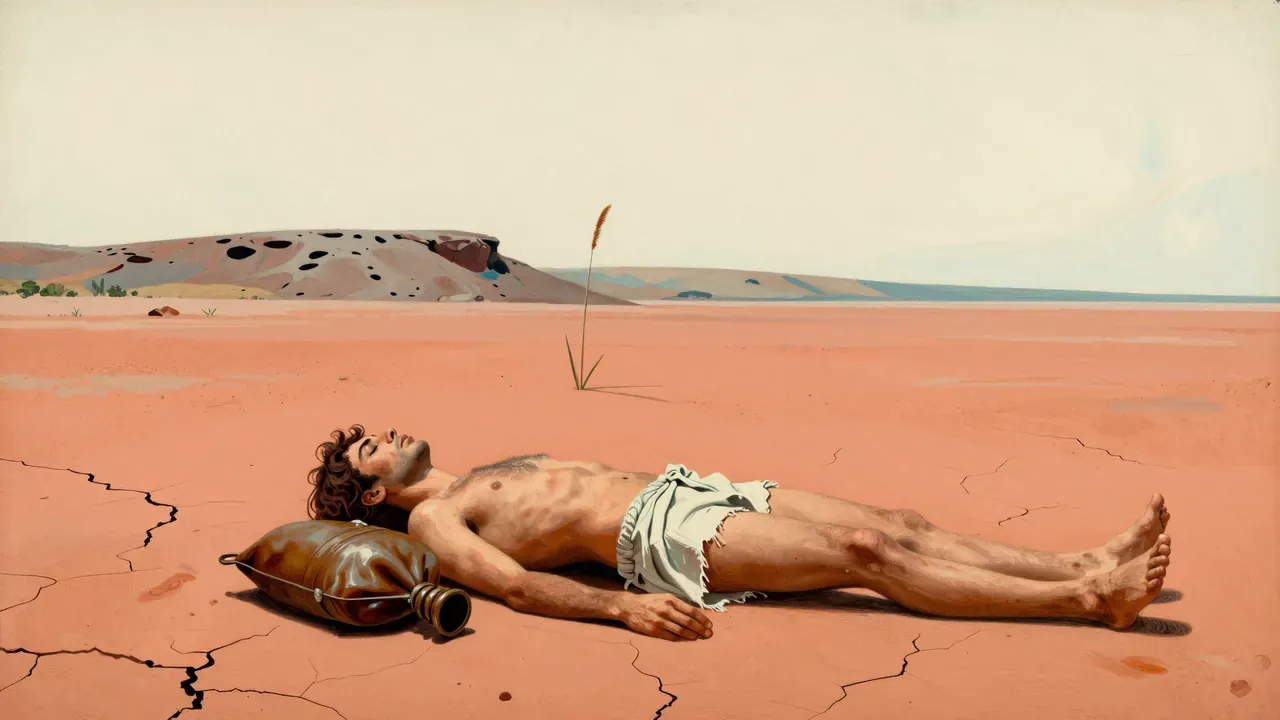
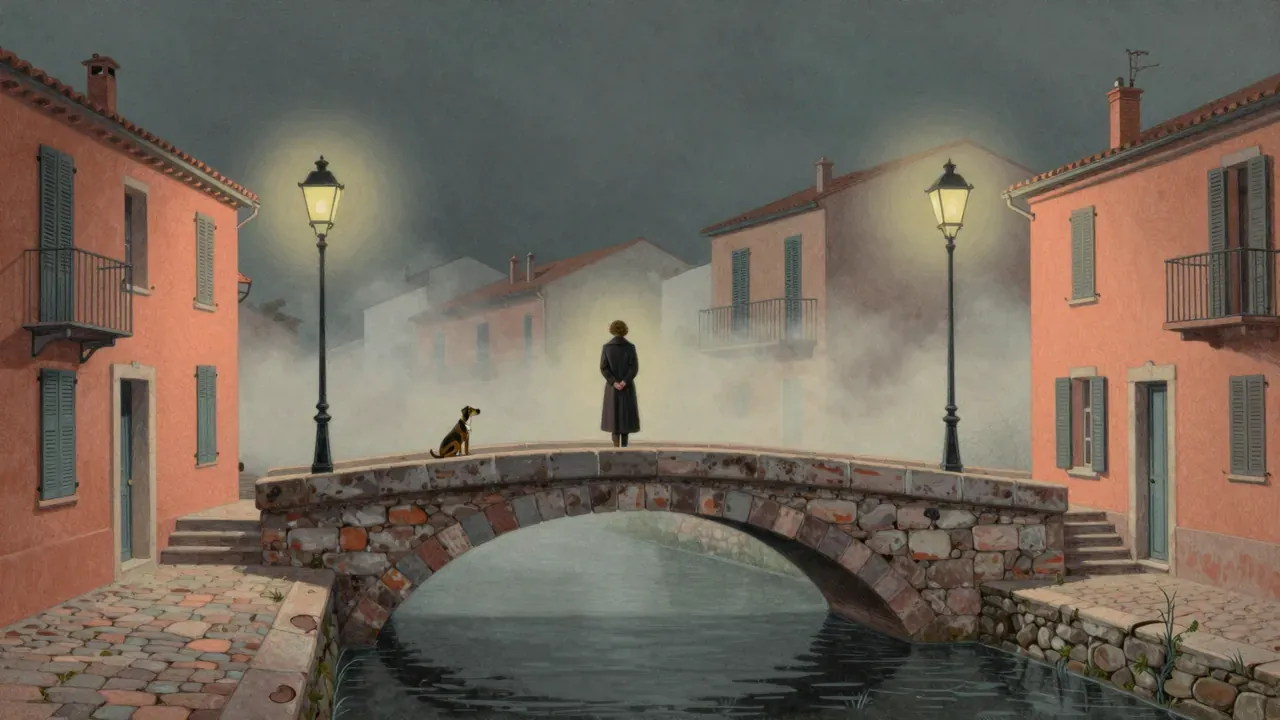
Luchino Visconti’s 1957 adaptation of Dostoevsky’s ‘White Nights’ transposes the short story’s introspective melancholy into a meticulously controlled studio production. Set over three winter nights in a recreated Livorno, it follows Mario’s growing attachment to Natalia, who waits nightly for a lover who may never return. With Maria Schell, Marcello Mastroianni and Jean Marais, and cinematography by Giuseppe Rotunno, the film sustains a tone of quiet inevitability—rejecting catharsis in favour of emotional precision.

13:00

Amarcord

Federico Fellini · 1973

Federico Fellini’s 1973 Amarcord is a semi-autobiographical art film set in a fictionalised 1930s Rimini, structured as a year-long seasonal cycle through the life of a coastal village under Fascism. Starring Bruno Zanin and featuring a large ensemble of professional and non-professional actors, it uses exaggerated, theatrical imagery and episodic storytelling to evoke memory as associative, contradictory, and deeply sensual. Giuseppe Rotunno’s cinematography, Nino Rota’s score, and Ruggero Mastroianni’s editing cohere around a central irony: that collective remembrance often obscures moral accountability. Winner of the 1975 Academy Award for Best International Feature Film, it remains a defining work of Italian arthouse cinema.

13:00

Carnal Knowledge

Mike Nichols · 1971

Mike Nichols’ 1971 Carnal Knowledge follows two men across twenty-five years as their relationships with women deteriorate not through crisis but through repetition, habit, and emotional default. Adapted from Jules Feiffer’s play, it uses flat lighting, restrained performances, and unadorned editing to chart how language, routine and performance replace intimacy. Starring Jack Nicholson, Art Garfunkel, Ann-Margret and Candice Bergen, it remains a cold, structurally rigorous study of masculinity and desire — admired for its honesty, challenged for its austerity.

13:00

Rocco and His Brothers

Luchino Visconti · 1960

Luchino Visconti’s 1960 epic follows the Parondi family—mother and four sons—as they migrate from rural Lucania to industrial Milan. Their attempts to adapt fracture along lines of class, labour, and desire: Simone turns to boxing and self-destruction, Rocco clings to quiet decency, Ciro embraces union politics, and Luca walks away. Shot by Giuseppe Rotunno in Milan’s housing projects and factories, scored by Nino Rota, and performed with restrained intensity by Alain Delon, Renato Salvatori and Annie Girardot, the film treats disintegration as process, not event.

13:00

The Leopard

Luchino Visconti · 1963

Luchino Visconti’s 1963 adaptation of Tomasi di Lampedusa’s novel follows Sicilian Prince Don Fabrizio Corbera as he observes — without intervening — the slow displacement of aristocracy by a rising bourgeoisie during the Italian unification of 1860. Starring Burt Lancaster, Claudia Cardinale, and Alain Delon, it is a visually sumptuous, deliberately paced drama whose power resides in accumulation, restraint, and the physical texture of decay.