filmbriefs
Cinematographer · 1902–2000

Otello Martelli

10
briefs
13:00
average
130 min
in total
On film.briefs10
13:00

Bitter Rice

Giuseppe De Santis · 1949

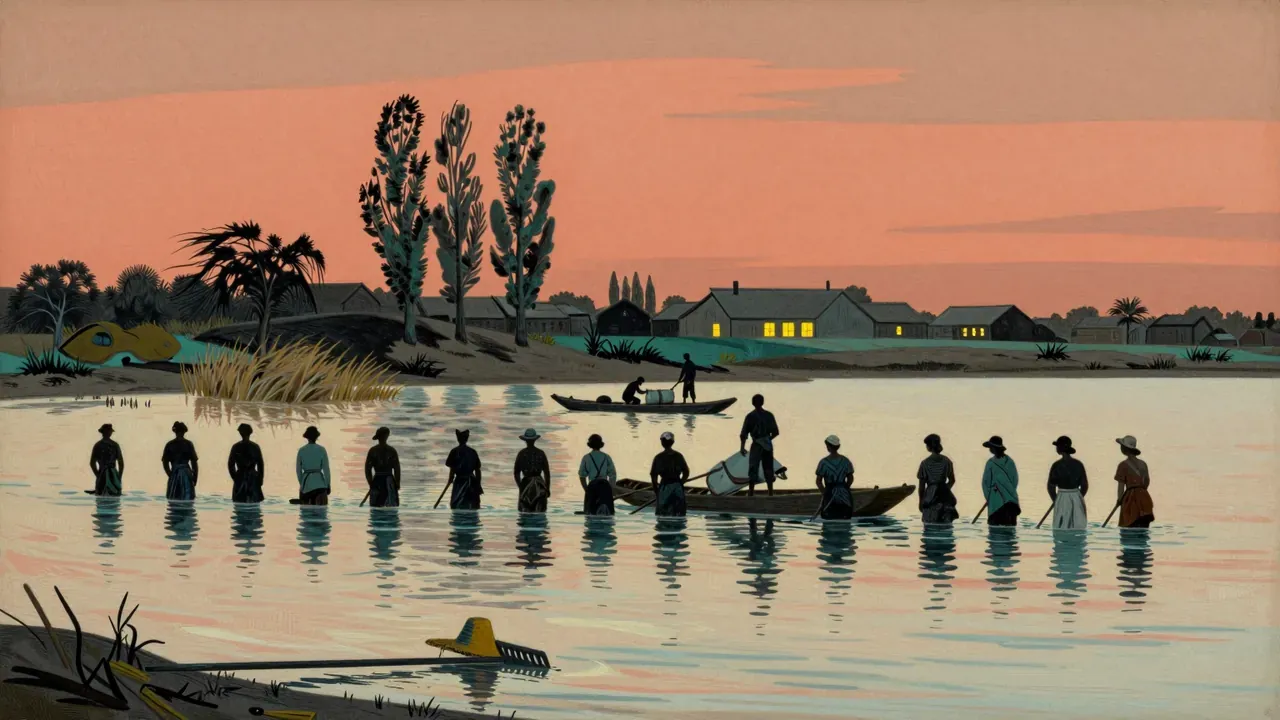
Giuseppe De Santis’s 1949 Bitter Rice follows two thieves hiding among female rice workers in Piedmont, blending neorealist location shooting with melodramatic collapse. Silvana Mangano’s debut performance anchors a film preoccupied with labour, legality, and the corrosive allure of American cultural imports — all rendered in Otello Martelli’s stark, waterlogged visuals.
13:00

I Vitelloni

Federico Fellini · 1953

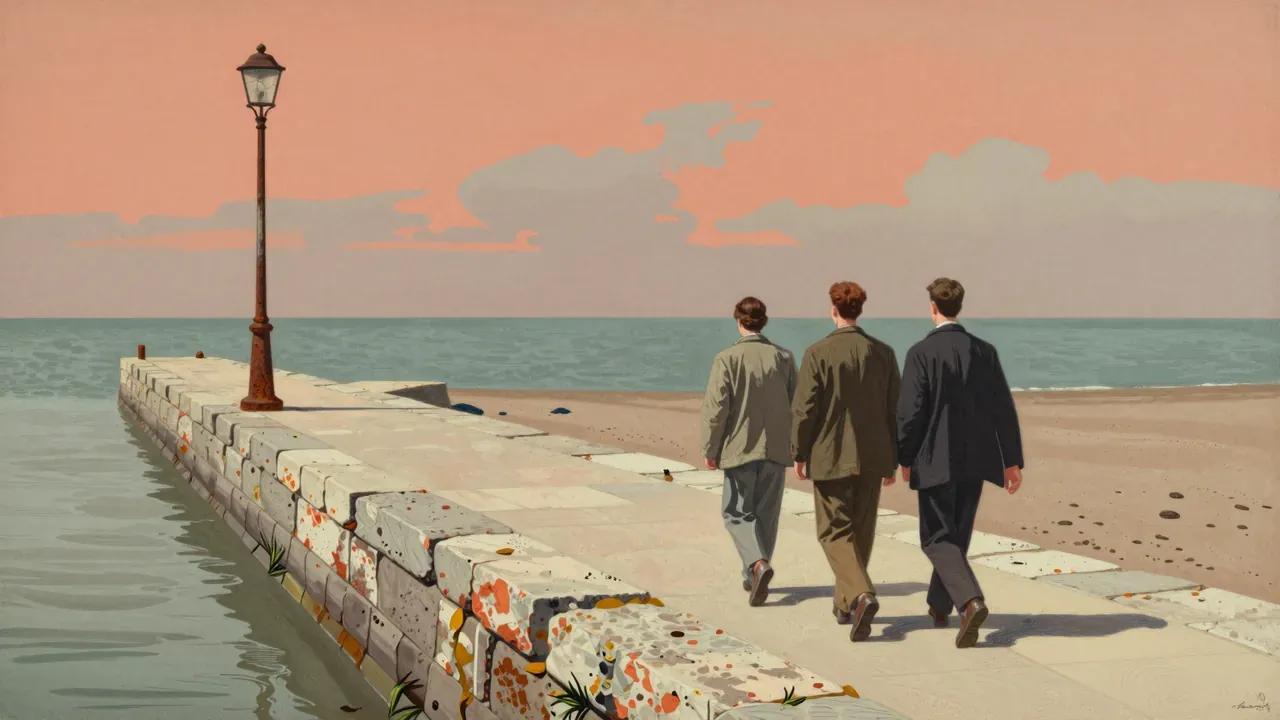
Federico Fellini’s 1953 film follows five idle young men in a provincial Italian town as summer ends and inertia sets in. With no grand plot, only accumulated moments — a shotgun wedding, a masquerade ball, a seaside walk — it observes how lives persist without direction. Otello Martelli’s understated cinematography and Nino Rota’s delicate score reinforce its mood of suspended time. Though some subplots falter and its pacing resists conventional engagement, its power lies in its fidelity to a specific, unromantic truth: that growing up is often less about leaping forward than learning to bear the weight of staying still.

13:00

Il bidone

Federico Fellini · 1955

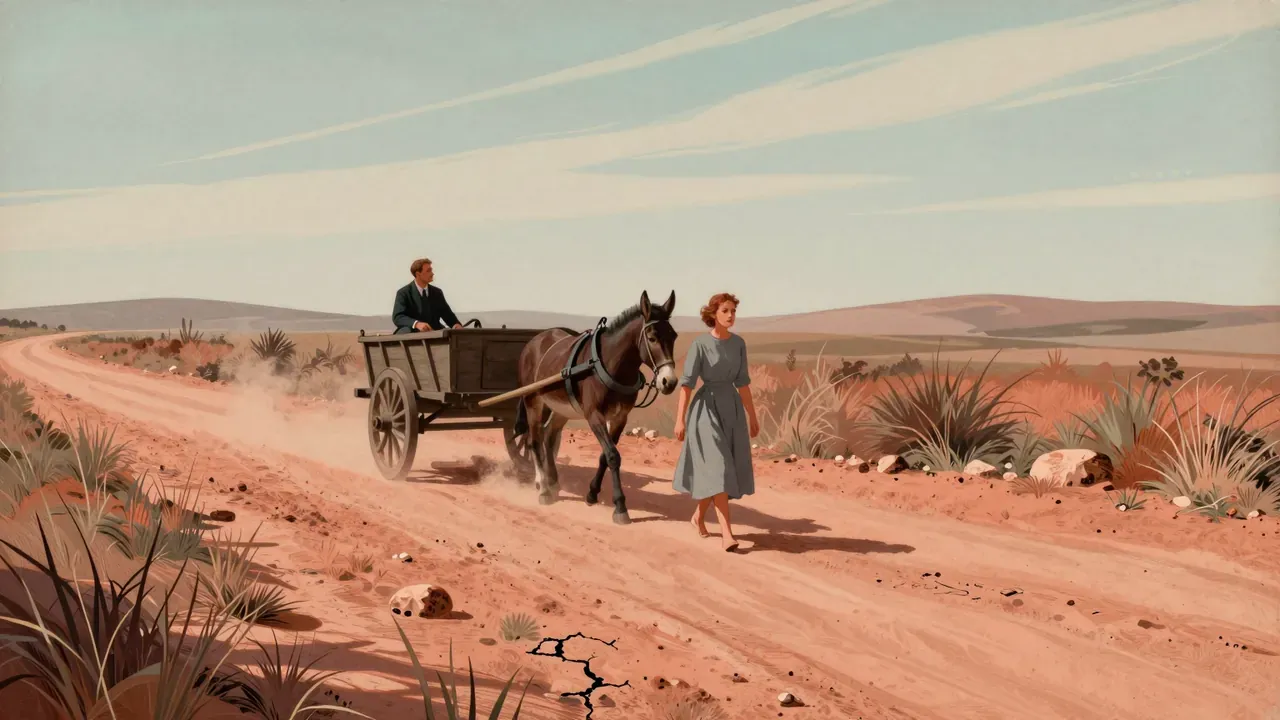
Federico Fellini’s 1955 drama follows a trio of swindlers working rural Italy, whose cons on poor farmers gradually unravel their self-deception. Broderick Crawford plays Augusto, whose late moral crisis culminates in abandonment and death on a barren hillside. Shot by Otello Martelli, scored by Nino Rota, and anchored by Giulietta Masina’s restrained performance, the film treats conscience as physical decay rather than spiritual awakening.

13:00

La Strada

Federico Fellini · 1954

Federico Fellini’s 1954 drama follows Gelsomina, a young woman bought by strongman Zampanò and taken on the road, where she encounters brutality, absurdity and fleeting grace. Shot in rural Italy by Otello Martelli, scored by Nino Rota and anchored by Giulietta Masina’s restrained performance, it rejects narrative resolution in favour of sustained, tactile presence. It won the first Academy Award for Best International Feature Film.

13:00

Paisà

Roberto Rossellini · 1946

Roberto Rossellini’s 1946 neorealist film Paisà unfolds in six loosely connected episodes set during the Allied campaign in Italy, from Sicily to the Po delta. Using non-professional actors, real locations, and untranslated dialogue, it captures moments of miscommunication, fleeting connection, and quiet devastation — not as drama but as record. Its power lies in restraint: in what is withheld, misunderstood, or left unsaid.

13:00

Stromboli

Roberto Rossellini · 1950

Roberto Rossellini’s 1950 Stromboli stars Ingrid Bergman as a displaced Lithuanian woman who marries to escape an internment camp, only to confront harsh isolation on the volcanic island of Stromboli. Shot on location with non-professional actors and pared-down craft, it is a foundational neorealist work that treats landscape, silence, and endurance as primary dramatic tools — less a story about a woman than an inquiry into what happens when identity is stripped back to breath, rock, and sky.

13:00

The Flowers of St. Francis

Roberto Rossellini · 1950

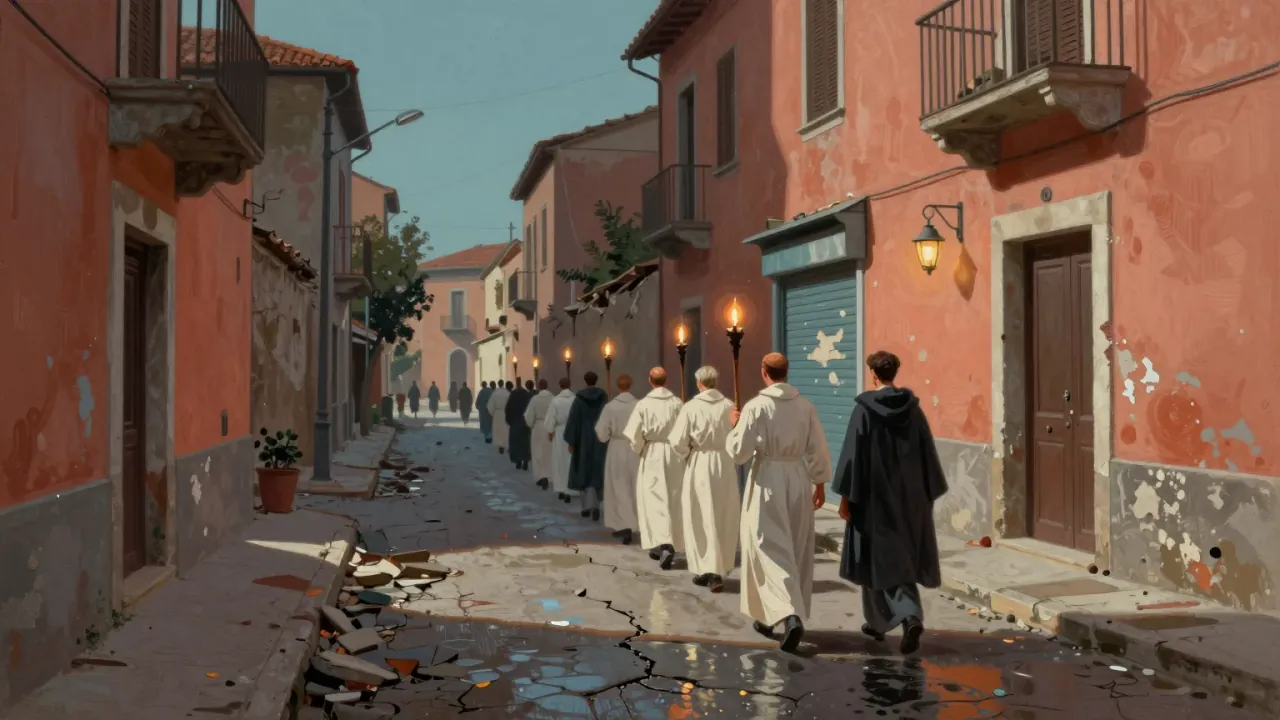
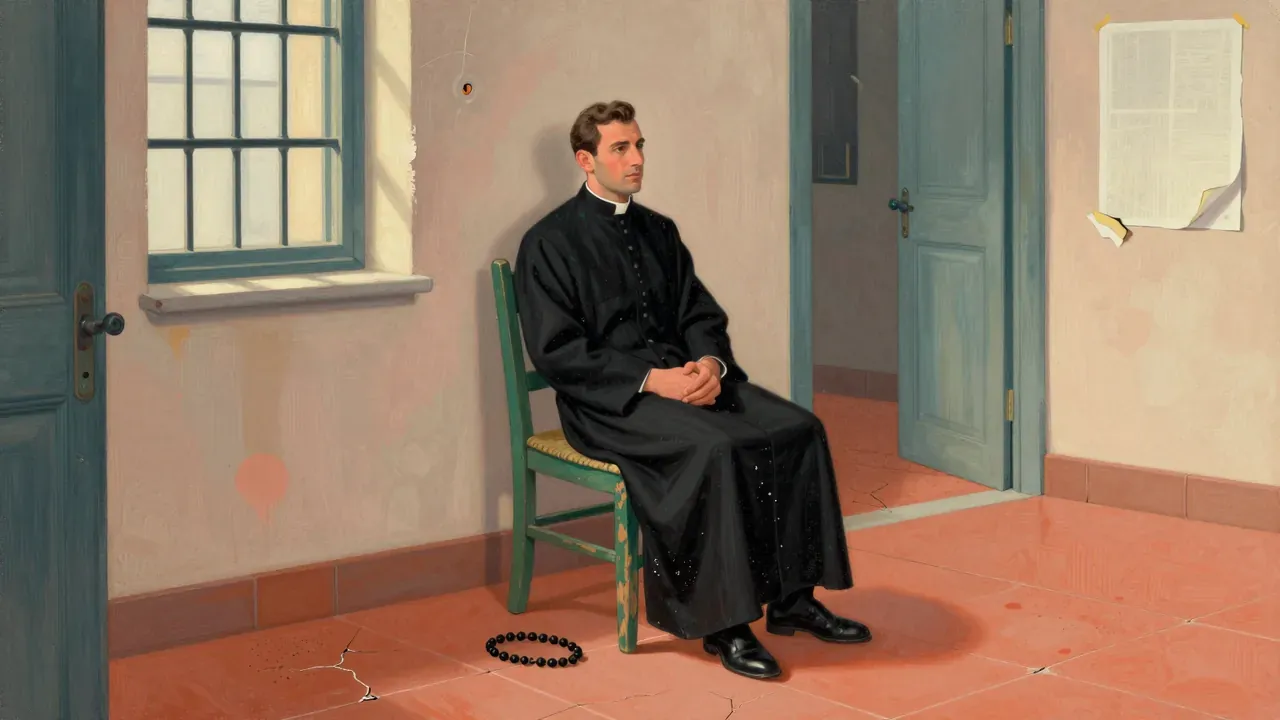
Roberto Rossellini’s 1950 film adapts nine parables from medieval Franciscan texts into a series of quiet, unadorned episodes. Shot in rural Italy with monks and one professional actor, it forgoes narrative for ritual, psychology for posture, and explanation for repetition. Its power lies in stillness, humility, and the radical simplicity of its vision.

13:00

Variety Lights

Federico Fellini, Alberto Lattuada · 1950

Federico Fellini and Alberto Lattuada’s 1950 debut follows a struggling vaudeville troupe as ambition fractures loyalty and routine masks exhaustion. Shot on location and at Rome’s Scalera Studios, it stars Peppino De Filippo, Carla Del Poggio and Giulietta Masina, and charts the quiet economics of attention, ageing and reinvention — without flourish, without judgement, and without resolution.

13:00

Nights of Cabiria

Federico Fellini · 1957

Federico Fellini’s 1957 drama follows Cabiria, a Roman sex worker, through a series of encounters that test but never extinguish her capacity for hope. Giulietta Masina’s performance anchors a film that favours duration over plot, quiet observation over exposition, and emotional fidelity over resolution. Shot on location across Rome and its outskirts, with cinematography by Aldo Tonti and Otello Martelli and music by Nino Rota, it won the 1958 Academy Award for Best International Feature Film.

13:00

La Dolce Vita

Federico Fellini · 1960

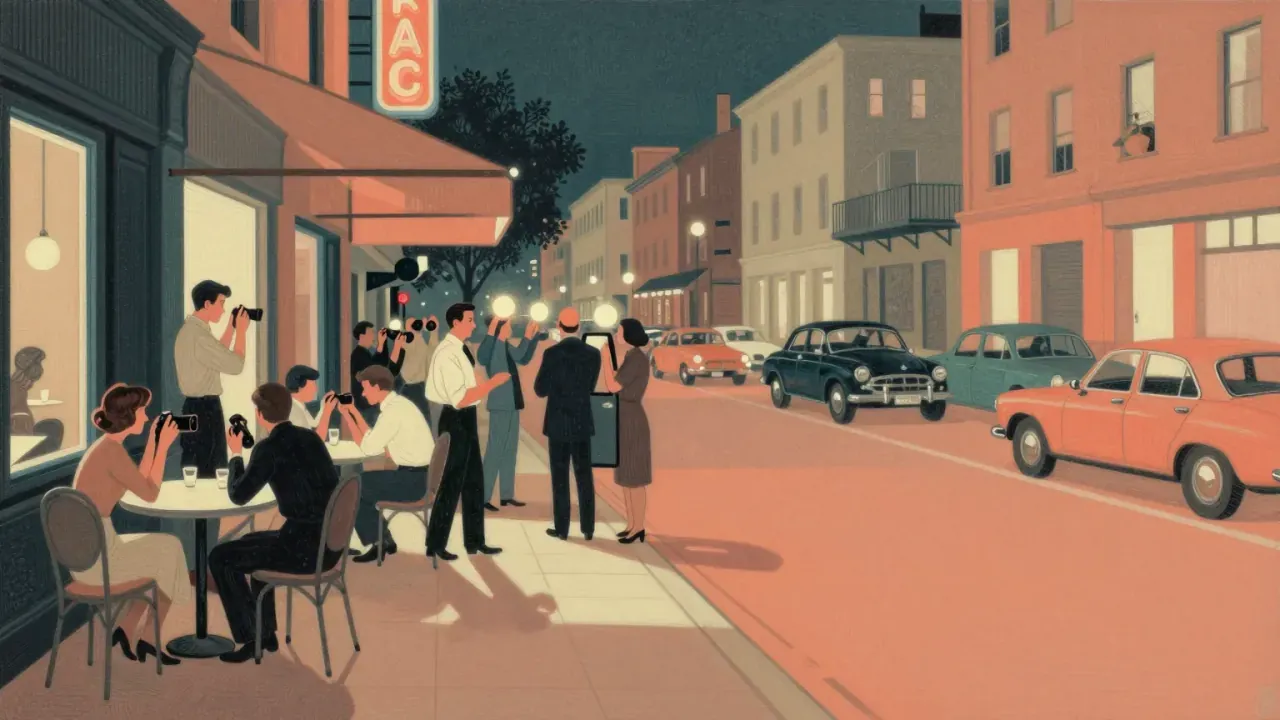
Federico Fellini's 1960 portrait of a tabloid journalist drifting through Rome's high society over a week of nights gave the world the word paparazzi and became both a critical landmark and a box-office hit despite censors in several countries. Marcello Mastroianni anchors an episodic structure built around parties, a starlet's arrival, and a friend's unexplained despair, shot largely at Cinecittà on Piero Gherardi's elaborate sets.