A life in out-takes
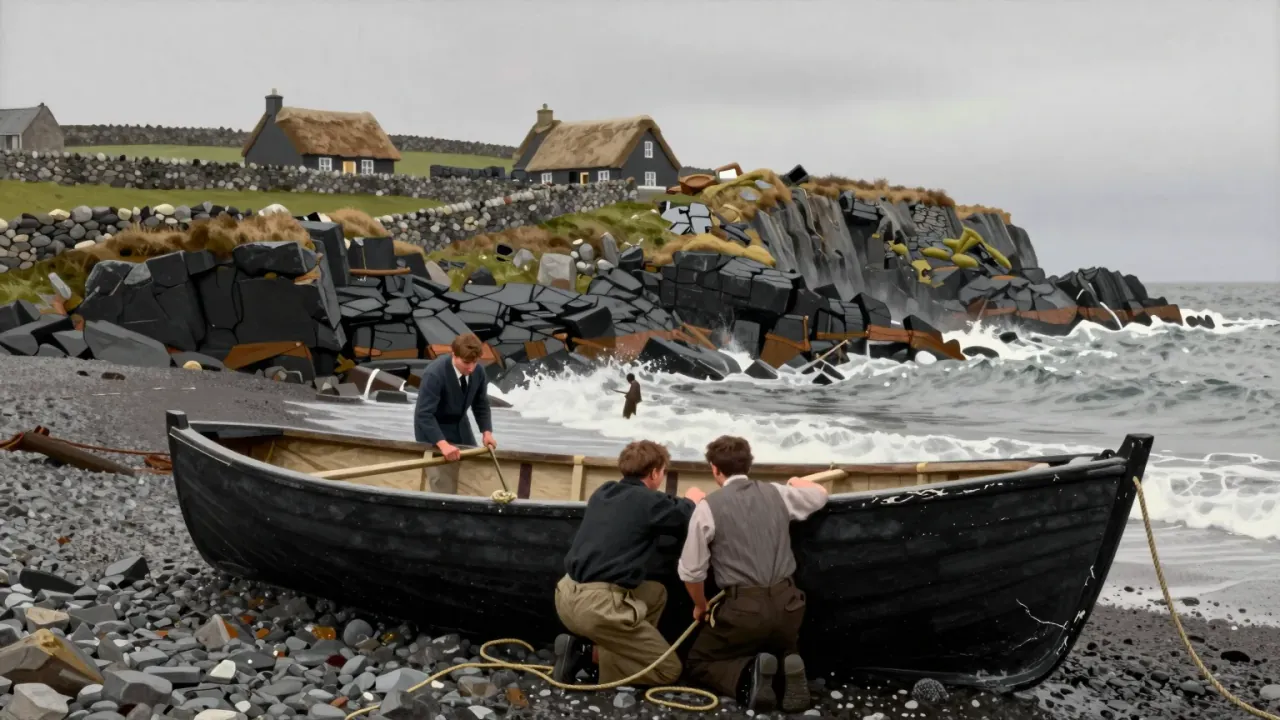
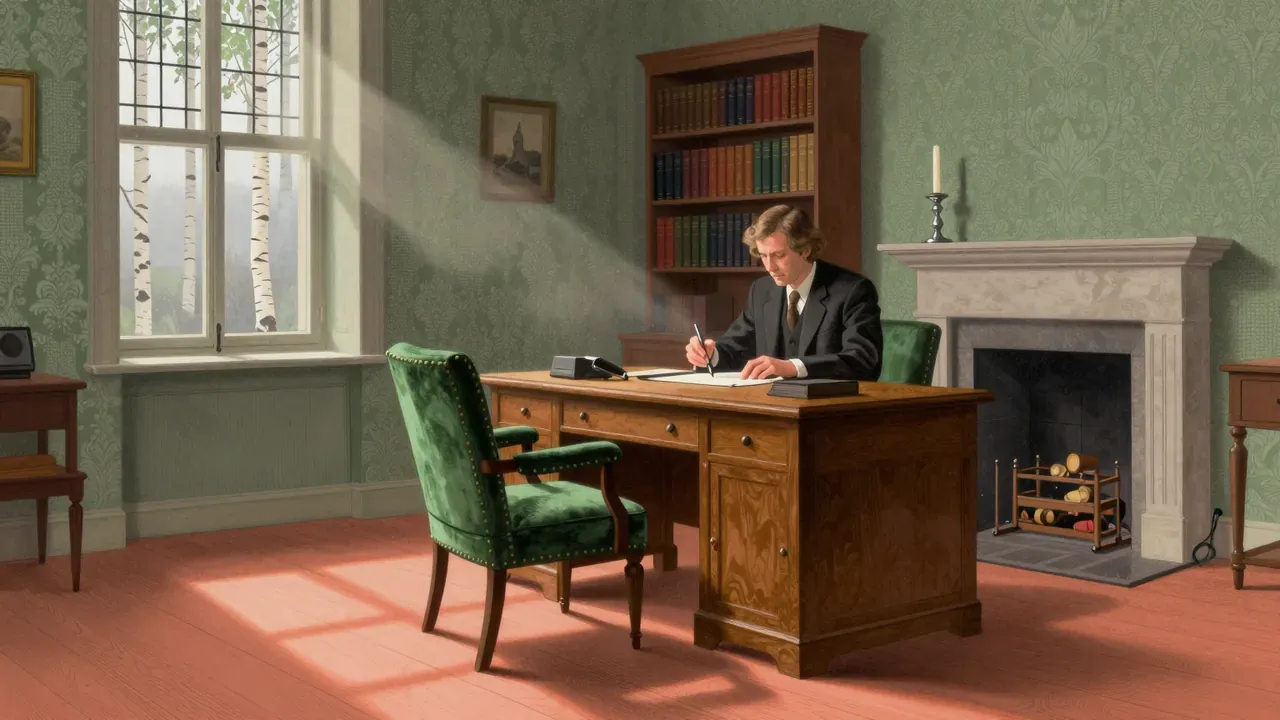
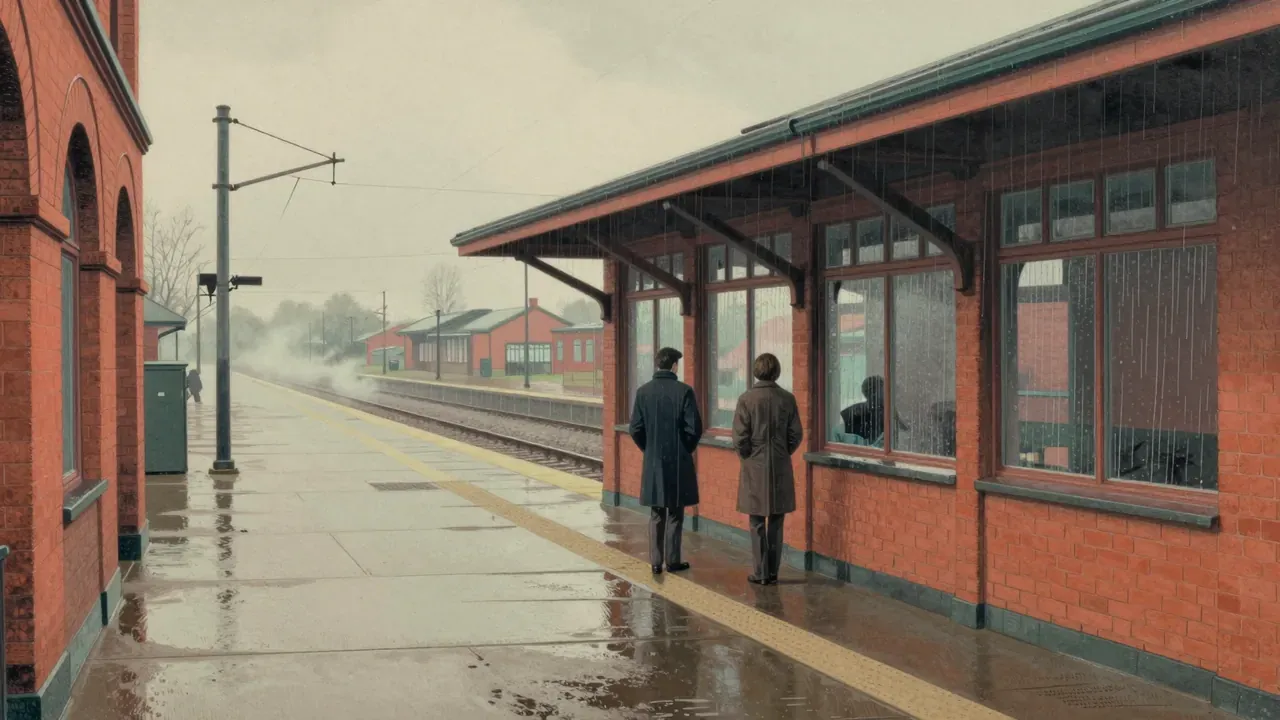
Cameraperson is a documentary assembled from raw footage shot by Kirsten Johnson over twenty-five years as a cinematographer on other people’s films. It does not tell a linear story, nor does it seek to explain or interpret those projects. Instead, it arranges fragments — a child’s face in Bosnia, a cow in Nigeria, a courtroom in New York, a newborn’s first breath in Afghanistan — into a self-portrait built through looking. The film’s aim is not to recount Johnson’s biography in words but to let her visual choices across time and place speak for her: where she stood, how long she held the shot, when she looked away, what she kept in frame and what she cut. It treats the camera operator not as an invisible technician but as a witness whose presence alters what is seen and how it is remembered. This is not a film about ‘making’ documentaries so much as one made from the residue of having made them — the outtakes, the pauses, the moments before and after the scene that was required.
No voice, no music, no explanation
The film works without narration, without score, without interviews or voiceover. Its structure is associative, guided by recurring motifs — hands, eyes, thresholds, medical procedures, animals — rather than chronology or geography. Johnson appears only in reflection or silhouette; her voice is heard once, briefly, off-mic, during a moment of technical difficulty. The editing, by Nels Bangerter, holds shots longer than conventional documentary allows, letting discomfort or ambiguity settle. Johnson’s cinematography varies with each context: grainy handheld in conflict zones, crisp and static in studio settings, soft-lit and intimate in domestic scenes. There are no re-enactments, no reconstructions — only footage shot for other purposes, now repurposed with quiet precision. The craft lies in selection and juxtaposition: a shot of a woman stitching fabric cuts to a surgeon suturing skin; a close-up of a bee on a flower follows a child’s eye blinking in sunlight. These links are not argued but implied, and they accumulate without explanation.
The weight of attention
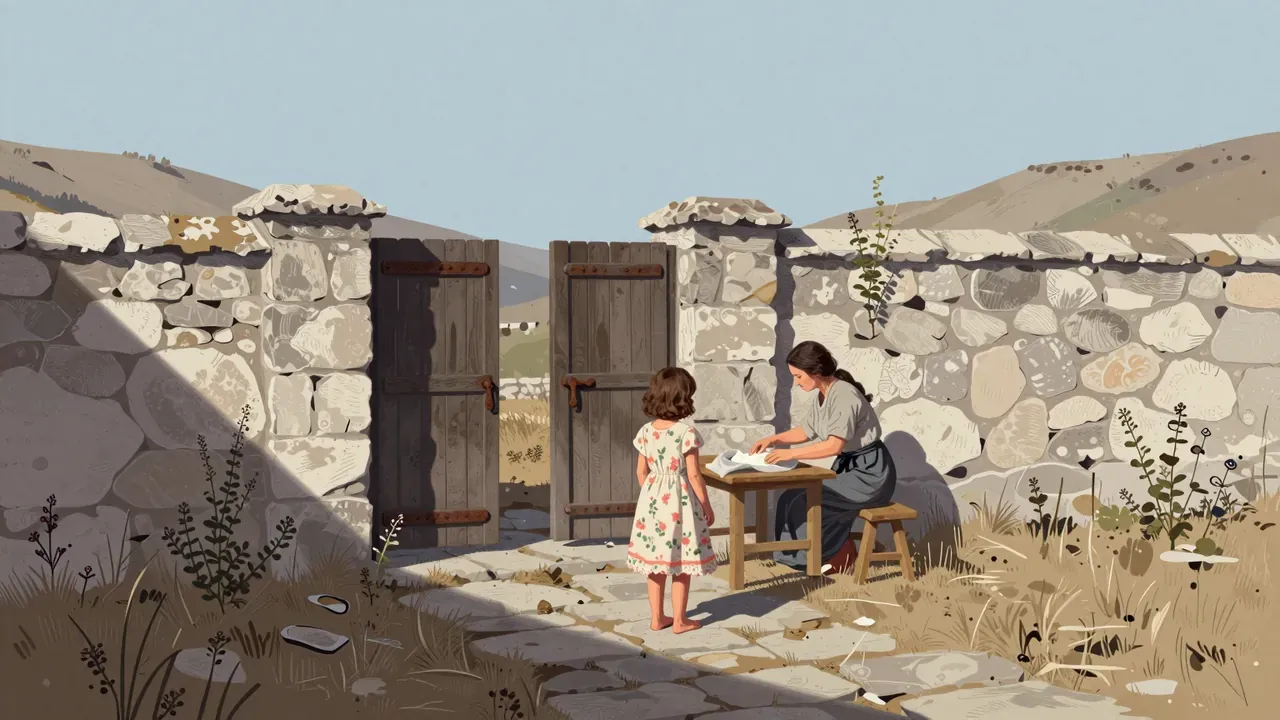
What lands is the cumulative weight of attention — not just Johnson’s attention to her subjects, but the film’s attention to the act of attending itself. A sequence in a Bosnian village, where Johnson films a woman preparing cheese while the woman’s daughter watches the camera, carries emotional force not because of exposition but because of duration and reciprocity: the girl stares back, unblinking, and the shot holds until the viewer feels complicit in the gaze. Similarly, a long take of a young boy in Kabul waiting for his mother outside a clinic becomes quietly devastating not through commentary but through stillness and repetition. The film trusts the viewer to sit with uncertainty, to notice shifts in light or posture, to register fatigue in a subject’s shoulders or hesitation in a hand. It rewards patience with texture — the sound of wind in grass, the hum of a generator, the rustle of clothing — all preserved in the original recordings. This is documentary as embodied practice, where meaning resides in the physical fact of the recorded moment.
Questions without resolutions
What does not land is any sustained argument about ethics in documentary practice — though the film raises the question repeatedly, it declines to resolve it. A shot of Johnson’s own hand adjusting a microphone near a grieving family in Sierra Leone lingers, but offers no reflection on consent, power or extraction. Likewise, the film avoids contextualising its locations: we see a courtroom in Brooklyn, a schoolroom in Pakistan, a desert road in Yemen, but no maps, dates or political framing. For some viewers, this refusal to name or explain will feel like evasion rather than restraint. Others may find the lack of narrative scaffolding alienating — especially those accustomed to documentary as advocacy or testimony. The film assumes familiarity with the grammar of non-fiction cinema; without that fluency, its repetitions and silences risk reading as indecision rather than discipline. It also presumes a tolerance for ambiguity that not all audiences bring to the screen.
What remains when intention falls away
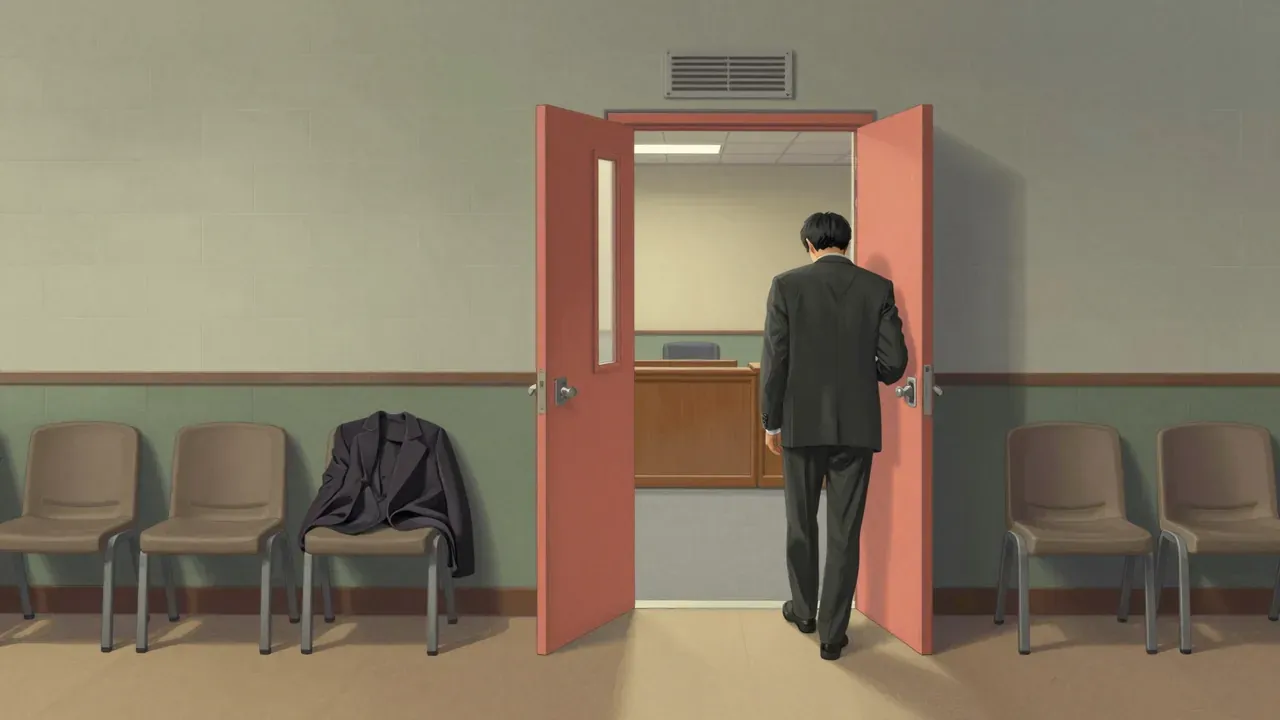
The themes that matter are observation and responsibility: who gets to look, under what conditions, and with what consequence. The film returns to thresholds — doorways, hospital curtains, car windows — as sites where the boundary between observer and observed blurs. It treats memory not as archive but as residue: footage kept not because it was usable, but because it could not be forgotten. Another theme is labour — the physical and emotional work of holding a camera steady while someone cries, or filming a birth while your own child waits at home. Johnson’s dual role as mother and cinematographer surfaces in quiet parallels: a baby’s foot in focus, then her own daughter’s hand reaching into frame. Time is treated materially: film stock degrades, digital files corrupt, memories fade — yet the images persist, altered by their survival. The film asks what remains when intention falls away, and what endures when the camera is no longer pointed at a ‘subject’ but at the space between people.
For those who watch to perceive
This film is for viewers who value slowness, silence and visual literacy — those who watch documentaries not for information but for the texture of lived experience. It suits people familiar with the work of Frederick Wiseman, Wang Bing or Alan Berliner, or those who respond to essay films that treat form as argument. It is not for viewers who require narrative propulsion, explanatory voiceover or clear moral resolution. Those seeking clarity on geopolitical contexts, or who expect documentary to function as reportage or activism, will likely leave frustrated. It also assumes a baseline comfort with formal experimentation — the absence of chapter headings, credits or even a consistent aspect ratio may unsettle some. Anyone needing reassurance that every image ‘means’ something specific, or that every edit serves a rhetorical purpose, will find Cameraperson withholding. Its rigour is aesthetic, not pedagogical.
How to look again
Yes, it is worth your evening — provided you arrive prepared to watch, not consume. Its ninety minutes unfold with the deliberation of a developed photograph: detail emerges slowly, contrast deepens with time. It repays attention not with answers but with recalibration — a shift in how you register gesture, light, duration. You do not need prior knowledge of Johnson’s work, but you do need willingness to sit with unresolved tension: between care and intrusion, between memory and record, between distance and proximity. Those who prefer documentary as evidence or instruction will find it inconclusive. Those who value cinema as a medium of ethical and perceptual inquiry will find it exacting and generous. Its value lies not in what it says, but in how insistently it asks you to reconsider what it means to see — and to be seen — in the world.