filmbriefs
Actor · Voice actor · 1955

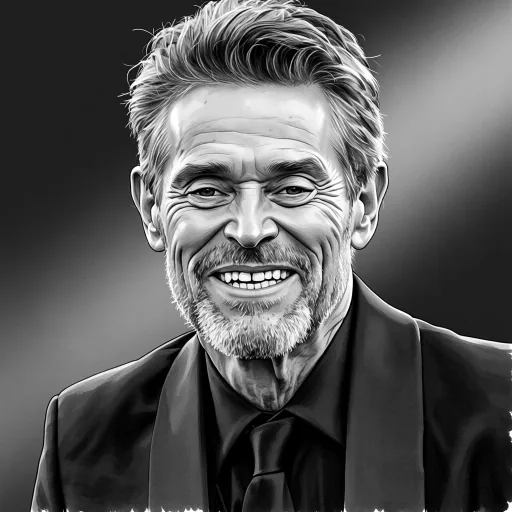
Willem Dafoe

14
briefs
13:00
average
182 min
in total
On film.briefs14
13:00

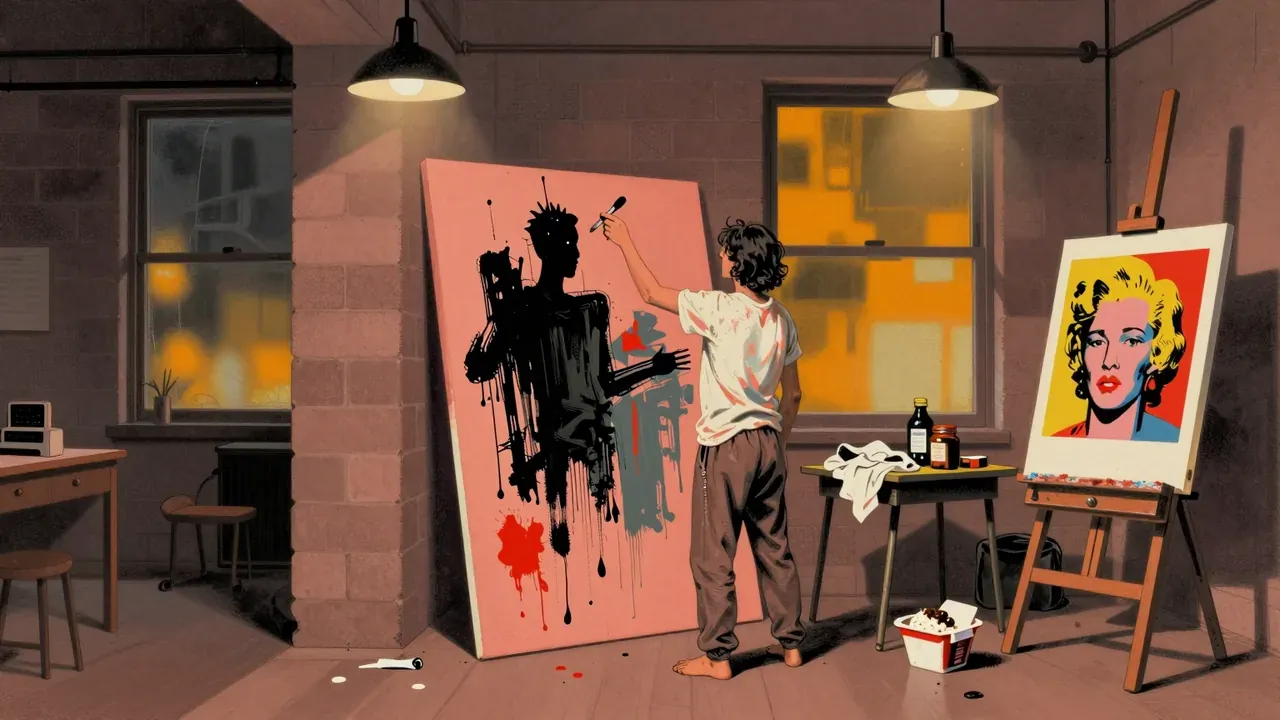
Basquiat

Julian Schnabel · 1996

Julian Schnabel’s 1996 directorial debut is a biographical film about Jean-Michel Basquiat, starring Jeffrey Wright and David Bowie as Warhol. Made without access to Basquiat’s actual artwork, it relies on stylistic approximation and a self-reflexive script co-written by Schnabel and Lech Majewski. The film traces Basquiat’s rapid ascent and decline in 1980s New York, foregrounding his relationship with Warhol and his struggle with addiction. Its strength lies in texture and restraint; its limitation, in the narrowing of Basquiat’s voice, politics and heritage to fit Schnabel’s personal elegy.
13:00

The English Patient

Anthony Minghella · 1996

Anthony Minghella’s 1996 adaptation of Michael Ondaatje’s novel follows a severely burned man in postwar Italy whose fragmented memories reveal a pre-war love affair in the Sahara. Built on Walter Murch’s groundbreaking editing, John Seale’s restrained cinematography, and Gabriel Yared’s evocative score, it explores desire, guilt and the collapse of imperial certainties across three interwoven timelines. Though criticised for its length and narrative opacity, its formal unity and emotional precision have secured its place as a defining romance-war hybrid of the 1990s.

13:00

The French Dispatch

Wes Anderson · 2021

Wes Anderson’s 2021 anthology film presents the final issue of a fictional American newspaper’s Paris bureau as a series of formally exact, stylistically distinct journalistic features. Shot in 1.37:1 on 35 mm in Angoulême, it honours mid-century magazine aesthetics, French New Wave syntax, and the physical texture of print — treating journalism as craft, not just content.

13:00

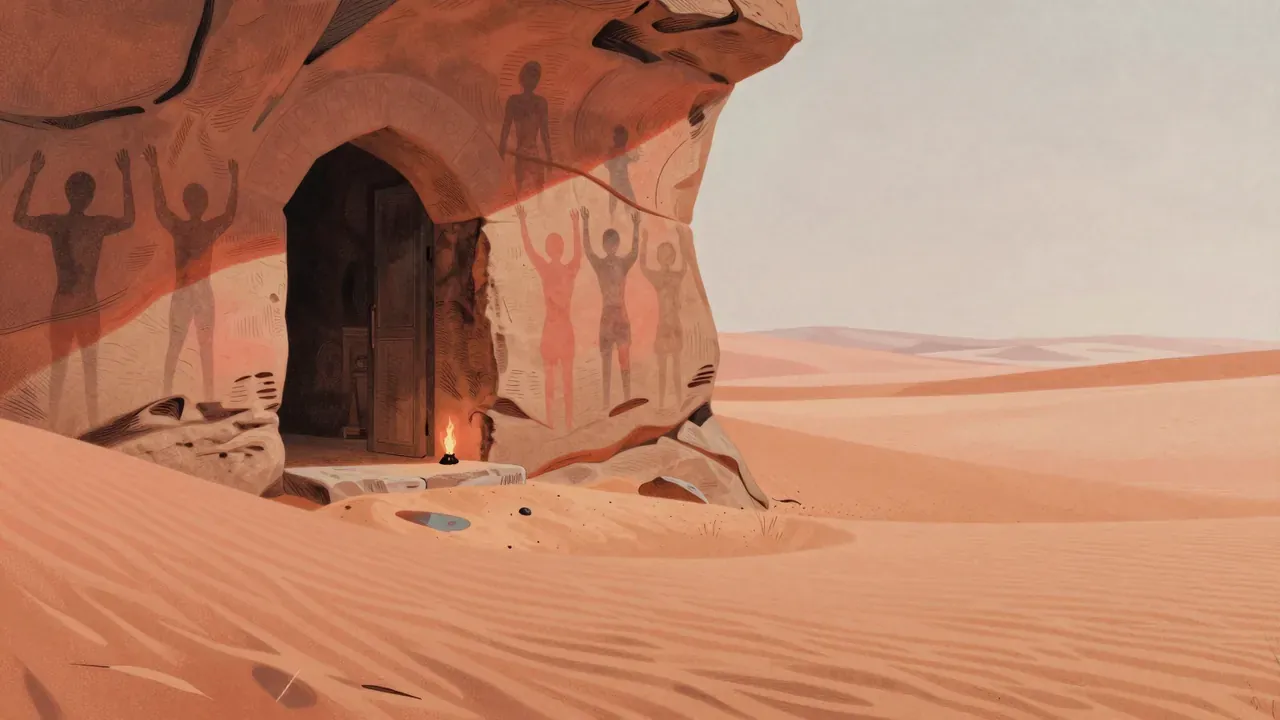
The Last Temptation of Christ

Martin Scorsese · 1988

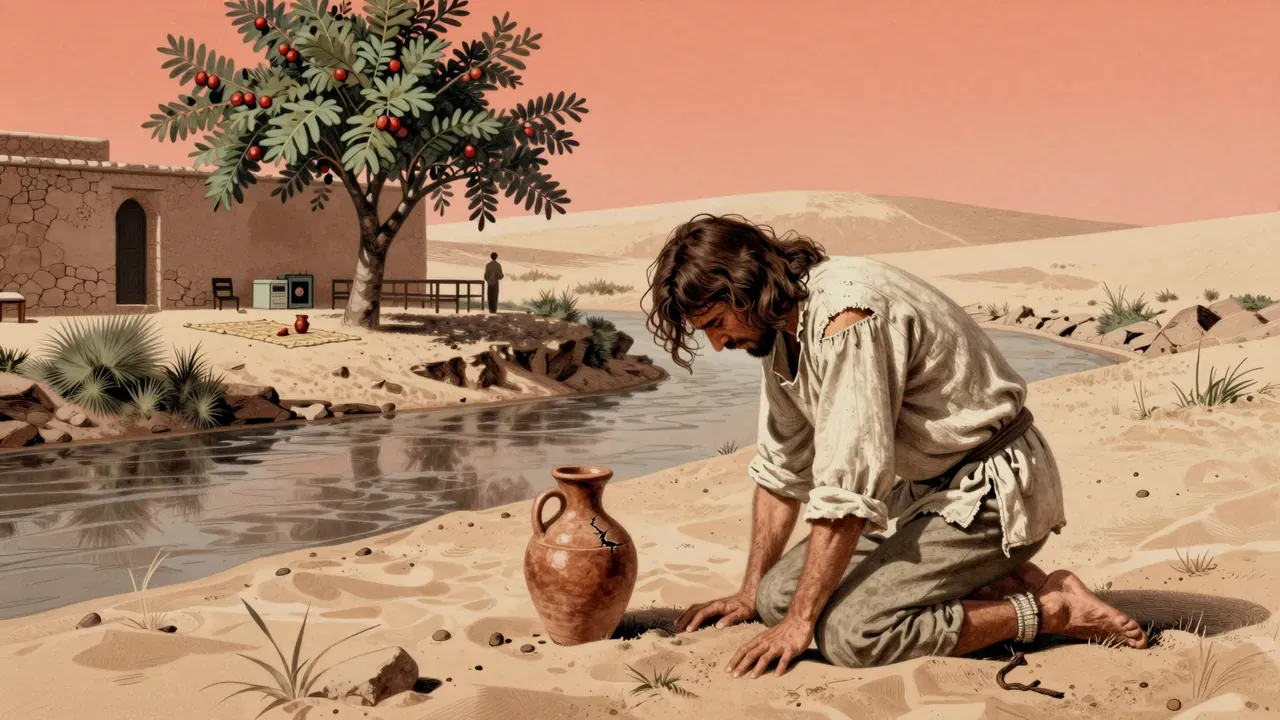
Martin Scorsese’s 1988 adaptation of Nikos Kazantzakis’s novel imagines Jesus not as divine certainty but as a man besieged by doubt, desire, and exhaustion. Willem Dafoe stars in a performance defined by physical and vocal restraint, supported by Michael Ballhaus’s muted cinematography and Peter Gabriel’s world-music score. Shot in Morocco on a $7m budget, it avoids spectacle in favour of psychological texture — from the dusty realism of Nazareth to the hallucinatory austerity of the desert. Controversial on release for its humanisation of Christ, it endures as a rare studio film that treats spiritual struggle with existential seriousness, not dogma.

13:00

The Life Aquatic with Steve Zissou

Wes Anderson · 2004

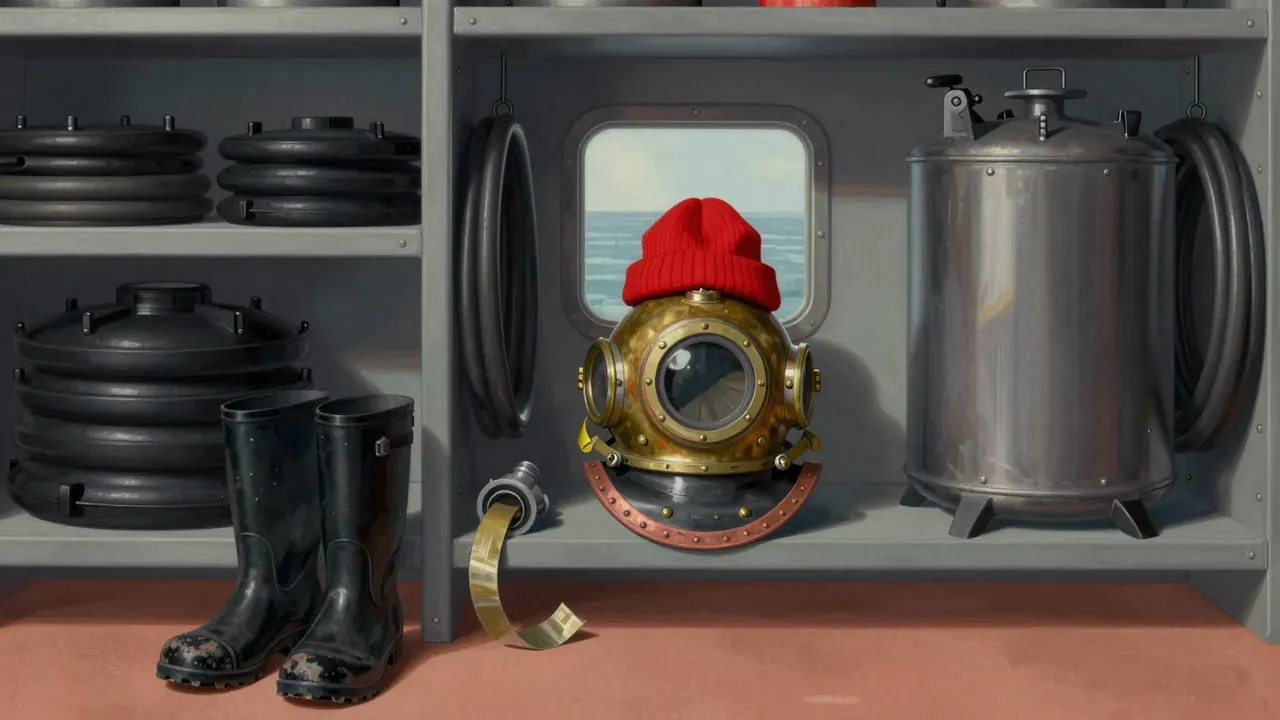
Wes Anderson’s 2004 film follows oceanographer Steve Zissou on a quixotic quest for revenge against a mythical shark. Stylised to the point of abstraction, it uses symmetry, deadpan delivery, and invented marine life to explore grief, paternal fantasy, and the erosion of authority. Though box-office unsuccessful and critically divided on release, it has since accrued a devoted following for its unwavering formal discipline and muted emotional resonance.

13:00

Wild at Heart

David Lynch · 1990

David Lynch’s 1990 Palme d’Or winner adapts Barry Gifford’s novel into a hyper-stylised Southern Gothic crime film starring Nicolas Cage and Laura Dern as a couple fleeing violence across the American South. Anchored by Elvis obsession, Wizard of Oz motifs and Angelo Badalamenti’s score, it trades psychological realism for emotional extremity — landing some sequences with unforgettable force, while others rely too heavily on shock. Its value lies in its unwavering commitment to a singular, dissonant vision.

13:00

Antichrist

Lars von Trier · 2009

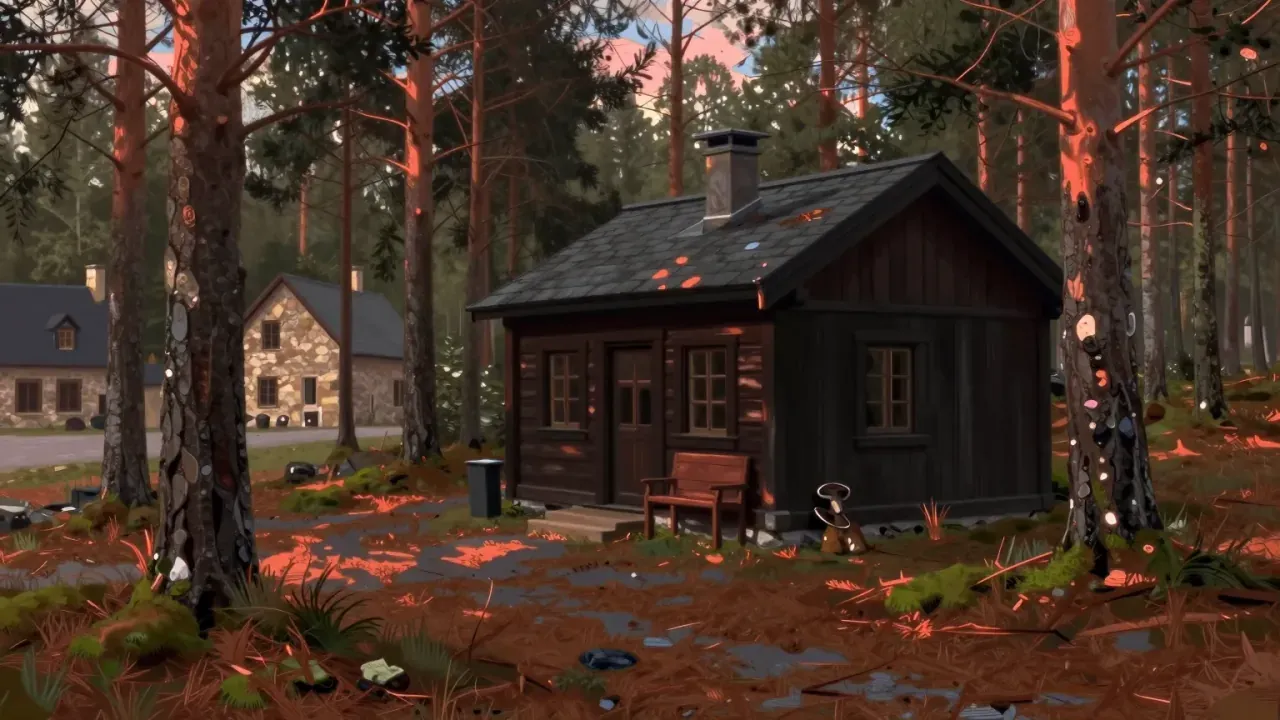
Lars von Trier’s 2009 film Antichrist stars Willem Dafoe and Charlotte Gainsbourg as a grieving couple who retreat to a forest cabin, only to confront psychological disintegration, theological dread, and nature’s indifference. Shot digitally in Germany with precise, unrelenting craft, it divides itself into symbolic chapters and refuses narrative or emotional release. Though polarising and widely debated for its imagery and themes, it remains a benchmark of arthouse extremity — technically controlled, thematically uncompromising, and ethically demanding.

13:00

Nymphomaniac

Lars von Trier · 2013

Lars von Trier’s Nymphomaniac is a two-part, four-hour English-language drama in which a woman recounts her sexual history to a celibate man who interprets it through analogies drawn from mathematics, music, and natural history. Starring Charlotte Gainsbourg and Stacy Martin as different ages of the same woman, it is structured as a series of titled chapters, filmed by Manuel Alberto Claro and edited by Molly Malene Stensgaard. Produced by Zentropa in France, it asks not whether desire can be understood, but how interpretation inevitably distorts it.

13:00

Faraway, So Close!

Wim Wenders · 1993

Wim Wenders’ 1993 fantasy sequel Faraway, So Close! follows the angel Cassiel as he becomes human in reunified Berlin, navigating bureaucracy, addiction, and criminal enterprise. Shot by Jürgen Jürges and scored by Laurent Petitgand, it trades the poetic stillness of Wings of Desire for a grittier, more fragmented register — one that reflects the city’s uncertain new reality. Though it won the Grand Prix at Cannes, its loose structure and tonal shifts divided critics. It is a film of texture over trajectory, best approached as a sustained meditation on presence, not a story with stakes.

13:00

The Lighthouse

Robert Eggers · 2019

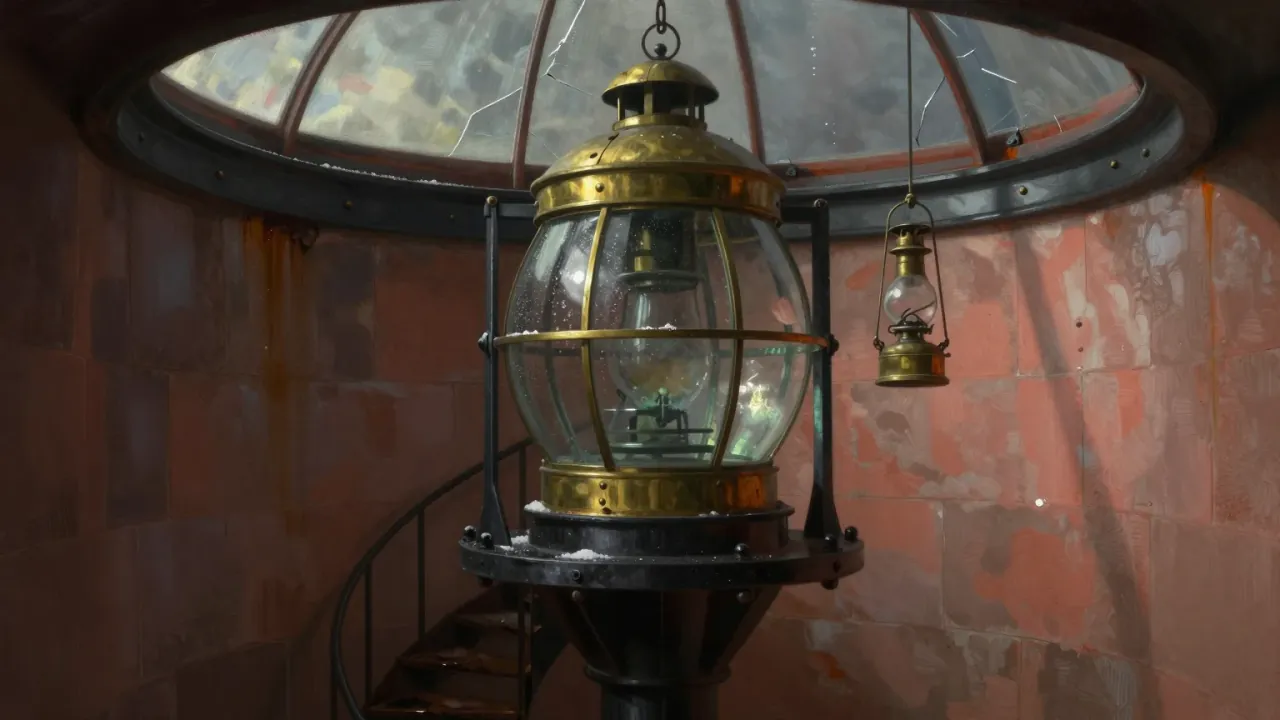
Robert Eggers’ 2019 black-and-white horror follows two lighthouse keepers—Willem Dafoe and Robert Pattinson—stranded together in isolation, their relationship fracturing under storm, duty, and buried desire. Shot in a near-square 1.19:1 aspect ratio on 35 mm film with custom optical filters, it uses period-accurate dialect, oppressive sound design, and unrelenting close-ups to render descent as sensory inevitability. Its themes orbit masculinity, hierarchy, myth, and the sea as unconscious force.

13:00

The Northman

Robert Eggers · 2022

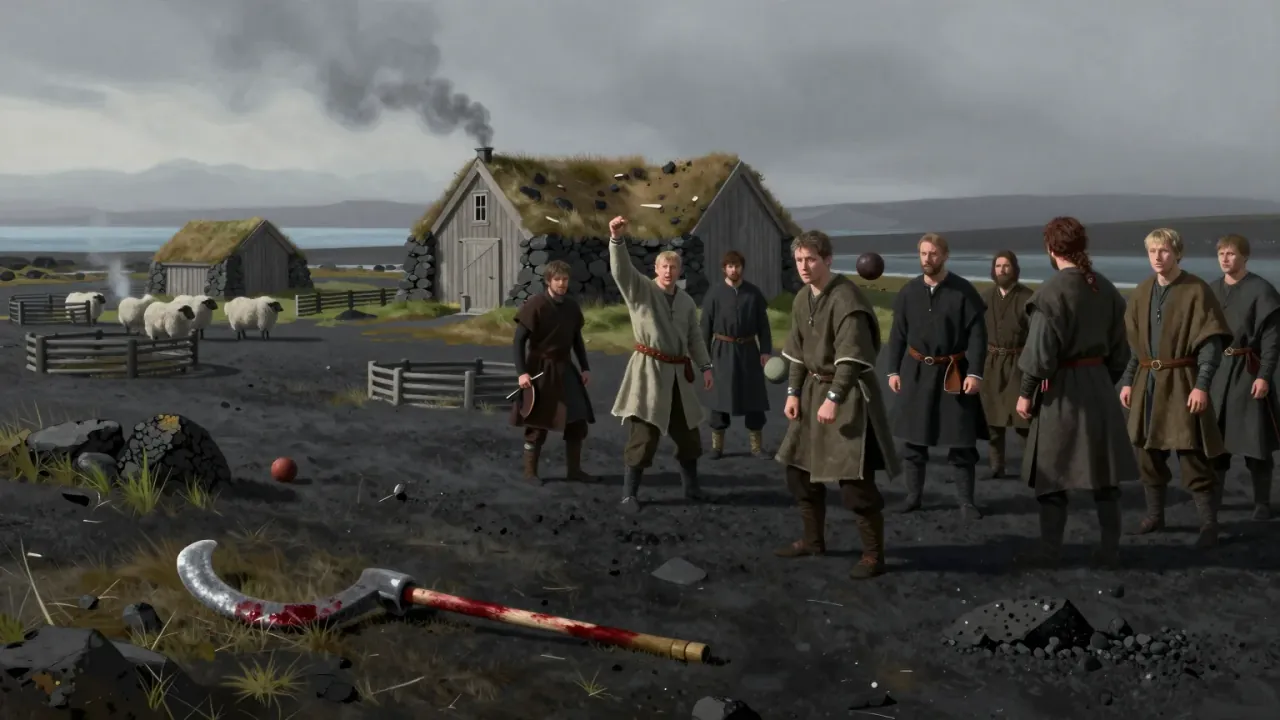
Robert Eggers’ The Northman adapts the Amleth legend into a stark, sensory-driven saga of fate and vengeance. Shot across Iceland and Northern Ireland, it follows Alexander Skarsgård’s Amleth as he fulfils a childhood oath to kill his uncle, played by Claes Bang. With Jarin Blaschke’s austere cinematography and Vessel’s drone-heavy score, the film prioritises ritual over psychology and texture over exposition. Though critically praised, it underperformed commercially and divides audiences on its emotional austerity.

13:00

Fantastic Mr. Fox

Wes Anderson · 2009

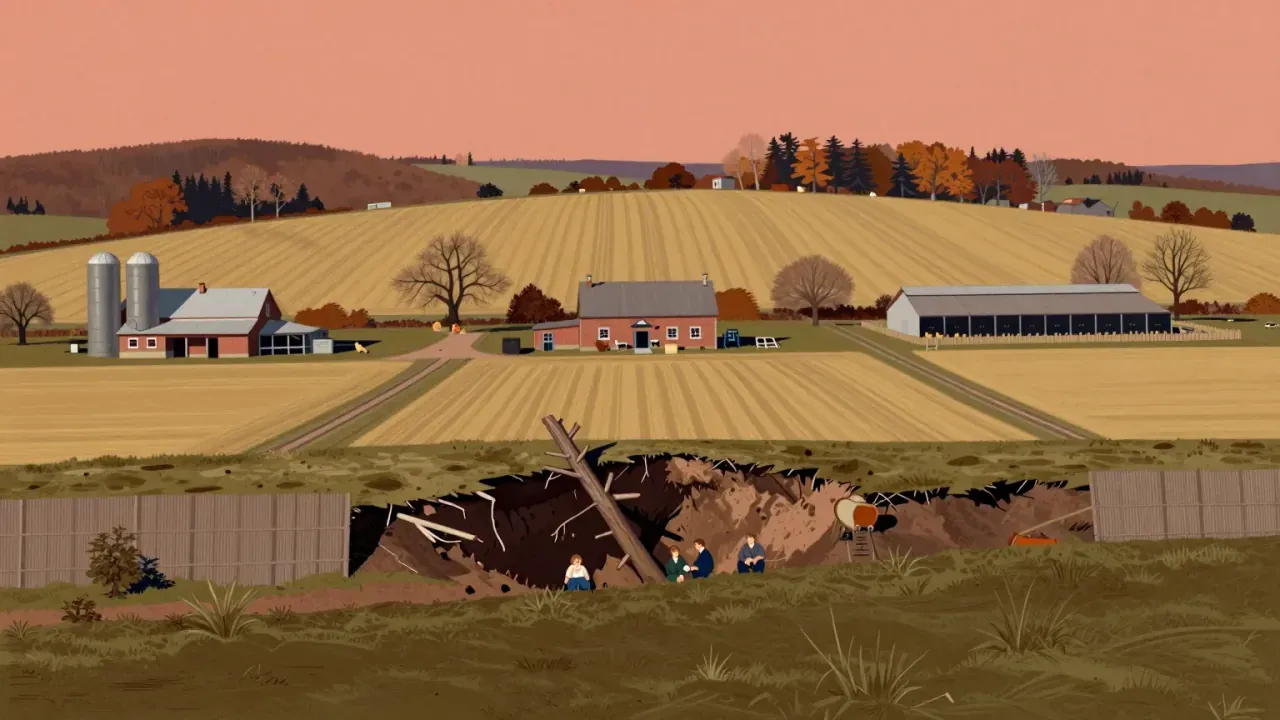
George Clooney voices a fox whose one last heist against three farmers turns into a siege on his whole underground community. Wes Anderson's 2009 stop-motion adaptation of Roald Dahl keeps the plot but reshapes the tone into something drier and more personal.

13:00

Finding Nemo

Andrew Stanton, Lee Unkrich · 2003

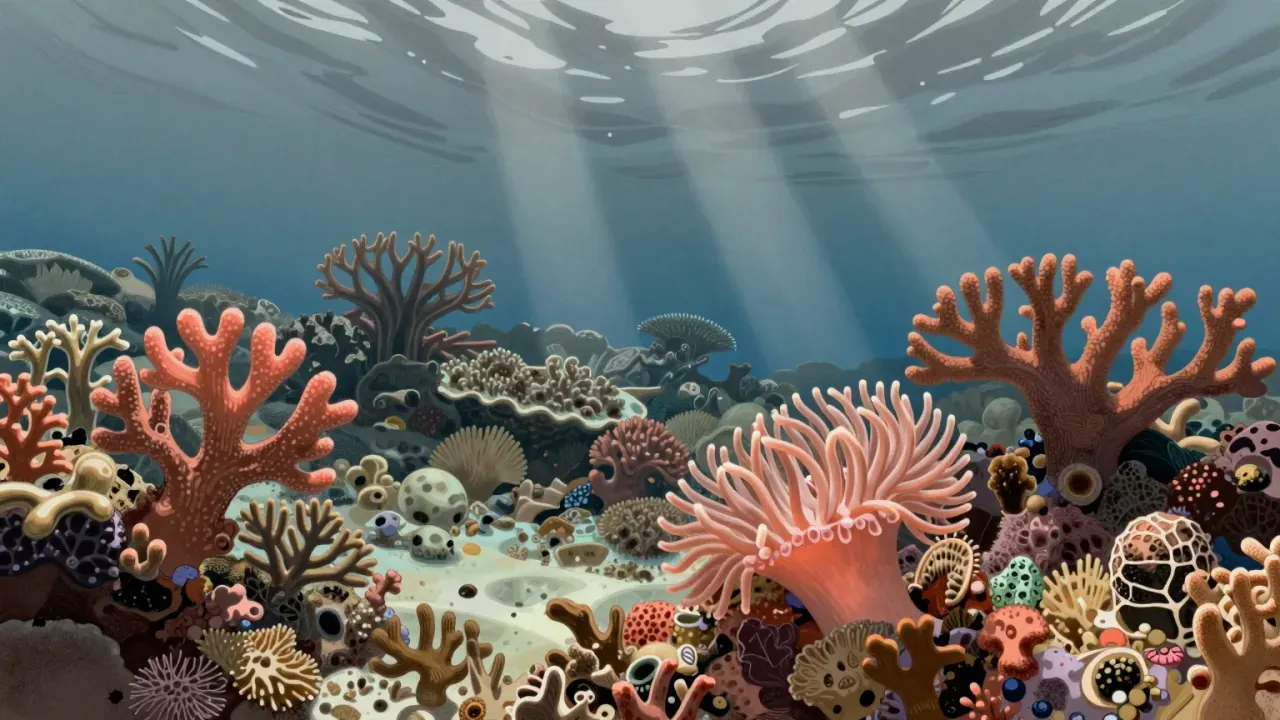
Finding Nemo follows an overprotective clownfish, Marlin, across the ocean to rescue his son Nemo after a diver captures him, aided by Dory, a fish whose short-term memory resets constantly. Directed by Andrew Stanton for Pixar from a script written before serious animation began, the film grossed $969 million against a $94 million budget, became the best-selling DVD title ever, and won the first Academy Award for Best Animated Feature.

13:00

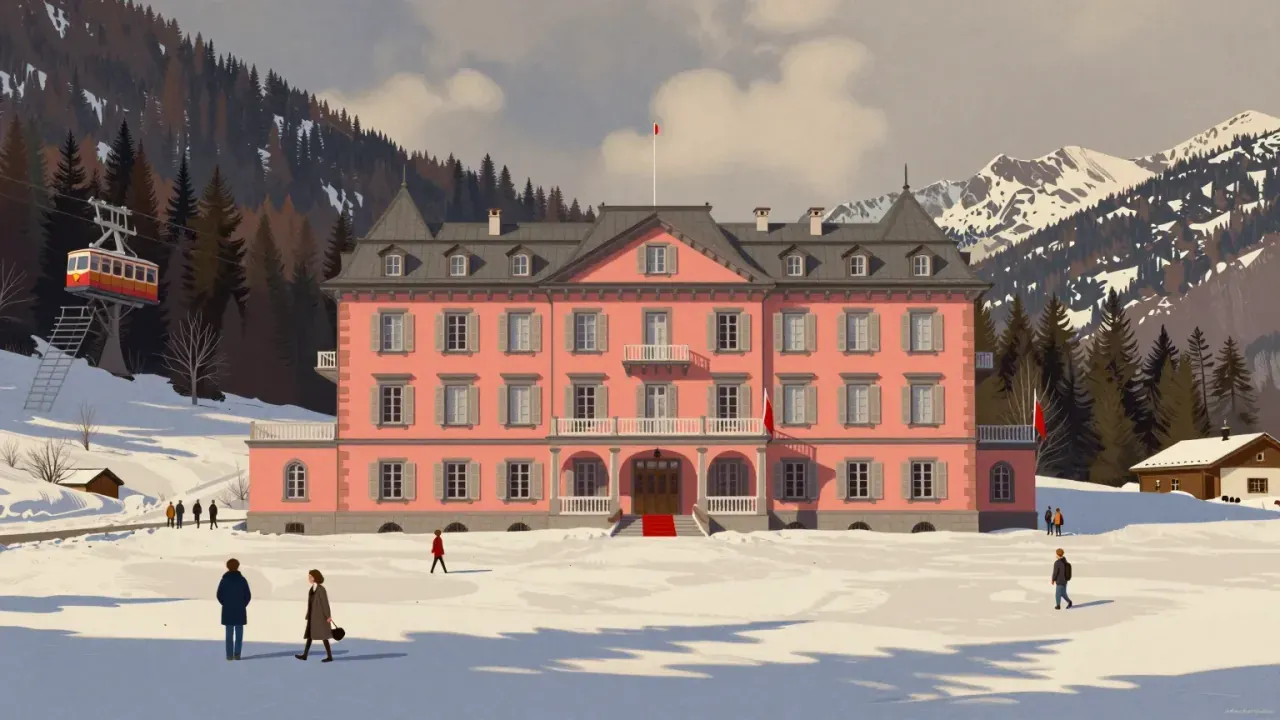
The Grand Budapest Hotel

Wes Anderson · 2014

Ralph Fiennes plays a meticulous concierge framed for murder in Wes Anderson's 2014 comedy, built from Stefan Zweig's writing and won on the strength of its production design and score.