filmbriefs
Producer · 1958

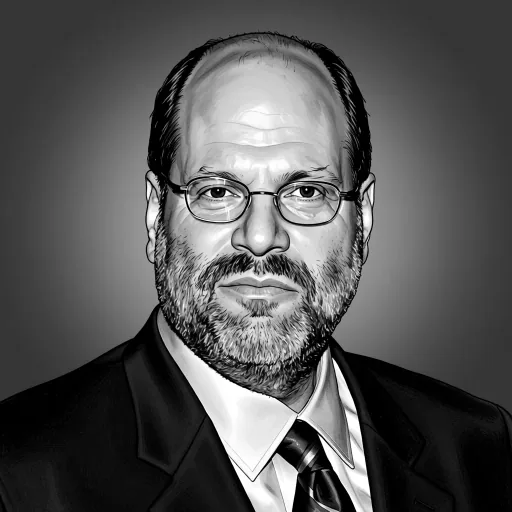
Scott Rudin

15
briefs
13:00
average
195 min
in total
On film.briefs15
13:00

Frances Ha

Noah Baumbach · 2012

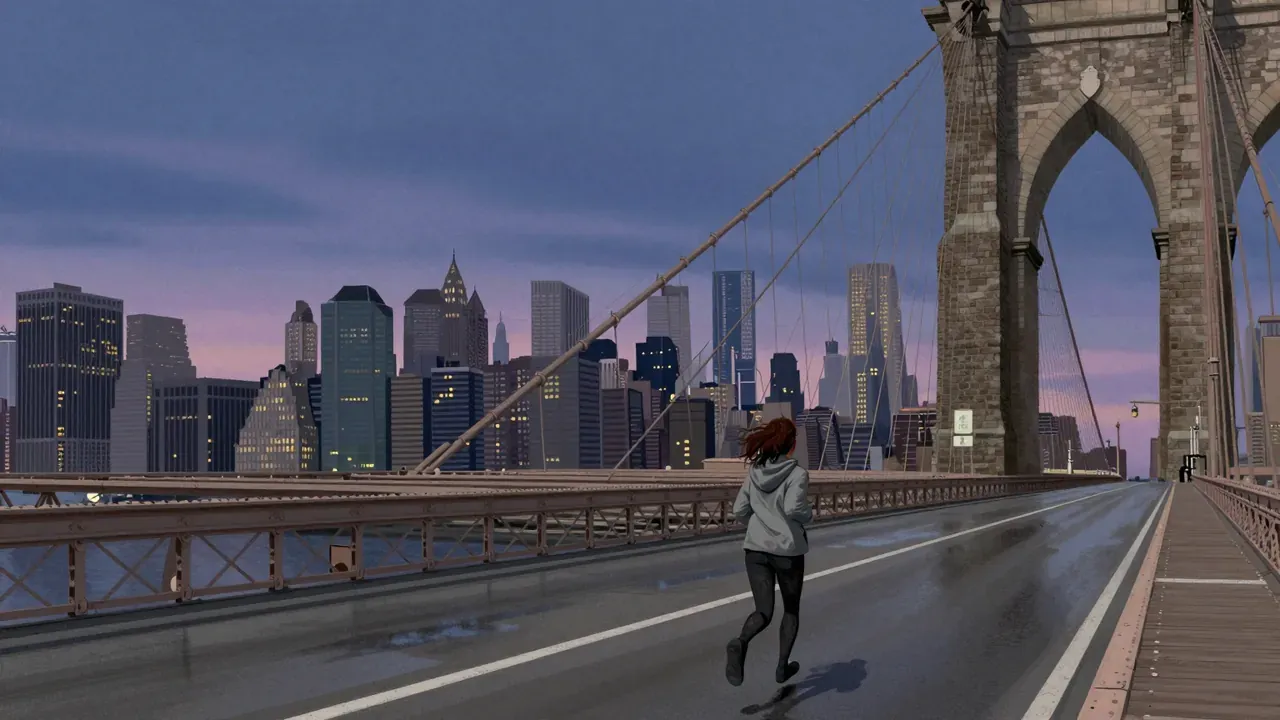
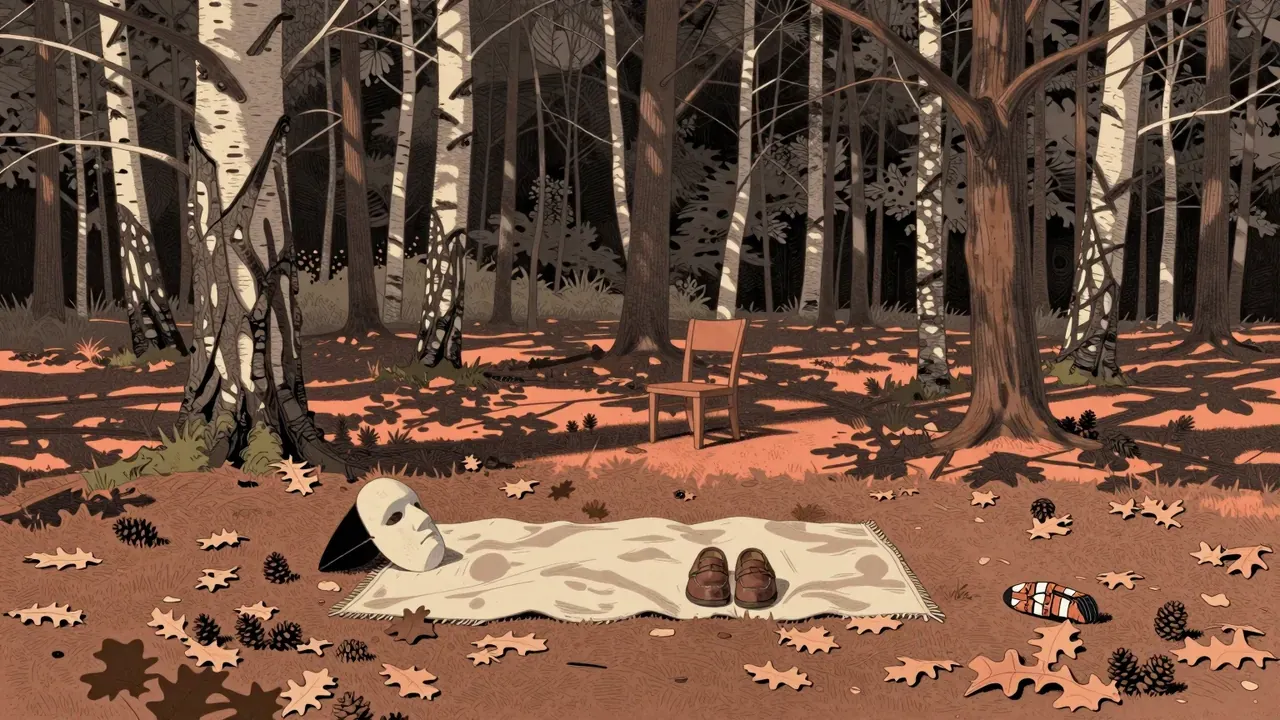
Frances Ha (2012) follows Frances, a 27-year-old dancer in New York, as her career stalls and her closest friendship frays. Shot in black-and-white on consumer-grade equipment, it favours observational detail over plot, using Gerwig’s performance and Baumbach’s direction to chart emotional shifts across apartments, cities and roles — from Brooklyn to Sacramento to Paris to Washington Heights. Its themes centre on friendship as infrastructure, class as daily friction, and identity as something folded, not fixed.
13:00

Moonrise Kingdom

Wes Anderson · 2012

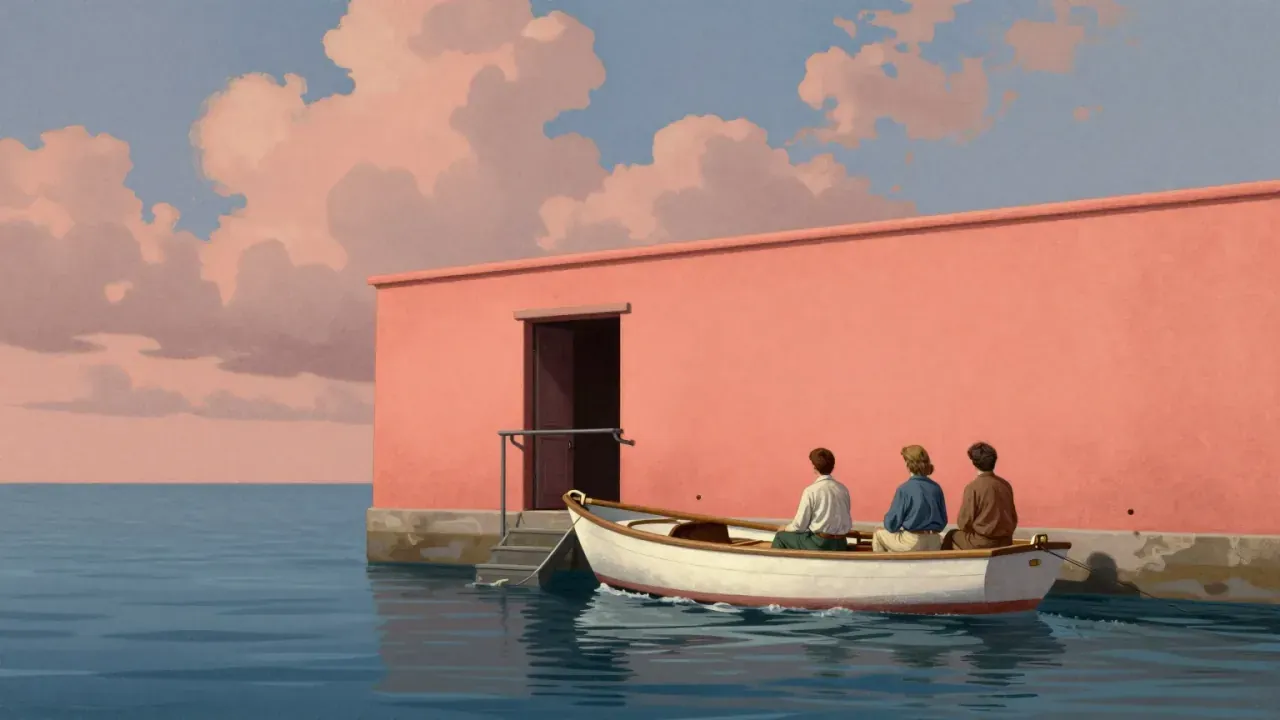
Set on a fictional New England island in 1965, Moonrise Kingdom follows twelve-year-olds Sam and Suzy as they flee their respective constraints — a scout camp and a fractured home — to build a temporary life on an isolated beach. Adults mobilise in response: scouts, police, parents, social workers. Wes Anderson and Roman Coppola shape the story as a self-contained emotional system, where visual symmetry, period detail, and musical counterpoint replace conventional narrative drive. Robert Yeoman’s Super 16mm cinematography, Alexandre Desplat’s score, and performances by Jared Gilman, Kara Hayward, Edward Norton, Bill Murray, and Frances McDormand sustain a tone both tender and exacting.

13:00

The Darjeeling Limited

Wes Anderson · 2007

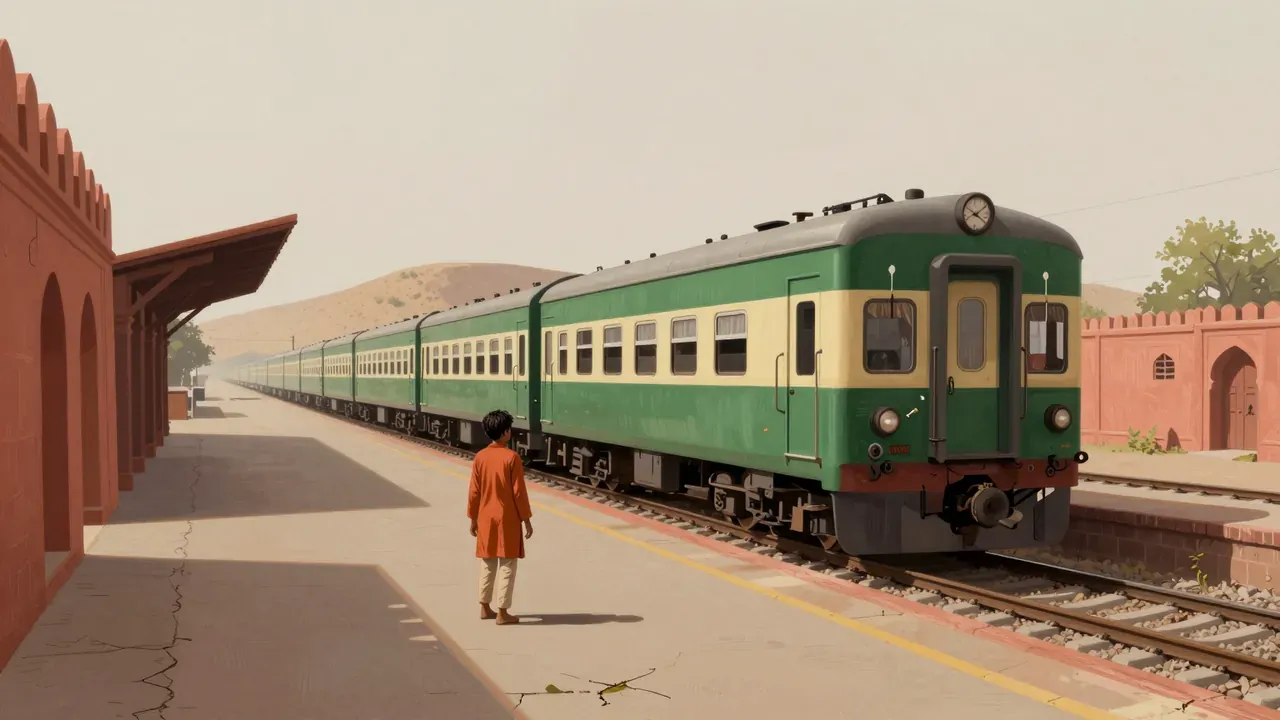
Three estranged brothers travel across Rajasthan aboard a luxury train one year after their father’s death, attempting a spiritual journey that unravels into confrontation, failure, and quiet reconnection. Directed by Wes Anderson and shot by Robert Yeoman, the film employs symmetrical framing, a muted palette, and carefully curated music to explore inherited mourning, cultural distance, and the slow dissolution of control. It premiered at Venice in 2007, grossed $35.3m on a $17.5m budget, and received generally favourable reviews.

13:00

The French Dispatch

Wes Anderson · 2021

Wes Anderson’s 2021 anthology film presents the final issue of a fictional American newspaper’s Paris bureau as a series of formally exact, stylistically distinct journalistic features. Shot in 1.37:1 on 35 mm in Angoulême, it honours mid-century magazine aesthetics, French New Wave syntax, and the physical texture of print — treating journalism as craft, not just content.

13:00

The Life Aquatic with Steve Zissou

Wes Anderson · 2004

Wes Anderson’s 2004 film follows oceanographer Steve Zissou on a quixotic quest for revenge against a mythical shark. Stylised to the point of abstraction, it uses symmetry, deadpan delivery, and invented marine life to explore grief, paternal fantasy, and the erosion of authority. Though box-office unsuccessful and critically divided on release, it has since accrued a devoted following for its unwavering formal discipline and muted emotional resonance.

13:00

The Royal Tenenbaums

Wes Anderson · 2001

Wes Anderson’s 2001 black comedy-drama follows the Tenenbaum siblings — child prodigies now adrift — as their estranged father Royal (Gene Hackman) returns with a fabricated illness. Shot across 250 stylised sets in and around New York, it uses symmetrical framing, deliberate pacing, and a baroque score to explore stasis, inherited grief, and the quiet persistence of love beneath formal distance.

13:00

Uncut Gems

Benny Safdie, Josh Safdie · 2019

A 2019 crime thriller set in New York’s Diamond District, Uncut Gems follows Howard Ratner, a jeweller and compulsive gambler, over a few chaotic days in 2012. When a rare Ethiopian opal arrives at his store, he leverages it across multiple high-stakes bets while evading loan sharks and managing fractured personal relationships. Directed by Benny and Josh Safdie, the film uses aggressive editing, claustrophobic cinematography, and a pulsing electronic score to simulate the physiology of addiction. Adam Sandler delivers a career-defining performance as a man whose intelligence and energy are indistinguishable from his self-destruction.

13:00

Inside Llewyn Davis

Ethan Coen, Joel Coen · 2013

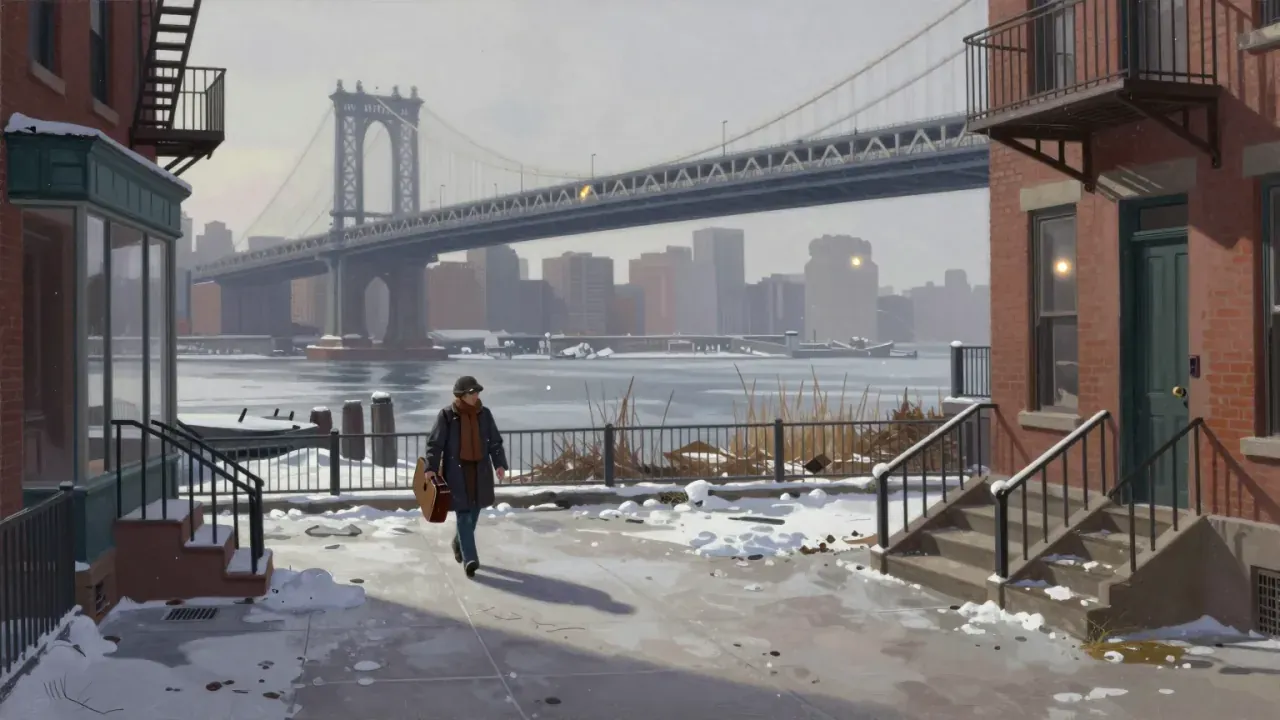
A 2013 Coen brothers film set in early-1961 New York, following folk singer Llewyn Davis over one wintry week. Oscar Isaac stars in a performance defined by vocal authenticity and physical weariness. Bruno Delbonnel’s muted cinematography and T Bone Burnett’s live-recorded folk soundtrack anchor a story that loops rather than progresses — rejecting biopic convention in favour of a precise, unsentimental study of artistic persistence without reward.

13:00

Sleepy Hollow

Tim Burton · 1999

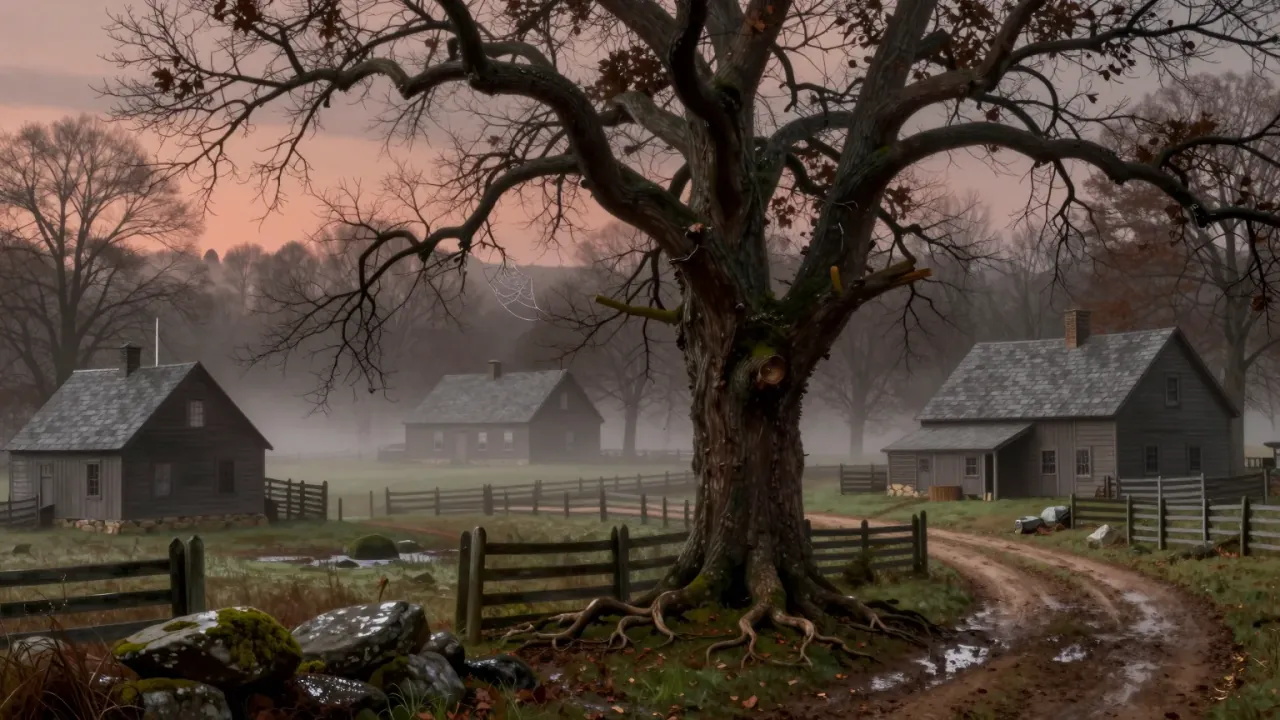
Tim Burton’s 1999 Sleepy Hollow reimagines Washington Irving’s tale as a painterly, studio-crafted horror fable. Johnny Depp plays Ichabod Crane, a forensic-minded constable investigating decapitations in an insular Hudson Valley village. With Emmanuel Lubezki’s moody cinematography, Rick Heinrichs’ Oscar-winning production design, and Danny Elfman’s brooding score, the film builds dread through saturated colour, deliberate artifice and tactile detail — not plot mechanics or psychological realism. Its strengths are visual and atmospheric; its weaknesses lie in structural looseness and underdeveloped relationships. It rewards patience with mood over momentum.

13:00

Fantastic Mr. Fox

Wes Anderson · 2009

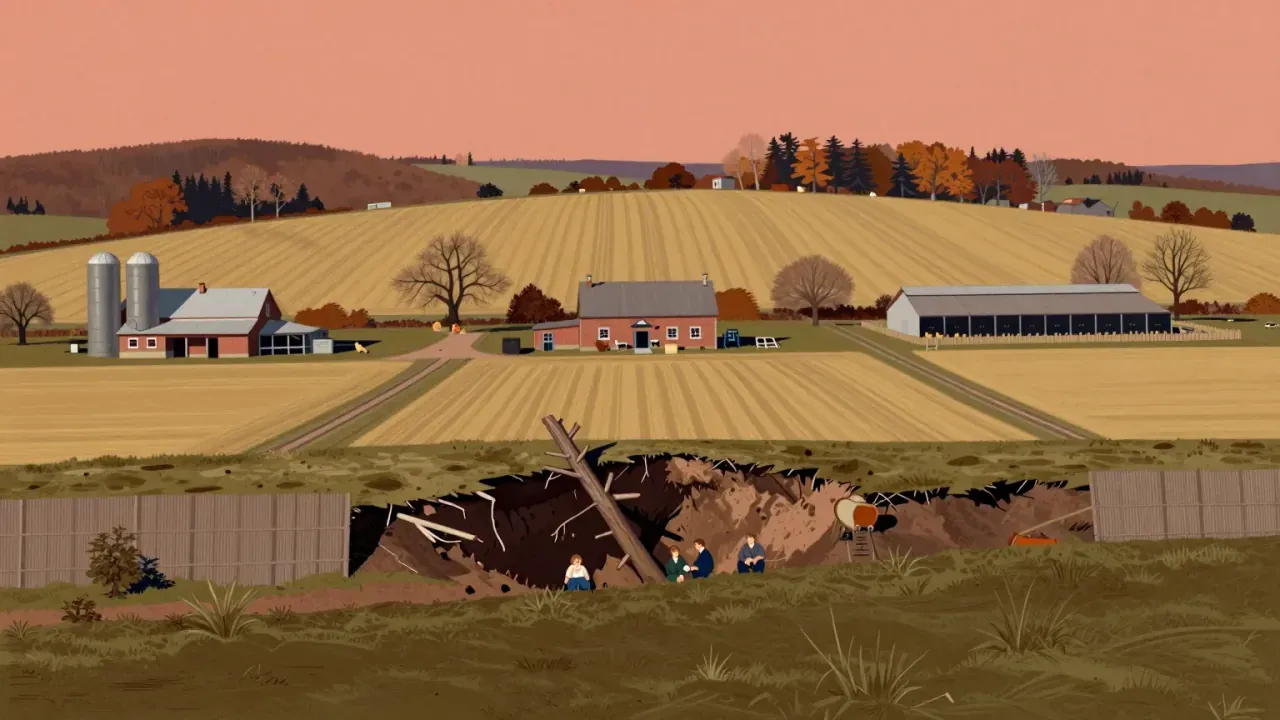
George Clooney voices a fox whose one last heist against three farmers turns into a siege on his whole underground community. Wes Anderson's 2009 stop-motion adaptation of Roald Dahl keeps the plot but reshapes the tone into something drier and more personal.

13:00

Isle of Dogs

Wes Anderson · 2018

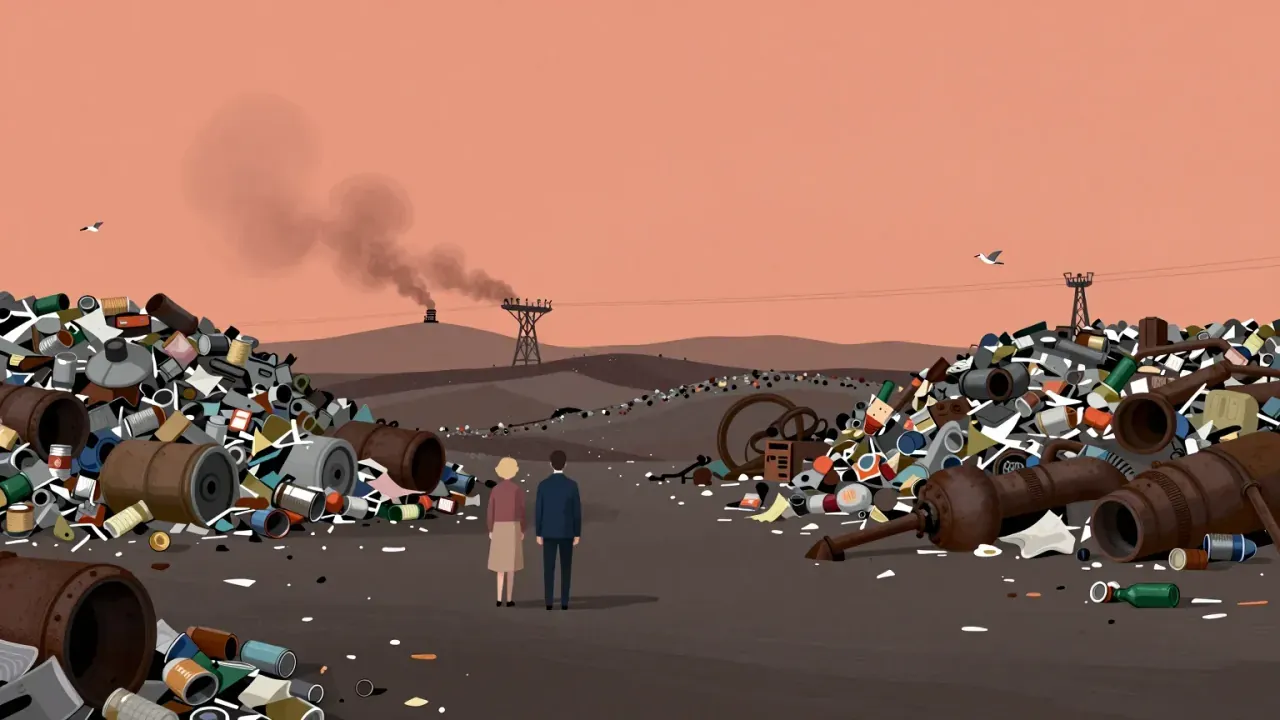
A dictatorial mayor exiles every dog in the fictional Japanese city of Megasaki to Trash Island over a manufactured flu outbreak, and his own twelve-year-old ward hijacks a plane to find his banished bodyguard dog among them. Wes Anderson's second stop-motion feature, drawing openly on Akira Kurosawa and Hayao Miyazaki, pairs meticulous handcrafted puppetry with a plot about political corruption and canine loyalty, while drawing sustained criticism for how it handles the Japanese setting and characters within it.

13:00

No Country for Old Men

Ethan Coen, Joel Coen · 2007

No Country for Old Men follows a welder who finds two million dollars at a drug deal gone wrong, the hitman sent to retrieve it, and the ageing sheriff trailing both of them across 1980 West Texas. Joel and Ethan Coen adapt Cormac McCarthy's novel with unusual fidelity, keeping dialogue sparse and letting Roger Deakins's landscapes and Javier Bardem's performance as Anton Chigurh carry a story that deliberately withholds the confrontation genre habit expects.

13:00

The Grand Budapest Hotel

Wes Anderson · 2014

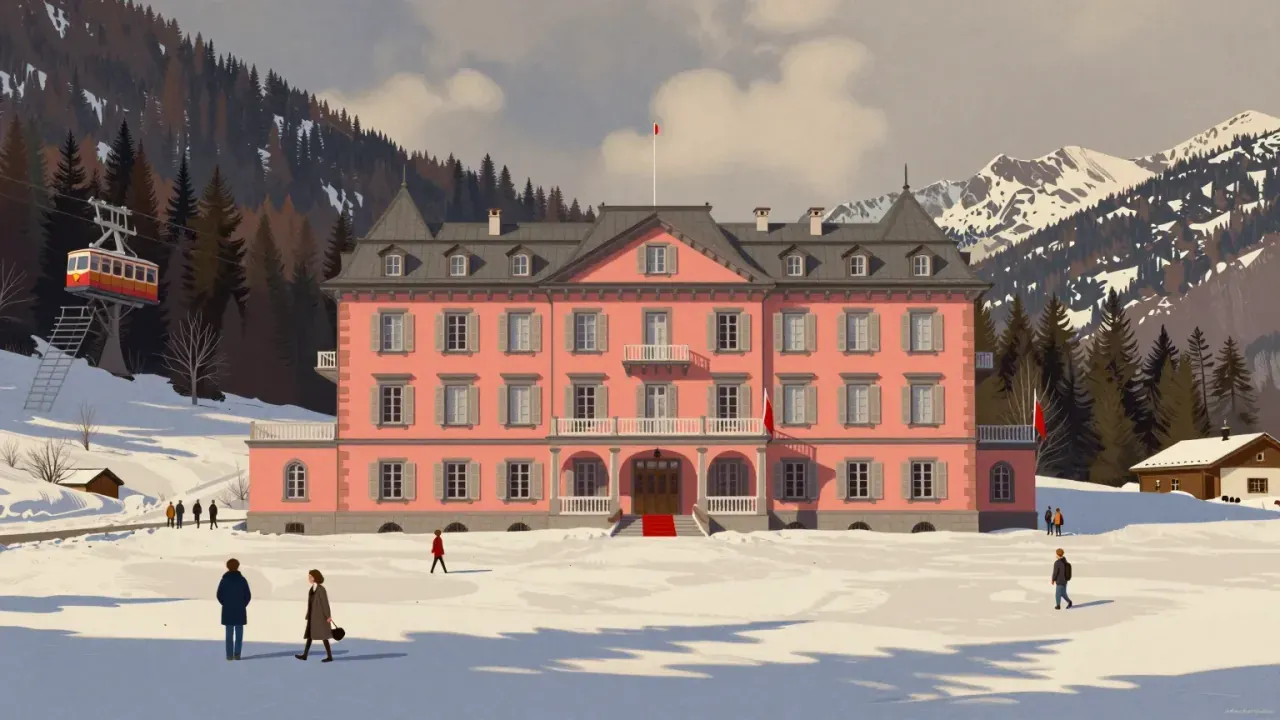
Ralph Fiennes plays a meticulous concierge framed for murder in Wes Anderson's 2014 comedy, built from Stefan Zweig's writing and won on the strength of its production design and score.

13:00

The Social Network

David Fincher · 2010

The Social Network reconstructs the founding of Facebook through the two lawsuits that followed it, cutting between Harvard in 2003 and the depositions years later where Mark Zuckerberg, Eduardo Saverin, and the Winklevoss twins each give a different account of who invented what. David Fincher directs Aaron Sorkin's script, based loosely on Ben Mezrich's book, with Jesse Eisenberg as Zuckerberg and a score by Trent Reznor and Atticus Ross that treats a founding myth as something closer to a thriller.

13:00

The Truman Show

Peter Weir · 1998

Jim Carrey plays a man raised from birth inside a soundstage as the unwitting star of a round-the-clock broadcast, gradually noticing the cracks in a world built entirely around him.