filmbriefs
Cinematographer

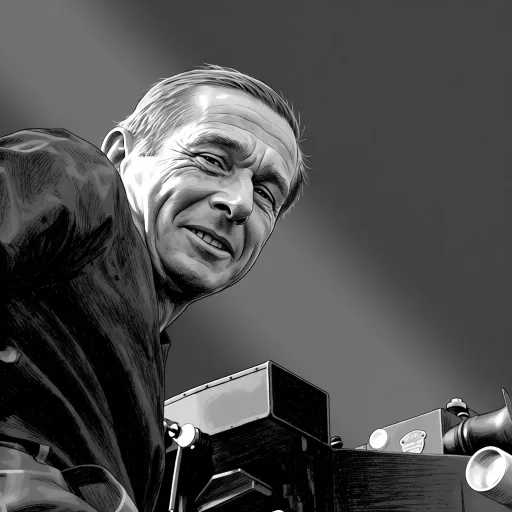
Roland Totheroh

4
briefs
13:00
average
52 min
in total
On film.briefs4
13:00

City Lights

Charlie Chaplin · 1931

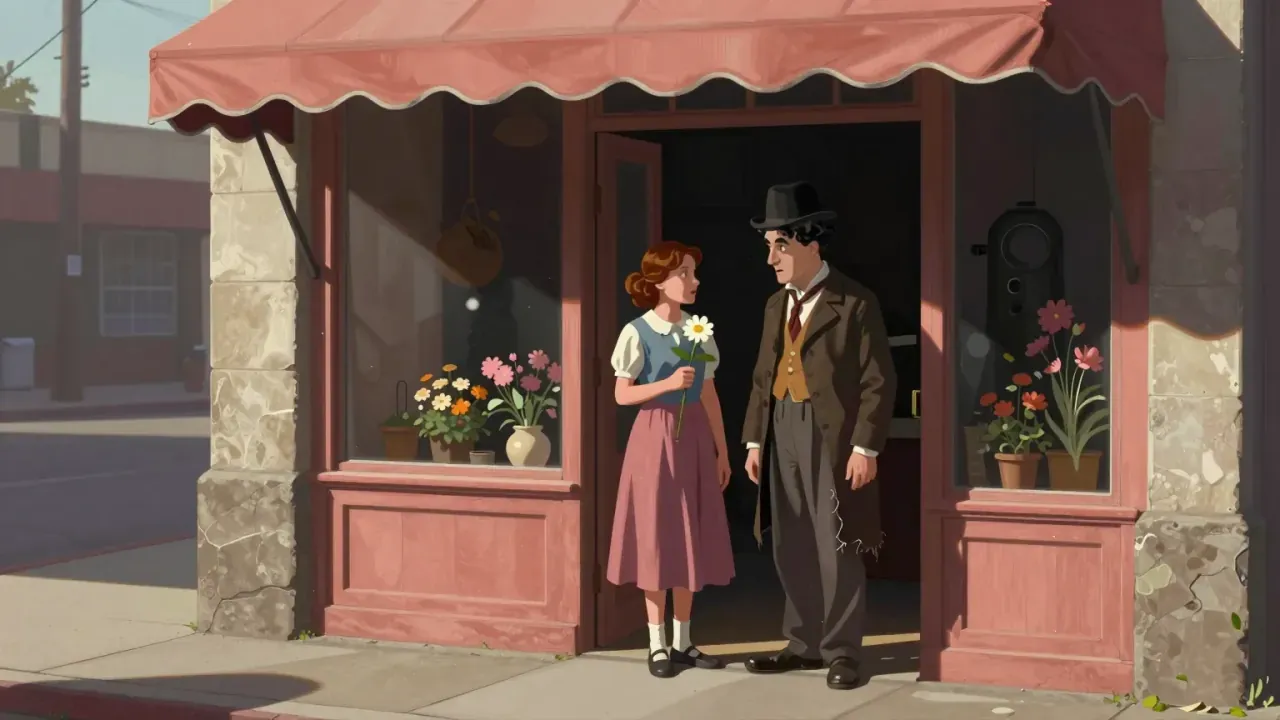
A 1931 silent romantic comedy-drama written, directed by and starring Charlie Chaplin. Though released after the arrival of sound cinema, it uses no spoken dialogue, relying instead on physical performance, intertitles, and a composed musical score. The Tramp falls for a blind flower seller and forms a volatile bond with a drunken millionaire. Its final scene — the flower girl’s first sighted meeting with the Tramp — is widely regarded as one of cinema’s most accomplished moments of wordless emotional storytelling.

13:00

Modern Times

Charlie Chaplin · 1936

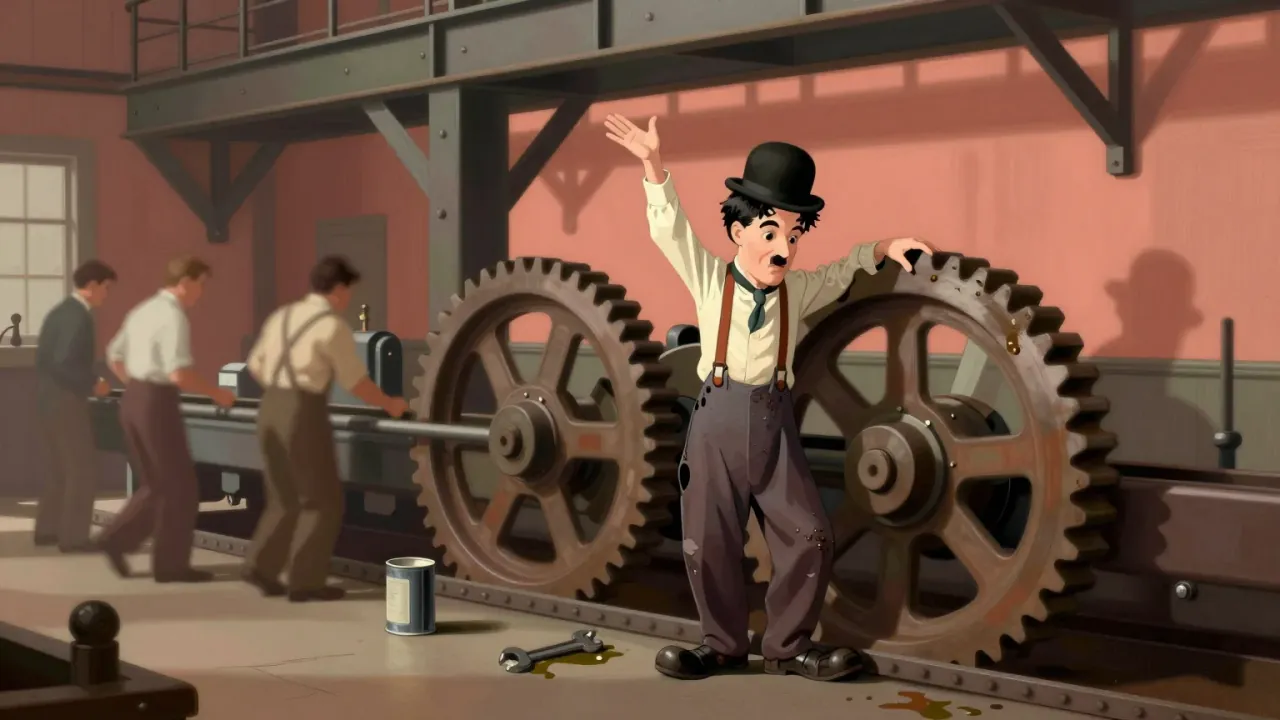
Charlie Chaplin’s 1936 Modern Times is his final silent film and last appearance as the Little Tramp. Set against the Great Depression, it follows the Tramp and a young woman, Ellen, through unemployment, mistaken arrests, factory work, and fleeting shelter — all rendered through tightly choreographed slapstick and sparse, stylised sound. Though episodic, its gags target automation, surveillance, and class with surgical precision. Composed and directed by Chaplin, it remains a landmark of cinematic satire and humanist comedy.

13:00

The Gold Rush

Charlie Chaplin · 1925

Charlie Chaplin’s 1925 silent feature The Gold Rush transplants his Little Tramp into the Klondike Gold Rush, using starvation, cold, and isolation as structural principles rather than setting. Its most enduring sequences — shoe-eating, roll-dancing, cabin-on-a-cliff — succeed through unwavering tonal control and physical precision. While the romantic second half lacks the psychological density of the survival sections, the film remains a masterclass in expressive economy: every frame, gesture, and pause serves its dual commitment to laughter and pathos.

13:00

The Great Dictator

Charlie Chaplin · 1940

Charlie Chaplin’s 1940 The Great Dictator is his first full sound film and a bold, early condemnation of Hitler, Mussolini and fascism. Playing both a ruthless dictator and a persecuted Jewish barber, Chaplin uses physical comedy, musical irony and direct address to expose authoritarian spectacle and affirm human dignity. Though structurally uneven and limited by its era’s conventions, it remains historically vital and morally unflinching.