filmbriefs
Producer · 1896–1977

Michael Balcon

7
briefs
13:00
average
91 min
in total
On film.briefs7
13:00

Kind Hearts and Coronets

Robert Hamer · 1949

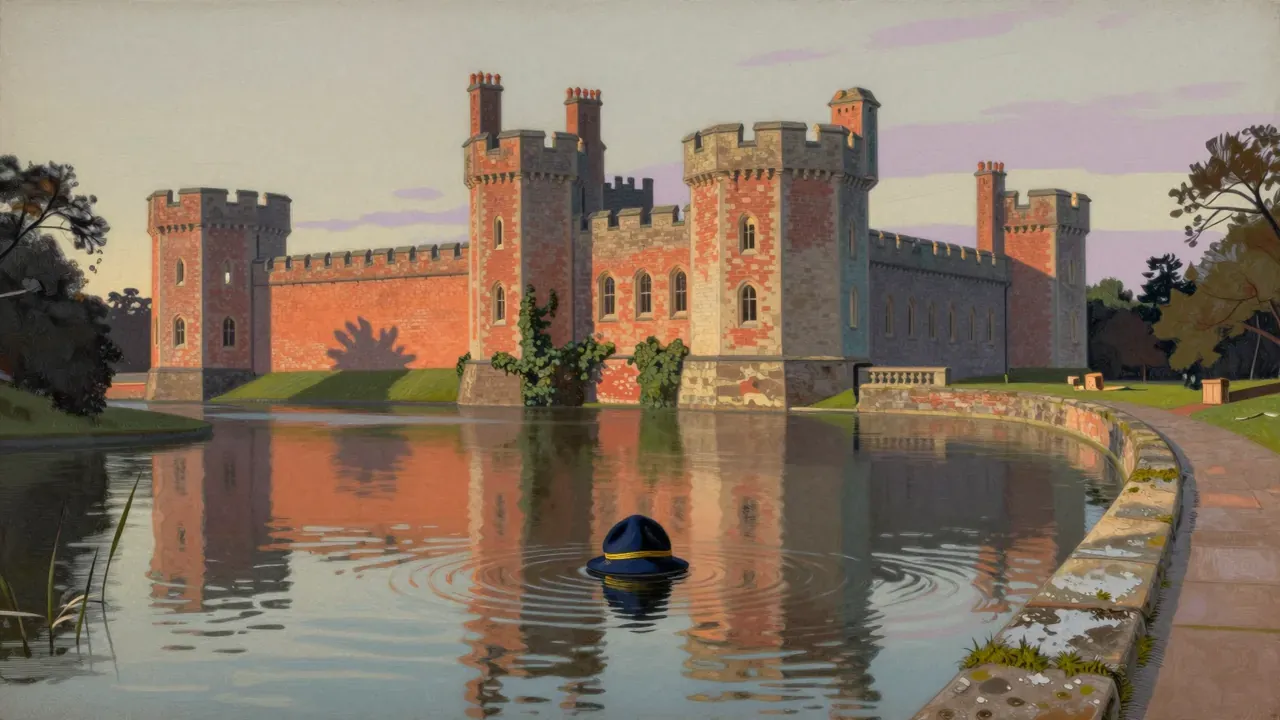
Kind Hearts and Coronets (1949), directed by Robert Hamer for Ealing Studios, follows Louis Mazzini’s calm, calculated elimination of eight aristocratic relatives to claim a dukedom. Dennis Price narrates with detached elegance; Alec Guinness plays all eight victims with subtle, precise differentiation. Douglas Slocombe’s cinematography and Ernest Irving’s Mozart-infused score sustain a tone of immaculate, unsettling decorum. Loosely adapted from Roy Horniman’s Israel Rank, the film sharpens its source into a satire of class, legitimacy, and performative Englishness — dry, controlled, and morally unmoored.
13:00

The Man Who Knew Too Much

Alfred Hitchcock · 1934

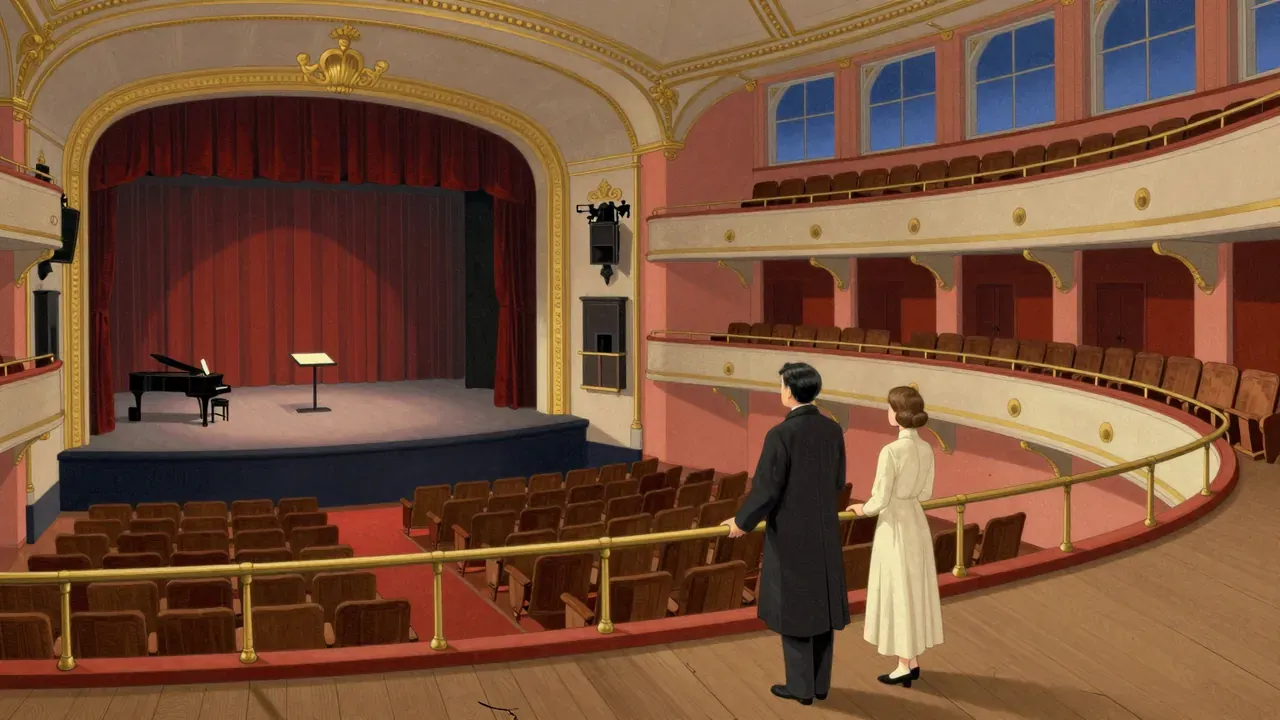
Alfred Hitchcock’s 1934 British thriller follows a couple who uncover an assassination plot while on holiday in Switzerland, then race to stop it in London — all without police help. Built on tight pacing, precise editing, and Arthur Benjamin’s Storm Clouds Cantata, it prioritises cause-and-effect over psychology, domestic stakes over geopolitical spectacle. Though leaner and less polished than Hitchcock’s later work, its structural rigour and unwavering focus make it a masterclass in economical suspense.

13:00

The Proud Valley

Pen Tennyson · 1940

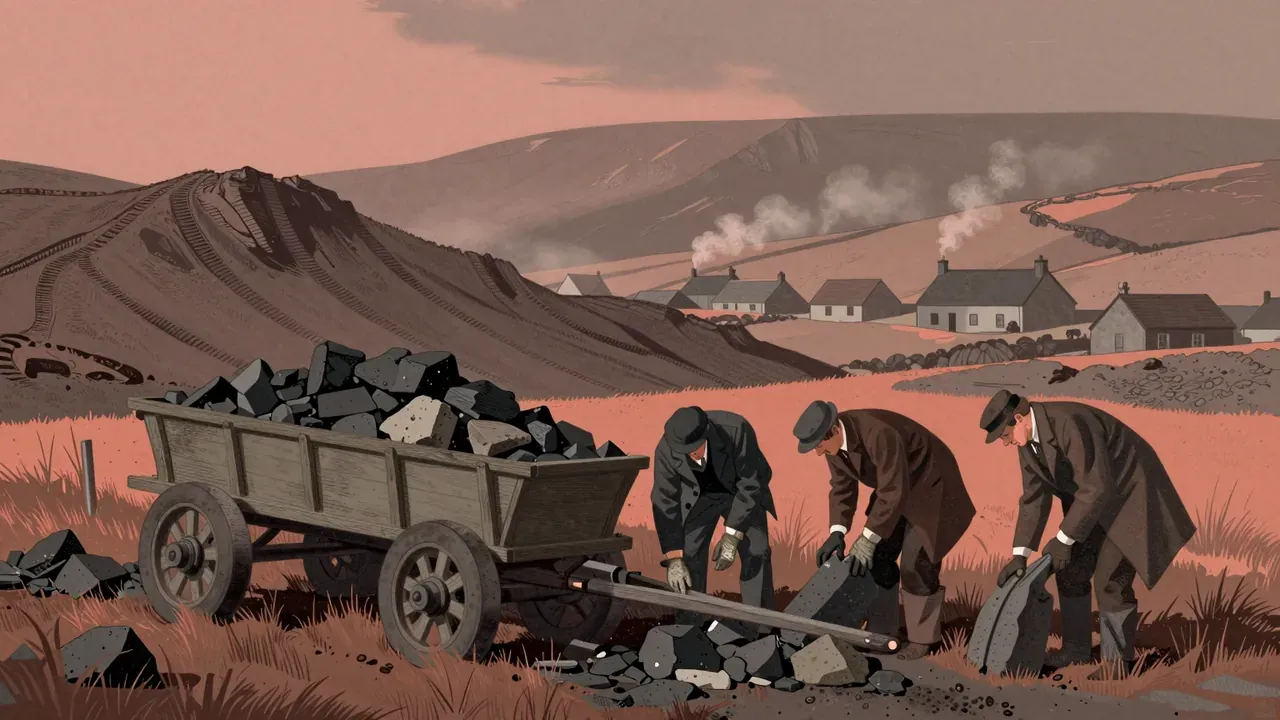
The Proud Valley (1940) follows Paul Robeson as an African American sailor who joins a Welsh mining community, finding kinship in labour and song. Filmed on location before the outbreak of WWII, it was re-cut to soften its socialist ending — yet retains its emotional and political force through understated performances, choral texture, and unvarnished depictions of industrial life. Directed by Pen Tennyson for Ealing Studios, it remains Robeson’s favourite film and a rare British drama centred on Black dignity, cross-racial solidarity, and collective endurance.

13:00

Tom Jones

Tony Richardson · 1963

Tony Richardson’s 1963 adaptation of Henry Fielding’s novel stars Albert Finney as the roguish, good-hearted Tom, whose journey from foundling to accepted heir unfolds through slapstick, satire and fourth-wall breaks. Written by John Osborne and shot by Walter Lassally, it balances period detail with formal audacity — intertitles, a wry narrator, and abrupt edits — to embody Fielding’s moral ambiguity. Though some emotional arcs falter and its satire occasionally overshadows character, its energy, performances and stylistic confidence remain distinctive. It won four Academy Awards, including Best Picture and Best Director.

13:00

Man of Aran

Robert J. Flaherty · 1934

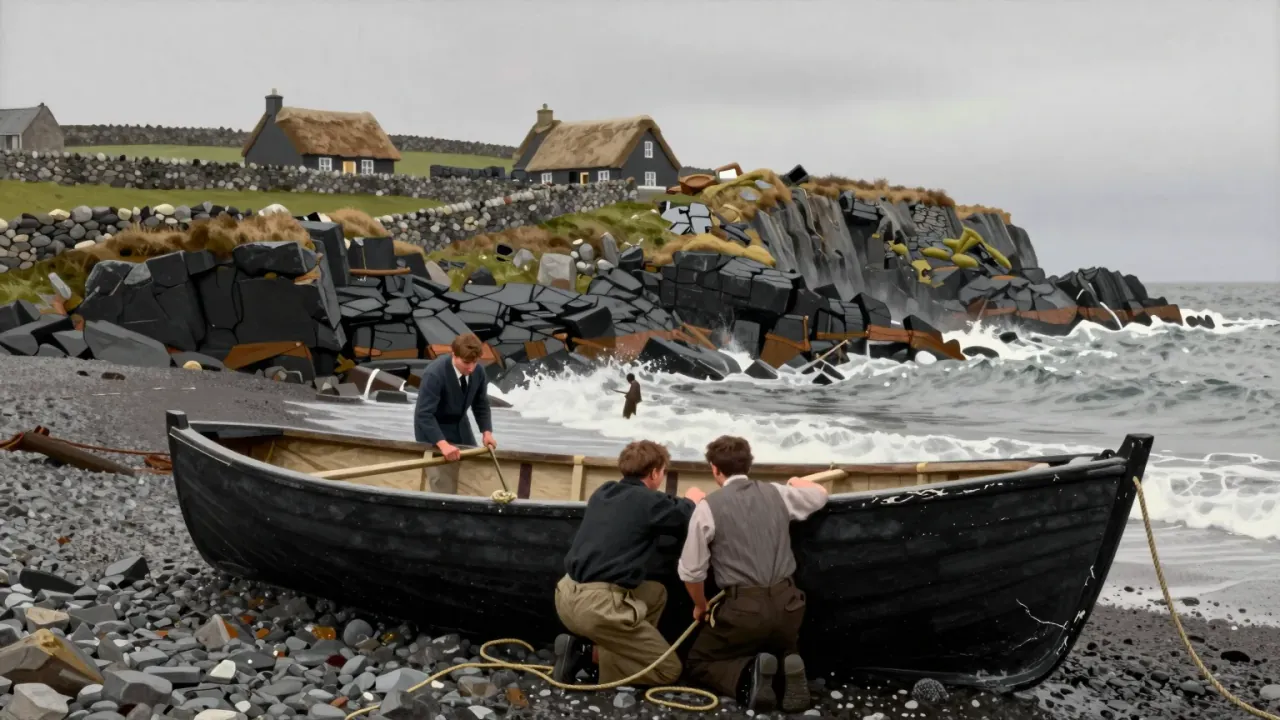
Robert J. Flaherty’s 1934 documentary Man of Aran stages life on Ireland’s Aran Islands as a timeless struggle against sea and stone. Though marketed as ethnography, it fabricates customs — notably basking shark hunting — and assembles non-related islanders as a symbolic family. Shot silently with radical long-lens cinematography and edited for rhythmic intensity, it prioritises visual myth over social reality. Its enduring power lies in formal discipline, not fidelity.

13:00

The 39 Steps

Alfred Hitchcock · 1935

Alfred Hitchcock’s 1935 adaptation of John Buchan’s novel is a foundational British spy thriller: Robert Donat plays Richard Hannay, a man falsely accused who flees across England and Scotland pursued by spies and police alike. Shot by Bernard Knowles and edited by Derek Twist, it relies on geography, rhythm and understated performance rather than exposition or spectacle. Though it departs significantly from the source, it established core Hitchcock tropes — the innocent man on the run, the MacGuffin, the public-space climax — and remains a masterclass in classical suspense construction.

13:00

The Lodger: A Story of the London Fog

Alfred Hitchcock · 1927

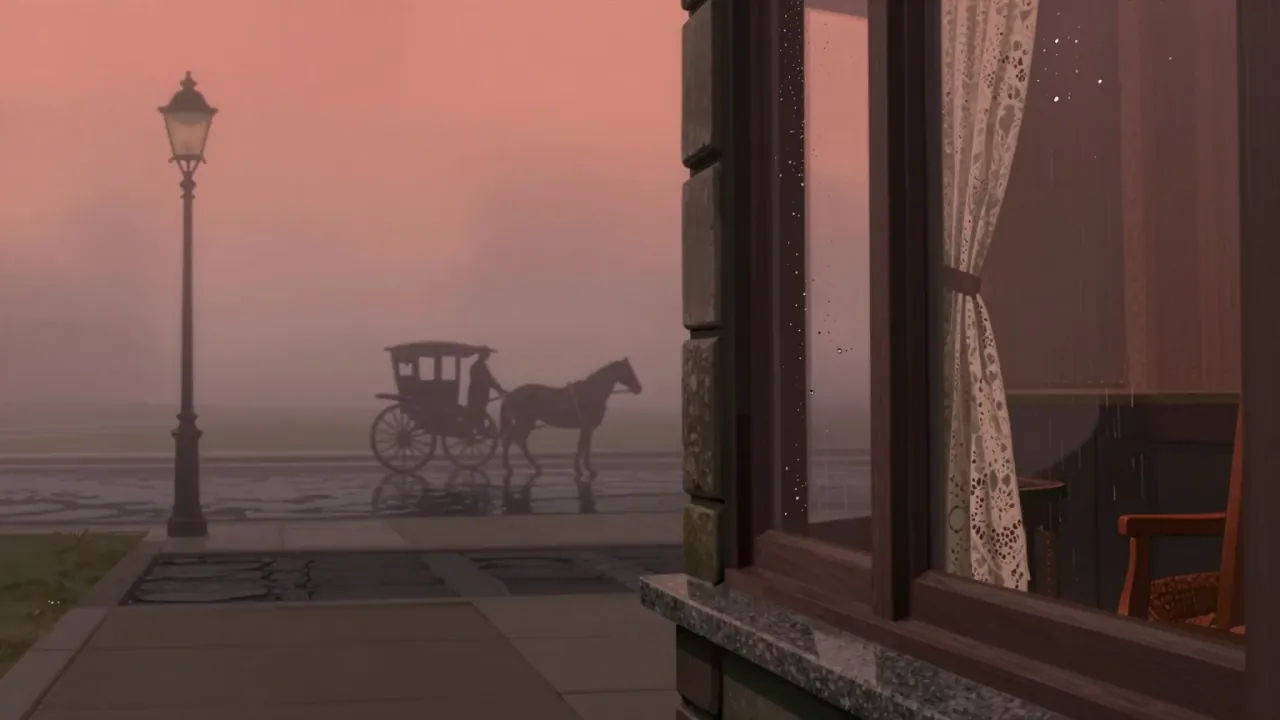
Alfred Hitchcock’s 1927 silent thriller *The Lodger* follows a London family renting a room to a mysterious man amid a string of blonde-victim murders. Using expressionist lighting, inventive camera angles, and minimal intertitles, it constructs suspense through space, sound (implied), and collective anxiety — establishing Hitchcock’s lifelong preoccupations with guilt, perception, and mob logic.