filmbriefs
Director · Screenwriter · Producer

Masaki Kobayashi

8
briefs
13:00
average
104 min
in total
On film.briefs8
13:00

Black River

Masaki Kobayashi · 1957

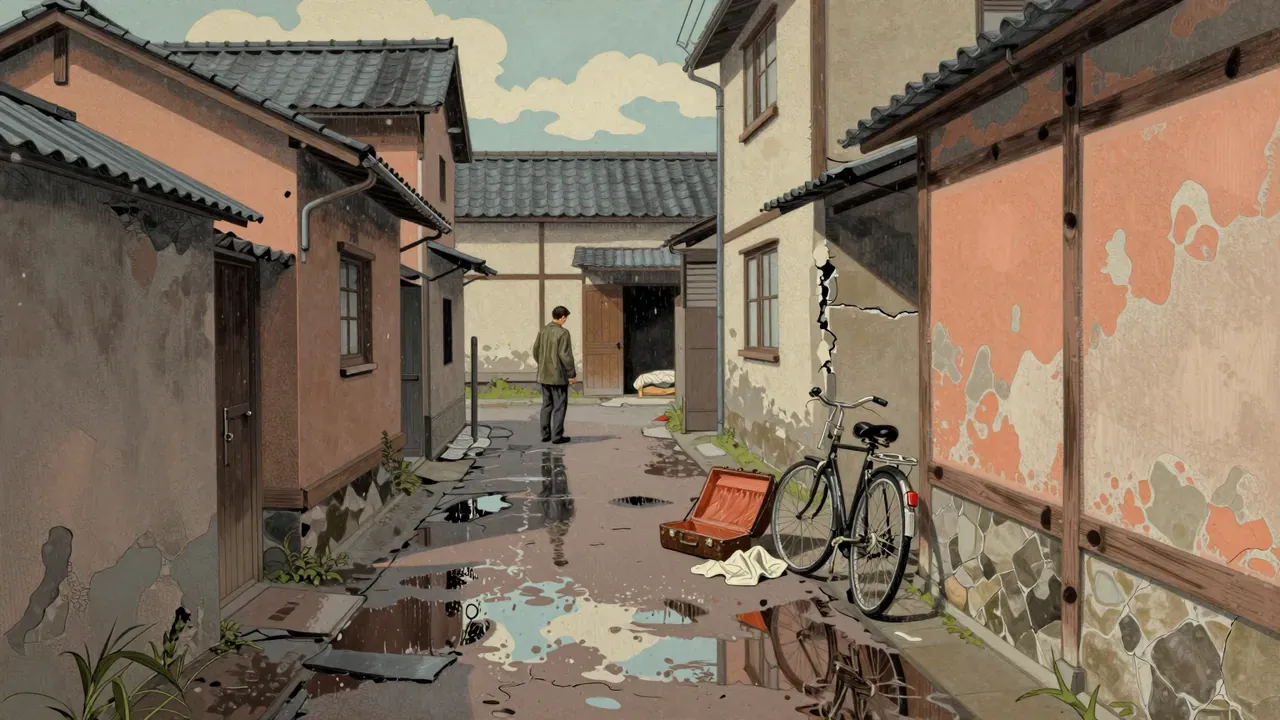
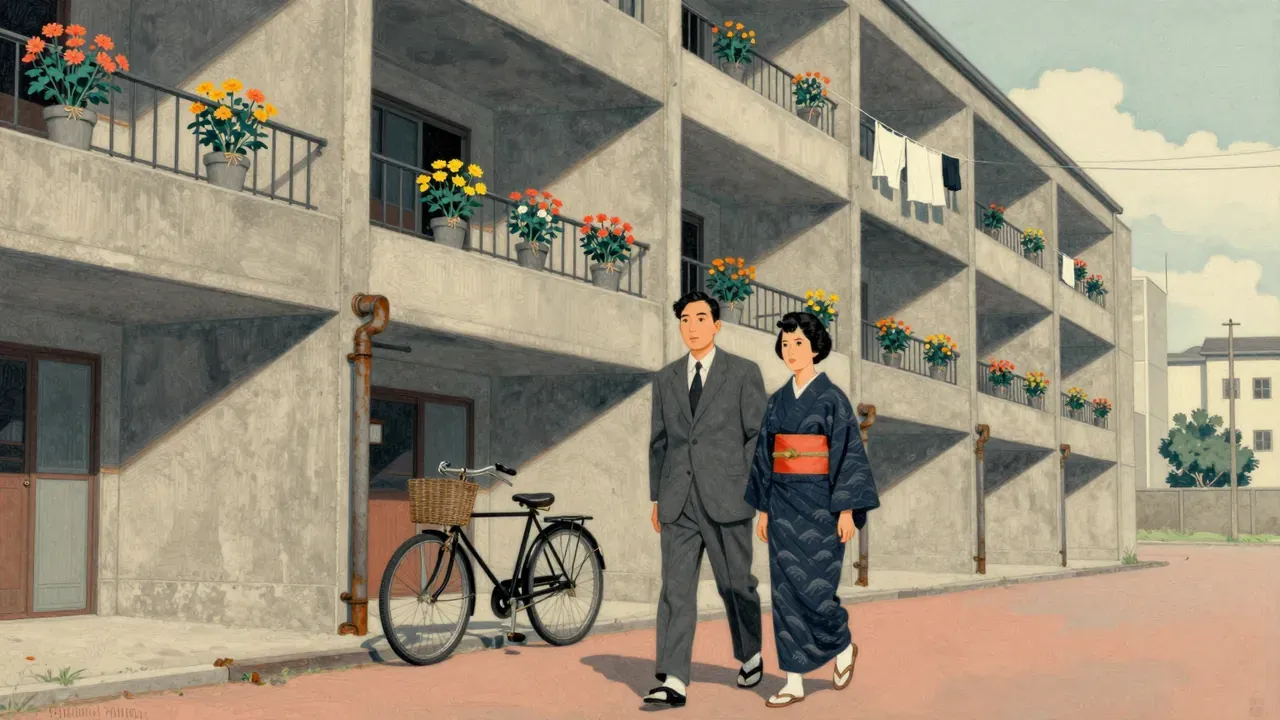
Masaki Kobayashi’s 1957 drama Black River follows a university student and a waitress in a Tokyo district shadowed by a US military base. When she is raped by a local gangster and forced into a coercive relationship, and when both are evicted as part of a development scheme, their fragile bond culminates in an act of desperate, unsentimental violence. Shot with stark realism and performed with restrained intensity, the film treats systemic oppression as atmosphere rather than argument.
13:00

Harakiri

Masaki Kobayashi · 1962

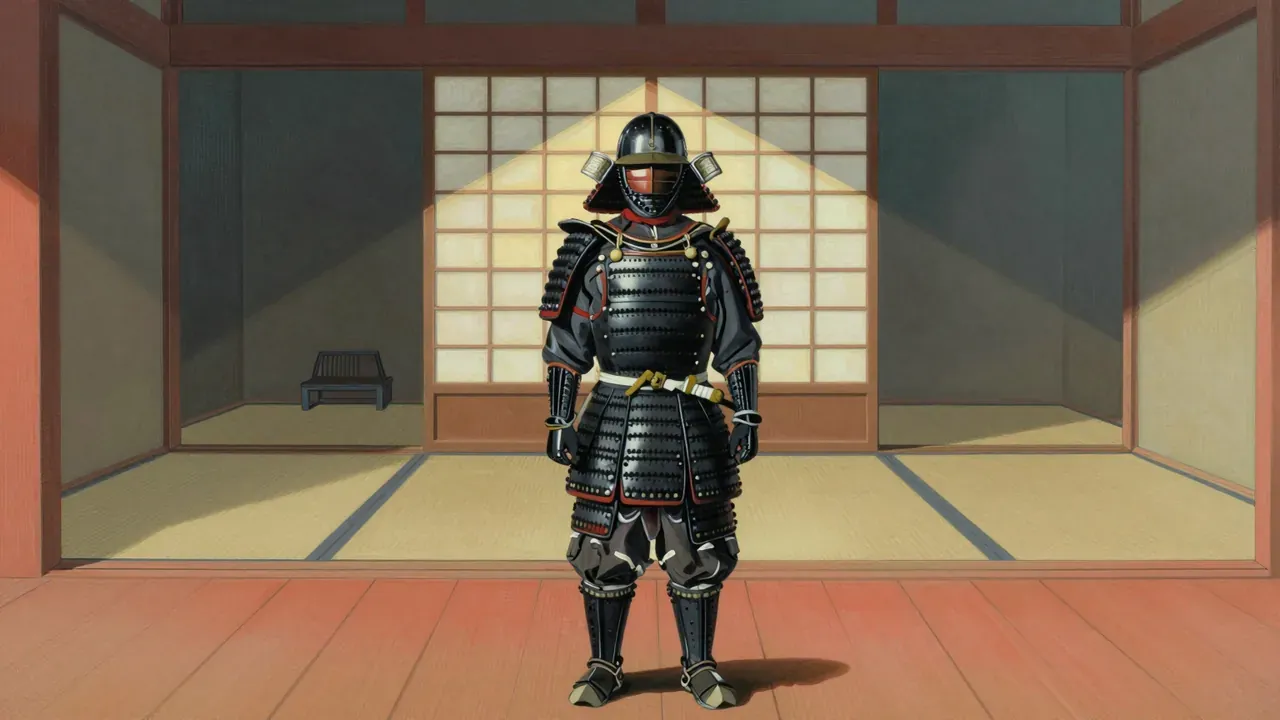
Masaki Kobayashi’s 1962 jidaigeki follows rōnin Tsugumo Hanshirō as he requests seppuku at the Iyi clan’s estate — not to die, but to force a reckoning with their hypocrisy. Through precise framing, restrained performance, and a narrative structured like a legal deposition, the film exposes how bushido functions as bureaucratic cover for cruelty. Tatsuya Nakadai anchors the film with implacable gravity; Yoshio Miyajima’s cinematography and Tōru Takemitsu’s score deepen its moral austerity. It remains a landmark of ethical cinema, less concerned with honour than with who bears the cost when honour becomes theatre.

13:00

I Will Buy You

Masaki Kobayashi · 1956

Masaki Kobayashi’s 1956 film I Will Buy You follows a baseball talent scout competing to sign a gifted student, Kurita, whose future becomes a site of negotiation among clubs, family, and a shadowy patron. Adapted from Minoru Ōno’s novel, it examines commodification, consent, and class through restrained performances and procedural pacing — not games, but meetings; not triumph, but transaction.

13:00

Kwaidan

Masaki Kobayashi · 1964

Masaki Kobayashi’s 1964 Kwaidan is a four-part Japanese horror anthology adapted from Lafcadio Hearn’s folktales. Shot on vast, artificially lit soundstages, it replaces narrative drive with painterly control of colour, silence, and surface. Yoshio Miyajima’s cinematography flattens space; Tōru Takemitsu’s score uses prepared piano and charged silence; Yōko Mizuki’s script preserves Hearn’s archaic cadence. The film treats spirits not as agents of vengeance but as forces of immutable consequence — indifferent, inevitable, aesthetic. Though commercially unsuccessful and financially ruinous for its production company, it won the Special Jury Prize at Cannes and is now regarded as a landmark of stylised cinema.

13:00

Samurai Rebellion

Masaki Kobayashi · 1967

Masaki Kobayashi’s 1967 jidaigeki follows a loyal samurai whose adherence to protocol forces him into open revolt against his daimyo. Based on Yasuhiko Takiguchi’s short story and scripted by Shinobu Hashimoto, the film traces how rigid hierarchy turns love, parenthood, and honour into liabilities. With Toshirō Mifune and Tatsuya Nakadai, Kazuo Yamada’s restrained cinematography and Tōru Takemitsu’s sparse, traditional score deepen its austerity. It won Best Film at Kinema Junpo and Mainichi, and the FIPRESCI Prize at Venice.

13:00

The Human Condition I: No Greater Love

Masaki Kobayashi · 1959

Masaki Kobayashi’s 1959 epic opens The Human Condition trilogy with Tatsuya Nakadai as Kaji, a Japanese idealist who moves to Manchuria to avoid conscription, only to confront the moral rot of colonial labour management. Shot by Yoshio Miyajima and edited by Keiichi Uraoka, it uses duration and restraint to show how systems degrade conscience — not through sudden violence, but through paperwork, silence, and incremental surrender.

13:00

The Inheritance

Masaki Kobayashi · 1962

Masaki Kobayashi’s 1962 drama follows the ruthless scramble among associates of a dying businessman to locate and manipulate his three illegitimate children before he divides his fortune. With Keiko Kishi, Sō Yamamura and Tatsuya Nakadai, and cinematography by Takashi Kawamata and music by Tōru Takemitsu, the film rejects sentiment in favour of procedural rigour — exposing how legality, kinship and mortality become instruments of financial gain.

13:00

The Thick-Walled Room

Masaki Kobayashi · 1956

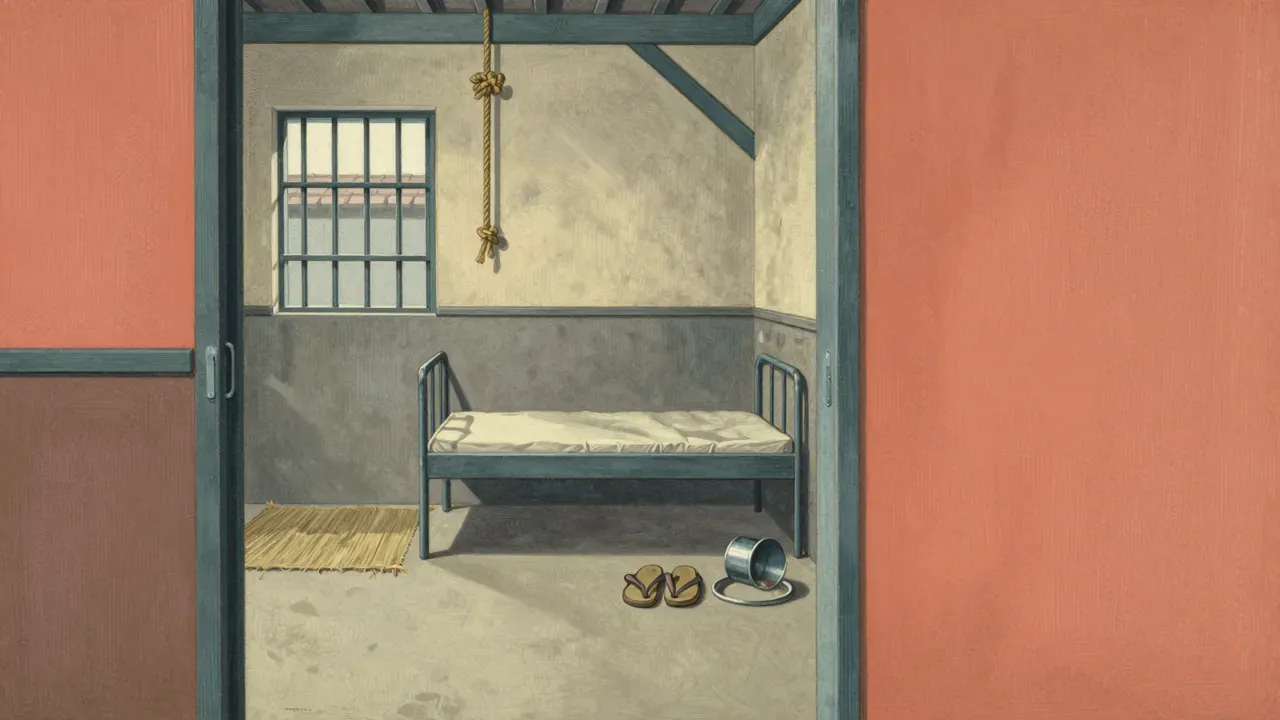
Masaki Kobayashi’s 1956 debut feature, completed in 1953 but delayed for three years due to its controversial subject, follows Japanese soldiers imprisoned in Sugamo Prison as Class B and C war criminals. Adapted by Kōbō Abe from real diaries, it avoids polemic in favour of quiet, cumulative scrutiny — of how coercion shapes action, how memory frays under confinement, and how justice functions when administered by the victor. With restrained performances, Kazuo Miyagawa’s unemphatic cinematography, and no musical score, it builds its argument through silence, repetition, and moral ambiguity.