filmbriefs
Actor · Producer · 1915–1982

Ingrid Bergman

15
briefs
13:00
average
195 min
in total
On film.briefs15
13:00

A Woman's Face

Gustaf Molander · 1938

A disfigured Swedish woman, Anna Holm, joins a blackmail ring out of social exile. After a botched break-in, she is taken in by a plastic surgeon who repairs her face — not to make her beautiful, but to restore her ability to move unseen in the world. As she assumes a new identity to infiltrate a wealthy family, she begins to protect the very child she was meant to kill. Gustaf Molander’s 1938 drama traces moral change not through epiphany but through repeated, quiet choices — about care, labour, and who gets to belong.
13:00

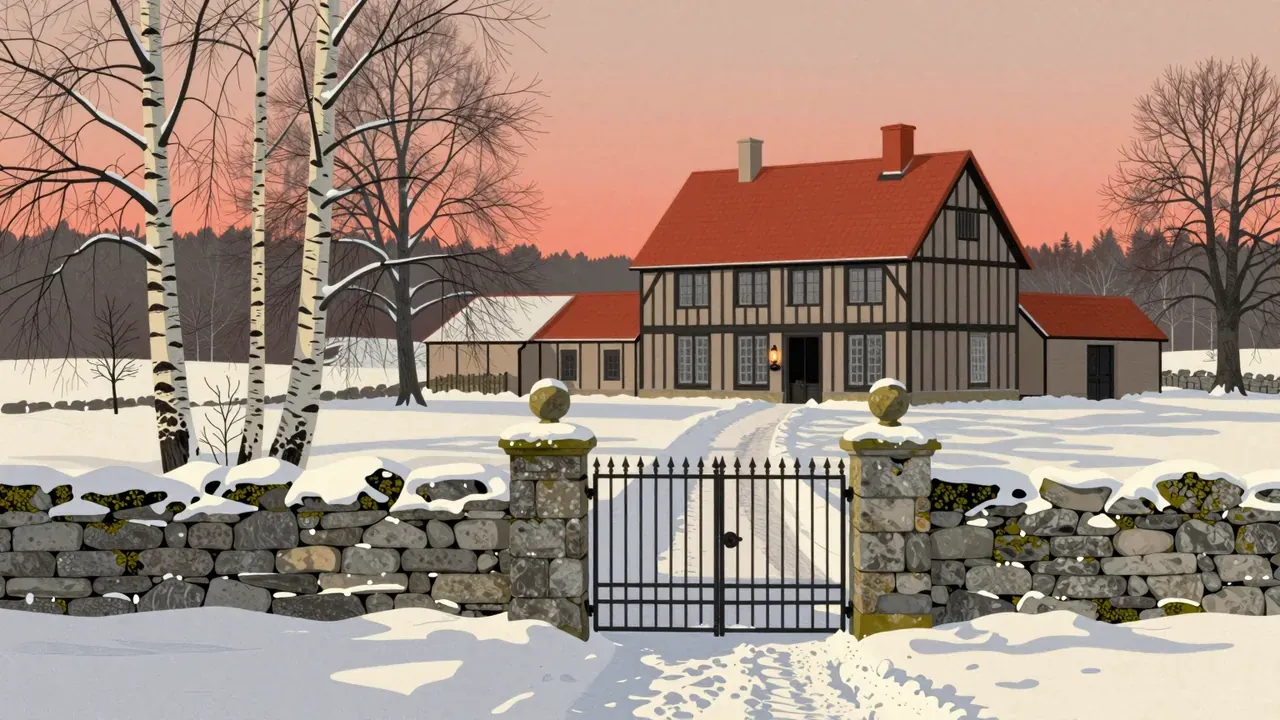
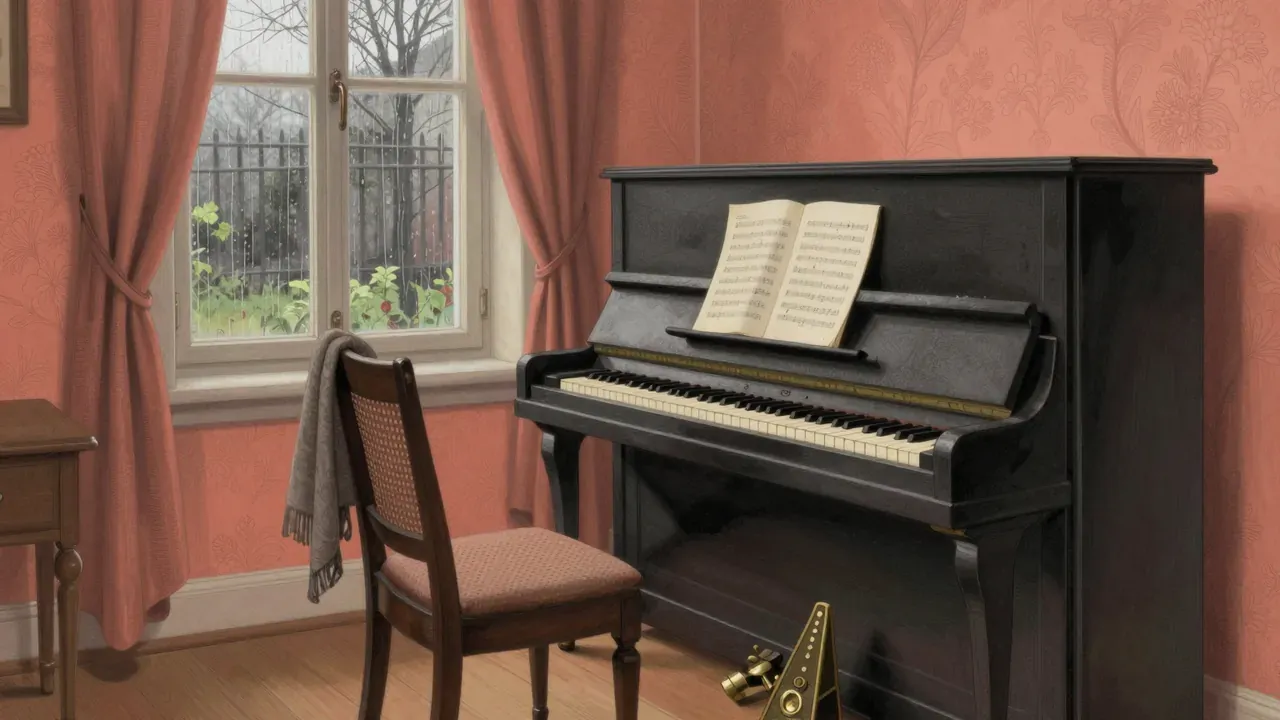
Autumn Sonata

Ingmar Bergman · 1978

Ingmar Bergman’s 1978 drama centres on pianist Charlotte and her daughter Eva, who invite her to their rural Swedish home after seven years apart. Over two days, suppressed grief, resentment, and guilt surface in a series of tightly framed confrontations. Shot by Sven Nykvist in muted tones, with Chopin’s Prelude No. 2 as its only musical motif, the film sustains emotional intensity through stillness, silence, and the physical proximity of Ingrid Bergman and Liv Ullmann. It is Bergman’s last theatrically released film and Ingrid Bergman’s final screen role.

13:00

Dollar

Gustaf Molander · 1938

Dollar is a tightly constructed 1938 Swedish comedy directed by Gustaf Molander, starring Ingrid Bergman as Julia Balzar. When compulsive gambler Louis Brenner incurs a large debt, a cheque is written to cover it — but its true origin sparks misunderstandings among three affluent couples holidaying at a ski resort. Misattributed generosity, psychosomatic paralysis, and a high-stakes psychoanalytic wager unfold with quiet precision, culminating in a late revelation about whose money was really spent. Shot by Åke Dahlqvist and edited by Oscar Rosander, it prioritises structural clarity over emotional exposition.

13:00

Elena and Her Men

Jean Renoir · 1956

Jean Renoir’s 1956 film follows a Polish princess in fin de siècle Paris whose romantic entanglements intersect with a general’s wavering ambition and a shoe magnate’s calculations. Shot in Paris studios and locations, with design by Jean André and music by Joseph Kosma, it treats politics as theatre and desire as strategy — light in tone, precise in execution, and deliberately unmoored from psychological realism.

13:00

Europe '51

Roberto Rossellini · 1952

Roberto Rossellini’s 1952 film follows Irene Girard (Ingrid Bergman), an industrialist’s wife in post-war Rome, whose son’s death precipitates a radical commitment to helping others — a commitment that brings her into conflict with family, politics, medicine, the church and finally the asylum. Shot in austere black-and-white by Aldo Tonti, with a sparse score by Renzo Rossellini, the film treats compassion as a systemic challenge rather than a personal virtue.

13:00

From the Life of the Marionettes

Ingmar Bergman · 1980

Ingmar Bergman’s 1980 German-language television film reimagines the troubled couple from Scenes from a Marriage as Peter and Katarina Egermann, a Munich-based pair whose emotional disintegration culminates in Peter’s murder of a prostitute. Shot in black and white by Sven Nykvist, with a dissonant score by Rolf Alexander Wilhelm, the film unfolds through clinical interrogations and restrained performances. It is less a crime drama than a psychological case study — austere, unsentimental, and formally exacting.

13:00

Intermezzo

Gustaf Molander · 1936

A 1936 Swedish drama in which a concert violinist’s affair with his daughter’s piano teacher unsettles his marriage and household. Directed by Gustaf Molander, it stars Gösta Ekman and Ingrid Bergman in restrained, physically precise performances. Åke Dahlqvist’s understated cinematography and Heinz Provost’s sparing score support a narrative built on pauses, glances, and domestic routine rather than plot turns or exposition.

13:00

Journey to Italy

Roberto Rossellini · 1954

Roberto Rossellini’s 1954 Journey to Italy follows an English couple drifting through Naples, their marriage fraying in silence. With Ingrid Bergman and George Sanders, it abandons plot for duration, psychology for texture, and exposition for atmosphere. Its influence on the French New Wave and modernist cinema is profound — not because it tells a story well, but because it stops trying to tell one at all.

13:00

June Nights

Per Lindberg · 1940

Per Lindberg’s June Nights (1940) follows Kerstin Nordbäck (Ingrid Bergman), a woman shot by her sailor lover and subsequently branded a ‘tramp’ by the press. She relocates to Stockholm to rebuild her life, only for the journalists to follow. Written by Ragnar Hyltén-Cavallius and shot by Åke Dahlqvist, the film is a restrained, psychologically precise drama about reputation, labour, and the asymmetry of visibility in a world governed by headlines.

13:00

Notorious

Alfred Hitchcock · 1946

Alfred Hitchcock’s 1946 spy thriller follows an American agent who recruits the daughter of a Nazi sympathiser to infiltrate a German exile network in Rio. What unfolds is less a tale of espionage than a precise, emotionally restrained study of love under surveillance — where every glance is tactical, every touch conditional, and every silence charged with consequence. Shot on RKO soundstages with meticulous control, it relies on performance, composition, and pacing to build tension without action.

13:00

Spellbound

Alfred Hitchcock · 1945

Alfred Hitchcock’s 1945 thriller Spellbound stars Ingrid Bergman and Gregory Peck as psychiatrists entangled in a mystery of identity, memory, and repression. Made for Selznick International Pictures, it uses Freudian concepts as narrative architecture, anchored by Miklós Rózsa’s theremin-scored score and a famously truncated Dalí-designed dream sequence. Though its clinical framework feels period-specific, its formal discipline and psychological clarity remain compelling.

13:00

Stromboli

Roberto Rossellini · 1950

Roberto Rossellini’s 1950 Stromboli stars Ingrid Bergman as a displaced Lithuanian woman who marries to escape an internment camp, only to confront harsh isolation on the volcanic island of Stromboli. Shot on location with non-professional actors and pared-down craft, it is a foundational neorealist work that treats landscape, silence, and endurance as primary dramatic tools — less a story about a woman than an inquiry into what happens when identity is stripped back to breath, rock, and sky.

13:00

Walpurgis Night

Gustaf Edgren · 1935

A 1935 Swedish drama set over one Walpurgis Night in Stockholm, Walpurgis Night observes a civil servant’s household as long-held tensions surface amid guests, family, and fading light. Directed by Gustaf Edgren and written by Oscar Rydqvist, it features early performances by Ingrid Bergman and Victor Sjöström, with restrained craft across cinematography, editing, and performance. Its strength lies in behavioural nuance and temporal precision; its weakness, occasional narrative vagueness and underdeveloped subplots.

13:00

Casablanca

Michael Curtiz · 1942

A 1942 Warner Bros. romantic drama set in Vichy-controlled Casablanca, where American expatriate Rick Blaine must choose between rekindling a wartime romance with Ilsa Lund and helping her husband, resistance leader Victor Laszlo, escape to continue fighting the Nazis. Directed by Michael Curtiz, written by Julius and Philip Epstein, Howard Koch and Casey Robinson, and starring Humphrey Bogart and Ingrid Bergman, it is a tightly constructed studio picture whose enduring power lies in its moral economy, disciplined craft and refusal to separate personal longing from political consequence.

13:00

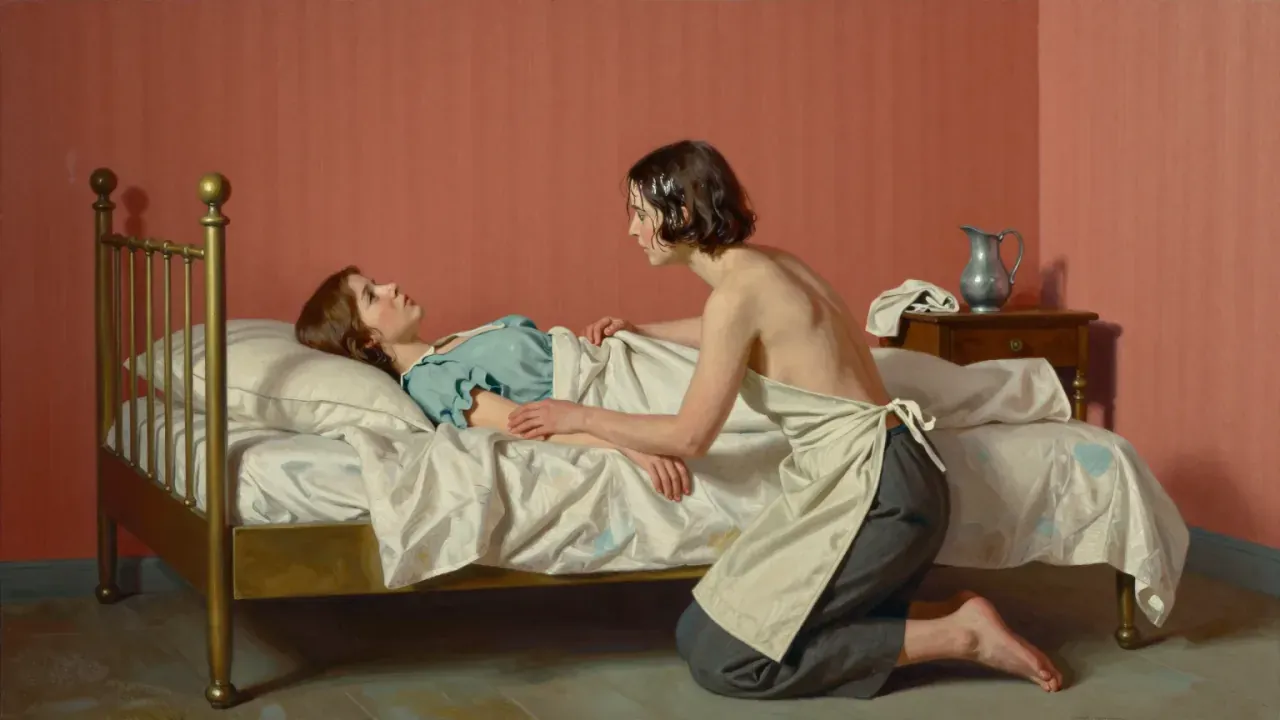
Cries and Whispers

Ingmar Bergman · 1972

Ingmar Bergman’s 1972 Cries and Whispers is a formally rigorous Swedish drama set in a red-walled 19th-century mansion, where three sisters and a maid attend to Agnes as she dies of cancer. Shot by Sven Nykvist in saturated colour, it prioritises gesture, texture and duration over exposition or psychology, treating grief, faith and intimacy as bodily, not verbal, conditions. It won the Academy Award for Best Cinematography and remains a benchmark of arthouse restraint.