filmbriefs
Cinematographer · 1920–1966

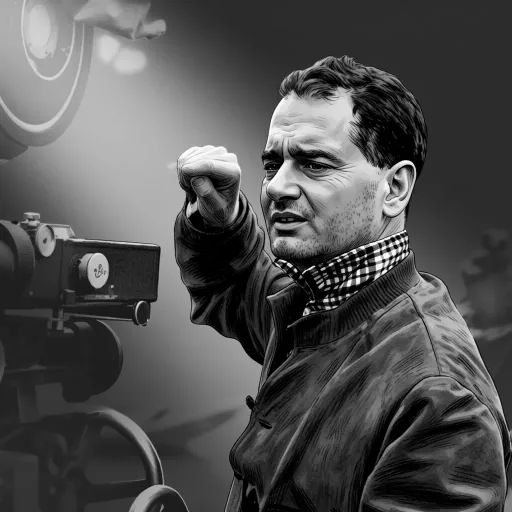
Gianni Di Venanzo

9
briefs
13:00
average
117 min
in total
On film.briefs9
13:00

Big Deal on Madonna Street

Mario Monicelli · 1958

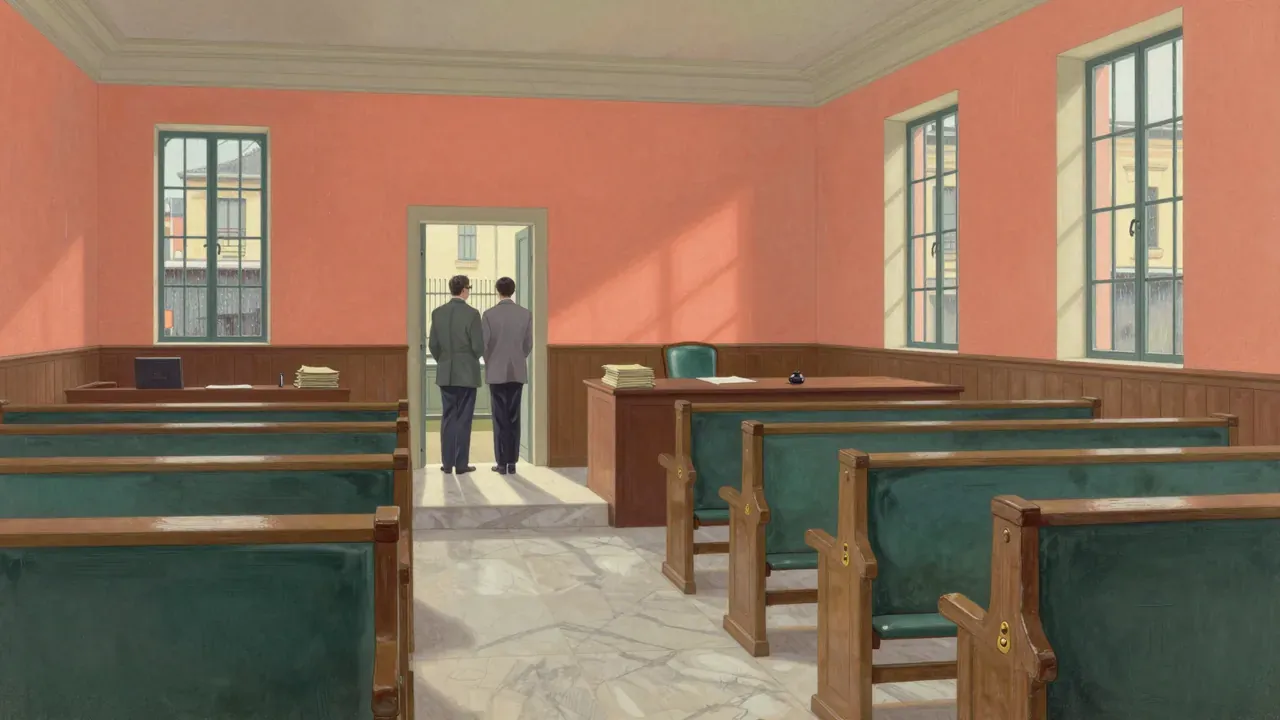
Big Deal on Madonna Street (1958) is an Italian heist comedy directed by Mario Monicelli, following a group of Rome-based petty criminals attempting—unsuccessfully—to burgle a pawn shop through a shared wall. Shot on location with harsh, naturalistic lighting by Gianni Di Venanzo and scored with restrained jazz by Piero Umiliani, it parodies both neorealist gravity and crime-thriller solemnity by applying their formal rigour to characters who lack the means to succeed. The film’s humour arises from procedural fidelity, not absurdity: every setback follows logically from material constraint, linguistic mismatch or spatial miscalculation. Though nominated for an Academy Award and listed among Italy’s 100 essential films, its appeal lies in its precision, not its polish.
13:00

Hands Over the City

Francesco Rosi · 1963

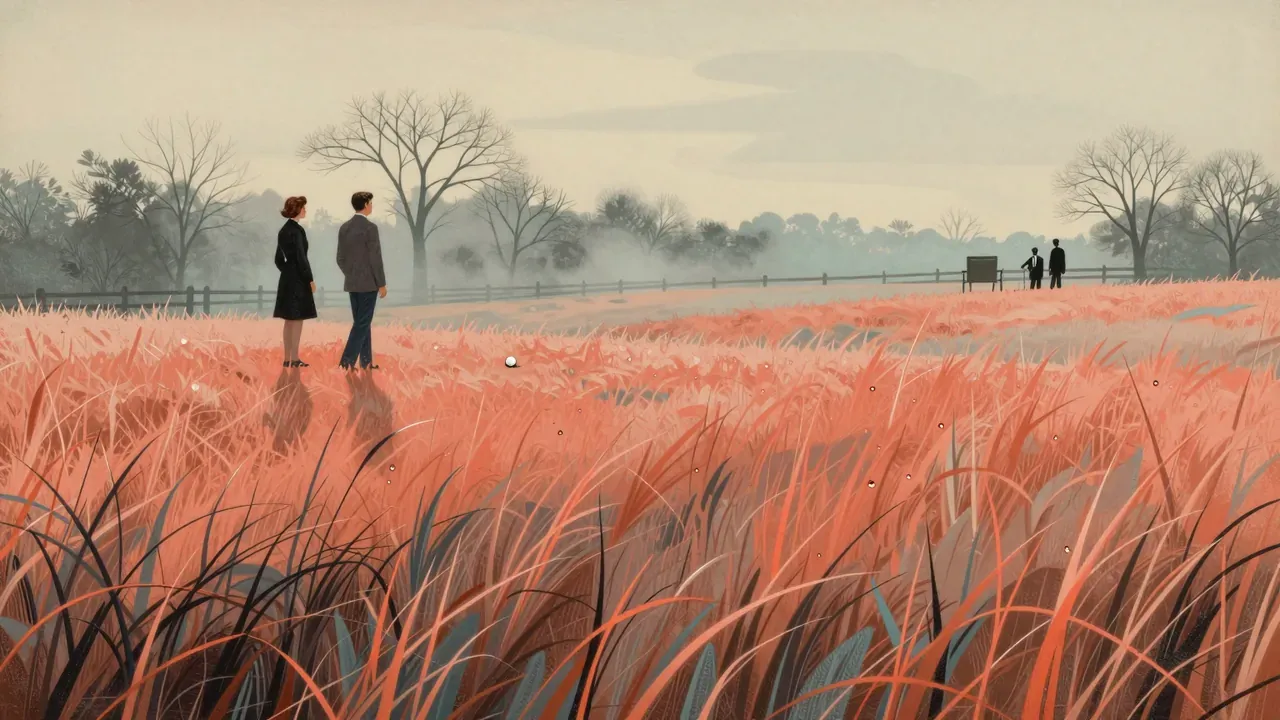
Francesco Rosi’s 1963 Golden Lion winner follows Neapolitan developer and councillor Edoardo Nottola as he leverages public office for private real-estate gain—until a building collapse triggers an official inquiry. Shot in stark, observational style by Gianni Di Venanzo and written with journalistic rigour, the film avoids psychology and spectacle in favour of committee rooms, permits, and quiet complicity. Rod Steiger and Carlo Fermariello anchor a cast that includes non-professionals, reinforcing its documentary texture. It is a film about how power consolidates not in crises but in paperwork.

13:00

La Notte

Michelangelo Antonioni · 1961

Michelangelo Antonioni’s 1961 drama follows a novelist and his wife across one day and night in Milan, observing their emotional detachment without exposition or resolution. Shot by Gianni Di Venanzo and scored by Giorgio Gaslini, it relies on composition, silence, and sustained takes to render modern isolation as a physical condition. Winner of the Golden Bear at Berlin, it forms the central film of Antonioni’s 'Trilogy of Incommunicability'.

13:00

Le Amiche

Michelangelo Antonioni · 1955

Michelangelo Antonioni’s 1955 drama follows Clelia, a Rome-based fashion executive returning to Turin, where she becomes entangled with a circle of upper-class women — including the fragile Rosetta, whose suicide attempt sets in motion a series of restrained, unresolved encounters. Shot on location in Turin by Gianni Di Venanzo and adapted from Cesare Pavese’s novella, the film observes emotional distance, class performance, and the hollowness beneath social ritual — all without exposition, climax, or catharsis.

13:00

Salvatore Giuliano

Francesco Rosi · 1962

Francesco Rosi’s 1962 docudrama reconstructs the life and death of Sicilian bandit Salvatore Giuliano not as myth or biography, but as a forensic inquiry into institutional complicity. Shot on location in Sicily with non-professional actors, it uses fragmented chronology, courtroom transcripts and contradictory testimony to expose how power operates across Mafia, carabinieri and judiciary. Giuliano appears only fleetingly — dead, distant, obscured — while figures like his betrayer Pisciotta and judges presiding over rigged trials occupy the frame. The film’s rigour lies in its refusal to narrativise, opting instead for procedural clarity and structural irony.

13:00

The Moment of Truth

Francesco Rosi · 1965

Francesco Rosi’s 1965 drama follows Miguel Romero, a young man from rural poverty who abandons farming for bullfighting in search of dignity and recognition. Shot with restrained realism by Di Venanzo, De Santis and Parolin, and performed largely by real bullfighters including Miguelín himself, the film avoids mythmaking in favour of procedural observation — tracing how ritual, class and visibility reshape identity. Linda Christian appears as an ambiguous outsider. Its themes centre on substitution, erasure and the cost of becoming legible in a hierarchical world.

13:00

Eclipse

Michelangelo Antonioni · 1962

Michelangelo Antonioni’s 1962 film Eclipse follows Vittoria, a young translator in Rome, as she moves through relationships, family, and the city’s modern architecture without ever anchoring herself emotionally or narratively. Shot by Gianni Di Venanzo and scored by Giovanni Fusco, it is the final part of Antonioni’s existential trilogy, notable for its radical ellipses, its unbending pace, and its famously wordless final sequence.

13:00

Juliet of the Spirits

Federico Fellini · 1965

Federico Fellini’s 1965 Juliet of the Spirits is his first feature-length colour film, starring Giulietta Masina as a Roman housewife whose repressed inner life erupts in visions, memories and surreal encounters. Shot at Safa Palatino and Cinecittà Studios, it uses colour, costume and set design as primary tools to map a woman’s slow, non-linear path toward self-perception. Though nominated for two Academy Awards and widely acclaimed abroad, its reception in Italy was divided — some critics finding its baroque surfaces overwhelming its human core.

13:00

8½

Federico Fellini · 1963

Federico Fellini's 1963 film follows Guido Anselmi, a film director retreating to a spa town while his crew waits for a script he cannot write, sliding between the demands of producers, mistresses, his wife and memories of his Catholic childhood without marking the boundary between what is happening and what he is imagining. Shot by Gianni Di Venanzo in high-contrast black and white, scored by Nino Rota, and led by Marcello Mastroianni, the film won two Oscars, for costume design and international feature, and has stood since as one of the most direct portraits of creative paralysis committed to film.