filmbriefs
Producer · Actor · 1920–1984

Georges de Beauregard

8
briefs
13:00
average
104 min
in total
On film.briefs8
13:00

A Woman Is a Woman

Jean-Luc Godard · 1961

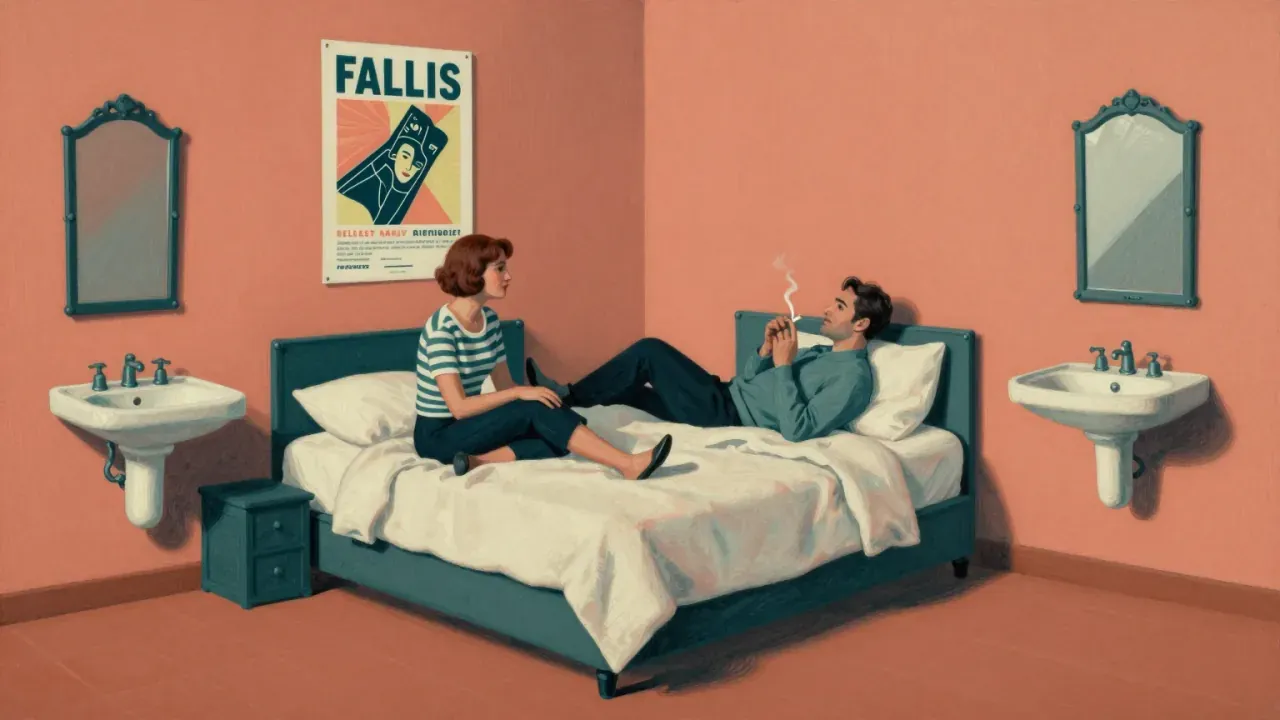
Jean-Luc Godard’s 1961 colour debut is a self-aware, formally restless romantic comedy starring Anna Karina as Angéla, an exotic dancer determined to have a child. Shot in Paris by Raoul Coutard and scored by Michel Legrand, it uses musical interludes, abrupt edits, and stylised dialogue to interrogate genre conventions, gender roles, and the language of desire — all without relinquishing its wit or warmth.
13:00

Cléo from 5 to 7

Agnès Varda · 1962

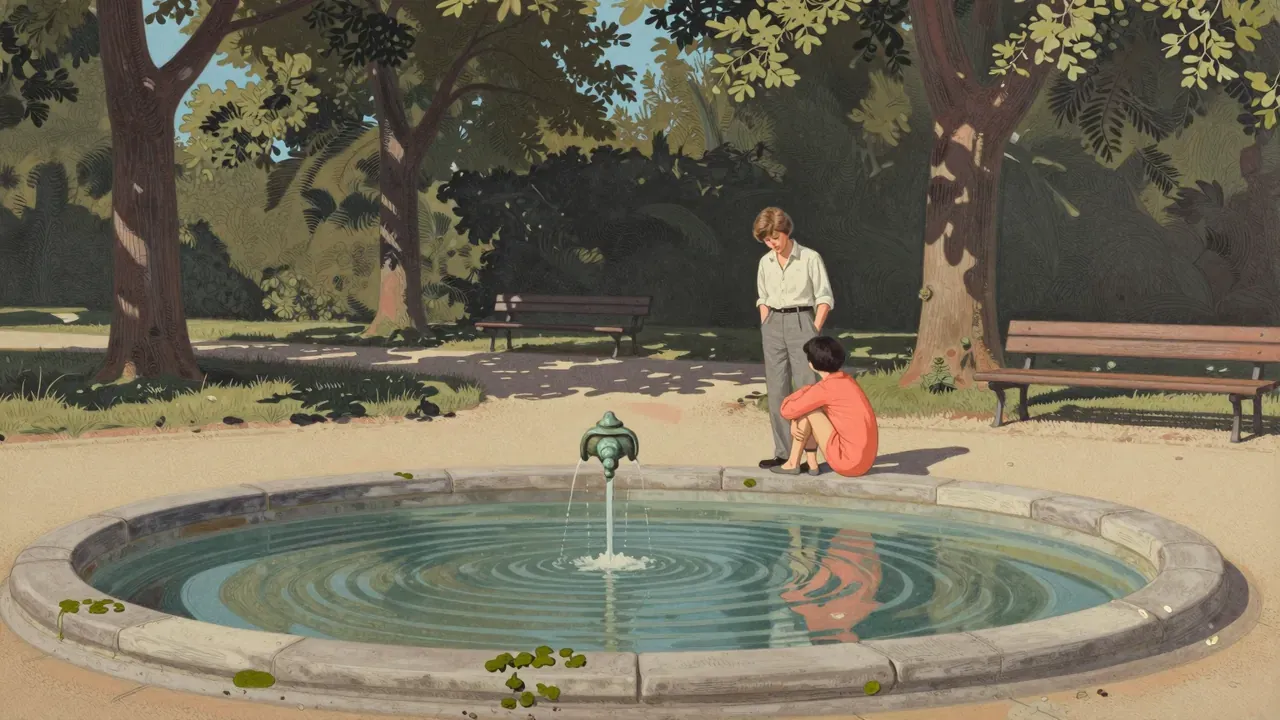
Agnès Varda’s 1962 French New Wave drama follows singer Cléo Victoire across 90 minutes of real time in Paris as she awaits biopsy results. Shot in natural light with minimal score, it centres Corinne Marchand’s physically precise performance and treats dread, identity, and connection as textures to be observed, not resolved. Structurally rigorous and emotionally unhurried, it remains a landmark of feminist, humanist filmmaking.

13:00

Contempt

Jean-Luc Godard · 1963

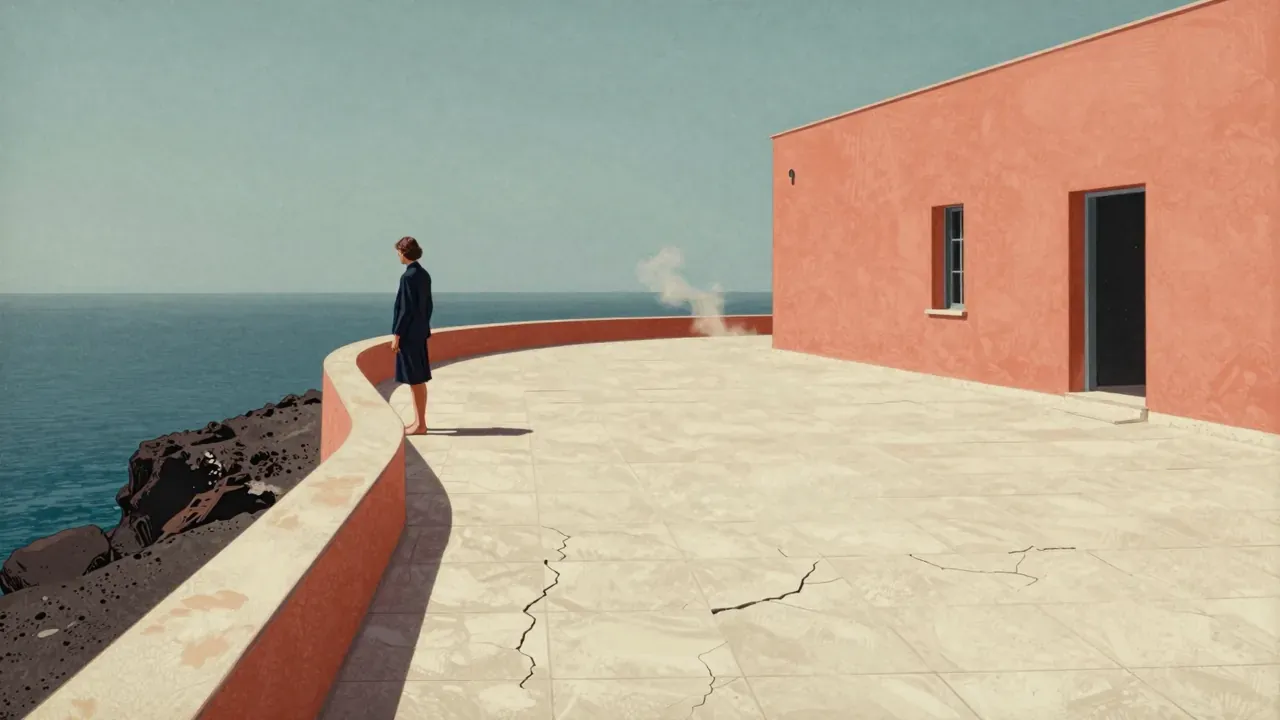
Jean-Luc Godard’s 1963 Contempt adapts Moravia’s novel into a self-aware drama about a playwright whose marriage unravels during the fraught production of a film version of the Odyssey. Shot in Rome and Capri, it stars Brigitte Bardot and Michel Piccoli, with Fritz Lang playing himself. The film interrogates authorship, fidelity, and the commodification of art — using form, colour, and silence as its primary arguments.

13:00

La Collectionneuse

Éric Rohmer · 1967

Éric Rohmer’s 1967 La Collectionneuse, his first in colour and fourth of the Six Moral Tales, follows Adrien as he spends a summer at a villa near Saint-Tropez with friends and a younger woman named Haydée. Through restrained performances, natural-light cinematography by Néstor Almendros, and dialogue-driven scenes, the film traces subtle shifts in power, self-perception, and attraction — refusing resolution, explanation, or moral verdict. It won the Silver Bear Grand Jury Prize at Berlin and remains a benchmark of French arthouse precision.

13:00

Le Petit Soldat

Jean-Luc Godard · 1963

Made in 1960 but banned until 1963, Le Petit Soldat follows a French deserter in Geneva drawn into political violence on both sides of the Algerian War. Directed by Jean-Luc Godard and shot by Raoul Coutard, it is a formally restrained, morally ambiguous study of coercion, silence, and the instability of truth — both cinematic and political.

13:00

Made in U.S.A

Jean-Luc Godard · 1966

Made in U.S.A (1966) is Jean-Luc Godard’s fractured, politically charged crime film starring Anna Karina as journalist Paula Nelson, investigating her ex-boyfriend’s death in a fictional French coastal town. Loosely adapted without permission from Richard Stark’s The Jugger, it deploys genre tropes—murder, conspiracy, double-cross—as scaffolding for linguistic play, political satire, and formal experimentation. Shot by Raoul Coutard and edited by Agnès Guillemot, it favours graphic colour, abrupt cuts, and disembodied voices over narrative coherence. Its themes pivot on naming, ideological exhaustion, and the impossibility of clean political action in a mediated world.

13:00

Pierrot le Fou

Jean-Luc Godard · 1965

Jean-Luc Godard’s 1965 Pierrot le Fou stars Jean-Paul Belmondo and Anna Karina as a couple fleeing Paris for the Mediterranean, pursued by gangsters and their own unraveling ideals. Shot by Raoul Coutard in vivid primary colours and edited with jarring, associative cuts, it abandons its source novel’s noir framework to become a pop-art-inflected meditation on love, language, and political fatigue. Its power lies in sensation over sense: the weight of a glance, the shock of blue paint, the silence after a firework.

13:00

Breathless

Jean-Luc Godard · 1960

Jean-Luc Godard's 1960 debut sends a car thief who idolises American gangsters, played by Jean-Paul Belmondo, on the run through Paris after he shoots a policeman, hiding out with an American girlfriend played by Jean Seberg who is unsure whether to protect him or turn him in. Shot handheld on repurposed still-camera film stock with almost no lighting, and cut with jump cuts that were reportedly not planned during filming, it became one of the founding statements of the French New Wave.