filmbriefs
Actor · 1957

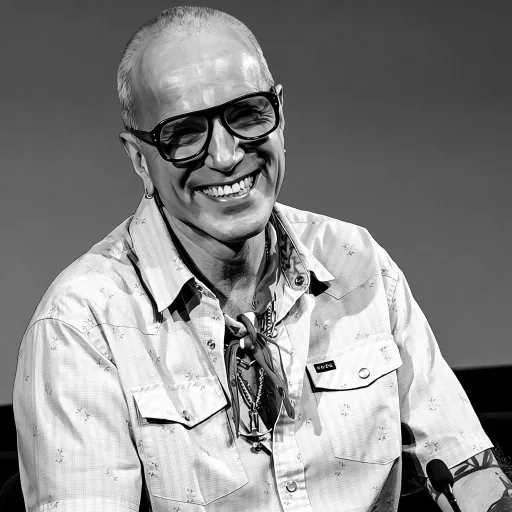
Daniel Day-Lewis

7
briefs
13:00
average
91 min
in total
On film.briefs7
13:00

My Beautiful Laundrette

Stephen Frears · 1985

Stephen Frears’ 1985 film, written by Hanif Kureishi, follows Omar — a British-Pakistani man in South London — as he renews a laundrette with Johnny, his childhood friend and lover. Set against Thatcher-era austerity and community tensions, it balances romance, entrepreneurship, and intergenerational conflict with understated craft and unforced specificity. Shot on 16 mm, it was expanded from a Channel 4 commission into an international success.
13:00

Sunday, Bloody Sunday

John Schlesinger · 1971

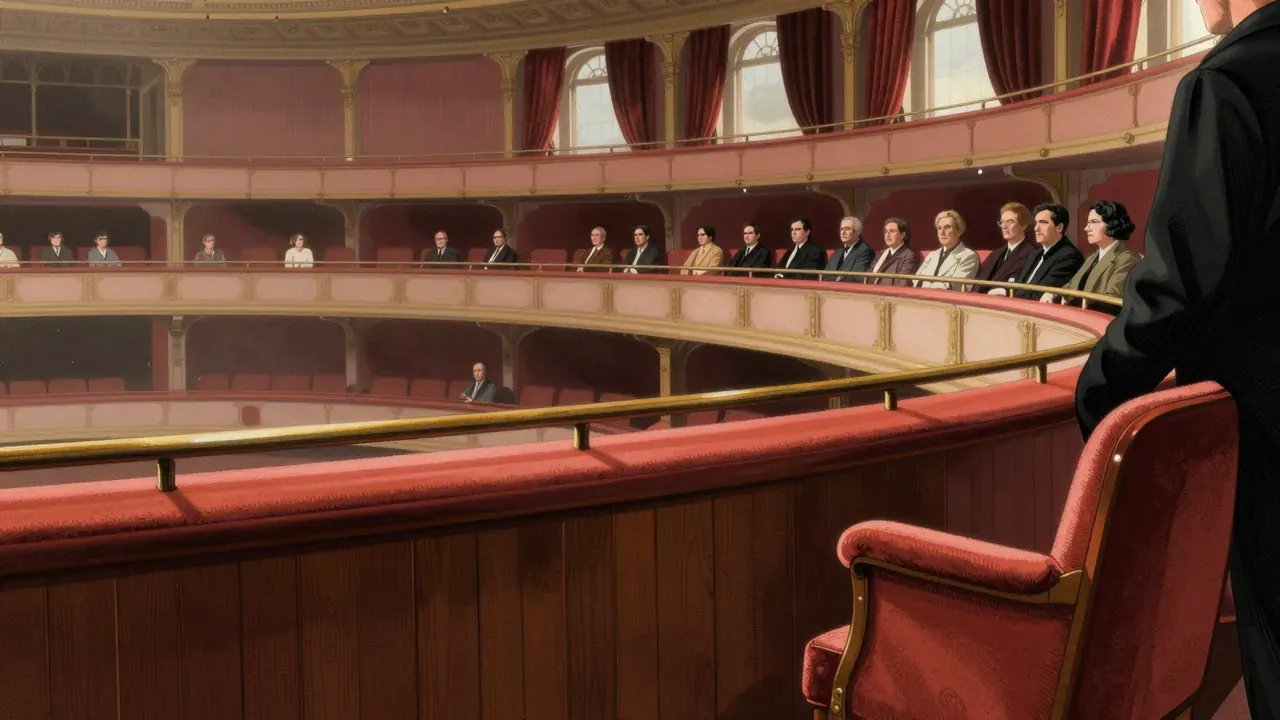
Sunday, Bloody Sunday (1971) follows a love triangle in London between a gay Jewish doctor, a divorced recruitment consultant, and a younger bisexual sculptor. Directed by John Schlesinger and written by Penelope Gilliatt and David Sherwin, it avoids moralising or melodrama, instead holding its characters’ contradictions in steady, unsentimental focus. Glenda Jackson and Peter Finch deliver restrained, deeply felt performances; Billy Williams and David Harcourt’s cinematography grounds the story in quiet realism. Though structurally austere and emotionally reserved, the film remains a landmark for its mature treatment of sexuality, identity, and the quiet costs of openness.

13:00

The Age of Innocence

Martin Scorsese · 1993

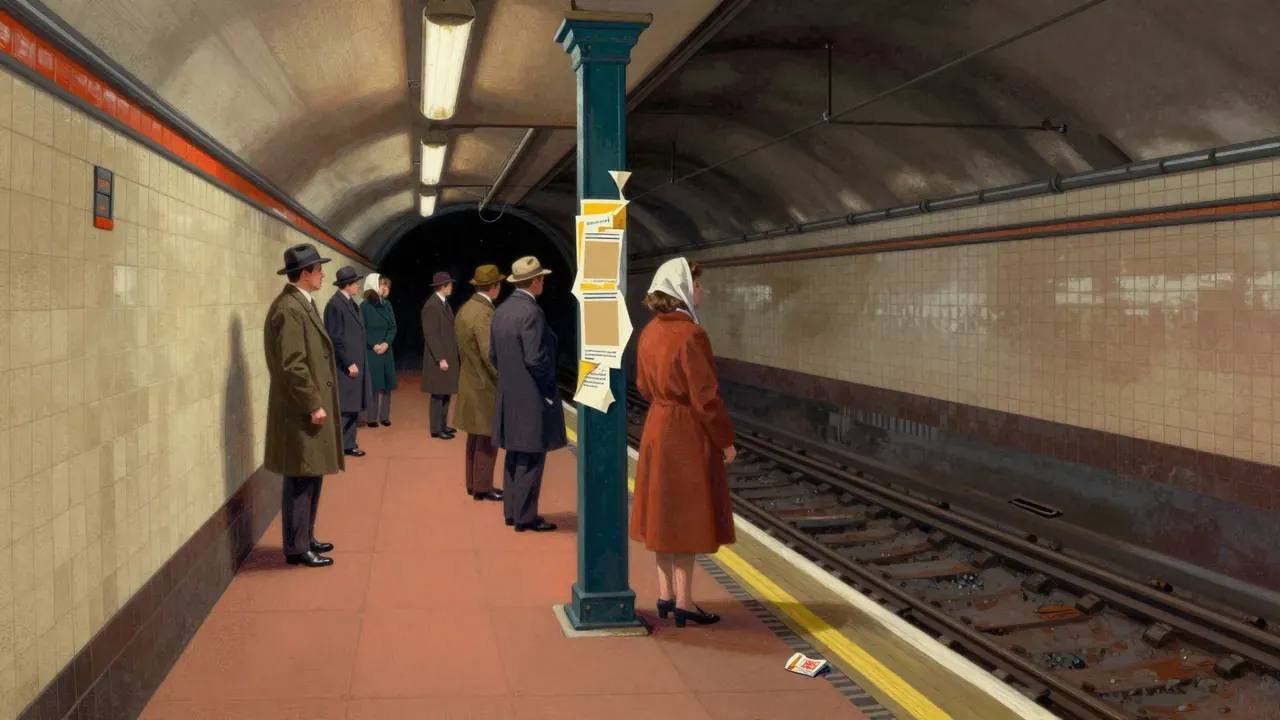
Martin Scorsese’s 1993 adaptation of Edith Wharton’s novel follows Newland Archer, a New York lawyer caught between dutiful engagement to May Welland and forbidden attraction to her unconventional cousin Ellen Olenska. Set in the rigidly codified world of 1870s Gilded Age society, the film uses meticulous craft — Michael Ballhaus’s measured cinematography, Thelma Schoonmaker’s unhurried editing, Elmer Bernstein’s sparse score — to render emotional repression as physical fact. It is a romance without consummation, a drama without outbursts, and a period piece that treats etiquette as ideology.

13:00

The Unbearable Lightness of Being

Philip Kaufman · 1988

Philip Kaufman’s 1988 adaptation of Milan Kundera’s novel follows brain surgeon Tomas, his wife Tereza, and his lover Sabina across Prague, Geneva, and rural Czechoslovakia during and after the 1968 Soviet invasion. Shot in France with Sven Nykvist’s understated cinematography and scored largely with Janáček’s piano works, it explores eroticism, political constraint, and the paradoxes of freedom—not through exposition, but through gesture, silence, and weathered surfaces.

13:00

A Room with a View

James Ivory · 1986

James Ivory’s 1986 adaptation of E. M. Forster’s novel follows Lucy Honeychurch’s awakening to desire and selfhood amid the rigid codes of Edwardian England and Italy. Starring Helena Bonham Carter and Julian Sands, it is a restrained, visually precise romance that trusts subtlety over exposition and behaviour over backstory.

13:00

Phantom Thread

Paul Thomas Anderson · 2017

Set in 1950s London, Phantom Thread follows Reynolds Woodcock, a revered but rigid haute couture designer, and Alma Elson, the waitress he takes as muse and wife. Their relationship unfolds through quiet power shifts, two deliberate poisonings, and the slow, unstitching and restitching of domestic and creative boundaries. Directed, written, and shot by Paul Thomas Anderson, it stars Daniel Day-Lewis, Vicky Krieps, and Lesley Manville, with a score by Jonny Greenwood and Oscar-winning costume design.

13:00

There Will Be Blood

Paul Thomas Anderson · 2007

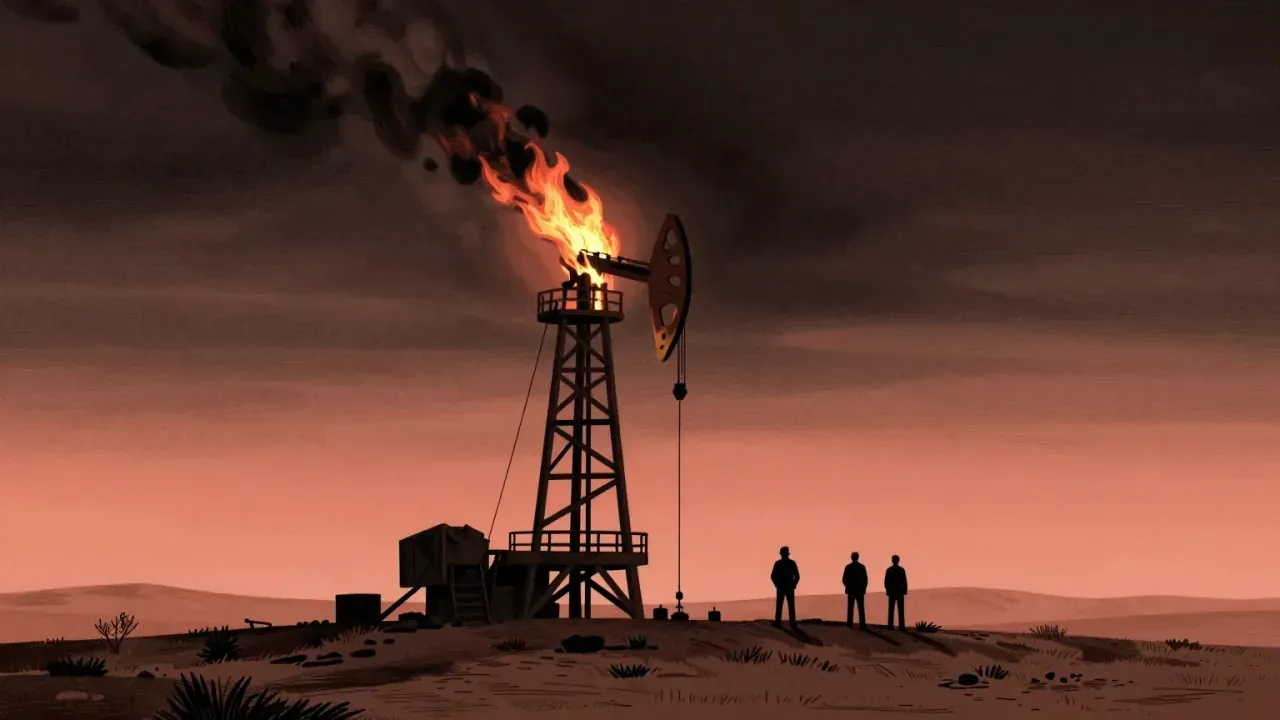
There Will Be Blood follows Daniel Plainview, a silver miner turned oilman, across roughly three decades of the Californian oil boom, loosely adapting Upton Sinclair's novel Oil! Daniel Day-Lewis plays Plainview opposite Paul Dano's preacher Eli Sunday, with Jonny Greenwood's score and Robert Elswit's cinematography setting a tone closer to horror than period drama. Anderson's screenplay narrows Sinclair's sprawling novel to its first chapters and lets one man's ambition curdle into something closer to a diagnosis than a character study.