filmbriefs
Director · Screenwriter · Editor · 1932–1986

Andrei Tarkovsky

7
briefs
13:00
average
91 min
in total
On film.briefs7
13:00

Ivan's Childhood

Andrei Tarkovsky · 1962

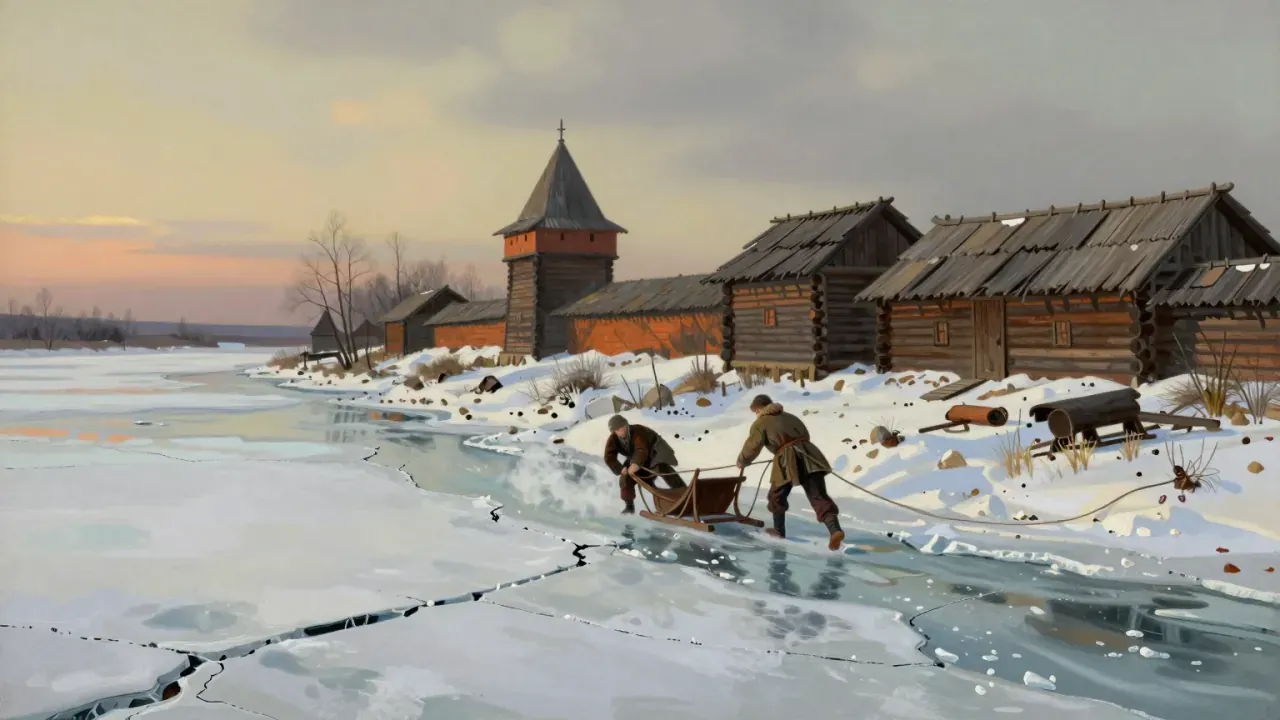
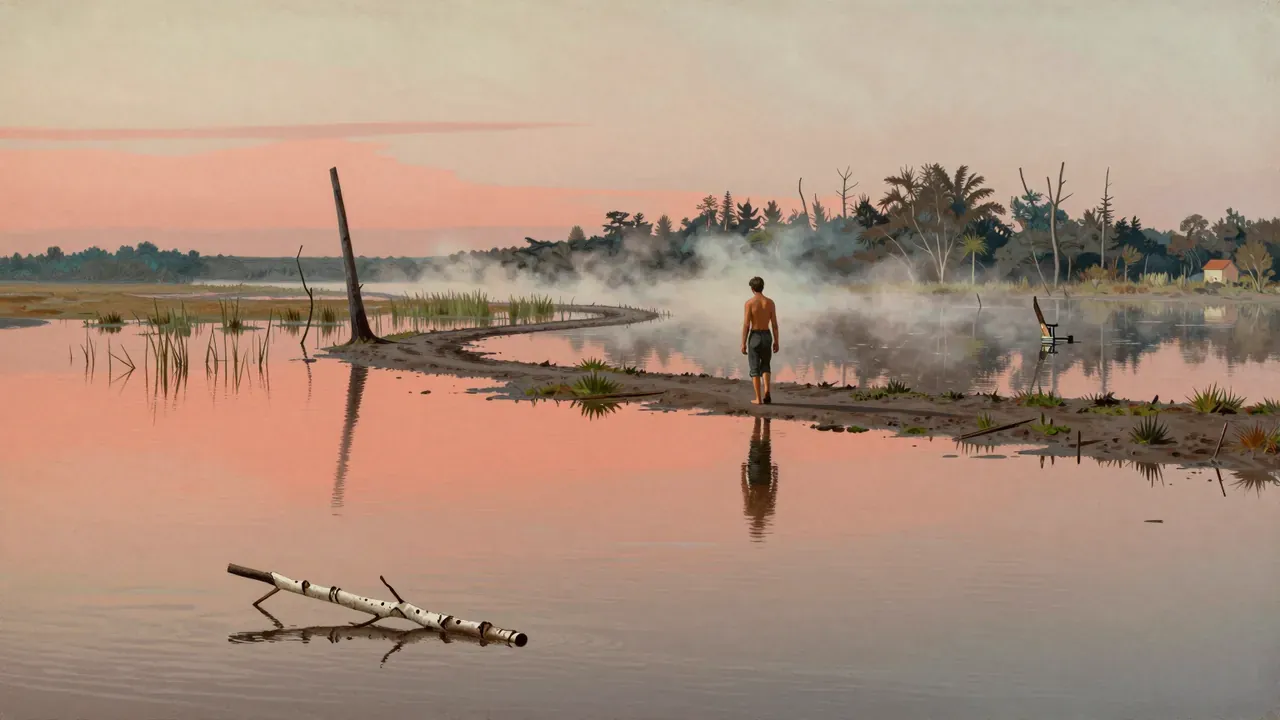
Andrei Tarkovsky’s 1962 debut follows twelve-year-old Ivan, an orphan turned reconnaissance scout on the Eastern Front. Shot by Vadim Yusov near the Dnieper River, it juxtaposes stark wartime realism with lyrical dream sequences, using landscape and silence to articulate loss. The film won the Golden Lion at Venice and established Tarkovsky’s signature preoccupation with time, memory and nature as witness. It is austere, unsentimental, and structurally rigorous—less a story of survival than a meditation on what survives after survival is no longer possible.
13:00

Nostalghia

Andrei Tarkovsky · 1983

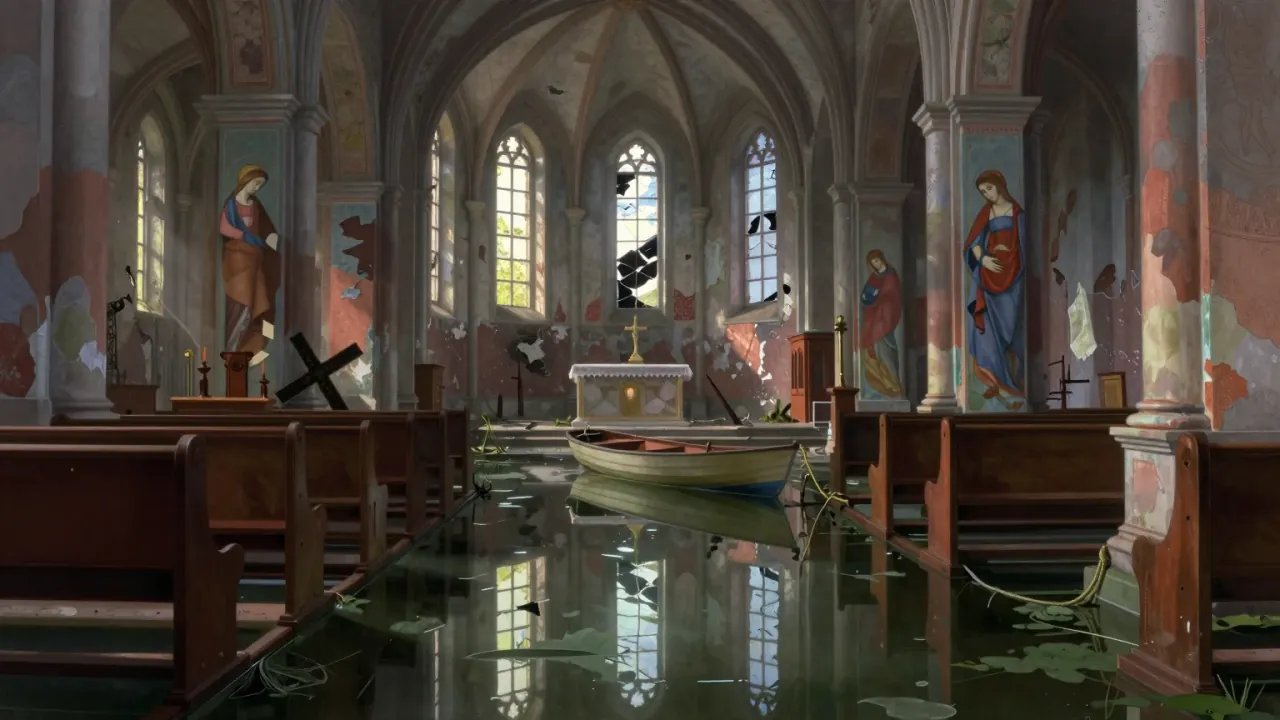
Andrei Tarkovsky’s 1983 film follows a Russian writer adrift in Italy, where research into a forgotten composer dissolves into a metaphysical pilgrimage. Shot in Tuscany and Lazio with long takes, sparse dialogue, and a soundscape built from silence and classical music, it treats homesickness not as emotion but as bodily fact — a rift in perception that alters gravity, light, and time. Oleg Yankovsky and Erland Josephson anchor its meditative rhythm, while Giuseppe Lanci’s cinematography renders landscape as psychic terrain. It won Best Director at Cannes and remains a defining work of arthouse cinema — demanding, austere, and deeply resonant for those willing to dwell in its stillness.

13:00

The Sacrifice

Andrei Tarkovsky · 1986

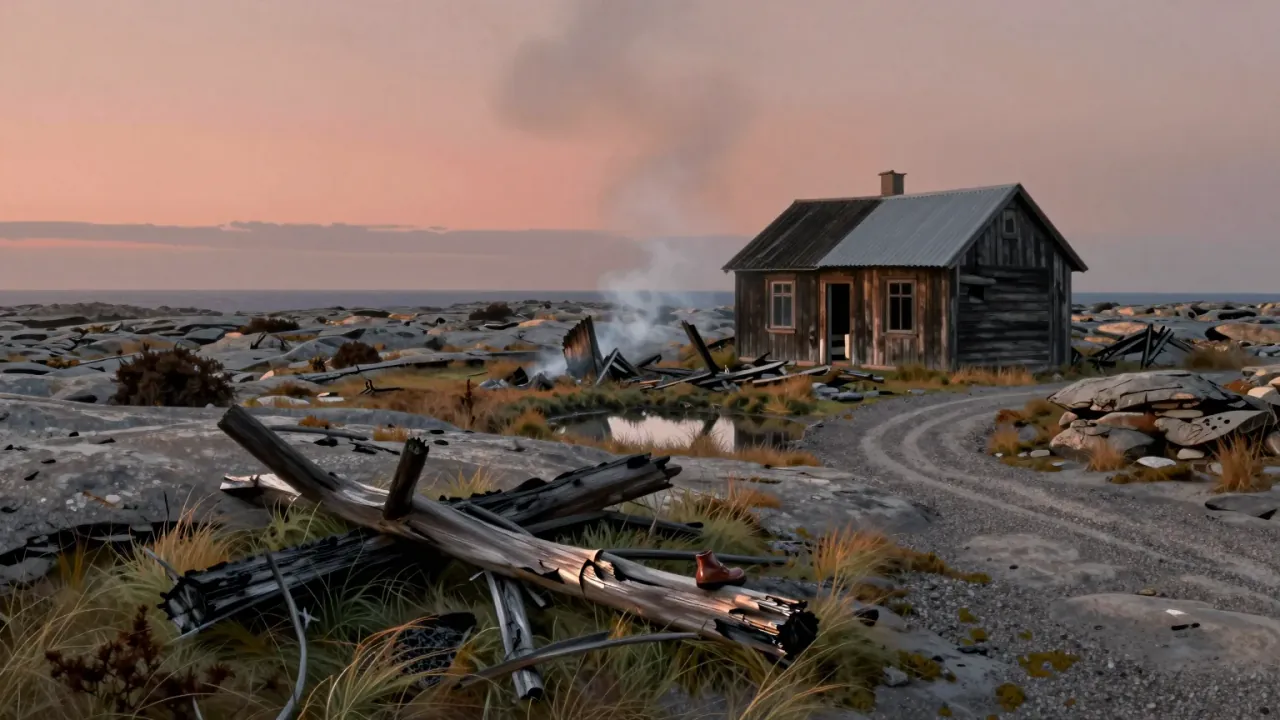
Andrei Tarkovsky’s 1986 Swedish-language drama The Sacrifice follows Alexander, an intellectual who vows to renounce all he loves if God will undo the outbreak of nuclear war. Shot by Sven Nykvist on Gotland, it uses long takes, Bach’s St Matthew Passion, and radical colour reduction to build a poetic parable about language, faith and consequence. Though awarded the Cannes Grand Prix, its austere form divides viewers: some find its silence profound, others its resolution evasive. It is Tarkovsky’s last completed film.

13:00

Andrei Rublev

Andrei Tarkovsky · 1966

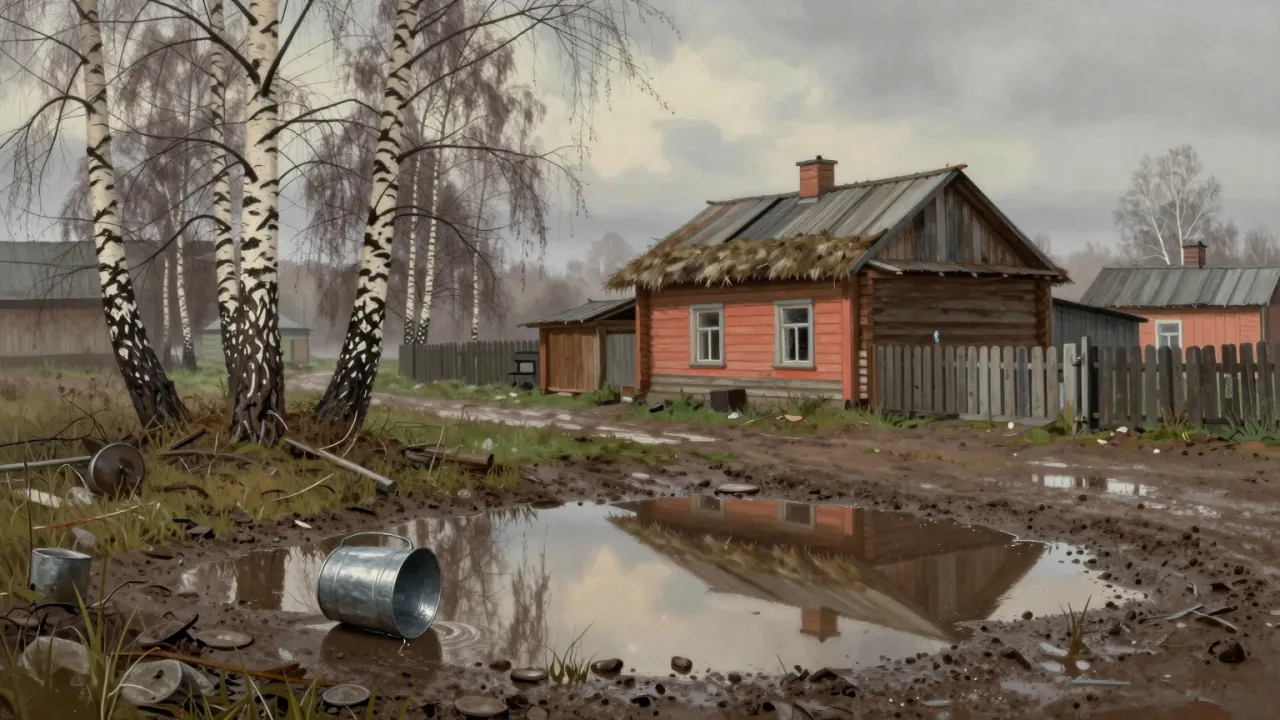
Andrei Rublev (1966) is a Soviet arthouse film directed by Andrei Tarkovsky, loosely based on the life of a 15th-century Russian icon painter. Shot in black and white by Vadim Yusov, with a sparse score by Vyacheslav Ovchinnikov, it unfolds across seven episodic chapters set against the chaos of medieval Rus’. Anatoly Solonitsyn plays Rublev as a man whose vocation is tested by violence, doubt, and self-imposed silence. The film culminates in a colour epilogue showing Rublev’s surviving icons — most notably The Trinity — affirming art’s endurance beyond its maker. Censored on release, it is now regarded as a landmark of cinematic philosophy.

13:00

The Mirror

Andrei Tarkovsky · 1975

Andrei Tarkovsky’s 1975 film The Mirror is a non-linear, autobiographical essay in image and sound. Shot by Georgy Rerberg and scored by Eduard Artemyev, it weaves childhood recollection, wartime newsreel, poetic voiceover, and maternal presence into a single, flowing meditation on time, inheritance, and perception. Margarita Terekhova plays dual roles; Oleg Yankovsky appears only in voiceover. With around 200 shots across 108 minutes, its rhythm is durational, not dramatic. Released under constraint by Mosfilm, it polarised Soviet critics before becoming widely regarded as Tarkovsky’s most intimate work.

13:00

Solaris

Andrei Tarkovsky · 1972

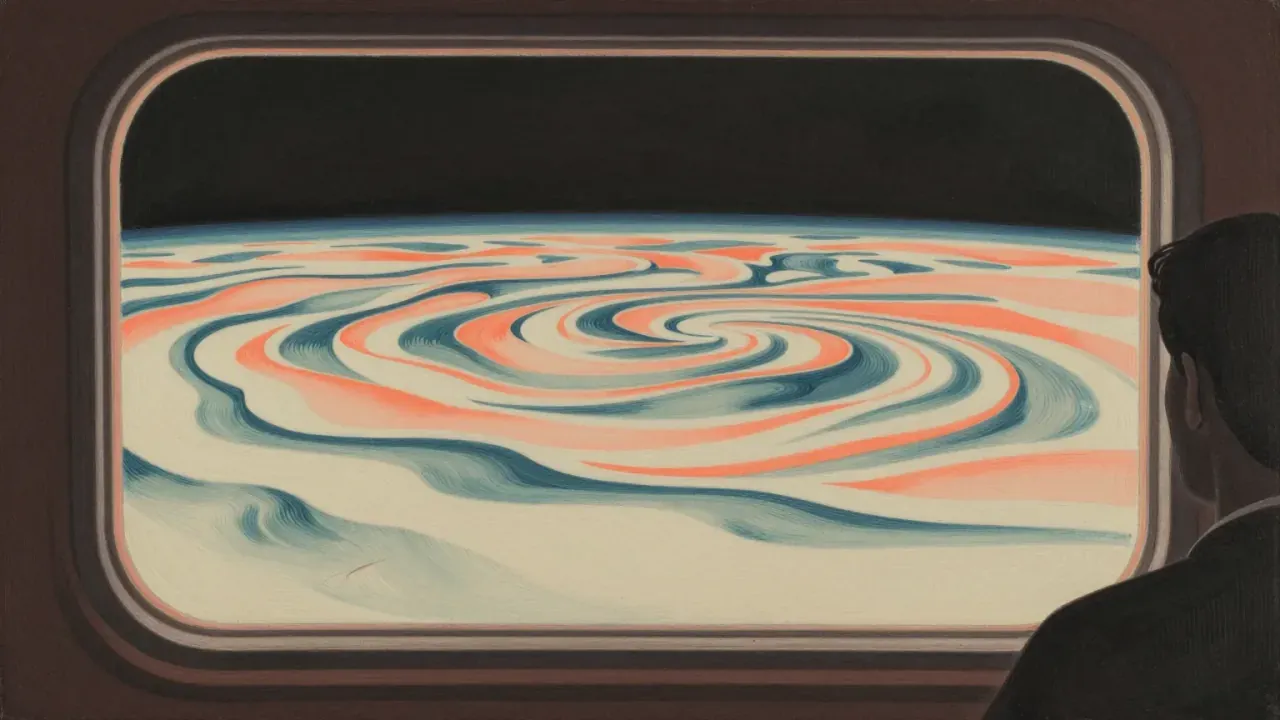
Andrei Tarkovsky's 1972 adaptation of Stanislaw Lem's novel sends psychologist Kris Kelvin to a station orbiting the ocean planet Solaris, where the surviving crew have fallen into crisis after the planet's ocean began materialising physical visitors drawn from their memories, and Kelvin's own dead wife Hari soon appears to him in the same way. Shot by Vadim Yusov with a score by Eduard Artemyev built around a Bach chorale, and made partly as a rebuttal to what Tarkovsky saw as the coldness of 2001: A Space Odyssey, it won the Grand Prix at Cannes and has stood since as one of Soviet cinema's most significant contributions to science fiction.

13:00

Stalker

Andrei Tarkovsky · 1979

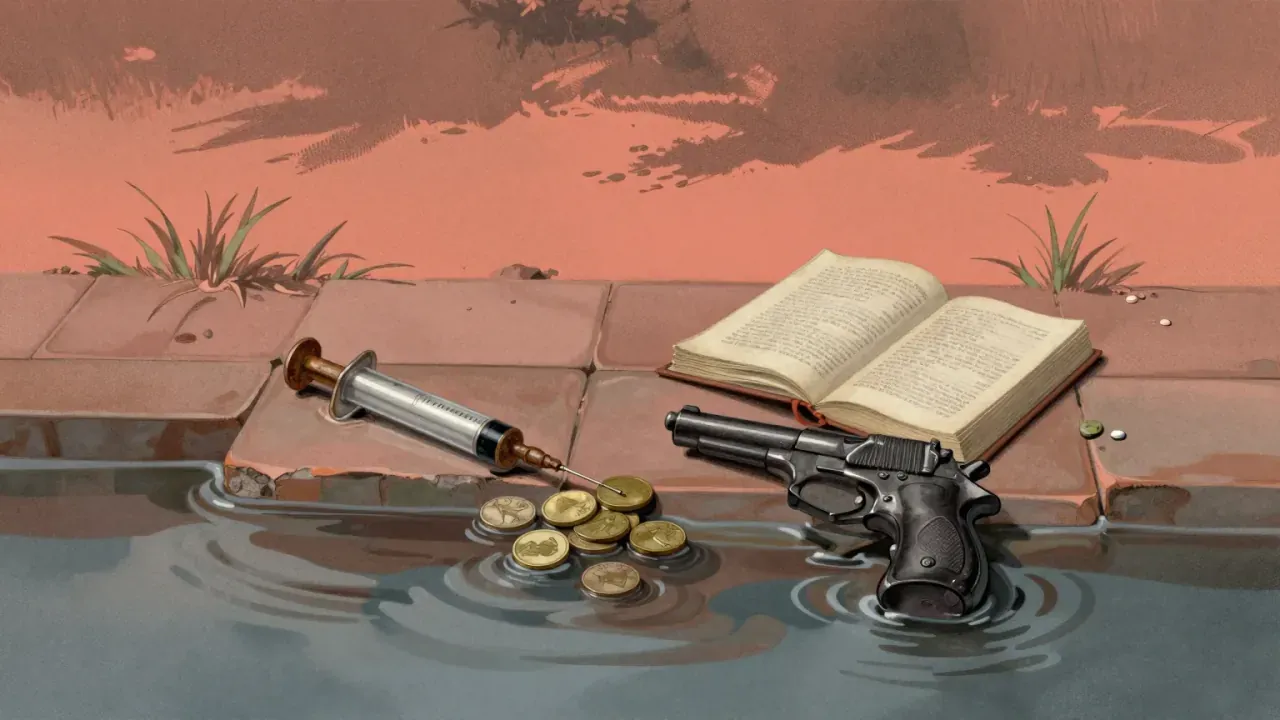
Andrei Tarkovsky's 1979 film follows a guide known only as Stalker as he leads a writer and a scientist illegally into the Zone, a restricted area said to contain a room that grants a visitor's innermost desire, and the three spend most of the journey arguing about faith, art and science rather than confronting any visible danger. Adapted loosely from a novel by Arkady and Boris Strugatsky and scored by Eduard Artemyev, the production required three different cinematographers after an early batch of footage was ruined during processing, forcing much of the film to be shot again from scratch over the following year.