filmbriefs
Director · Screenwriter · Producer · Actor · 1899–1980

Alfred Hitchcock

13
briefs
13:00
average
169 min
in total
On film.briefs13
13:00

Foreign Correspondent

Alfred Hitchcock · 1940

Alfred Hitchcock’s 1940 thriller follows an American reporter uncovering a fascist conspiracy in pre-war Europe. Made under urgent political conditions and reshaped mid-production to mirror real-world events, it prioritises procedural tension and moral clarity over psychological depth or historical fidelity. Its strengths lie in set-piece choreography, studio-crafted suspense, and a prescient final sequence set in a besieged radio station.
13:00

Notorious

Alfred Hitchcock · 1946

Alfred Hitchcock’s 1946 spy thriller follows an American agent who recruits the daughter of a Nazi sympathiser to infiltrate a German exile network in Rio. What unfolds is less a tale of espionage than a precise, emotionally restrained study of love under surveillance — where every glance is tactical, every touch conditional, and every silence charged with consequence. Shot on RKO soundstages with meticulous control, it relies on performance, composition, and pacing to build tension without action.

13:00

Spellbound

Alfred Hitchcock · 1945

Alfred Hitchcock’s 1945 thriller Spellbound stars Ingrid Bergman and Gregory Peck as psychiatrists entangled in a mystery of identity, memory, and repression. Made for Selznick International Pictures, it uses Freudian concepts as narrative architecture, anchored by Miklós Rózsa’s theremin-scored score and a famously truncated Dalí-designed dream sequence. Though its clinical framework feels period-specific, its formal discipline and psychological clarity remain compelling.

13:00

The Lady Vanishes

Alfred Hitchcock · 1938

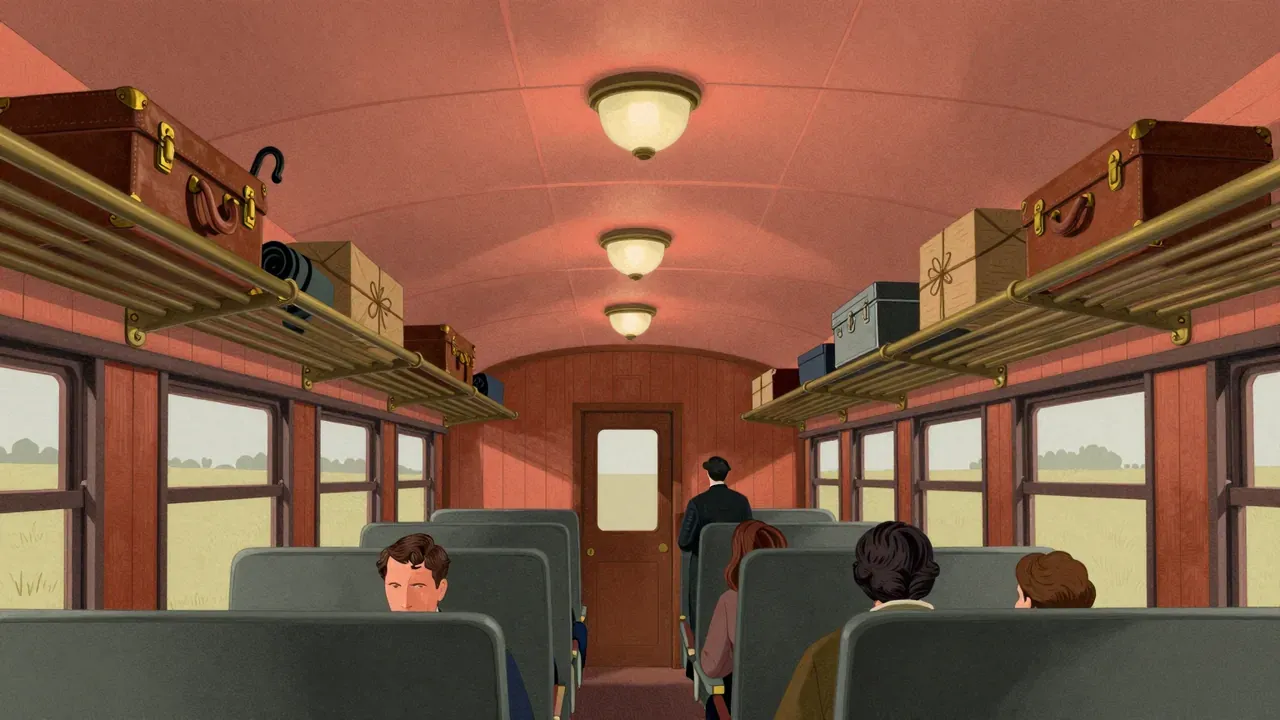
Alfred Hitchcock’s 1938 *The Lady Vanishes* follows a young woman who discovers her fellow passenger has vanished — and that no one else remembers her. Set aboard a train crossing a fictional Balkan country, the film uses wit, tight plotting and psychological precision to explore trust, testimony and the fragility of shared reality. Produced by Edward Black for Gainsborough Pictures, it remains a benchmark of British suspense.

13:00

The Man Who Knew Too Much

Alfred Hitchcock · 1934

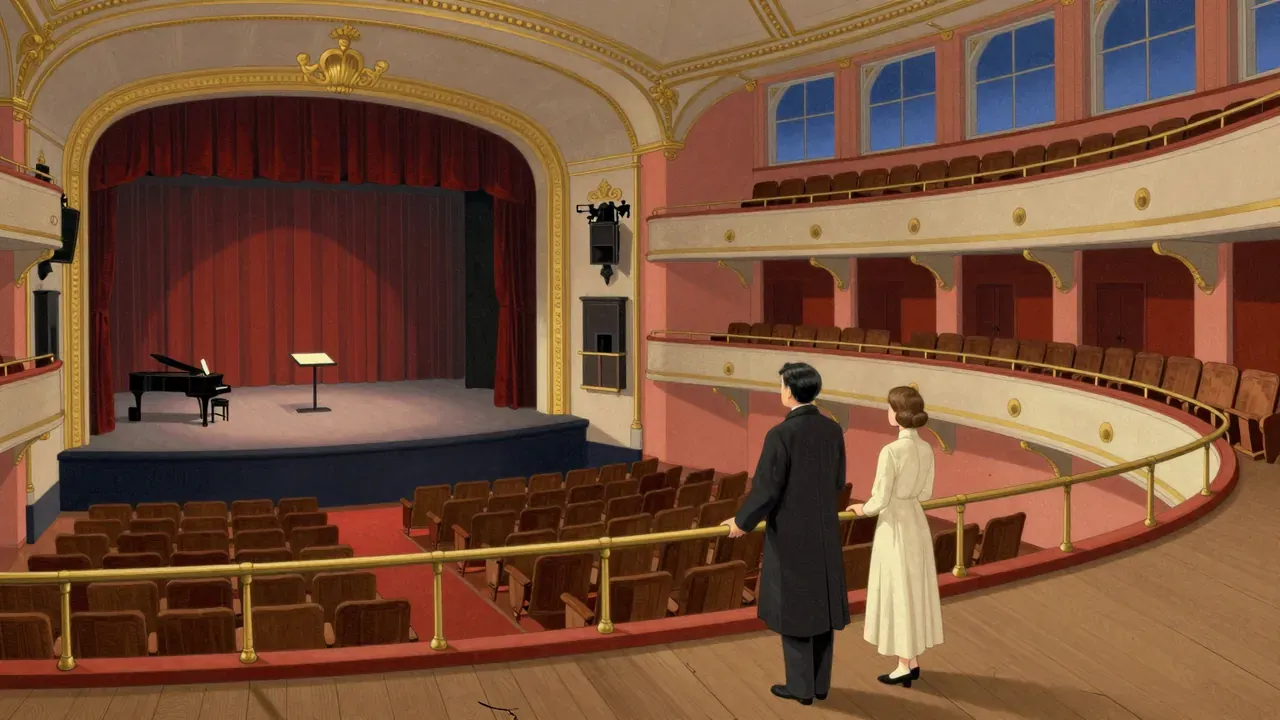
Alfred Hitchcock’s 1934 British thriller follows a couple who uncover an assassination plot while on holiday in Switzerland, then race to stop it in London — all without police help. Built on tight pacing, precise editing, and Arthur Benjamin’s Storm Clouds Cantata, it prioritises cause-and-effect over psychology, domestic stakes over geopolitical spectacle. Though leaner and less polished than Hitchcock’s later work, its structural rigour and unwavering focus make it a masterclass in economical suspense.

13:00

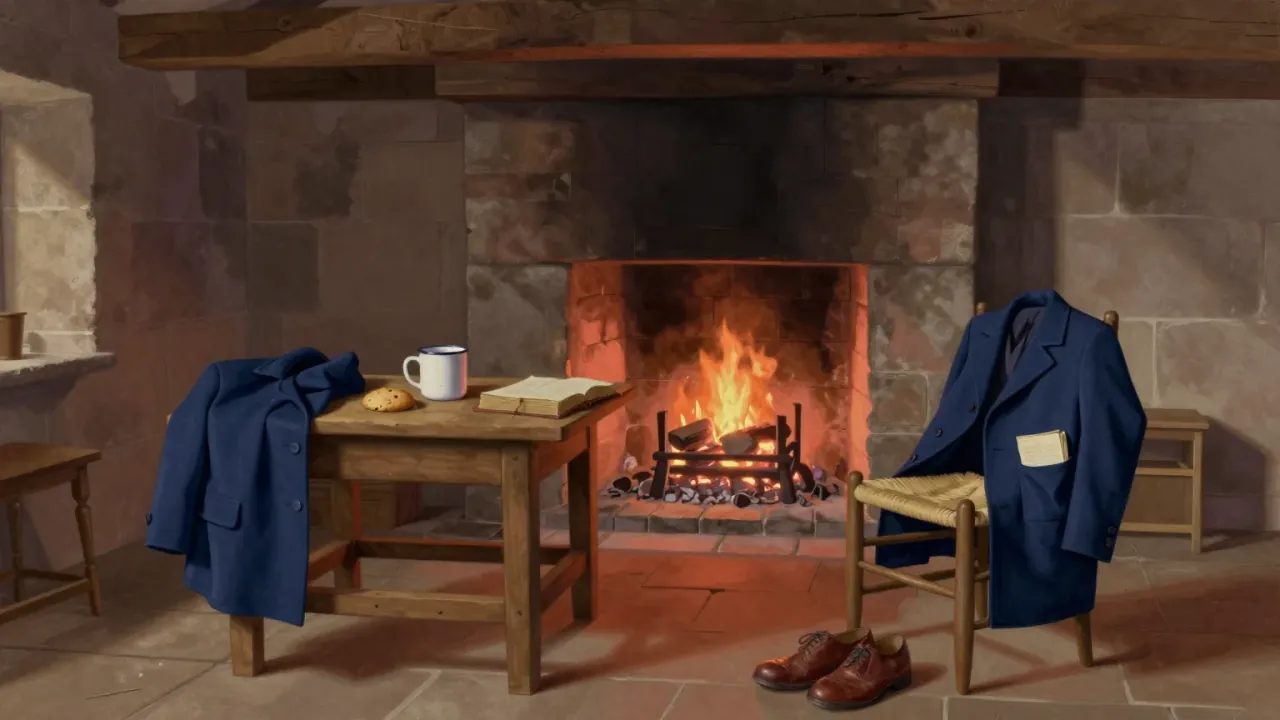
Rebecca

Alfred Hitchcock · 1940

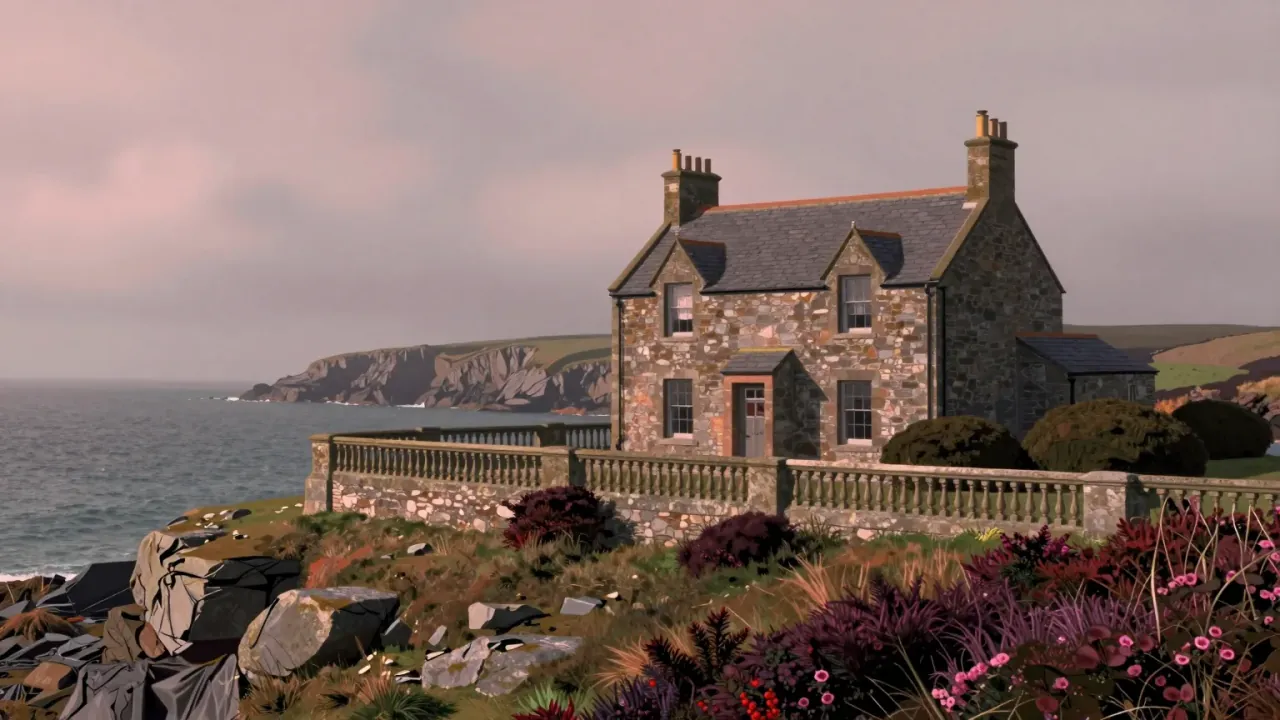
Alfred Hitchcock’s 1940 adaptation of Daphne du Maurier’s novel is a black-and-white psychological thriller about a young woman who marries a widowed aristocrat and moves into his Cornwall estate, Manderley — a house saturated with the memory of his first wife, Rebecca, who died under ambiguous circumstances. Though unseen, Rebecca dominates every room, every conversation, every glance. The film’s power lies in its restraint: its suspense is atmospheric, its horror psychological, its resolution earned not by revelation but by erosion of illusion.

13:00

Rope

Alfred Hitchcock · 1948

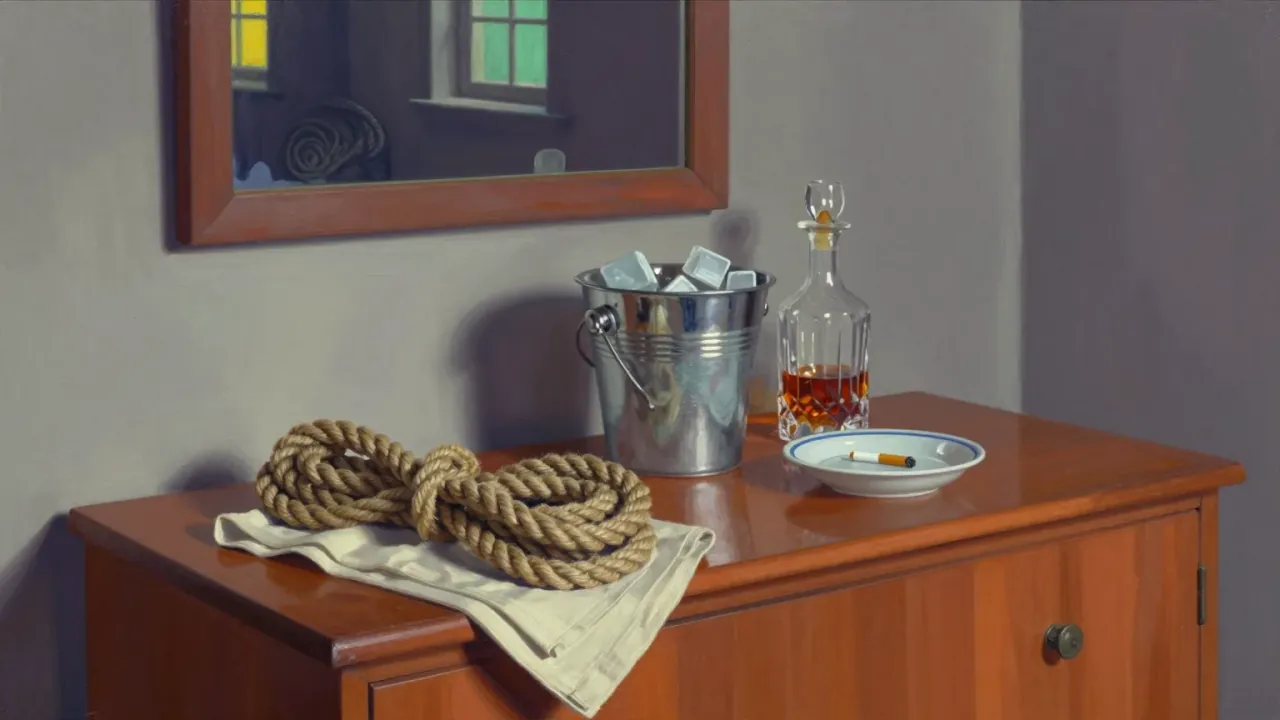
Alfred Hitchcock’s 1948 thriller Rope presents a murder and its aftermath in a single Manhattan apartment, shot to appear as four unbroken takes. Starring James Stewart, John Dall, and Farley Granger, it adapts Patrick Hamilton’s play about two men who kill to prove intellectual superiority — and then host a dinner party atop the corpse. Its formal rigour — movable sets, concealed cuts, shifting Technicolor light — makes it a landmark of studio-era experimentation, though its emotional reserve and constrained subtext remain divisive.

13:00

The 39 Steps

Alfred Hitchcock · 1935

Alfred Hitchcock’s 1935 adaptation of John Buchan’s novel is a foundational British spy thriller: Robert Donat plays Richard Hannay, a man falsely accused who flees across England and Scotland pursued by spies and police alike. Shot by Bernard Knowles and edited by Derek Twist, it relies on geography, rhythm and understated performance rather than exposition or spectacle. Though it departs significantly from the source, it established core Hitchcock tropes — the innocent man on the run, the MacGuffin, the public-space climax — and remains a masterclass in classical suspense construction.

13:00

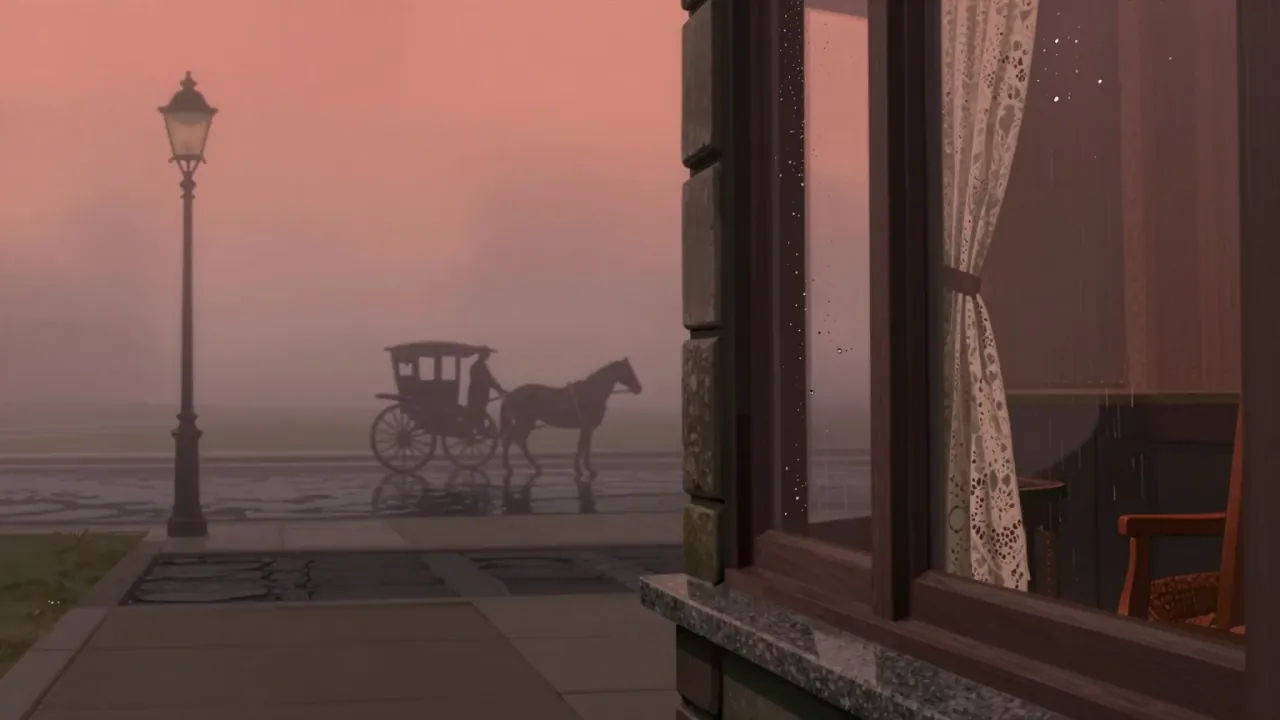
The Lodger: A Story of the London Fog

Alfred Hitchcock · 1927

Alfred Hitchcock’s 1927 silent thriller *The Lodger* follows a London family renting a room to a mysterious man amid a string of blonde-victim murders. Using expressionist lighting, inventive camera angles, and minimal intertitles, it constructs suspense through space, sound (implied), and collective anxiety — establishing Hitchcock’s lifelong preoccupations with guilt, perception, and mob logic.

13:00

North by Northwest

Alfred Hitchcock · 1959

An advertising executive mistaken for a nonexistent spy is chased across the United States toward a crop-duster in an empty field and a climax on the carved faces of Mount Rushmore. Built by Hitchcock and Ernest Lehman around set pieces conceived before the plot that justifies them, it is Cary Grant at his most physically tested and Hitchcock's biggest production to date.

13:00

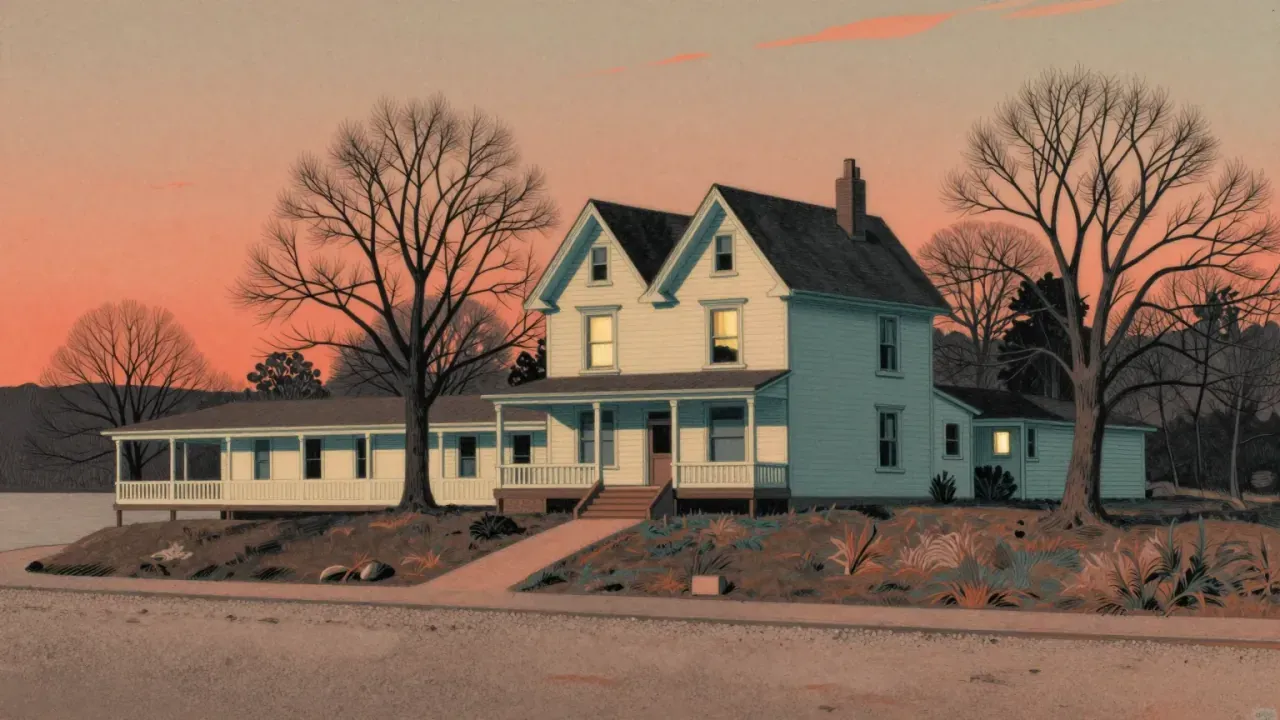
Psycho

Alfred Hitchcock · 1960

Hitchcock financed Psycho himself after Paramount balked at the material, shooting it fast, cheap and in black and white with his television crew. Anthony Perkins's Norman Bates, Bernard Herrmann's string score and a mid-film murder that removes the film's ostensible heroine turned a low-budget genre picture into the template for the modern horror thriller.

13:00

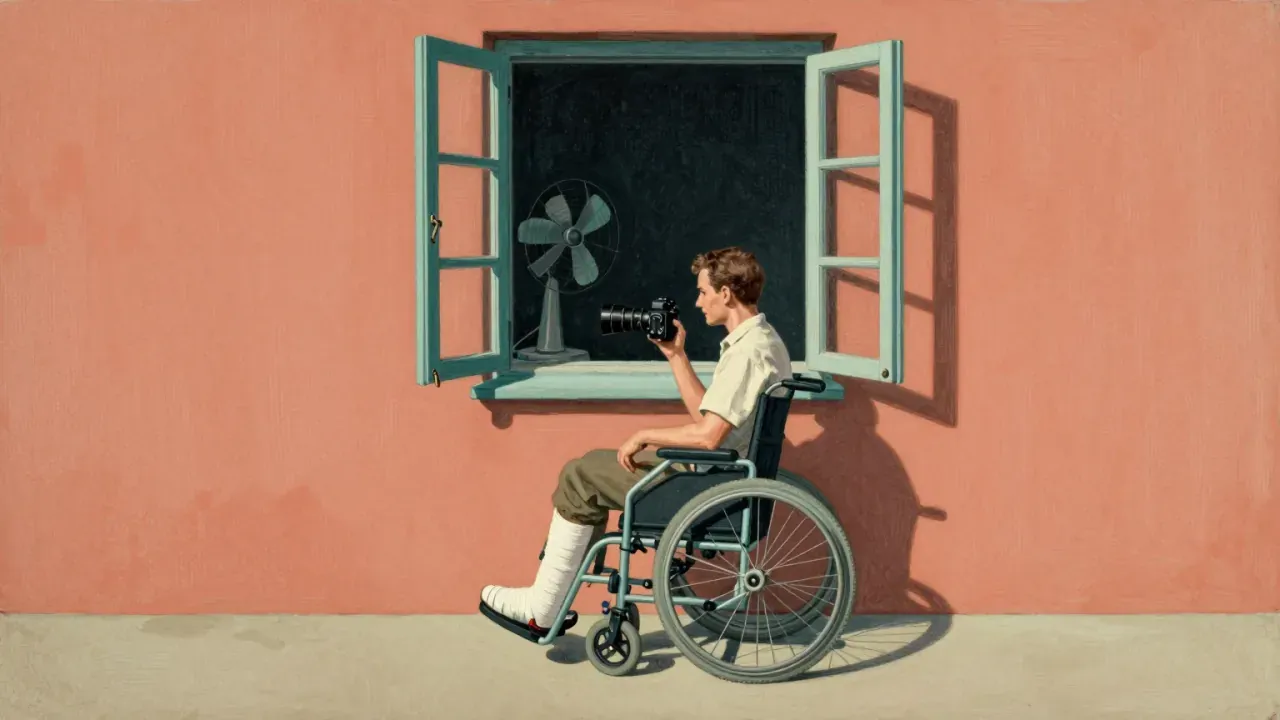
Rear Window

Alfred Hitchcock · 1954

Confined almost entirely to one apartment and the courtyard it overlooks, Rear Window turns a photographer's boredom into a murder investigation conducted through binoculars. Built on a single elaborate Paramount set, it is Hitchcock at his most tightly engineered, with James Stewart watching and Grace Kelly eventually doing the one thing he cannot: crossing the courtyard himself.

13:00

Vertigo

Alfred Hitchcock · 1958

Alfred Hitchcock's 1958 film follows Scottie Ferguson, a retired police detective with a crippling fear of heights, hired to trail a friend's wife who believes she is possessed by a dead ancestor. What begins as surveillance turns into obsession, and after a death he could not prevent, Scottie tries to remake a second woman into the image of the first. Shot by Robert Burks with a spiralling title-sequence effect and scored by Bernard Herrmann, it earned back roughly three times its $2.5 million budget on release and has since climbed steadily in critical standing, unseating Citizen Kane at the top of one long-running critics' poll.