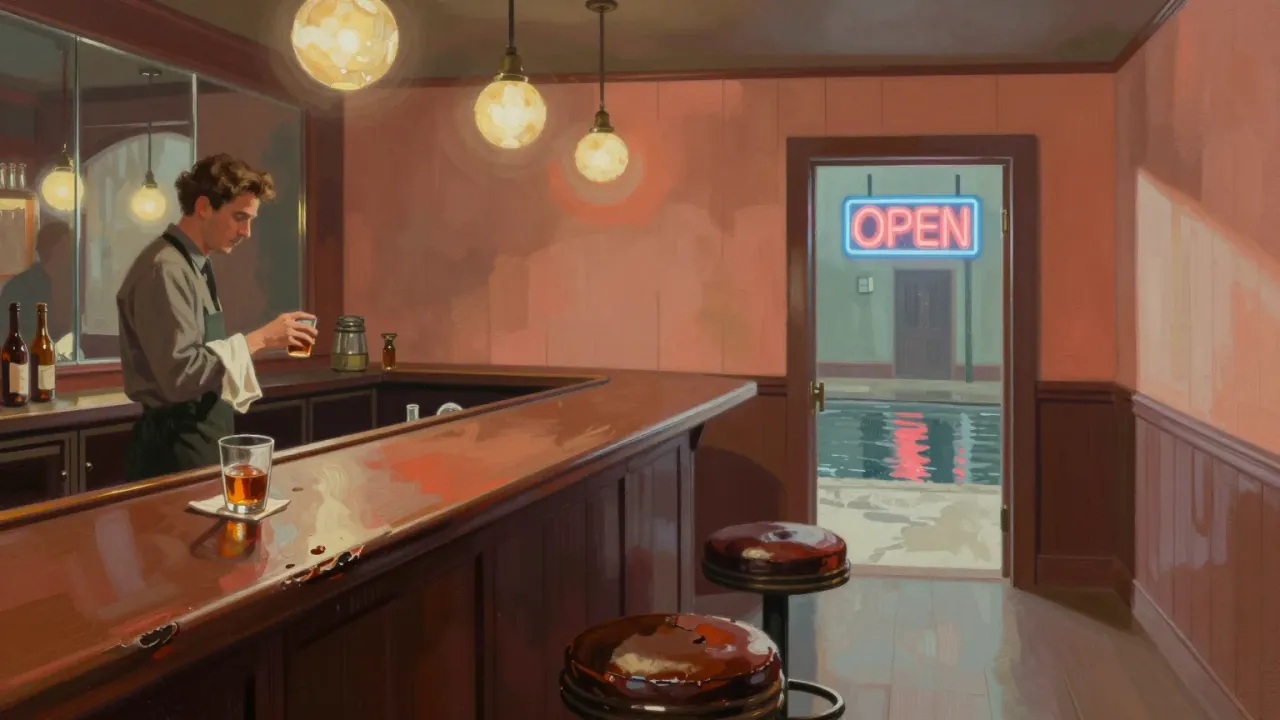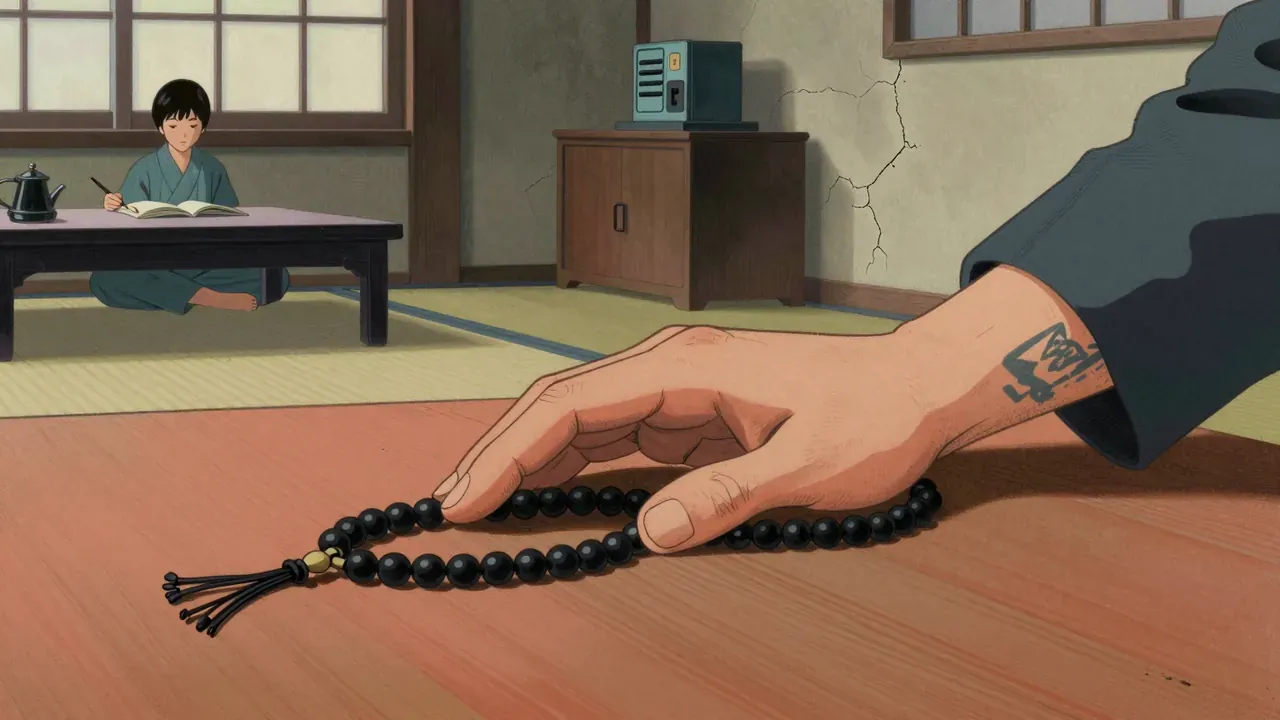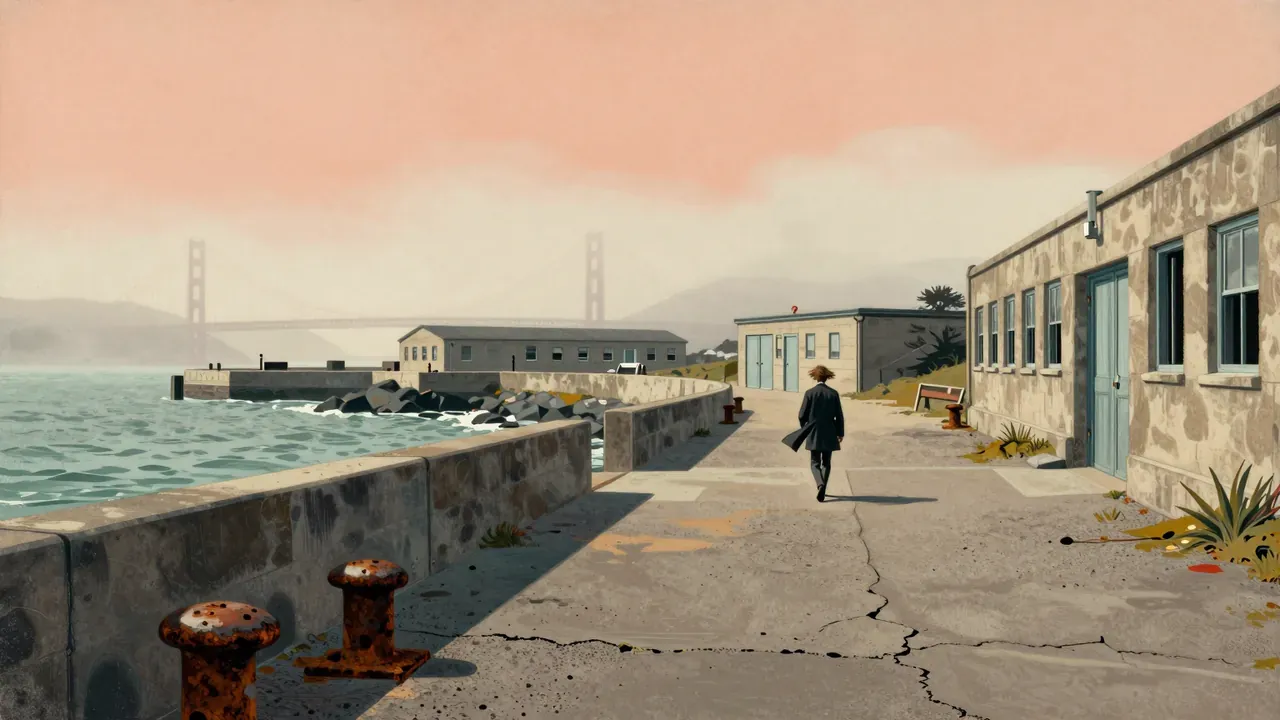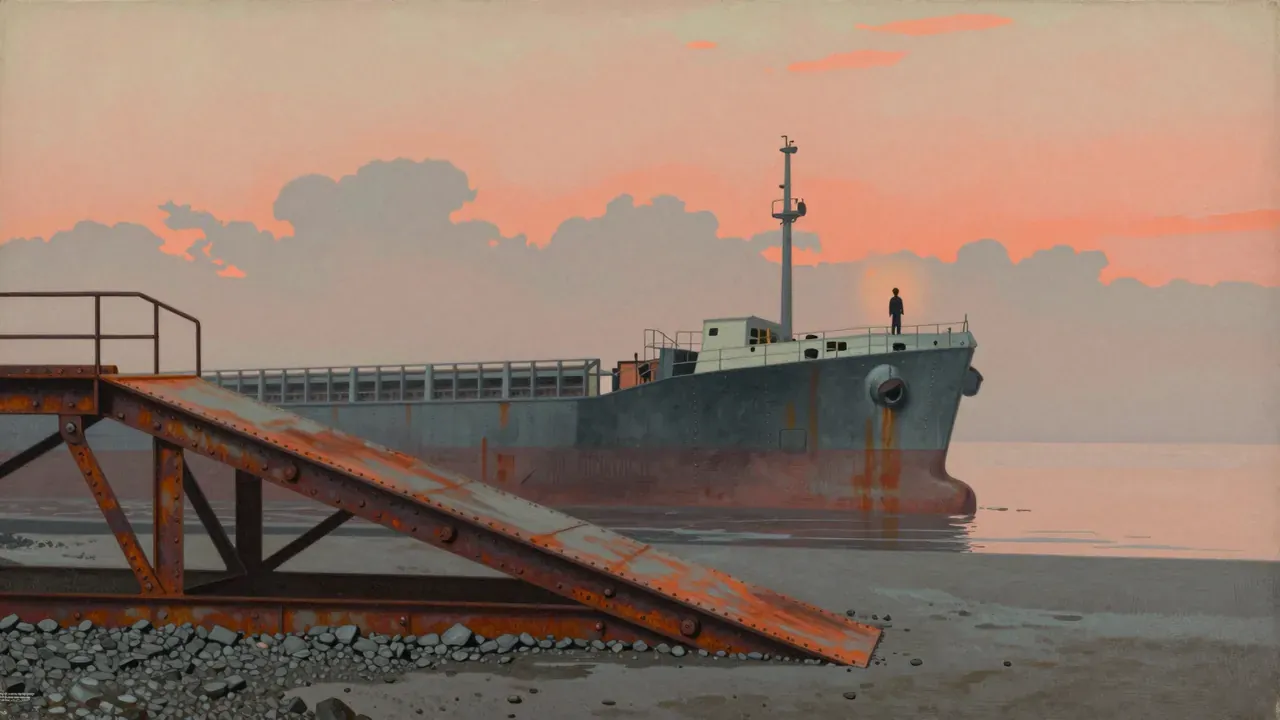
The look of it
A Colt Is My Passport is a 1967 Japanese yakuza film directed by Takashi Nomura for Nikkatsu, adapting Shinji Fujihara’s novel Tobosha. It sets out to condense the moral architecture of noir into a tightly wound, action-driven parable: a contract killer’s loyalty tested not by ideology but by the mechanics of betrayal, timing, and physical endurance. It does not aim for psychological realism or social critique in the manner of later Japanese crime films; instead, it treats genre as a set of calibrated pressures — bullet trajectories, brake placements, ferry schedules — through which character is revealed only in reaction. The film’s ambition lies in its precision: every object, from the second brake behind the driver’s seat to the freighter captain’s silence, functions as both plot device and ethical signpost. Its tone is detached, its pacing unhurried within bursts of violence, and its worldview unflinching in its refusal to distinguish between employer and enemy once the contract dissolves. It is less about motive than about the physics of consequence.
The way it moves
The story moves with the logic of a clockwork trap: each escape tightens the noose elsewhere. Joe Shishido’s Kamimura is stoic, minimally expressive, his stillness calibrated against Jerry Fujio’s more reactive Shun — a contrast that anchors the film’s emotional economy without recourse to exposition. Takashi Nomura directs with deliberate restraint: long takes hold on faces mid-decision, interiors are lit with flat, even light, and the camera rarely moves unless movement serves narrative function — a car reversing into frame, a hand reaching for a detonator wire. Gordon Willis did not shoot this film; the cinematographer is not named in the fact sheet, so no claim is made. What is evident is a compositional rigour inherited from French New Wave and Melville: static frames, abrupt cuts, and a preference for medium shots that treat characters as elements in a spatial puzzle. Editing avoids cross-cutting suspense in favour of sequential cause-and-effect — the bomb is built, the ditch dug, the hitmen arrive — each beat verified before the next begins.
What holds
What lands is the film’s unbroken fidelity to its own rules. The second brake, the sleeping pill, the freighter’s departure time — none of these feel like conveniences, because the film spends time showing their installation, administration, or negotiation. The landfill climax works not as spectacle but as arithmetic: Kamimura’s injuries, the car’s speed, the depth of the ditch, the fuse delay — all cohere into a single, grimly plausible outcome. Shishido’s physical performance carries weight: his limp at the end is earned, not symbolic; his breathing labours because he has run, crouched, bled, and struck. The hotel scenes land quietly but firmly — Mina’s exhaustion, her quiet offer of help, her absence from the final frame — all register without sentimentality. Even the manga-influenced still shots in the opening sequence do not distract; they establish rhythm, not style. This is a film where every detail pays off, and the payoff is always functional, never decorative.
What slips
What does not land is the emotional resonance beyond Kamimura’s immediate circle. Characters outside the trio — Senzaki, Shimazu’s successor, Tsugawa — remain schematic, defined solely by their position in the chain of command. Their motivations are stated, not dramatised; their shifts in allegiance occur off-screen and are reported, not witnessed. The peace deal brokered by Tsugawa arrives without prior indication of his capacity for mediation, making the pivot feel procedural rather than earned. The film’s refusal to explain also extends to geography: locations shift without establishing shots or landmarks, so the truck stop, motel, and landfill lack tactile specificity. This is not ambiguity by design — it is omission. A viewer unfamiliar with 1960s Nikkatsu production norms may find the pacing uneven: long stretches of waiting punctuated by sudden, brutal action, with little tonal transition. Those expecting moral reflection or thematic expansion beyond loyalty-as-protocol will find the film withholding.
What it means
The themes that matter are loyalty as infrastructure, not feeling; survival as calculation, not instinct; and agency as the narrow margin between preparation and improvisation. The film treats trust as a mechanical system — Shun installs the second brake, Kamimura drugs Shun, Mina directs him to the captain — each act a transfer of control, not affection. There is no redemption arc, no ideological awakening, no critique of the yakuza structure itself; the system is simply the weather, and the characters move within it as they can. Violence is neither cathartic nor transformative — it is a recurring condition, like rain. The film’s most persistent idea is that competence is the only currency that retains value when contracts expire. This is not nihilism dressed as coolness; it is a stripped-down operational ethics, where the pistol is not metaphor but passport — a document that grants passage only as long as it remains loaded, aimed, and backed by a plan for what comes after the shot.
Who it’s for
This film is for viewers who value narrative economy over exposition, physical logic over psychological exposition, and genre discipline over thematic sprawl. It rewards attention to props, timing, and spatial relationships — those who notice where the second brake is mounted, or how long it takes Kamimura to dig the ditch, will find the film deeply satisfying. It is not for those who require character backstory, moral ambiguity, or visual flourish; the film offers none of these. Anyone expecting the brooding interiority of Kurosawa’s yakuza films or the operatic fatalism of Suzuki will find Nomura’s approach too dry, too literal. A viewer who dislikes films where protagonists spend more time adjusting a detonator than delivering a monologue should skip it. The verdict changes if the film were longer — at 84 minutes, its austerity feels purposeful; stretched to two hours, it would collapse under its own minimalism.
What it costs
Yes, it is worth your evening — provided you watch it on a screen large enough to see the details in the landfill sequence, and without interruption. Its 84 minutes pass with the quiet insistence of a countdown: each scene narrows the field, each decision closes an exit. It does not ask for empathy, only attention; it does not offer resolution, only consequence. Those who find satisfaction in tightly wound mechanisms — watches, rifles, getaway plans — will leave with the same calm certainty Kamimura shows when surveying the wreckage. It is not ‘entertaining’ in the conventional sense, but it is rigorously absorbing. Anyone who has ever watched a heist film and thought, ‘But what if the car had bulletproof windows?’ will recognise the film’s central pleasure: watching someone solve a problem no one else anticipated. To call it ‘fun’ would misstate it; to call it ‘cold’ would miss its quiet, unwavering focus. It earns its ending not with drama, but with diligence.