filmbriefs
Actor · 1932–2008

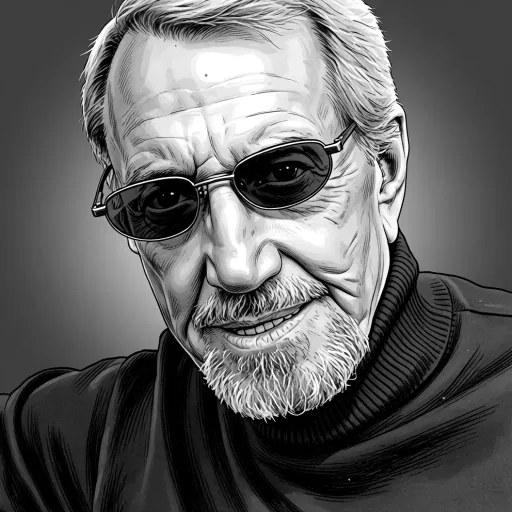
Roy Scheider

7
briefs
13:00
average
91 min
in total
On film.briefs7
13:00

All That Jazz

Bob Fosse · 1979

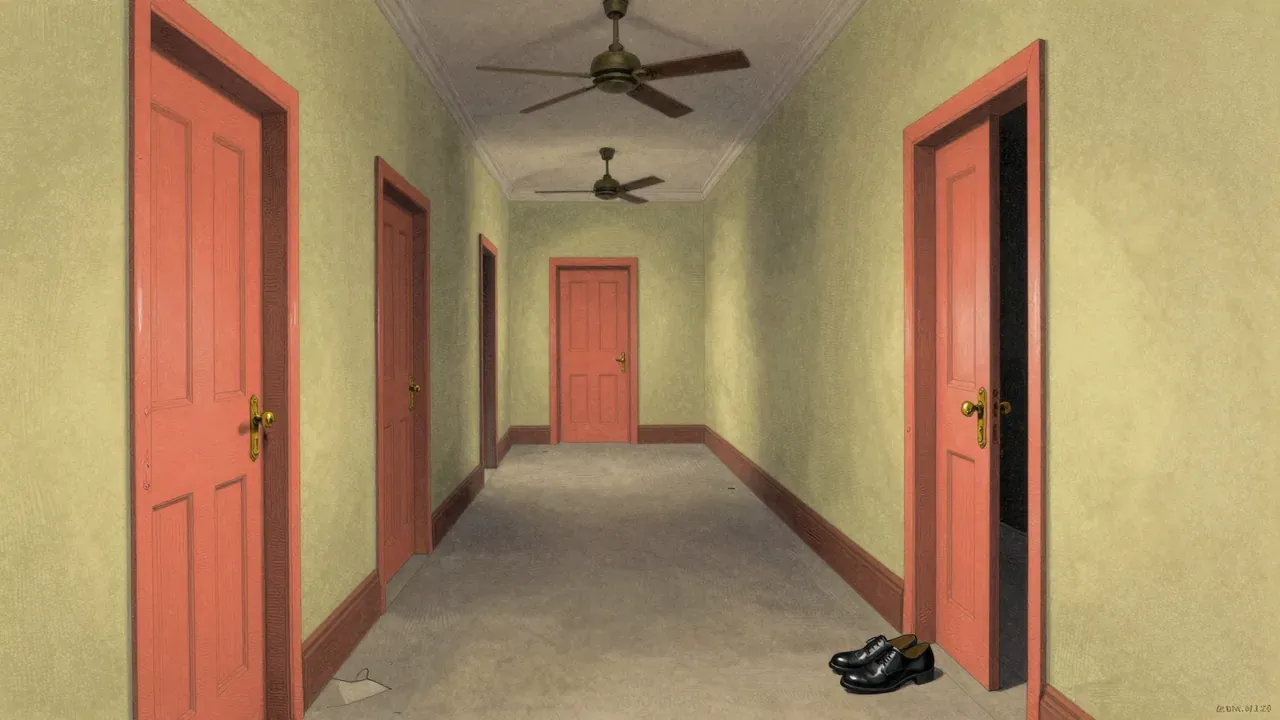
Bob Fosse’s 1979 semi-autobiographical musical follows Joe Gideon—a director and editor burning himself out across Broadway and Hollywood—as his body fails. Using dance, dream logic, and clinical realism, it maps the collision of creative obsession and physical collapse. Roy Scheider stars; Giuseppe Rotunno shoots; Alan Heim edits; Ralph Burns scores. It won four Oscars and the Palme d’Or, and remains a benchmark for formal audacity in American cinema.
13:00

Klute

Alan J. Pakula · 1971

A 1971 neo-noir thriller directed by Alan J. Pakula, Klute follows a Pennsylvania detective investigating a missing executive by surveilling a New York call girl. Jane Fonda’s Oscar-winning performance anchors a film defined by Gordon Willis’s shadow-drenched cinematography, Michael Small’s unsettling score, and a script that treats paranoia as atmosphere rather than plot. It is the first of Pakula’s informal 'paranoia trilogy', prioritising psychological realism over narrative closure.

13:00

Naked Lunch

David Cronenberg · 1991

David Cronenberg’s 1991 film Naked Lunch reimagines William S. Burroughs’s 1959 novel not as narrative but as psychological architecture. Starring Peter Weller as writer William Lee, it traces a descent into hallucination following the accidental death of his wife—a descent rendered through literalised surrealism, tactile special effects, and Howard Shore’s layered score. Shot in Toronto with deliberate visual austerity, the film treats addiction, authorship, and language as interlocking systems of compulsion and control. Though commercially unsuccessful and structurally demanding, it endures as a rigorous, self-contained exploration of how trauma reshapes perception—and how perception, in turn, writes itself into being.

13:00

Sorcerer

William Friedkin · 1977

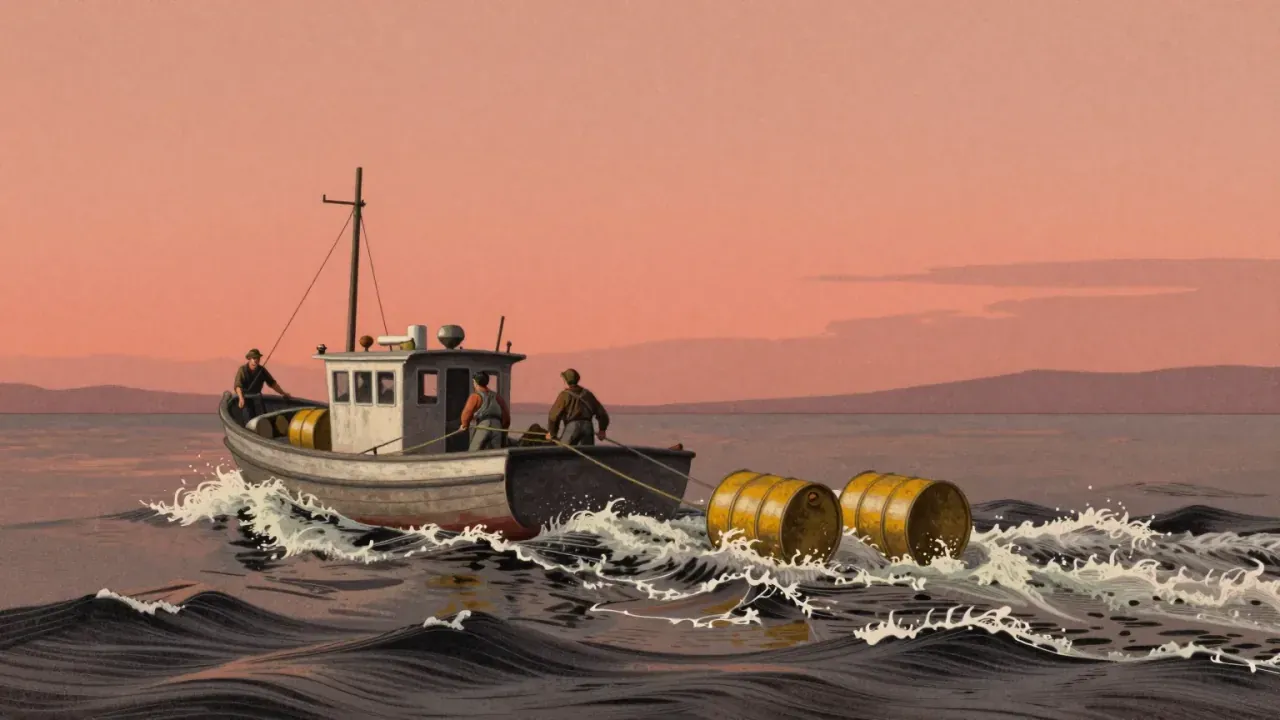
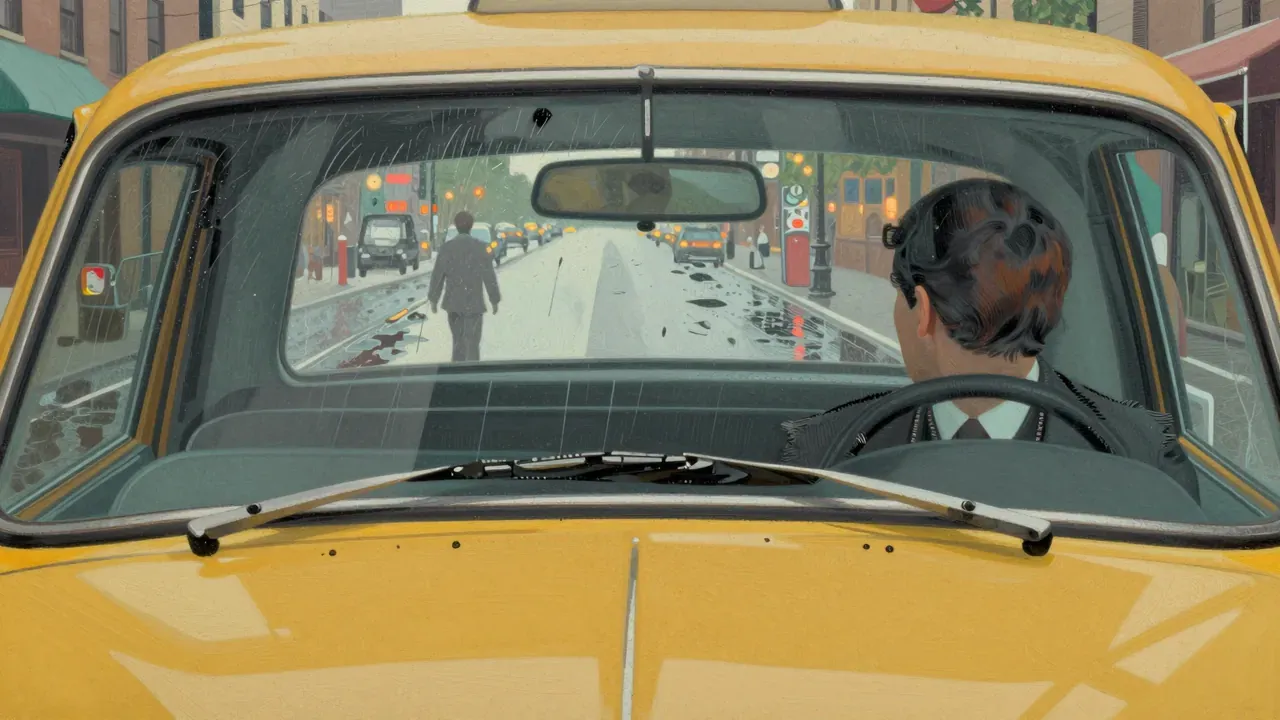
William Friedkin’s 1977 Sorcerer adapts Georges Arnaud’s novel as a stark, tactile thriller about four fugitives transporting volatile nitroglycerin across a jungle road. Shot in the Dominican Republic with documentary rigour, it trades psychological exposition for procedural realism — trucks, terrain, and time as the true protagonists. Though a box-office failure on release, it has since been reappraised as a masterwork of sustained tension and formal discipline.

13:00

Mishima: A Life in Four Chapters

Paul Schrader · 1985

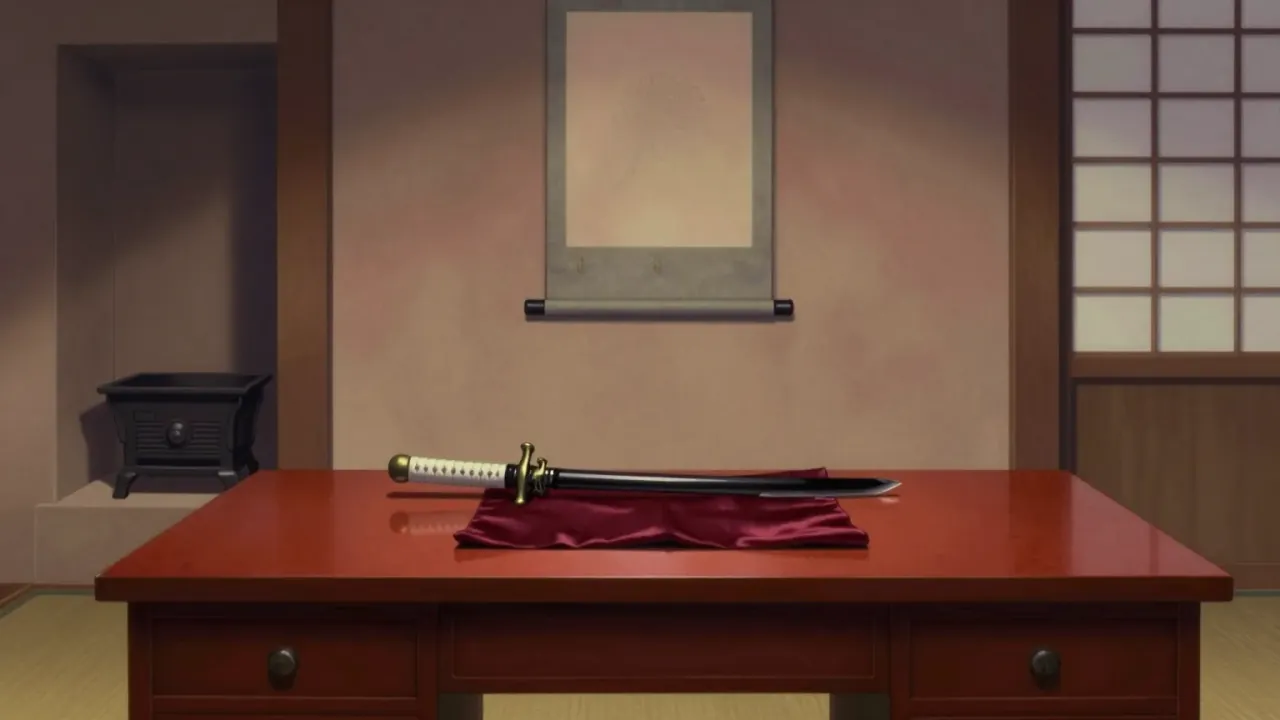
Paul Schrader’s 1985 film interweaves Yukio Mishima’s final day with biographical flashbacks and dramatisations of three of his novels, organised into four colour-coded chapters. Shot in Japan with a rigorous visual syntax, it privileges form over exposition, using John Bailey’s cinematography, Philip Glass’s score and Eiko Ishioka’s production design to render Mishima’s aesthetic absolutism as cinematic grammar. It was banned in Japan until 2025.

13:00

Jaws

Steven Spielberg · 1975

Steven Spielberg's 1975 thriller sends police chief Martin Brody, a marine biologist and a professional shark hunter after a great white attacking swimmers off a New England resort town. Adapted from Peter Benchley's novel and shot on location at Martha's Vineyard, it went over budget and schedule when its mechanical sharks repeatedly failed, forcing Spielberg toward a suggestive, Hitchcock-influenced style built around John Williams's two-note theme. It became the highest-grossing film in history at the time and established the modern summer blockbuster model.

13:00

The French Connection

William Friedkin · 1971

The French Connection follows two New York narcotics detectives, modelled on real officers Eddie Egan and Sonny Grosso, as they trail a heroin shipment tied to an actual 1962 seizure. Made for $1.8 million after seven actors turned down the lead, it won five Academy Awards including Best Picture and Best Actor for Gene Hackman, and its documentary-style handheld camera and an unscripted-feeling car chase set a template for the decade of American crime films that followed it.