filmbriefs
Screenwriter · 1908–2009

Tullio Pinelli

9
briefs
13:00
average
117 min
in total
On film.briefs9
13:00

I Vitelloni

Federico Fellini · 1953

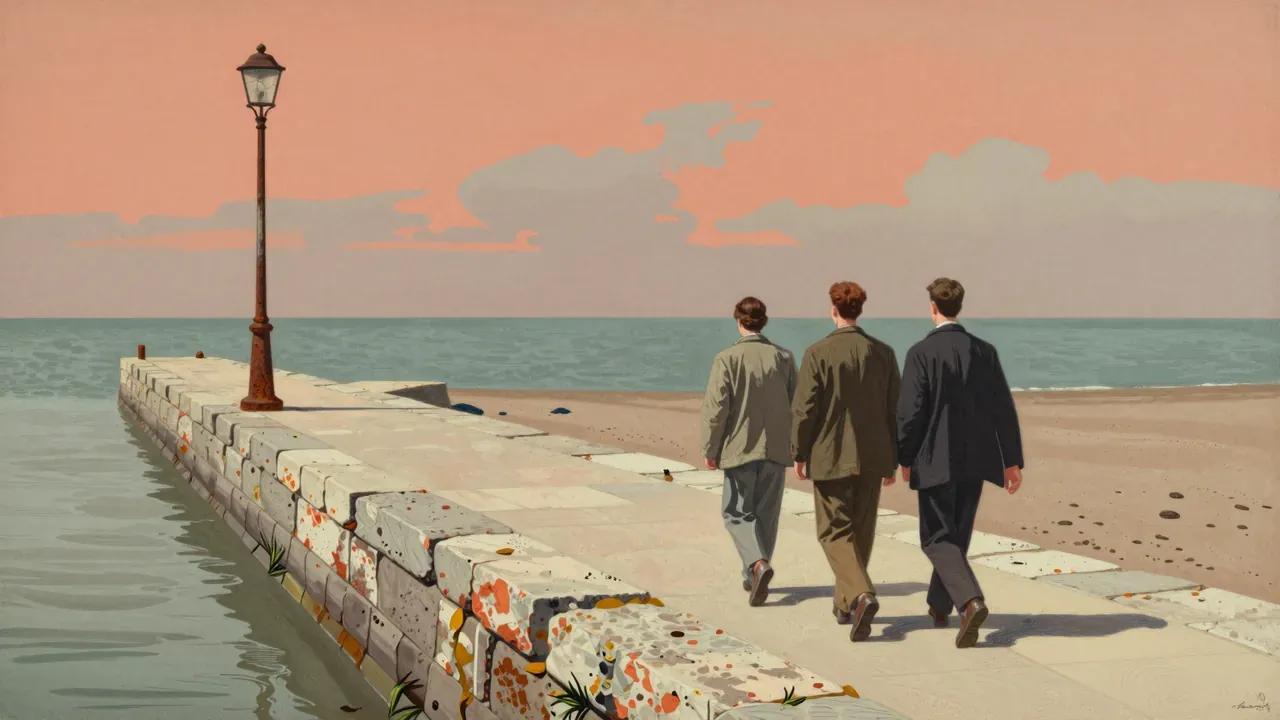
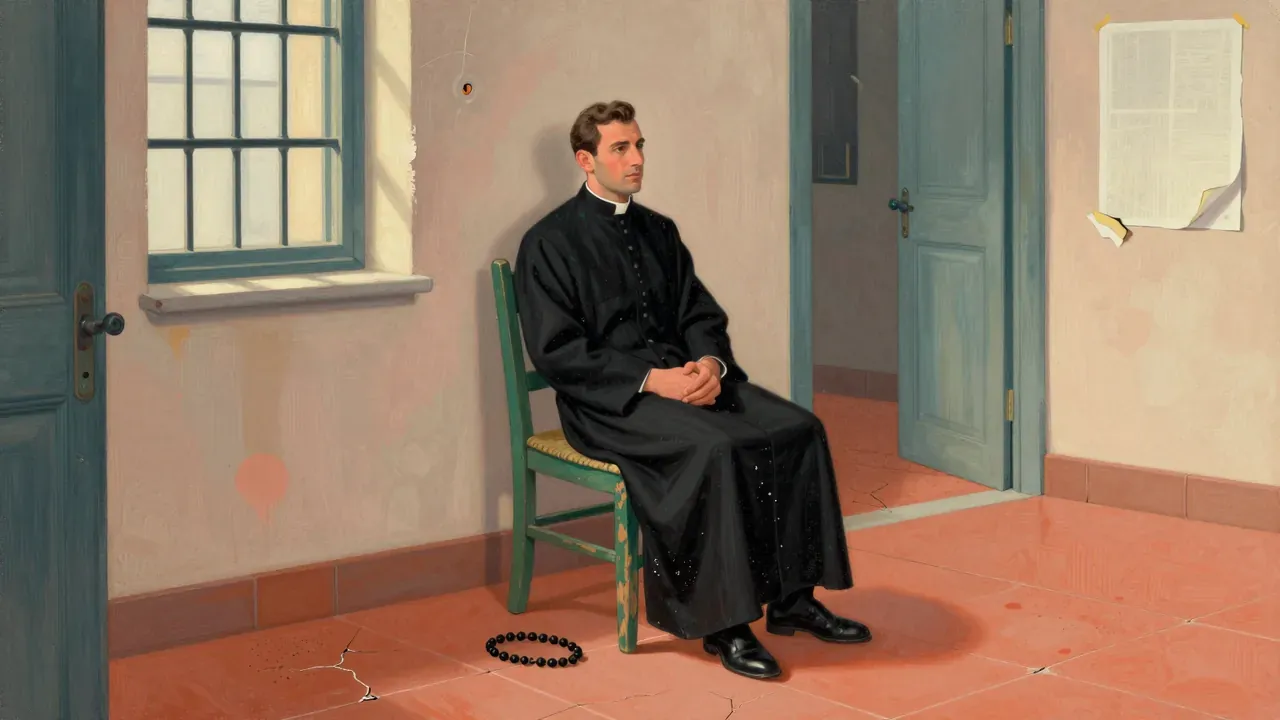
Federico Fellini’s 1953 film follows five idle young men in a provincial Italian town as summer ends and inertia sets in. With no grand plot, only accumulated moments — a shotgun wedding, a masquerade ball, a seaside walk — it observes how lives persist without direction. Otello Martelli’s understated cinematography and Nino Rota’s delicate score reinforce its mood of suspended time. Though some subplots falter and its pacing resists conventional engagement, its power lies in its fidelity to a specific, unromantic truth: that growing up is often less about leaping forward than learning to bear the weight of staying still.
13:00

Il bidone

Federico Fellini · 1955

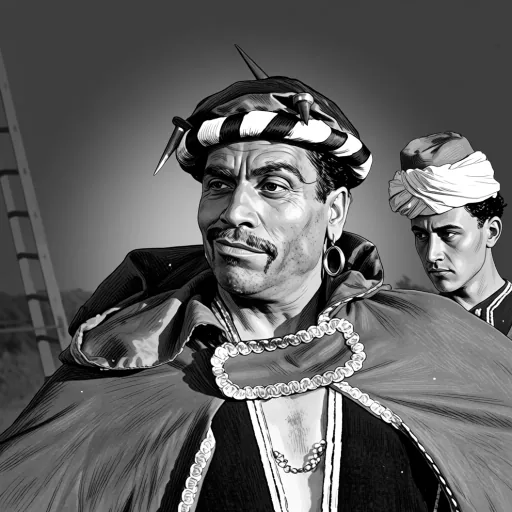
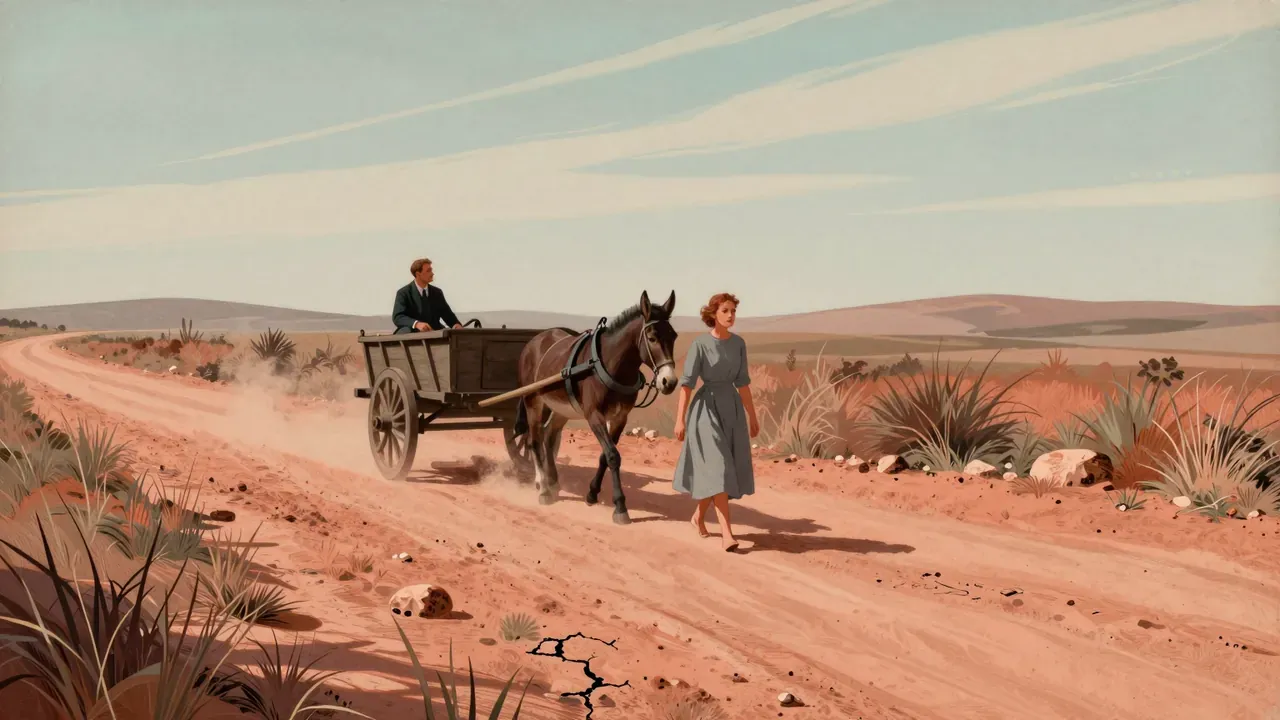
Federico Fellini’s 1955 drama follows a trio of swindlers working rural Italy, whose cons on poor farmers gradually unravel their self-deception. Broderick Crawford plays Augusto, whose late moral crisis culminates in abandonment and death on a barren hillside. Shot by Otello Martelli, scored by Nino Rota, and anchored by Giulietta Masina’s restrained performance, the film treats conscience as physical decay rather than spiritual awakening.

13:00

La Strada

Federico Fellini · 1954

Federico Fellini’s 1954 drama follows Gelsomina, a young woman bought by strongman Zampanò and taken on the road, where she encounters brutality, absurdity and fleeting grace. Shot in rural Italy by Otello Martelli, scored by Nino Rota and anchored by Giulietta Masina’s restrained performance, it rejects narrative resolution in favour of sustained, tactile presence. It won the first Academy Award for Best International Feature Film.

13:00

Variety Lights

Federico Fellini, Alberto Lattuada · 1950

Federico Fellini and Alberto Lattuada’s 1950 debut follows a struggling vaudeville troupe as ambition fractures loyalty and routine masks exhaustion. Shot on location and at Rome’s Scalera Studios, it stars Peppino De Filippo, Carla Del Poggio and Giulietta Masina, and charts the quiet economics of attention, ageing and reinvention — without flourish, without judgement, and without resolution.

13:00

Nights of Cabiria

Federico Fellini · 1957

Federico Fellini’s 1957 drama follows Cabiria, a Roman sex worker, through a series of encounters that test but never extinguish her capacity for hope. Giulietta Masina’s performance anchors a film that favours duration over plot, quiet observation over exposition, and emotional fidelity over resolution. Shot on location across Rome and its outskirts, with cinematography by Aldo Tonti and Otello Martelli and music by Nino Rota, it won the 1958 Academy Award for Best International Feature Film.

13:00

The White Sheik

Federico Fellini · 1952

Federico Fellini’s 1952 debut as sole director follows a nervous groom whose bride vanishes in Rome to meet the hero of her favourite photo-strip. Built around the mechanics of Italian fotoromanzi, the film uses crisp comic timing, stylised cinematography and Nino Rota’s light score to dissect how mass fantasy reshapes desire, class performance and marital expectation — without sentiment or resolution.

13:00

Juliet of the Spirits

Federico Fellini · 1965

Federico Fellini’s 1965 Juliet of the Spirits is his first feature-length colour film, starring Giulietta Masina as a Roman housewife whose repressed inner life erupts in visions, memories and surreal encounters. Shot at Safa Palatino and Cinecittà Studios, it uses colour, costume and set design as primary tools to map a woman’s slow, non-linear path toward self-perception. Though nominated for two Academy Awards and widely acclaimed abroad, its reception in Italy was divided — some critics finding its baroque surfaces overwhelming its human core.

13:00

8½

Federico Fellini · 1963

Federico Fellini's 1963 film follows Guido Anselmi, a film director retreating to a spa town while his crew waits for a script he cannot write, sliding between the demands of producers, mistresses, his wife and memories of his Catholic childhood without marking the boundary between what is happening and what he is imagining. Shot by Gianni Di Venanzo in high-contrast black and white, scored by Nino Rota, and led by Marcello Mastroianni, the film won two Oscars, for costume design and international feature, and has stood since as one of the most direct portraits of creative paralysis committed to film.

13:00

La Dolce Vita

Federico Fellini · 1960

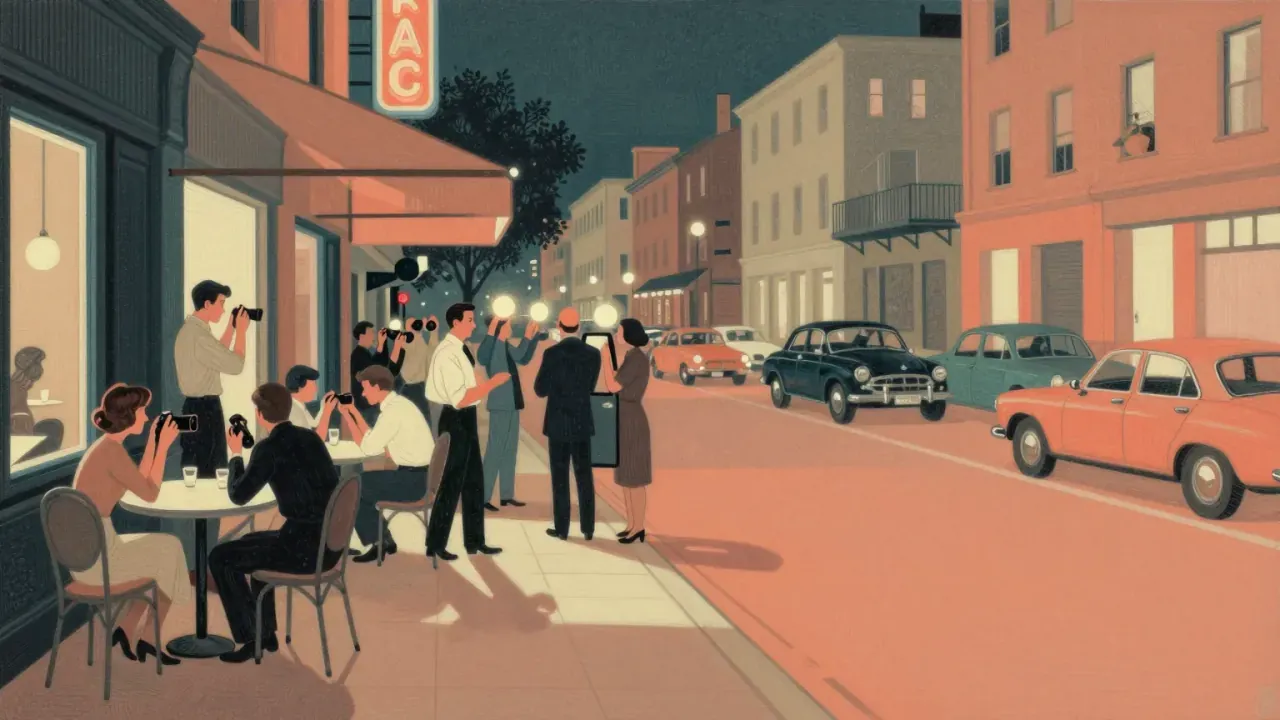
Federico Fellini's 1960 portrait of a tabloid journalist drifting through Rome's high society over a week of nights gave the world the word paparazzi and became both a critical landmark and a box-office hit despite censors in several countries. Marcello Mastroianni anchors an episodic structure built around parties, a starlet's arrival, and a friend's unexplained despair, shot largely at Cinecittà on Piero Gherardi's elaborate sets.