filmbriefs
Actor · Voice actor · 1957

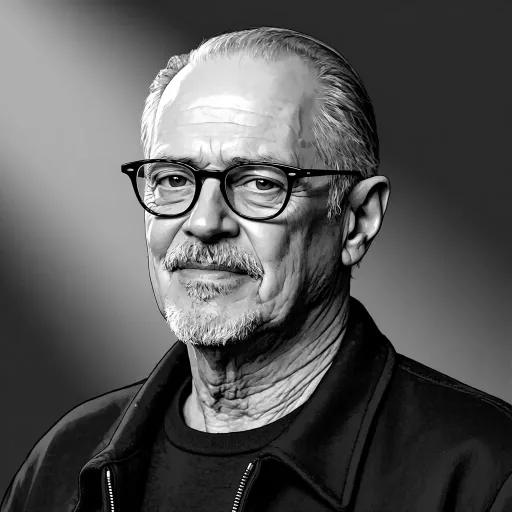
Steve Buscemi

9
briefs
13:00
average
117 min
in total
On film.briefs9
13:00

Armageddon

Michael Bay · 1998

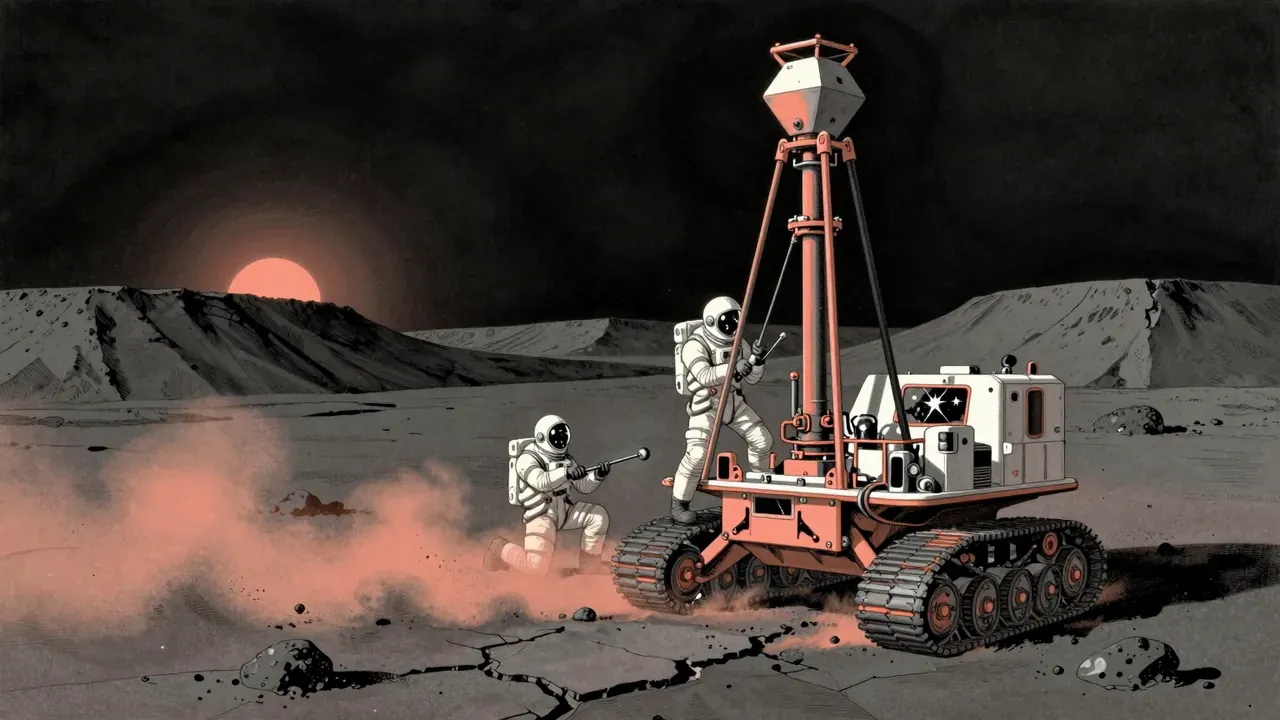
A 1998 American action film directed by Michael Bay, Armageddon follows a team of oil drillers recruited by NASA to destroy a Texas-sized asteroid hurtling toward Earth. With a $140 million budget and an ensemble cast including Bruce Willis, Ben Affleck and Liv Tyler, it prioritises emotional clarity, physical craft and relentless momentum over scientific plausibility or psychological nuance. Though critically divided, it became the highest-grossing film of 1998 and remains a benchmark for large-scale, character-driven spectacle.
13:00

Ghost World

Terry Zwigoff · 2001

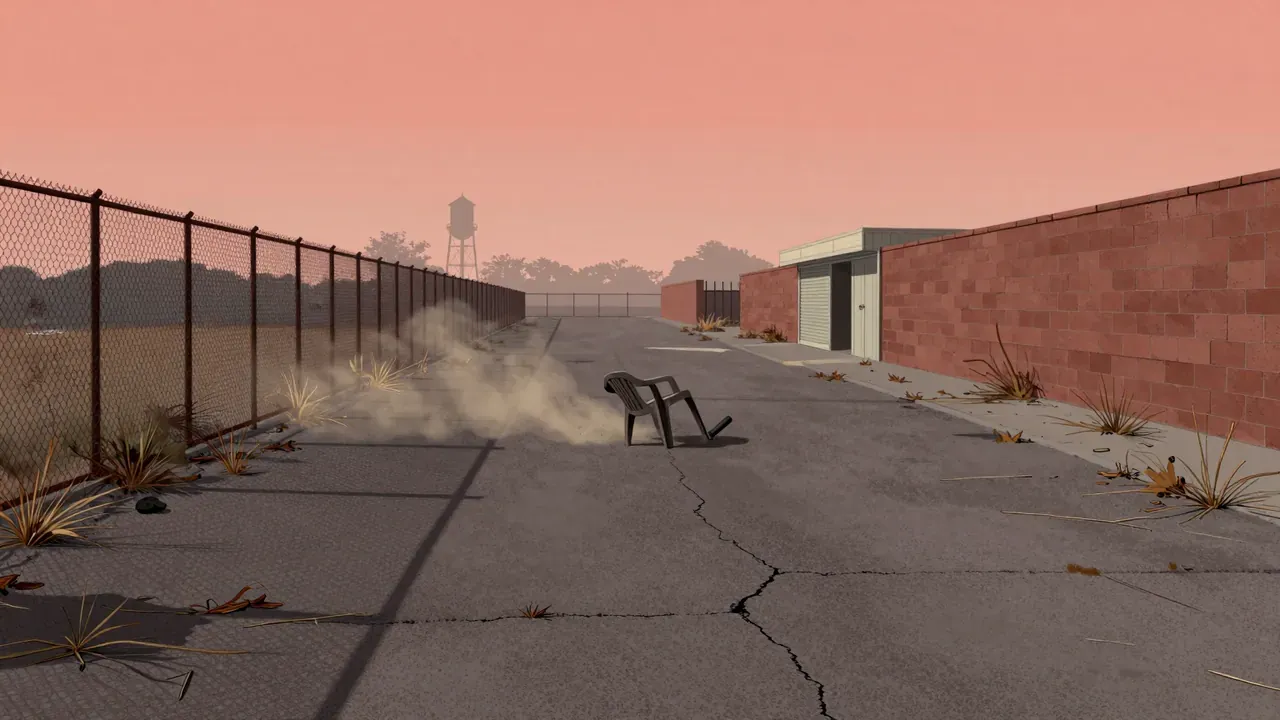
Ghost World (2001), directed by Terry Zwigoff and co-written with Daniel Clowes, follows Enid and Rebecca through the hollow summer after high school. Shot by Affonso Beato with deliberate oversaturation and lingering takes, it renders adolescent disaffection as structural fact rather than passing mood. Thora Birch’s performance anchors a film that values silence over exposition, texture over plot, and ambiguity over resolution.

13:00

Barton Fink

Joel Coen, Ethan Coen · 1991

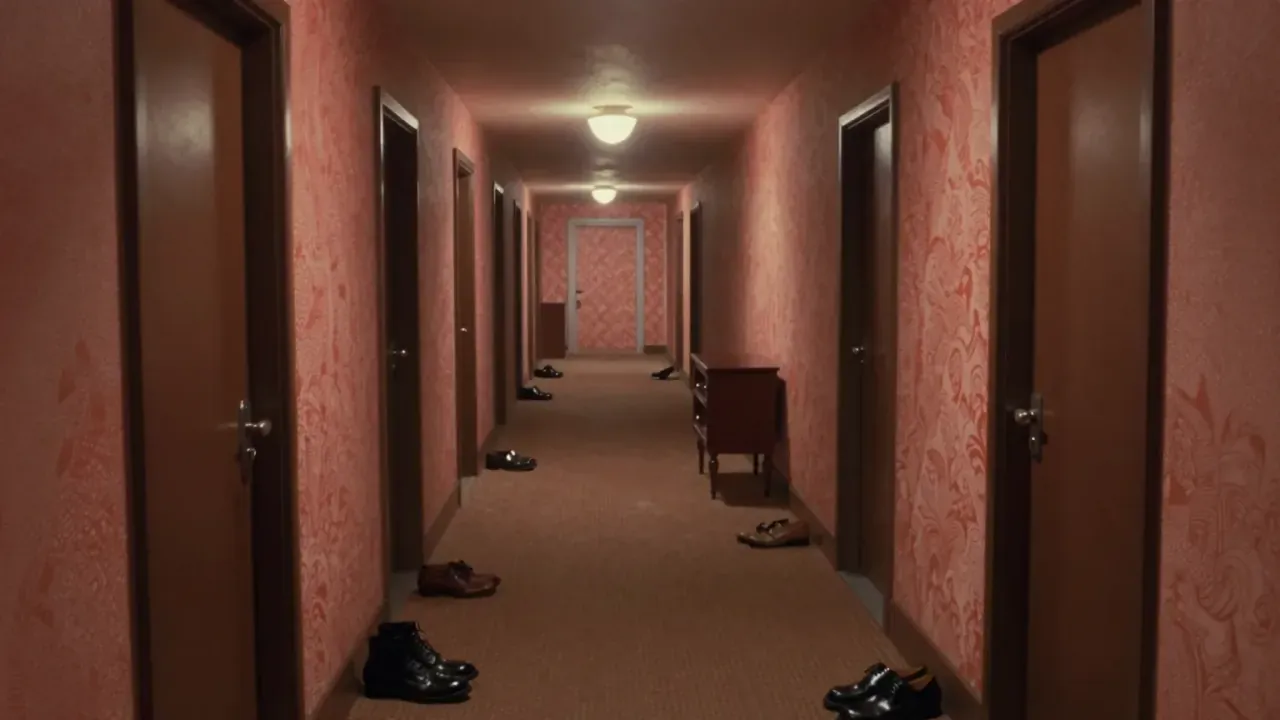
Barton Fink (1991) is a neo-noir arthouse thriller set in 1941, following a New York playwright’s unsettling stay at the decaying Hotel Earle while writing for a Hollywood studio. Directed by Joel and Ethan Coen, it stars John Turturro and John Goodman, with cinematography by Roger Deakins and music by Carter Burwell. Its power lies in sustained atmosphere, recursive imagery, and psychological compression — less a narrative than a meticulously constructed state of mind.

13:00

Miller's Crossing

Ethan Coen, Joel Coen · 1990

A 1990 neo-noir gangster film directed by the Coen brothers, set in an unnamed Prohibition-era city. Gabriel Byrne stars as Tom Reagan, a strategist caught between rival mob bosses Albert Finney and Jon Polito. Built on Hammett’s The Glass Key, it prioritises formal rigour over emotional exposition — its dialogue elliptical, its violence understated, its moral universe amoral. Shot in New Orleans by Barry Sonnenfeld, with a restrained score by Carter Burwell, it is a study in control: of image, rhythm, and implication.

13:00

Big Fish

Tim Burton · 2003

Tim Burton’s 2003 fantasy drama Big Fish adapts Daniel Wallace’s novel into a tripartite portrait of a father’s tall tales and his son’s reluctant reckoning with them. Shot in Alabama with Philippe Rousselot’s sun-bleached cinematography and scored by Danny Elfman, it balances Southern Gothic texture with mythic whimsy. Though its tonal shifts and narrative looseness divided critics, its central theme — that stories are how we hold people close after they’re gone — remains its quiet, steady pulse.

13:00

Fargo

Joel Coen, Ethan Coen · 1996

Fargo (1996) is a black comedy crime film written and directed by Joel and Ethan Coen. Set in Minnesota during a harsh winter, it follows a bungled kidnapping scheme orchestrated by car salesman Jerry Lundegaard, and the subsequent investigation led by pregnant police chief Marge Gunderson. Shot by Roger Deakins and scored by Carter Burwell, the film balances deadpan humour with sudden violence, sustained by precise dialogue, regional dialect coaching and an unblinking visual style. Though framed as 'based on a true story', it is entirely fictional — a fable about incompetence, complicity and quiet integrity.

13:00

The Big Lebowski

Joel Coen, Ethan Coen · 1998

The Big Lebowski (1998) follows Jeffrey 'The Dude' Lebowski, a laid-back Los Angeles slacker drawn into a convoluted kidnapping plot after being mistaken for a millionaire with the same name. Directed by Joel and Ethan Coen, it leans into Raymond Chandler’s episodic structure while discarding his moral urgency. With Jeff Bridges, John Goodman, Julianne Moore, Steve Buscemi and John Turturro, and cinematography by Roger Deakins, it builds its world through precise dialogue, physical performance and sun-bleached Los Angeles atmospherics — less a crime story than a study in inertia, ritual and linguistic idiosyncrasy.

13:00

Monsters, Inc.

Pete Docter, Lee Unkrich, David Silverman · 2001

Monsters, Inc. imagines child-scaring as an actual industry, converting screams into a city's power supply, until a small girl named Boo slips into the factory and forces two scarers to smuggle her home before anyone notices. Directed by Pete Docter for Pixar over a five-year production, the film cost $115 million, took $632 million worldwide, and won the Academy Award for Best Original Song.

13:00

Reservoir Dogs

Quentin Tarantino · 1992

Quentin Tarantino's 1992 debut follows six career criminals, known to each other only by colour-coded aliases, after a jewellery heist collapses within minutes. Confined largely to one warehouse and told through flashbacks rather than the robbery itself, it built its reputation on tense dialogue, a single notorious torture scene, and its influence on the crime cinema that followed it.