filmbriefs
Editor

Ruggero Mastroianni

4
briefs
13:00
average
52 min
in total
On film.briefs4
13:00

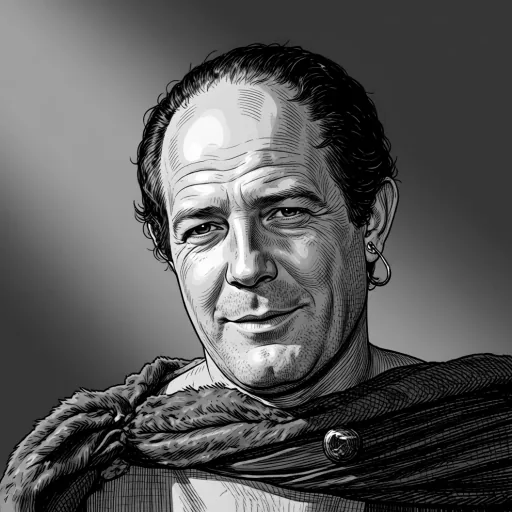
The Skin

Liliana Cavani · 1981

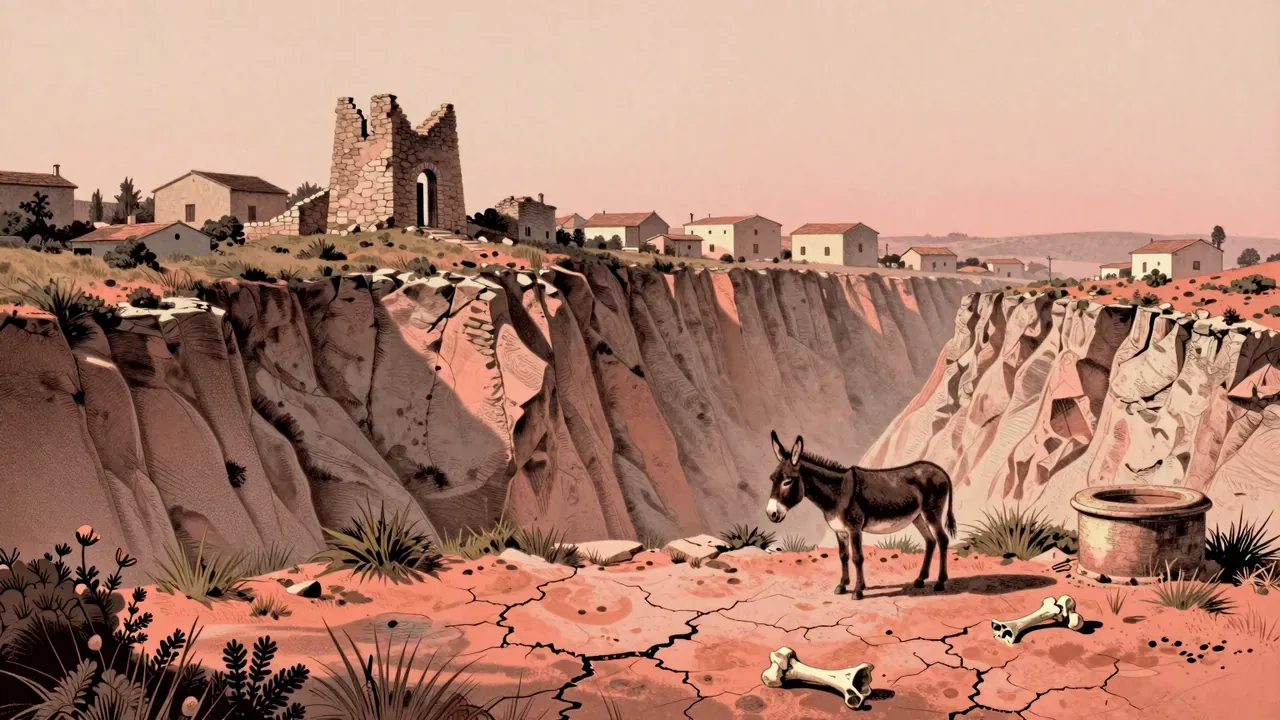
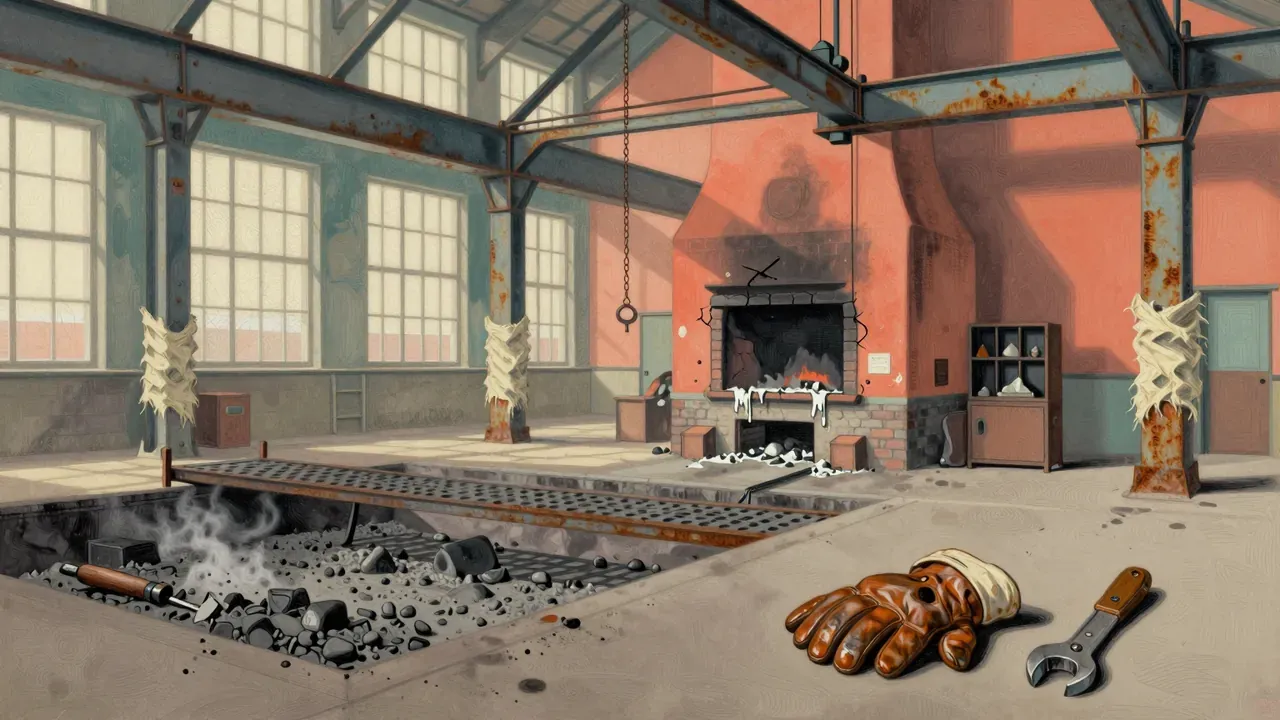
Liliana Cavani’s 1981 adaptation of Curzio Malaparte’s novel *The Skin* depicts Naples in the immediate aftermath of Allied liberation, where survival depends on transaction, dignity is measured in kilos, and liberation feels indistinguishable from conquest. Starring Marcello Mastroianni and Burt Lancaster, it uses stark cinematography, dissonant music and unflinching vignettes to trace the corrosion of morality under occupation — not as breakdown but as system.

13:00

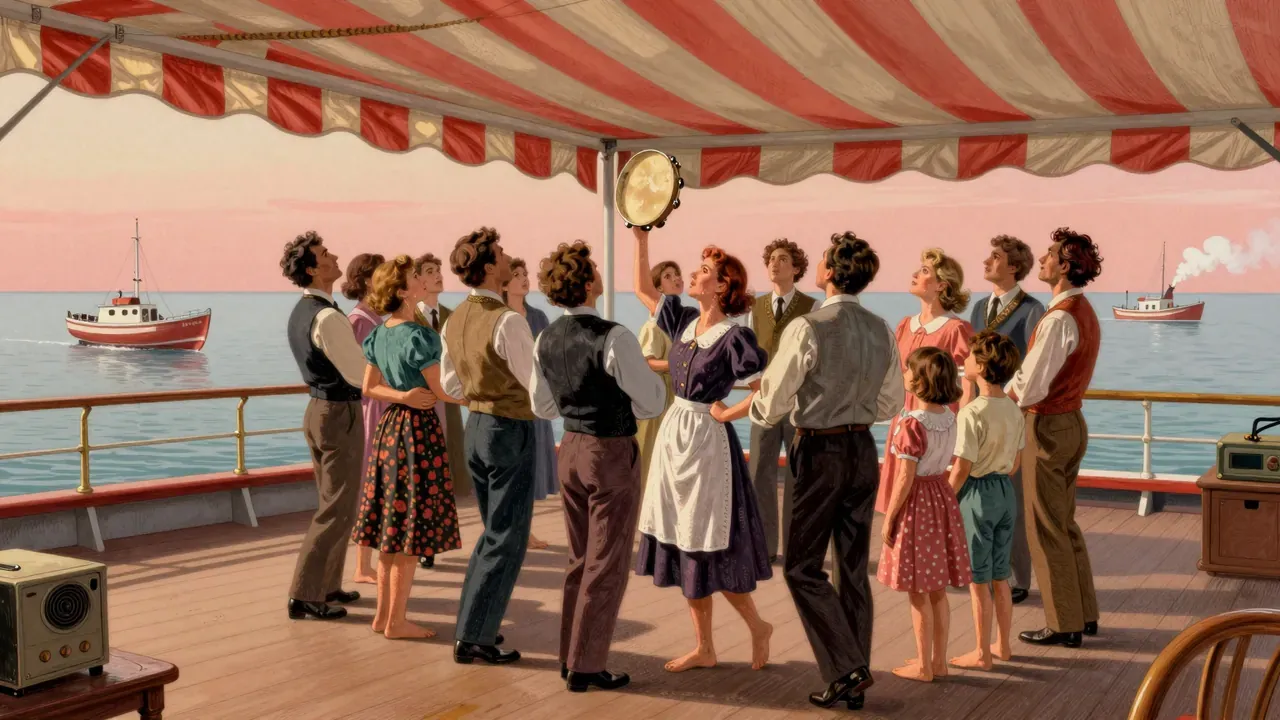
Amarcord

Federico Fellini · 1973

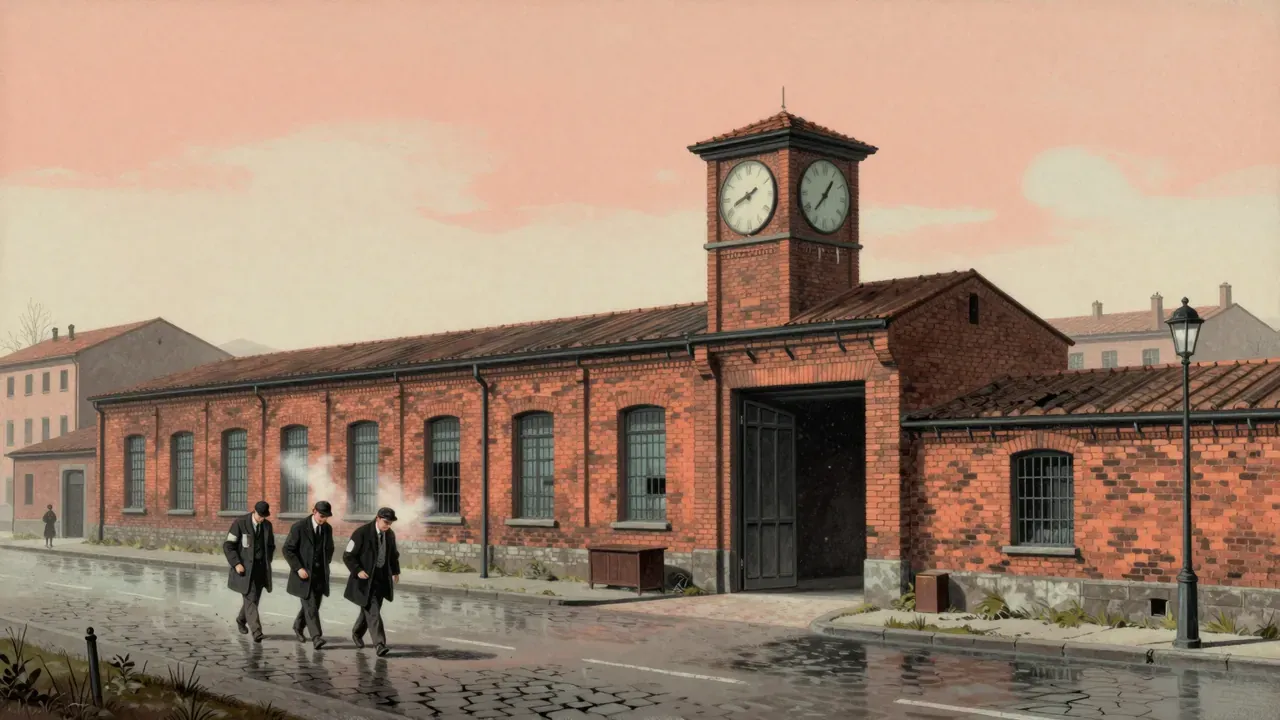
Federico Fellini’s 1973 Amarcord is a semi-autobiographical art film set in a fictionalised 1930s Rimini, structured as a year-long seasonal cycle through the life of a coastal village under Fascism. Starring Bruno Zanin and featuring a large ensemble of professional and non-professional actors, it uses exaggerated, theatrical imagery and episodic storytelling to evoke memory as associative, contradictory, and deeply sensual. Giuseppe Rotunno’s cinematography, Nino Rota’s score, and Ruggero Mastroianni’s editing cohere around a central irony: that collective remembrance often obscures moral accountability. Winner of the 1975 Academy Award for Best International Feature Film, it remains a defining work of Italian arthouse cinema.

13:00

Death in Venice

Luchino Visconti · 1971

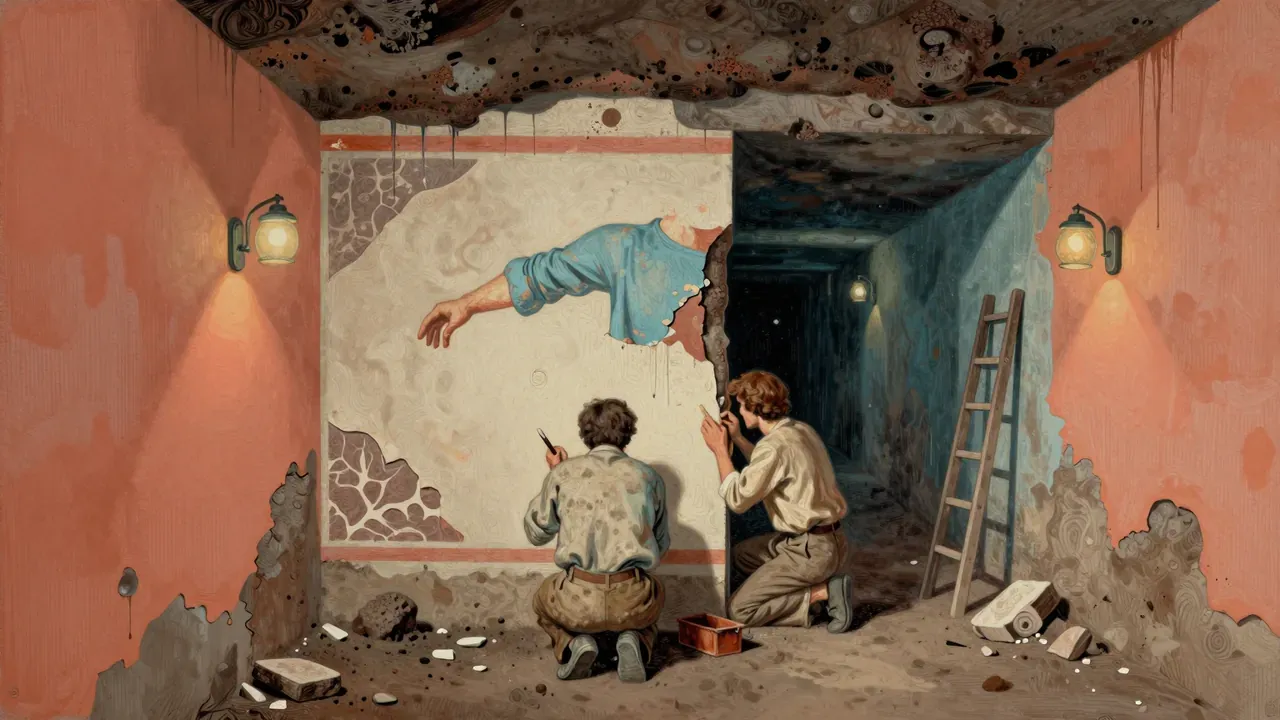
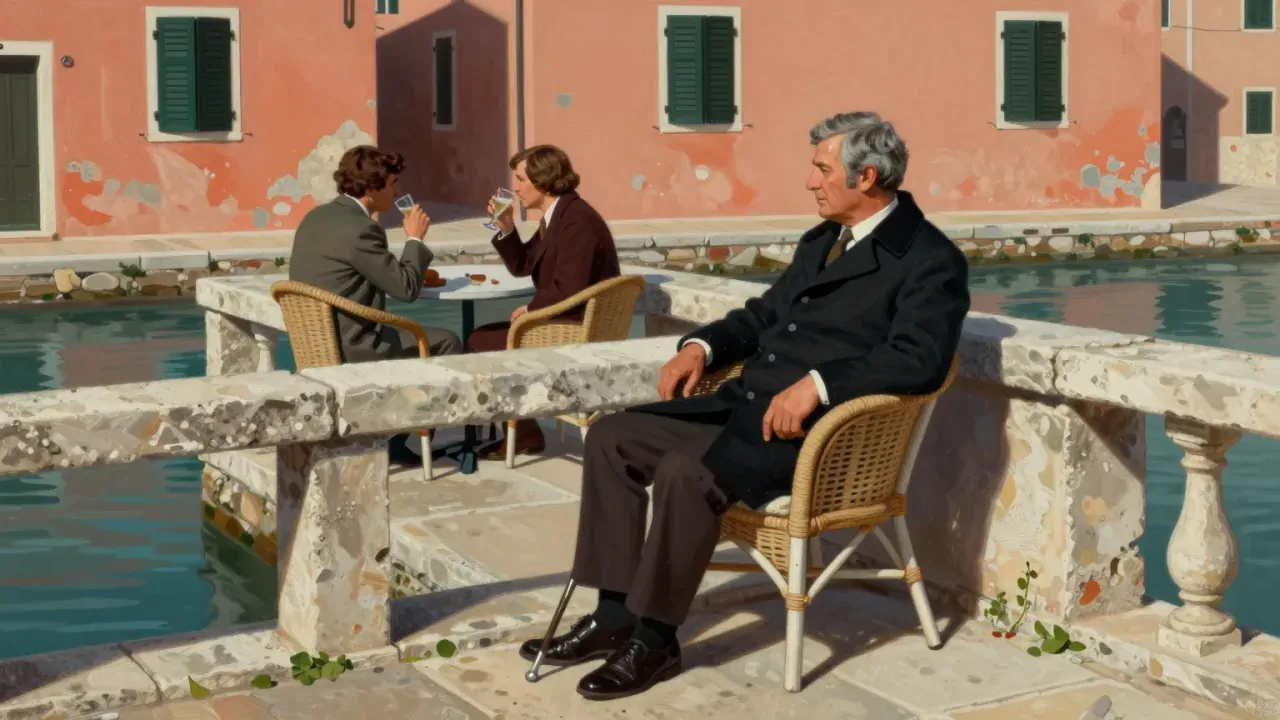
Luchino Visconti’s 1971 adaptation of Thomas Mann’s novella recasts its author protagonist as a composer and uses Mahler’s music, Pasqualino De Santis’s Technicolor cinematography, and Dirk Bogarde’s restrained performance to enact a slow, physical dissolution in Venice. Faithful in tone but not literal in detail, it prioritises mood, texture, and duration over narrative or psychology.

13:00

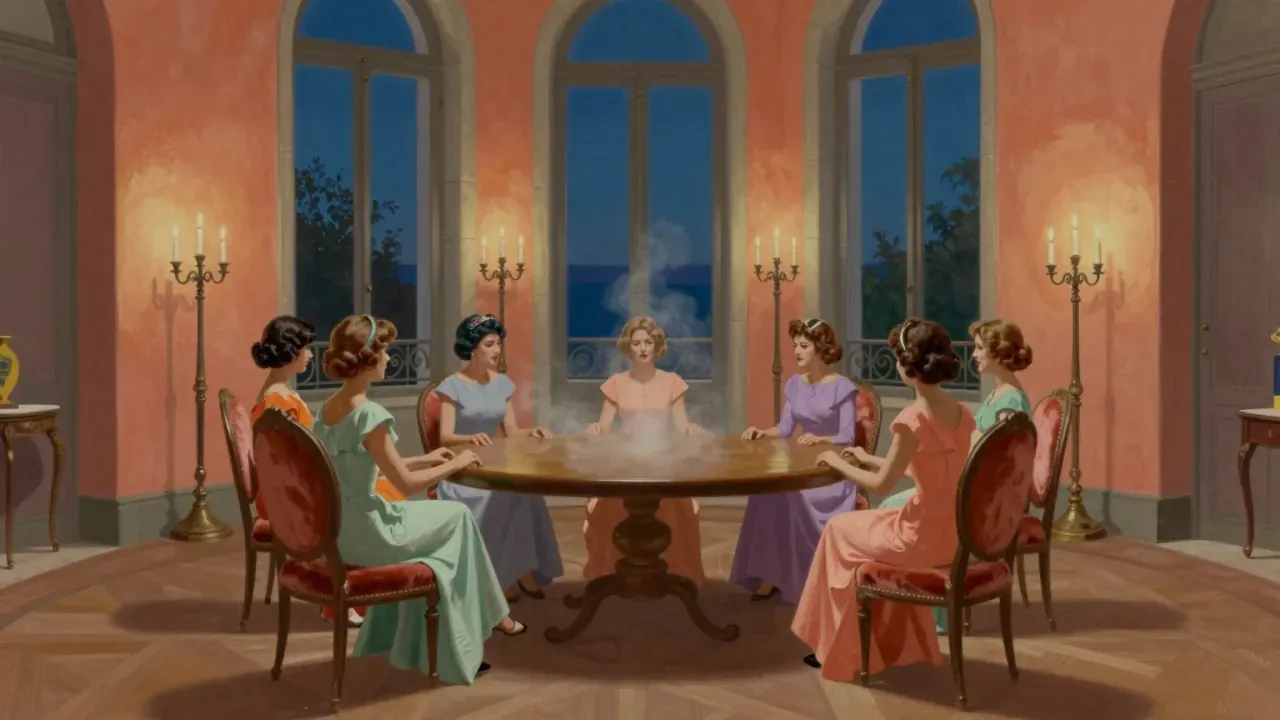
Juliet of the Spirits

Federico Fellini · 1965

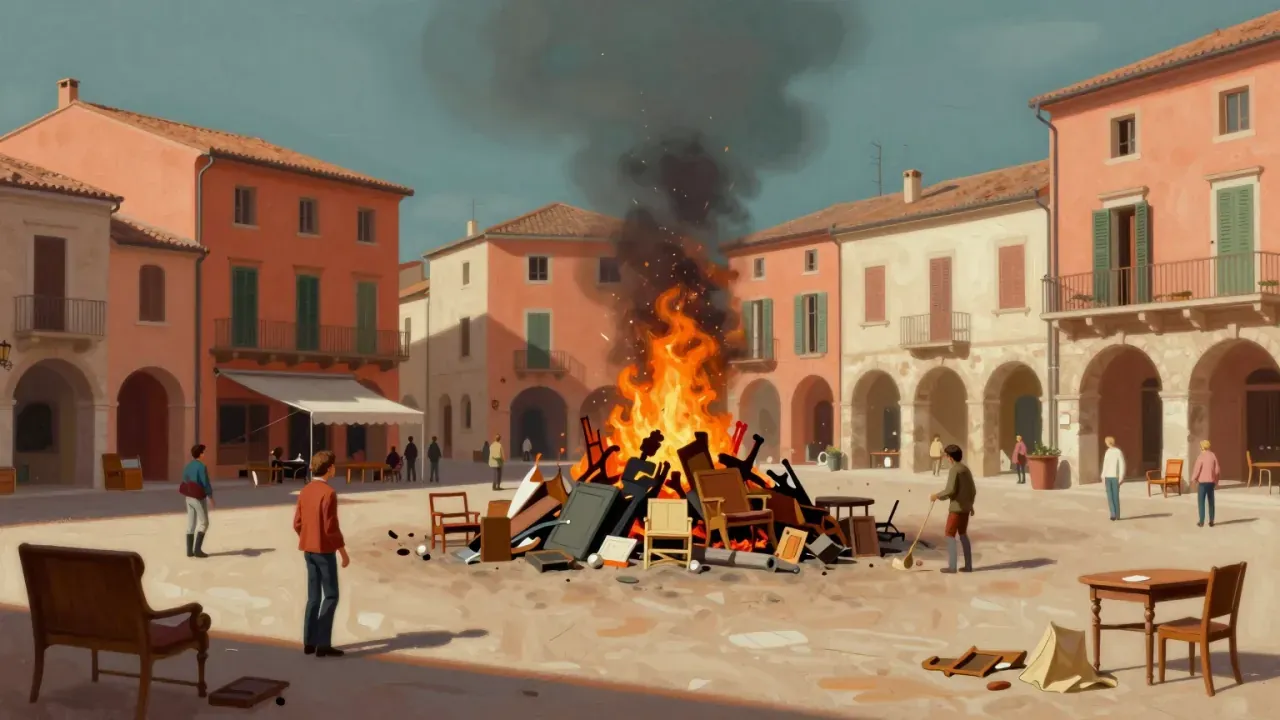
Federico Fellini’s 1965 Juliet of the Spirits is his first feature-length colour film, starring Giulietta Masina as a Roman housewife whose repressed inner life erupts in visions, memories and surreal encounters. Shot at Safa Palatino and Cinecittà Studios, it uses colour, costume and set design as primary tools to map a woman’s slow, non-linear path toward self-perception. Though nominated for two Academy Awards and widely acclaimed abroad, its reception in Italy was divided — some critics finding its baroque surfaces overwhelming its human core.