filmbriefs
Actor · 1911–1973

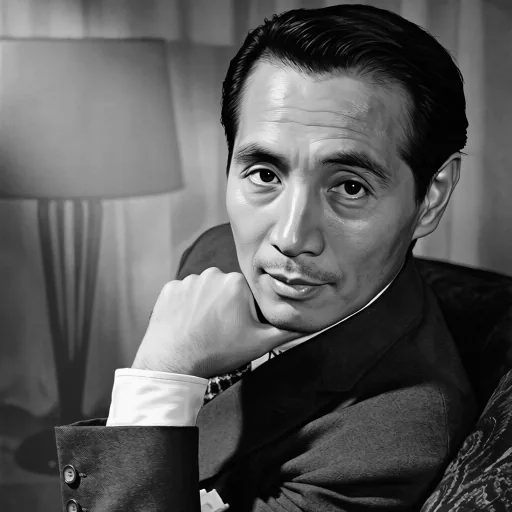
Masayuki Mori

10
briefs
13:00
average
130 min
in total
On film.briefs10
13:00

Love Letter

Kinuyo Tanaka · 1953

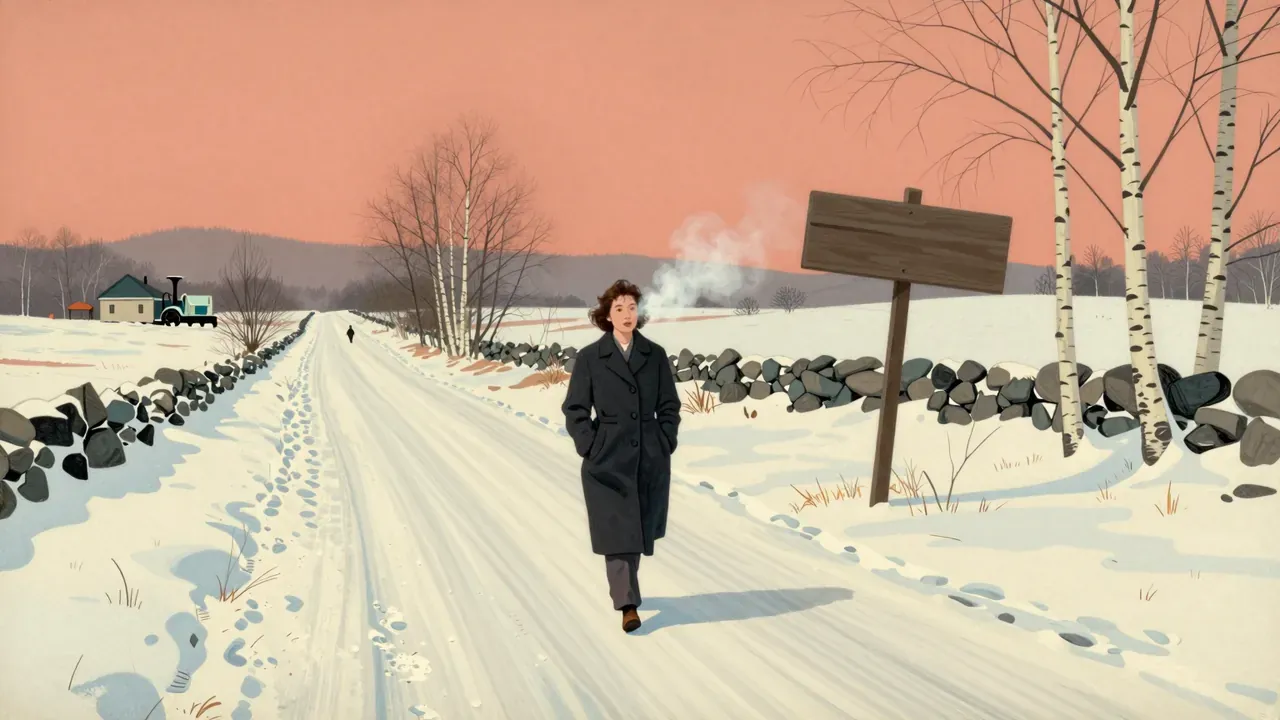
Kinuyo Tanaka’s 1953 directorial debut — adapted by Keisuke Kinoshita from Fumio Niwa’s novel — follows a returning veteran navigating family expectation, unspoken grief, and tentative reconnection in postwar Tokyo. Shot by Hiroshi Suzuki and scored by Ichirō Saitō, it trades plot for psychological texture, building meaning through restraint, repetition, and the weight of unsaid things.
13:00

Sanshiro Sugata Part II

Akira Kurosawa · 1945

Made in early 1945 for Toho, Sanshiro Sugata Part II follows Sanshiro Sugata’s training under judo’s founder, culminating in a symbolic boxing match against an American sailor. Directed and edited by Akira Kurosawa, with cinematography by Takeo Itō and music by Seiichi Suzuki, the film departs from the spiritual focus of its predecessor to assert judo’s moral and physical supremacy amid Japan’s wartime collapse. Its fights are tightly structured, its ideology unambiguous, its landscape functional rather than lyrical. It is less a character study than a controlled rehearsal of triumph — historically revealing, aesthetically restrained.

13:00

The Bad Sleep Well

Akira Kurosawa · 1960

Akira Kurosawa’s 1960 drama follows a man who marries into a corrupt Japanese corporation to expose the men responsible for his father’s suicide. Built on Hamlet’s spine but rooted in postwar Tokyo’s bureaucracy, it uses meticulous staging, restrained performances and a deliberate pace to dissect how power evades accountability. Though its opening sequences are masterful, its conclusion trades catharsis for quiet despair — a choice that clarifies its theme but tests the viewer’s stamina.

13:00

The Eternal Breasts

Kinuyo Tanaka · 1955

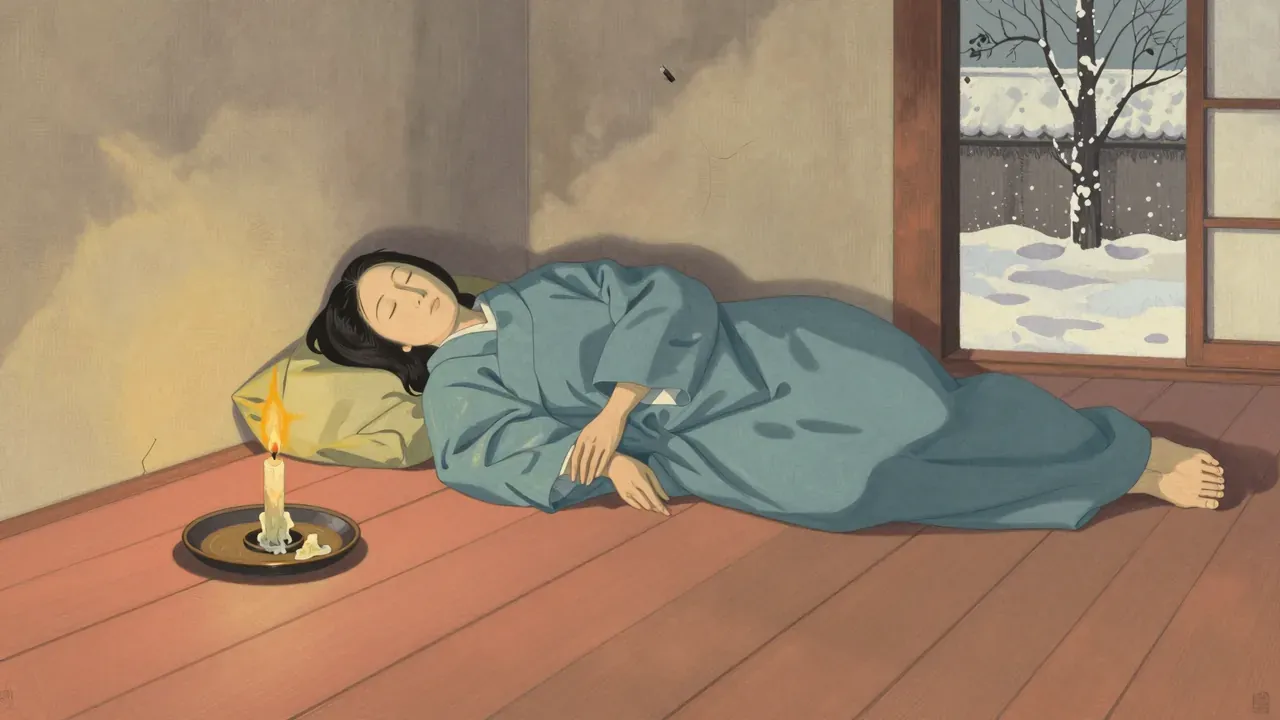
Kinuyo Tanaka’s 1955 film follows Fumiko Nakajō, a tanka poet diagnosed with late-stage breast cancer, as she navigates divorce, motherhood, literary ambition, and mortality. Shot on location in Hokkaidō, it avoids biopic conventions, favouring quiet observation over exposition. Yumeji Tsukioka anchors a restrained ensemble; Kumenobu Fujioka’s naturalistic cinematography and Takanobu Saitō’s sparse score support a film that values duration, physical detail, and unspoken tension over narrative closure or thematic pronouncement.

13:00

The Idiot

Akira Kurosawa · 1951

Akira Kurosawa’s 1951 The Idiot transposes Dostoevsky’s novel to post-war Hokkaido, following Kameda — a gentle, epileptic man returning home — as he becomes entangled with Taeko, a woman discarded by her wealthy patron, and Akama, a volatile heir. Shot in stark black-and-white and severely cut by Shochiku from its original 265-minute form, the film relies on restraint: minimal music, extended silences, performances built on micro-gestures. Its moral force lies in what it refuses — explanation, catharsis, resolution — making it a demanding but deeply resonant portrait of integrity in a compromised world.

13:00

The Men Who Tread on the Tiger's Tail

Akira Kurosawa · 1945

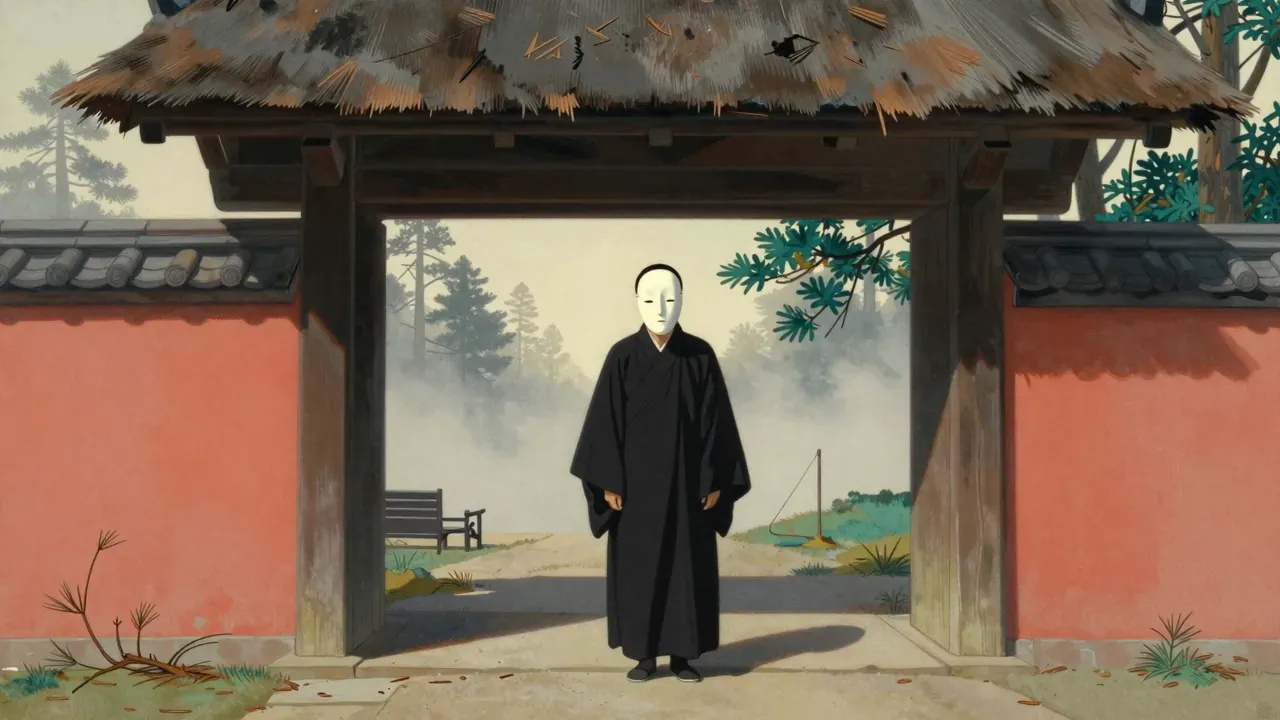
Akira Kurosawa’s 1945 film adapts a classical Japanese tale of disguise and deception at a border checkpoint. Made under severe wartime constraints — one set, minimal lighting, a script written overnight — it pits the solemnity of Noh theatre against the irreverent commentary of a low-status porter. Denjirō Ōkōchi’s Benkei anchors the ritual; Ken’ichi Enomoto’s porter destabilises it. The film is a study in economy, tension, and the performative nature of authority — austere, precise, and deeply intentional.

13:00

Ugetsu

Kenji Mizoguchi · 1953

Kenji Mizoguchi’s 1953 Ugetsu adapts two Edo-period ghost tales into a quiet, devastating portrait of war’s domestic toll. Set in 16th-century Japan, it follows a potter who abandons his wife for wealth and prestige, only to be ensnared by a spirit, while his brother-in-law pursues samurai status at his wife’s expense. Shot by Kazuo Miyagawa in low light and fluid crane movements, with a sparse, harp-accented score by Fumio Hayasaka, the film treats the supernatural not as spectacle but as consequence — a formal and thematic extension of loss. It won the Silver Lion at Venice and remains a benchmark of Japanese arthouse cinema.

13:00

Floating Clouds

Mikio Naruse · 1955

Mikio Naruse’s 1955 drama Floating Clouds follows Yukiko (Hideko Takamine) as she navigates love, poverty, and disillusionment in post-war Japan. Returning from French Indochina, she renews an affair with married engineer Kengo (Masayuki Mori), only to find his promises hollowed by circumstance. With no grand speeches or dramatic turns, the film traces her slow attrition through walks, waits, and silences—anchored by Takamine’s physically precise performance and Naruse’s unwavering restraint.

13:00

When a Woman Ascends the Stairs

Mikio Naruse · 1960

Mikio Naruse’s 1960 drama follows Keiko Yashiro, a Ginza hostess in her late twenties, as she navigates debt, familial obligation, sexual coercion and professional rivalry while trying to open her own bar. With quiet precision, it charts her daily endurance — not as heroism but as habit — against a society that treats her age, grief and autonomy as liabilities. Hideko Takamine’s restrained performance and Naruse’s unadorned direction make the ordinary unbearable and unforgettable.

13:00

Rashomon

Akira Kurosawa · 1950

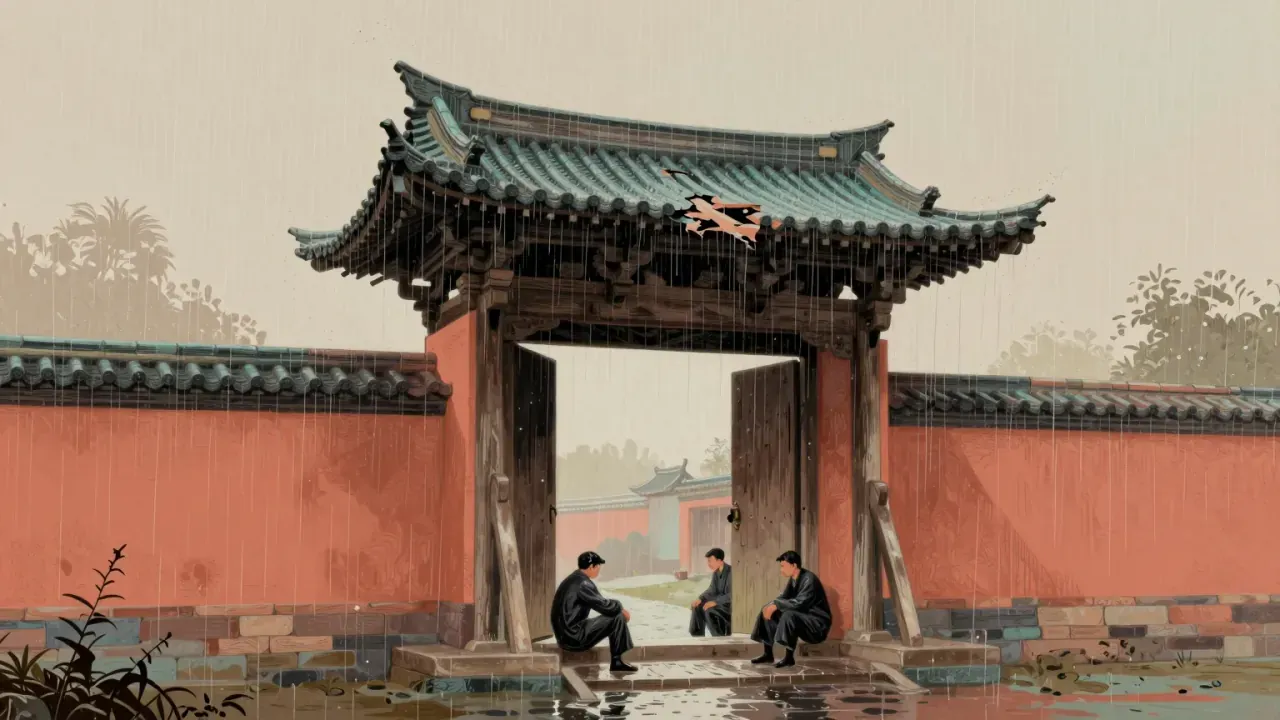
Akira Kurosawa's 1950 film gathers a woodcutter, a priest and a passer-by under the ruined Rashomon gate during a rainstorm as the first two recount a trial testimony about a samurai's death in a forest, told in turn by a captured bandit, the samurai's wife, the dead man himself through a medium, and finally the woodcutter who found the body. Shot by Kazuo Miyagawa, who pointed a camera directly into sunlight through forest canopy for the first time in Japanese studio film, and made for around $140,000, it won the Golden Lion at Venice and an honorary Academy Award, introducing much of the West to Japanese cinema in the process.