filmbriefs
Director · Screenwriter · Composer · Actor · Editor · Producer · 1900–1983

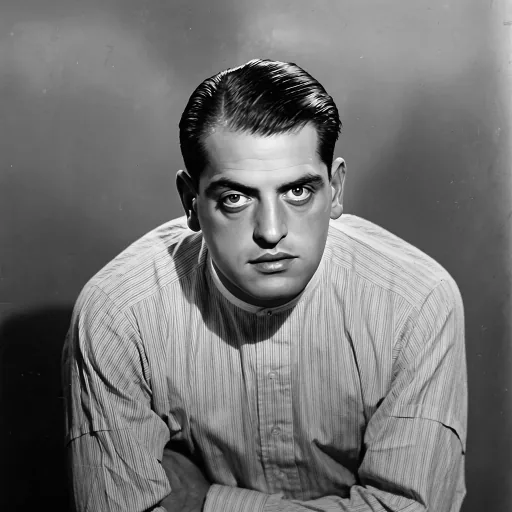
Luis Buñuel

12
briefs
13:00
average
156 min
in total
On film.briefs12
13:00

Diary of a Chambermaid

Luis Buñuel · 1964

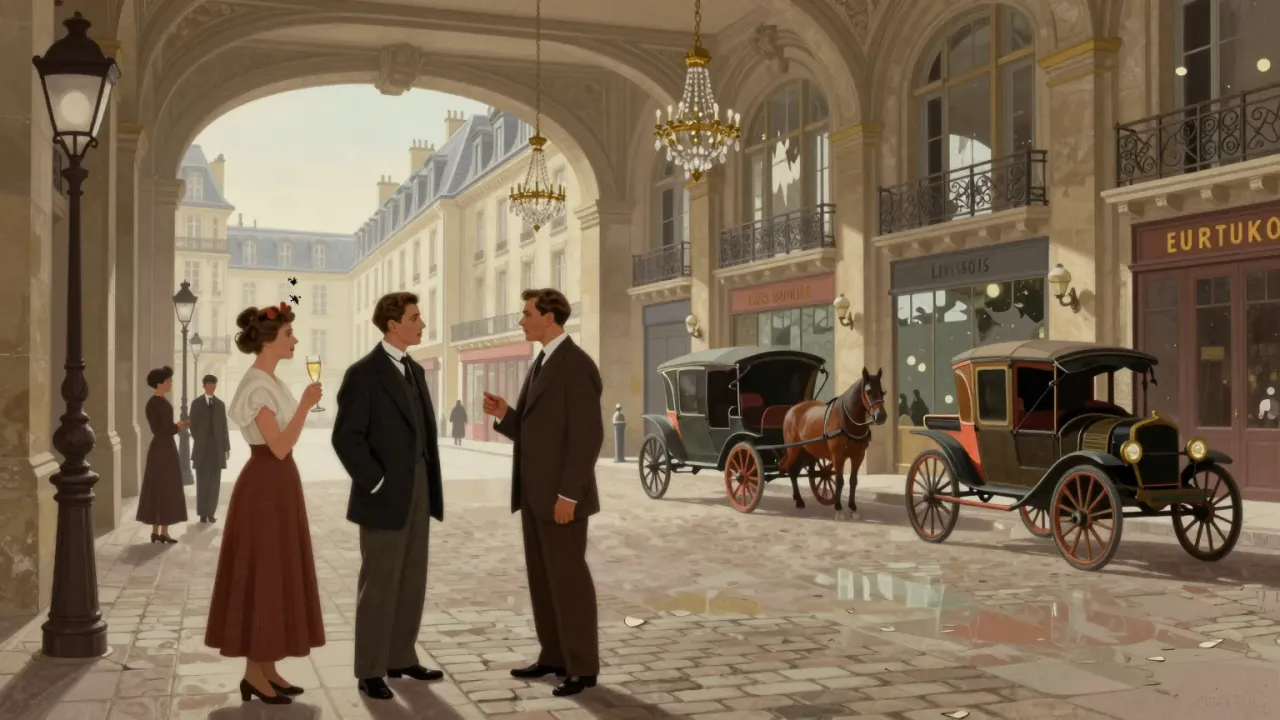
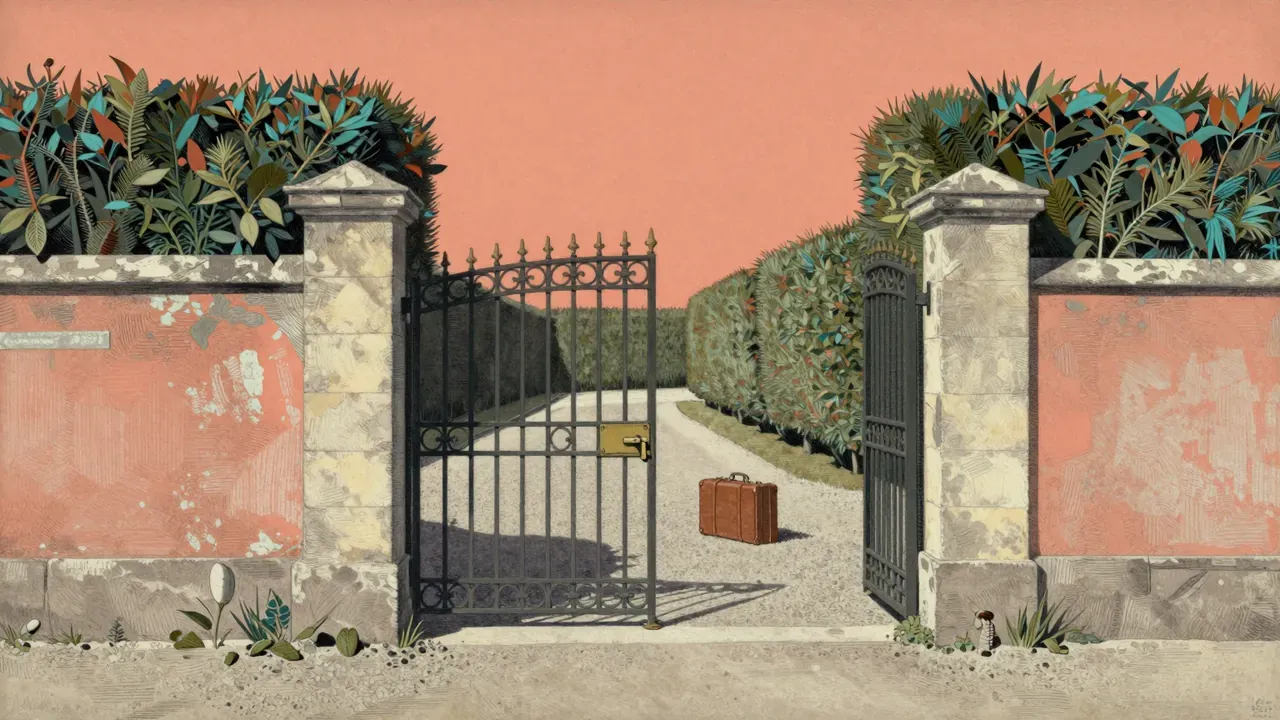
Luis Buñuel’s 1964 Diary of a Chambermaid adapts Octave Mirbeau’s novel with Jean-Claude Carrière, following Jeanne Moreau’s Célestine as she navigates a decaying provincial household in late-1920s France. Rejecting surrealism for restrained realism, the film traces how power, prejudice and violence settle into routine — through glances, footwear, leaflets and wills. Roger Fellous’ cinematography treats interiors like crime scenes; Moreau’s performance hinges on withheld reaction. It ends not with justice but consolidation: the system endures, reshaped but intact.
13:00

Él

Luis Buñuel · 1953

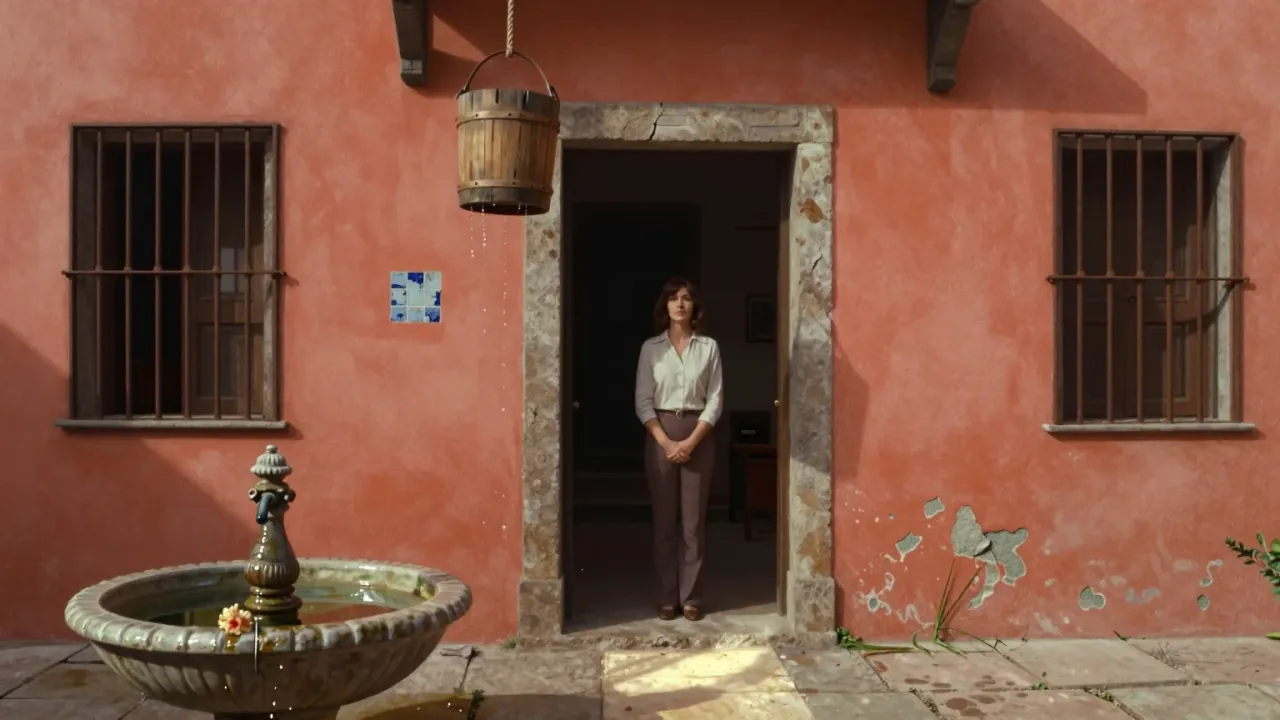
Luis Buñuel’s 1953 Mexican drama Él follows Francisco, a bourgeois husband whose obsessive jealousy isolates and terrorises his wife Gloria. Adapted from Mercedes Pinto’s novel, the film uses rigorous realism — Gabriel Figueroa’s cinematography, restrained performances, and a tightly controlled structure — to dissect how paranoia functions not as breakdown but as coherent, socially reinforced logic. Its power lies in plausibility, not shock.

13:00

Simon of the Desert

Luis Buñuel · 1965

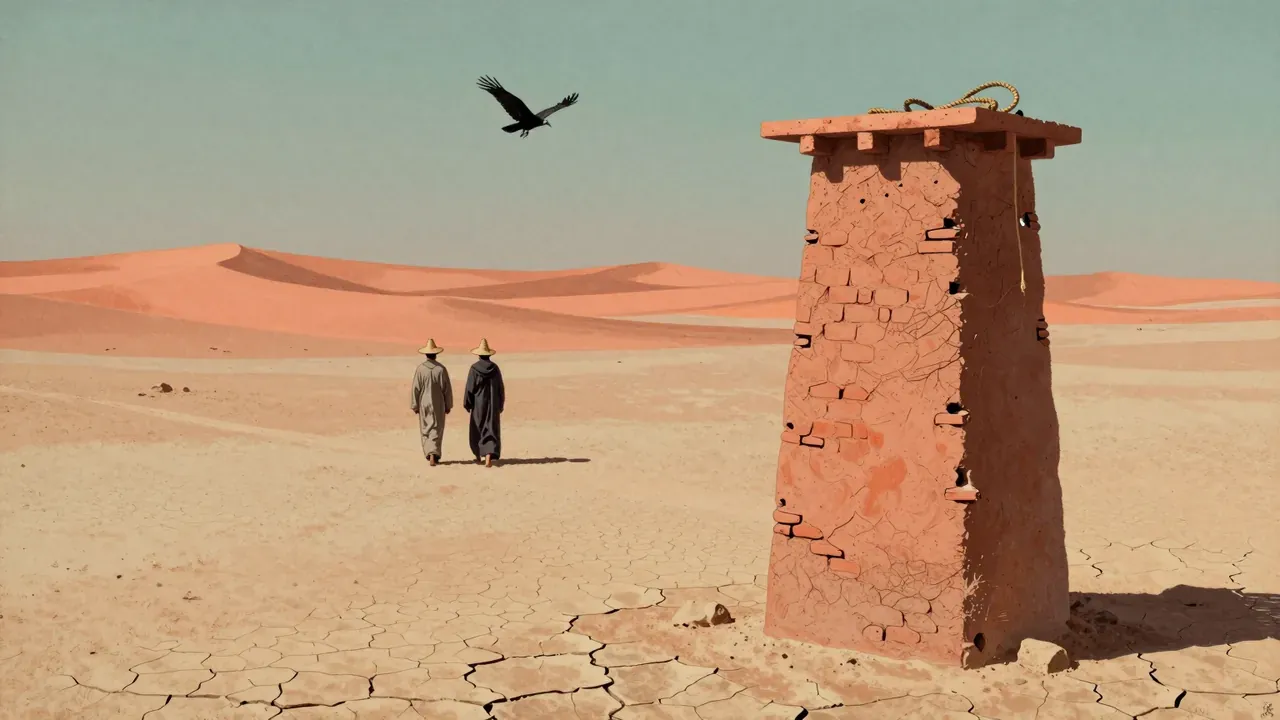
Luis Buñuel’s 1965 Simon of the Desert follows a sixth-century ascetic who lives atop a pillar in the Syrian desert — until Satan transports him to a 1960s New York nightclub. Shot by Gabriel Figueroa in the Samalayuca Dune Fields and edited with surgical restraint, the film uses Claudio Brook’s still, weary Simón to dissect the fragility of spiritual authority, the absurdity of purity, and the quiet violence of being watched. At 45 minutes, it is both complete and unresolved — a dry, precise, and deeply unsettling work of surrealist satire.

13:00

The Milky Way

Luis Buñuel · 1969

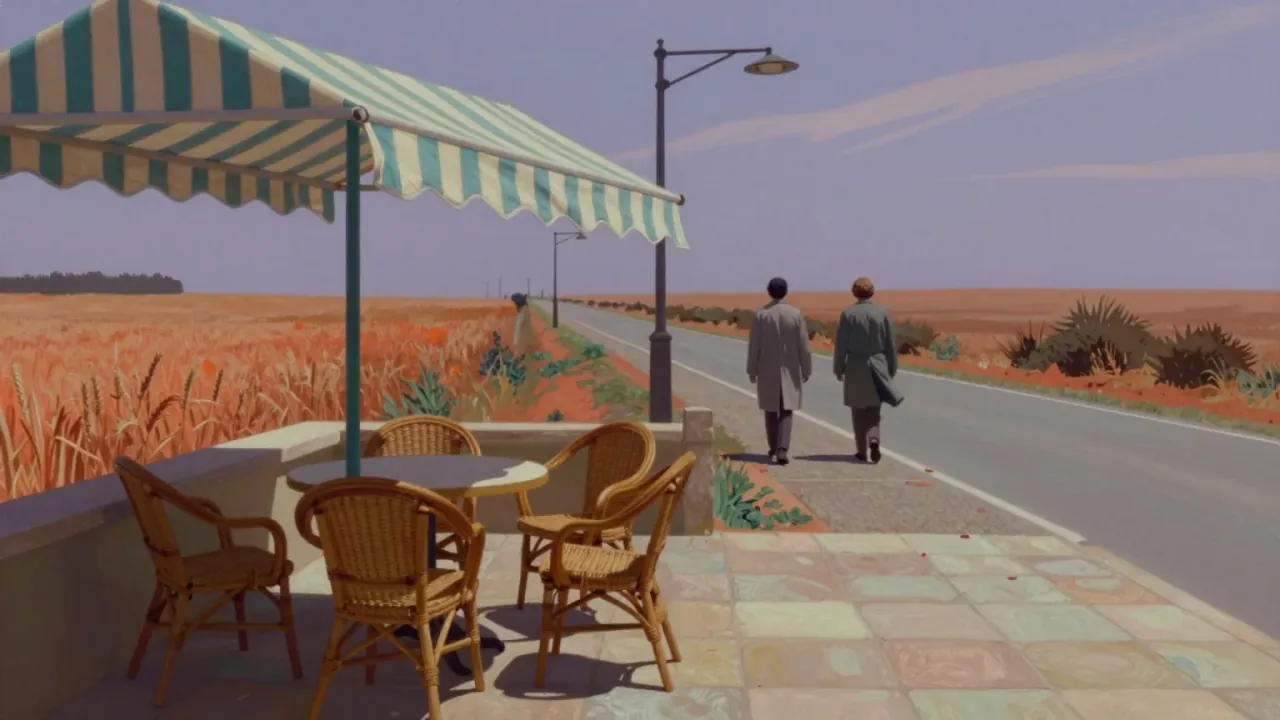
Luis Buñuel’s 1969 film follows two French vagrants walking the Camino de Santiago, encountering historical Christian heresies, doctrinal disputes, and theological contradictions staged with documentary precision and surrealist detachment. Shot in straightforward colour by Christian Matras and written by Buñuel and Jean-Claude Carrière, it treats dogma as performance, time as collapse, and pilgrimage as recursion — not redemption.

13:00

The Phantom of Liberty

Luis Buñuel · 1974

Luis Buñuel’s 1974 surrealist film stitches together unrelated episodes — a firing squad in Toledo, a Parisian dinner around toilets, a missing girl no one sees — linked only by chance and recurring motifs. With Edmond Richard’s unadorned cinematography and Hélène Plemiannikov’s elliptical editing, it dismantles narrative, decorum and causality to expose the arbitrariness of social order. A late-career distillation of Buñuel’s belief that liberty is illusory, governed not by will but by accident and impulse.

13:00

The Exterminating Angel

Luis Buñuel · 1962

Luis Buñuel’s 1962 Mexican surrealist film follows eighteen wealthy guests trapped in a mansion after a dinner party, unable to cross the threshold despite no physical barrier. Shot in six weeks by Gabriel Figueroa, with a sparse score by Raúl Lavista and editing by Carlos Savage, it uses repetition, stillness, and behavioural precision to dissect ritual, class, and collective inertia. It premiered at Cannes, won the FIPRESCI Prize, and remains a cornerstone of arthouse and comic-horror traditions.

13:00

Viridiana

Luis Buñuel · 1961

Luis Buñuel’s 1961 Palme d’Or winner adapts Pérez Galdós into a stark Mexican drama about a novice nun whose vow of poverty unravels when she tries to run an almshouse for beggars. Shot in flat, frontal compositions by José Fernández Aguayo and edited with deliberate stillness by Pedro del Rey, it uses silence, repetition, and ritual mimicry to expose the fragility of moral systems. The film’s power lies in its refusal to explain, judge, or resolve — making it essential arthouse viewing, though demanding for those who seek narrative clarity or psychological warmth.

13:00

Belle de Jour

Luis Buñuel · 1967

Luis Buñuel’s 1967 film follows Séverine Serizy, a Parisian housewife who spends weekday afternoons working as a high-class prostitute. Catherine Deneuve’s performance anchors a film defined by restraint: Sacha Vierny’s cool cinematography, Michel Magne’s sparse score, and a script that refuses psychological exposition. It treats fantasy not as illusion but as a parallel system of order — one that structures time, desire, and selfhood. The ending is deliberately ambiguous, looping back into uncertainty rather than resolution.

13:00

L’Age d’Or

Luis Buñuel · 1930

L’Age d’Or (1930) is a foundational surrealist film by Luis Buñuel and Salvador Dalí, financed by aristocratic patrons and banned within weeks of its Paris premiere. Composed of jarring, non-sequential vignettes, it charts a couple’s thwarted passion amid scenes of institutional absurdity — religious ceremony, high society, and de Sadean fantasy. Its power lies in rhythmic disruption, not narrative logic; in visual provocation, not psychological depth. Though historically significant and formally audacious, its hostility to coherence and empathy makes it demanding, not diverting.

13:00

That Obscure Object of Desire

Luis Buñuel · 1977

Luis Buñuel’s 1977 swan song adapts Pierre Louÿs’s novel into a stark, absurdist study of erotic fixation. Fernando Rey plays Mathieu, a wealthy Frenchman obsessed with Conchita — portrayed interchangeably by Carole Bouquet and Ángela Molina. Framed as a train confession and punctuated by unexplained terrorist violence, the film refuses psychological coherence, using repetition, structural disjunction, and deadpan tone to embody desire as irrational, inescapable, and faintly ridiculous.

13:00

The Discreet Charm of the Bourgeoisie

Luis Buñuel · 1972

Luis Buñuel’s 1972 surrealist comedy follows a group of French bourgeois and a South American ambassador as they repeatedly fail to share a meal. Structured around five thwarted gatherings and four interwoven dreams, the film uses repetition, deadpan performance, and seamless shifts between reality and fantasy to dissect ritual, class, and the quiet violence of politeness. Shot by Edmond Richard and edited by Hélène Plemiannikov, it won the 1973 Academy Award for Best International Feature Film.

13:00

Un Chien Andalou

Luis Buñuel · 1929

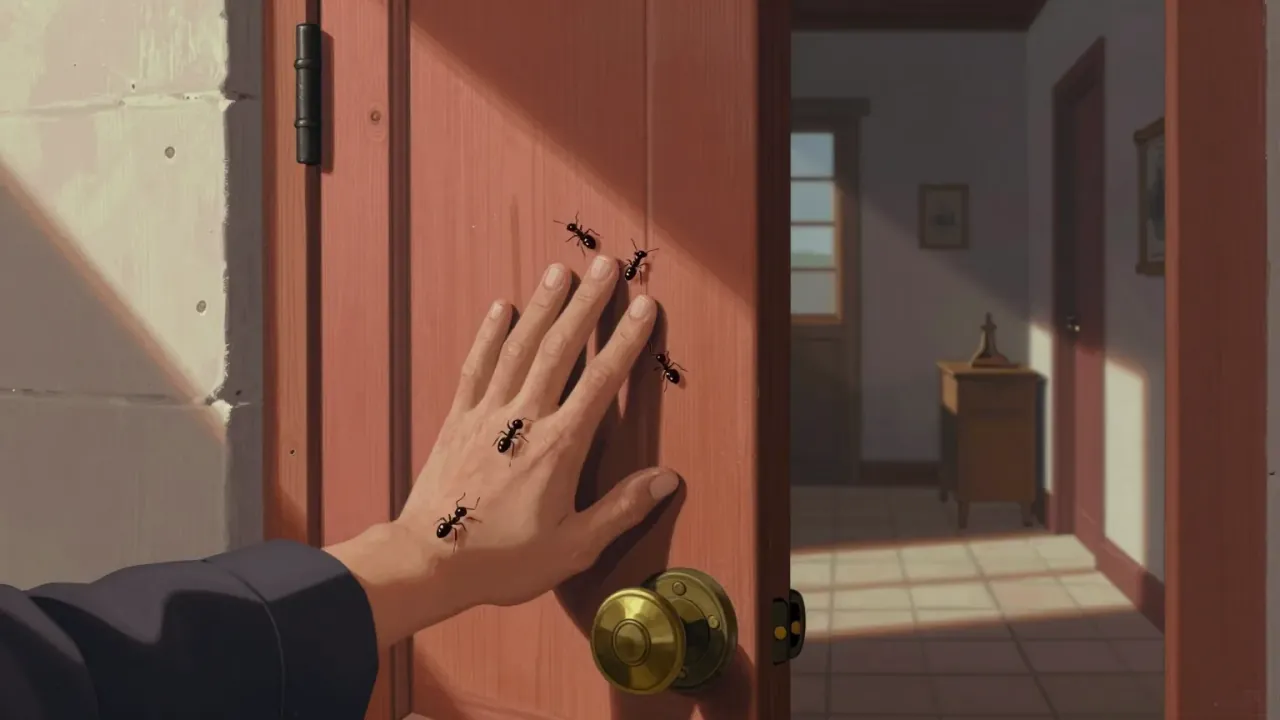
A 1929 French silent short co-written and directed by Luis Buñuel and Salvador Dalí, Un Chien Andalou rejects narrative, chronology and symbolism in favour of dream-logic assembled from two shared dreams. Filmed in black-and-white over ten days, it deploys stark imagery — a sliced eye, ants from a hand, pianos dragging dead donkeys — with clinical precision. Its sixteen minutes offer no resolution, no character psychology, no moral framework: only a sustained, principled refusal of sense.