filmbriefs
Actor · Producer · 1938

Liv Ullmann

13
briefs
13:00
average
169 min
in total
On film.briefs13
13:00

Autumn Sonata

Ingmar Bergman · 1978

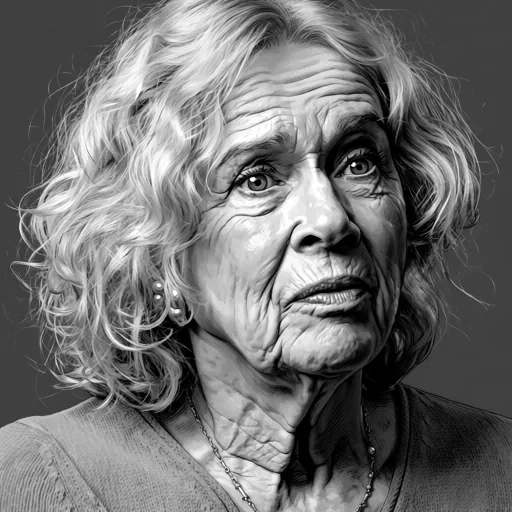
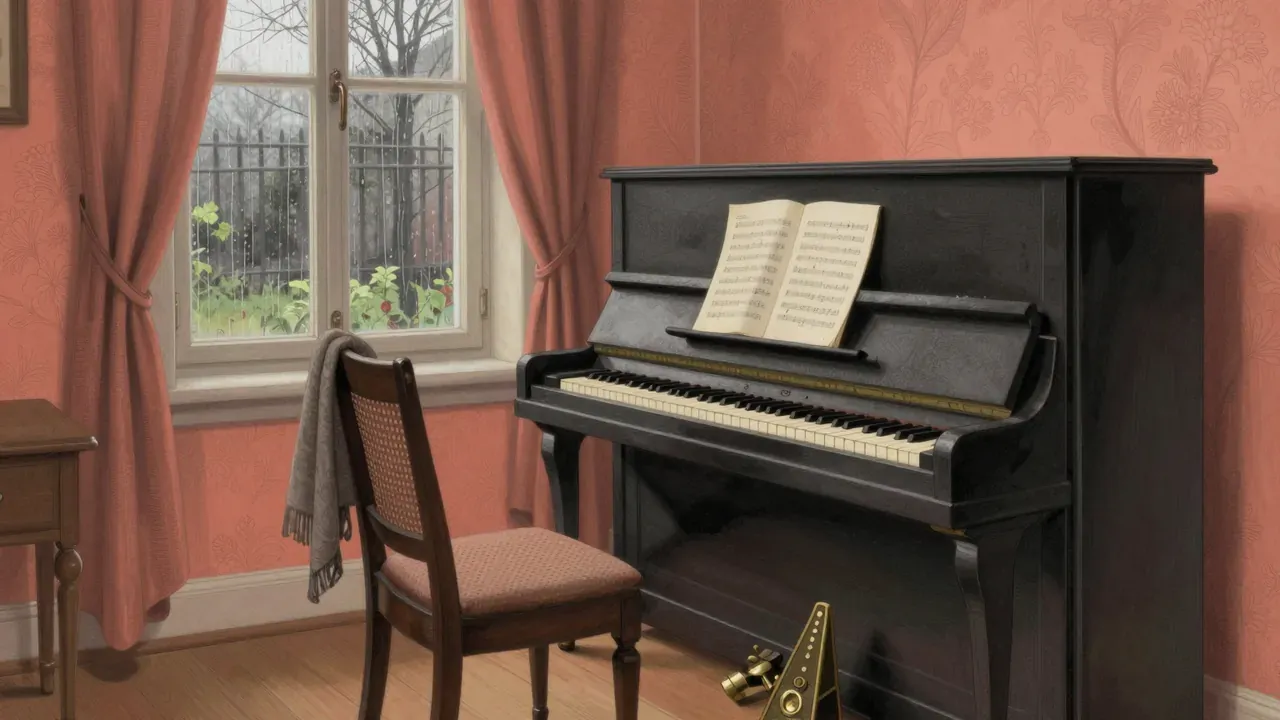
Ingmar Bergman’s 1978 drama centres on pianist Charlotte and her daughter Eva, who invite her to their rural Swedish home after seven years apart. Over two days, suppressed grief, resentment, and guilt surface in a series of tightly framed confrontations. Shot by Sven Nykvist in muted tones, with Chopin’s Prelude No. 2 as its only musical motif, the film sustains emotional intensity through stillness, silence, and the physical proximity of Ingrid Bergman and Liv Ullmann. It is Bergman’s last theatrically released film and Ingrid Bergman’s final screen role.
13:00

Hour of the Wolf

Ingmar Bergman · 1968

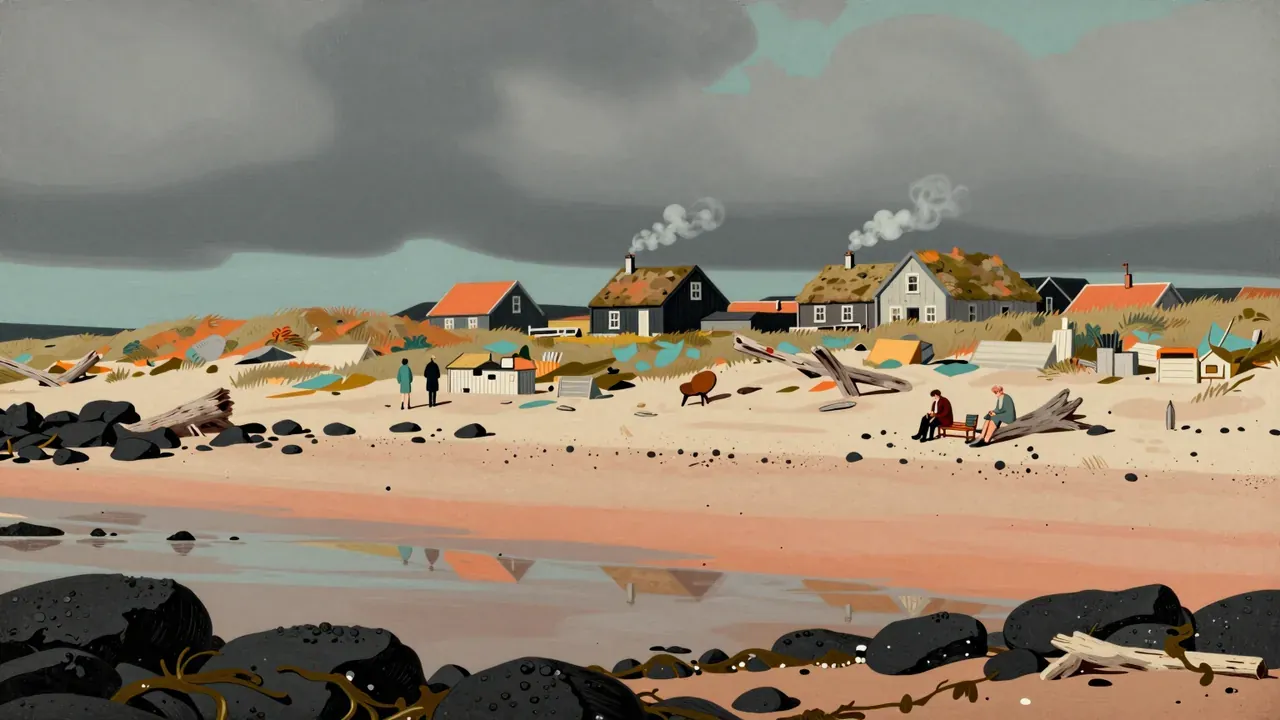
Ingmar Bergman’s 1968 Hour of the Wolf is a psychological horror film starring Max von Sydow and Liv Ullmann as a painter and his wife isolated on a Swedish island. As his visions intensify and his sleep fails, the line between hallucination and reality dissolves. Shot by Sven Nykvist on Fårö and Hovs Hallar, it uses stark naturalism to frame surreal imagery, with Johann Sebastian Bach and Lars Johan Werle on the soundtrack. It explores artistic collapse, intimacy under strain, and the unreliability of perception — not as metaphor, but as lived condition.

13:00

Ingrid Bergman: In Her Own Words

Stig Björkman · 2015

Stig Björkman’s 2015 documentary assembles Ingrid Bergman’s letters, diaries, and home movies into a first-person portrait, voiced by Alicia Vikander and Melinda Kinnaman. Interviews with her children and peers provide grounded counterpoint. Structured chronologically and sparingly scored, it privileges Bergman’s voice over analysis—succeeding where her writing is rich, thinning where it ends.

13:00

Saraband

Ingmar Bergman · 2003

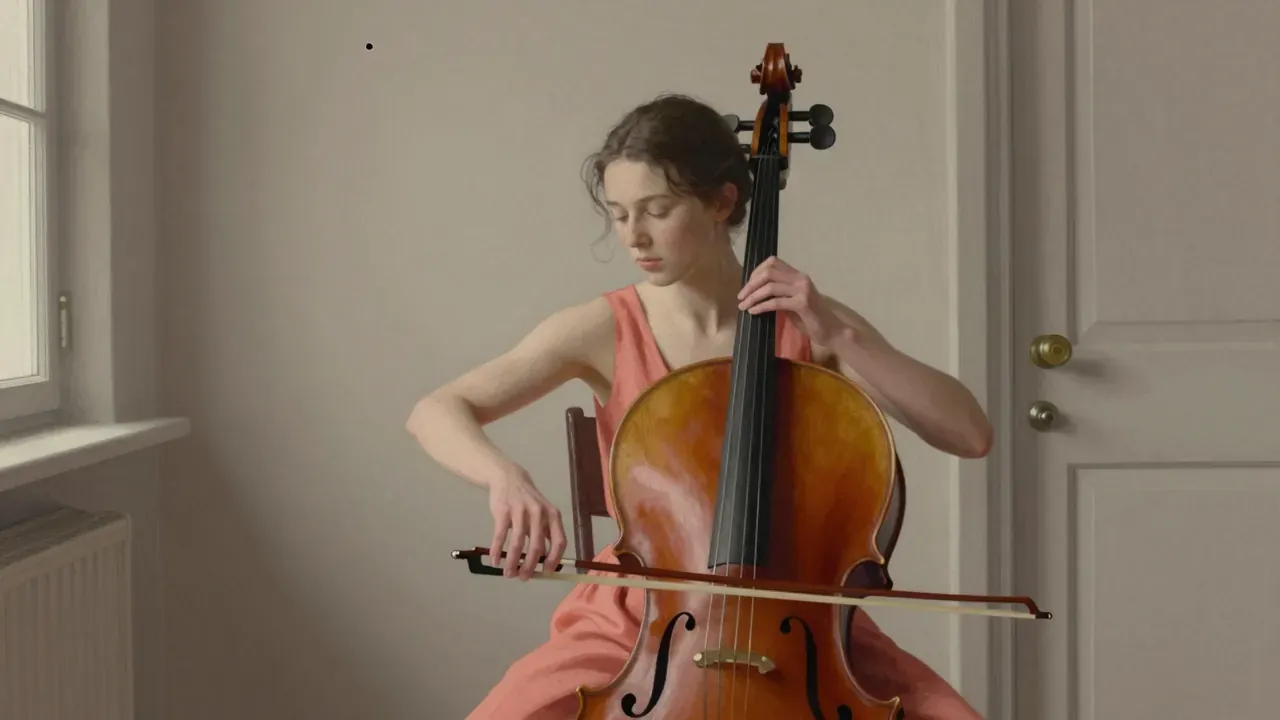
Saraband (2003) is Ingmar Bergman’s last film — a quiet, formally restrained drama revisiting Marianne and Johan from Scenes from a Marriage, now in their seventies. Set in Sweden and structured around ten acts, it traces intergenerational tension through Johan’s troubled relationship with his son Henrik and granddaughter Karin, while Marianne reflects on love, loss, and the persistence of feeling across time. Shot for television by Sveriges Television, it features Liv Ullmann and Erland Josephson reprising their roles, with music drawn exclusively from Bach’s Cello Suites.

13:00

Shame

Ingmar Bergman · 1968

Ingmar Bergman’s 1968 Shame follows violinist-turned-farmer couple Jan and Eva Rosenberg as civil war invades their isolated Swedish island life. With no named factions or ideologies, the film traces how violence corrodes language, intimacy, and moral coherence — not through spectacle, but through withheld gestures, miniature war effects, and Sven Nykvist’s bleached, claustrophobic cinematography. Liv Ullmann and Max von Sydow perform with devastating restraint, embodying shame not as emotion but as structural failure.

13:00

The Emigrants

Jan Troell · 1971

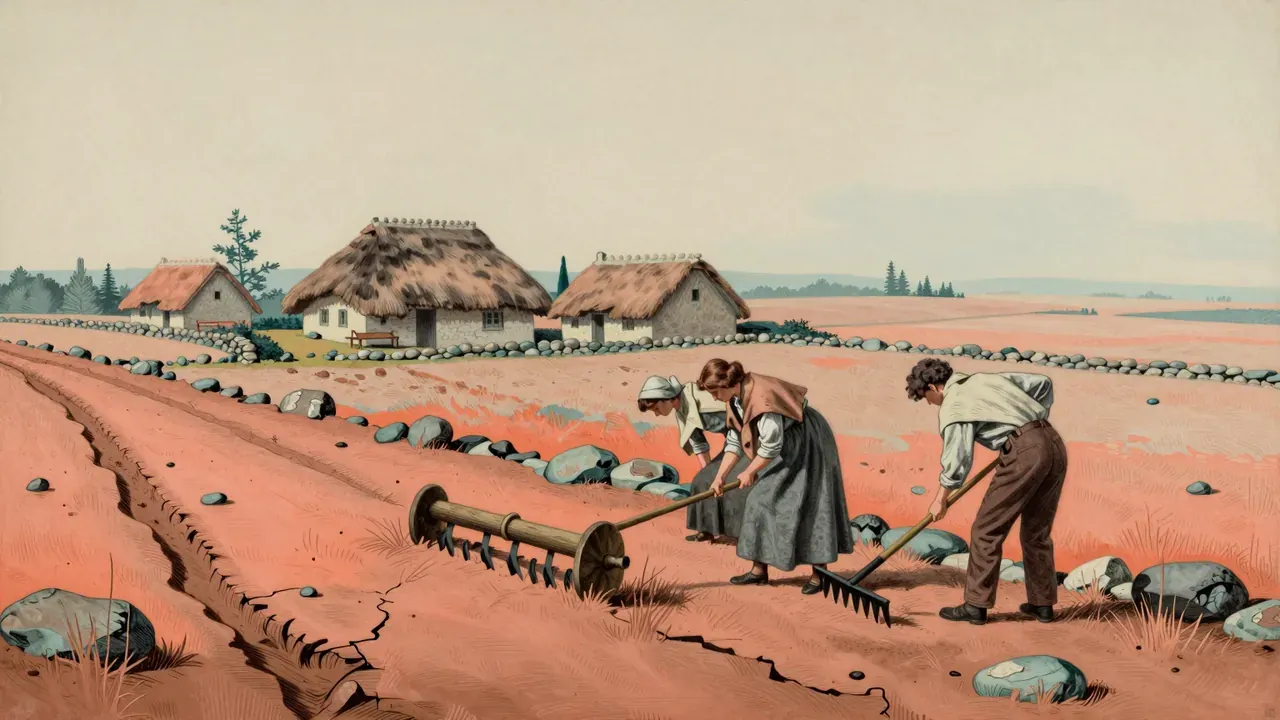
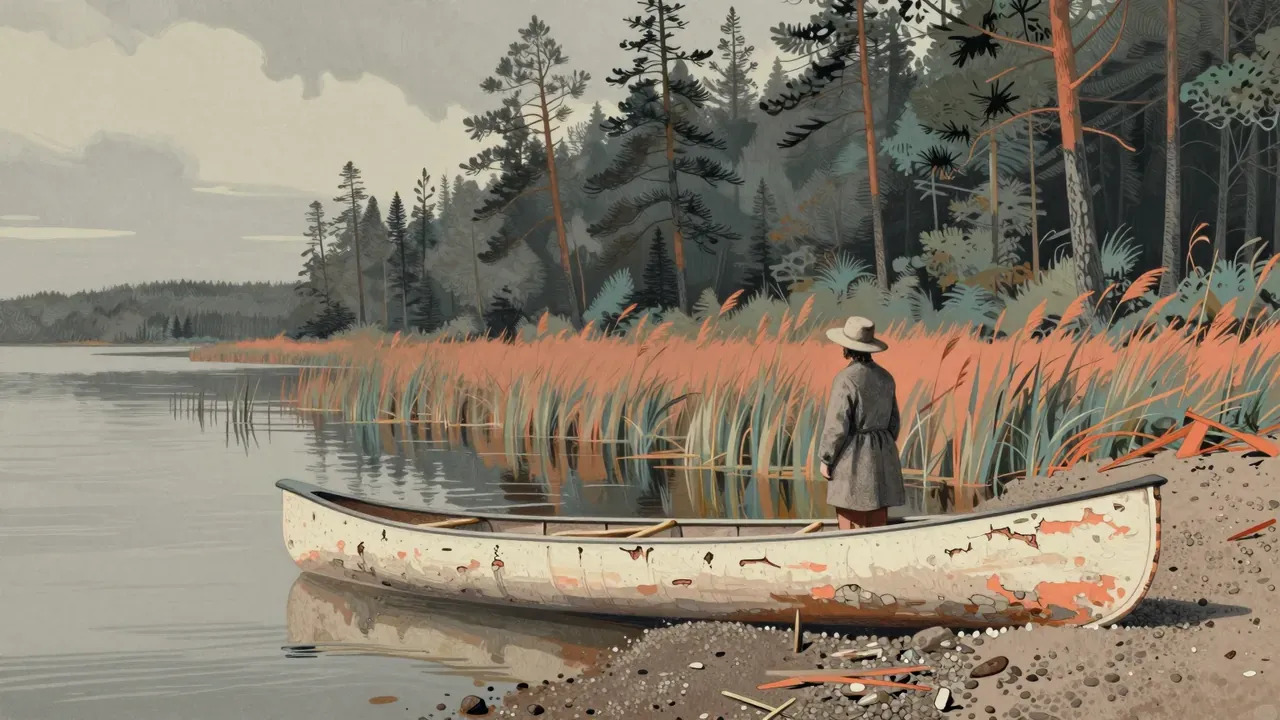
Jan Troell’s 1971 Swedish drama adapts Vilhelm Moberg’s novels about 1840s emigrants from Småland to Minnesota. Shot, written, and edited by Troell, it follows Karl Oskar and Kristina Nilsson through hardship, loss, and arduous journey, anchoring grand historical movement in physical detail: blistered hands, frozen laundry, carved names on trees. With Max von Sydow and Liv Ullmann, it avoids sentimentality, favouring duration, restraint, and environmental realism. Though occasionally pictorial, its power lies in cumulative, unsentimental fidelity to endurance.

13:00

The Magic Flute

Ingmar Bergman · 1975

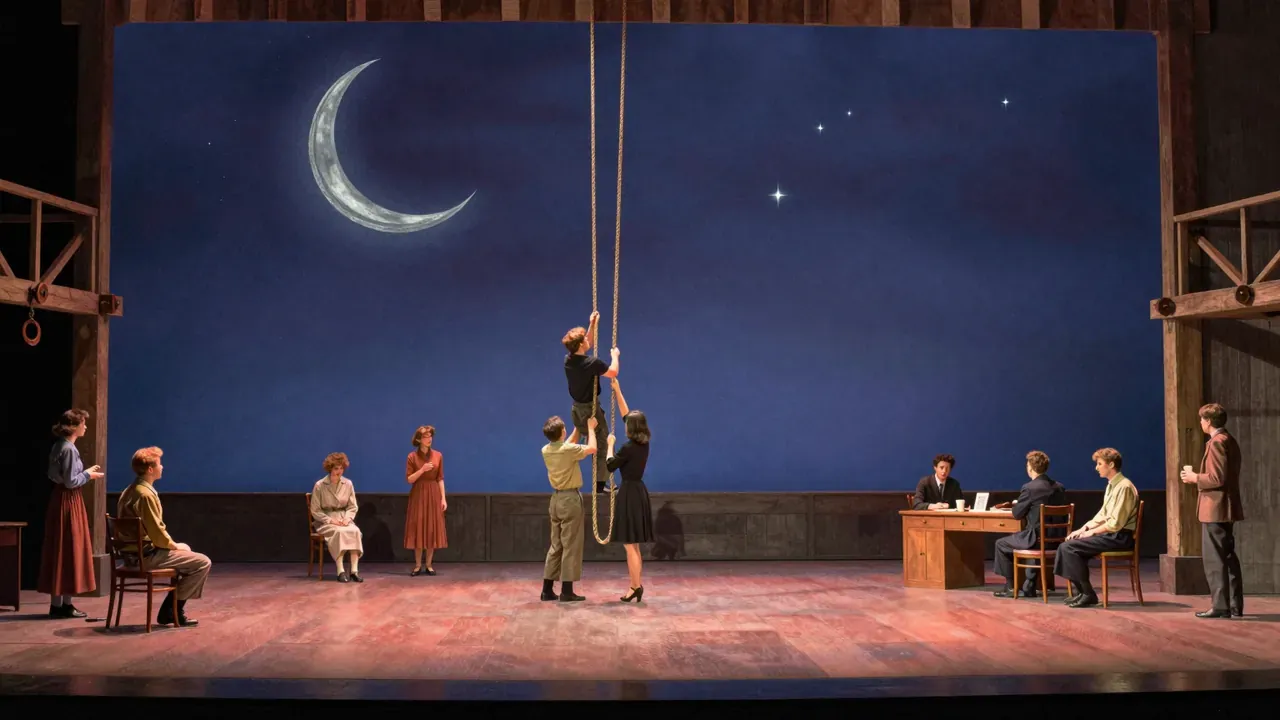
Ingmar Bergman’s 1975 film of Mozart’s The Magic Flute is a meticulous recreation of an eighteenth-century theatrical experience, shot in studio with a replica of the Drottningholm Palace Theatre. Using pre-recorded music and mimed performance, it foregrounds stagecraft, audience presence, and symbolic clarity over psychological realism or cinematic flourish. Its power lies in fidelity to ritual, not narrative.

13:00

The New Land

Jan Troell · 1972

Jan Troell’s 1972 epic The New Land completes his adaptation of Vilhelm Moberg’s emigration novels, following Swedish settlers in 1850s Minnesota as they clear land, raise children, suffer loss, and confront violence — including the Dakota War of 1862. Shot concurrently with its predecessor The Emigrants, it shares the same cast, crew, and patient, tactile realism. At 204 minutes, it unfolds with deliberate slowness, trusting duration over drama. Though acclaimed for its performances and craft, its portrayal of Indigenous people remains framed entirely through settler consciousness — a limitation neither disguised nor addressed.

13:00

The Passion of Anna

Ingmar Bergman · 1969

Set on Fårö in 1969, Ingmar Bergman’s The Passion of Anna traces the slow collapse of four isolated people — Andreas, Anna, Eva, and Elis — bound by grief, deception, and unspoken violence. Shot by Sven Nykvist and performed with austere precision by Max von Sydow and Liv Ullmann, it uses fractured chronology, direct-to-camera interviews, and recurring images of cruelty to examine how moral failure migrates through relationships. Not a sequel but a companion to Shame, it offers no catharsis — only stark articulation.

13:00

The Serpent's Egg

Ingmar Bergman · 1977

Set in 1923 Berlin, Ingmar Bergman’s The Serpent’s Egg follows Abel Rosenberg, a broken trapeze artist drawn into a world of medical experimentation, prostitution, and state surveillance. Shot in Munich with Sven Nykvist, it is a deliberately oppressive drama about the moral erosion preceding fascism — technically assured but narratively opaque, admired by some for its austerity, dismissed by others as shapeless and detached.

13:00

Cries and Whispers

Ingmar Bergman · 1972

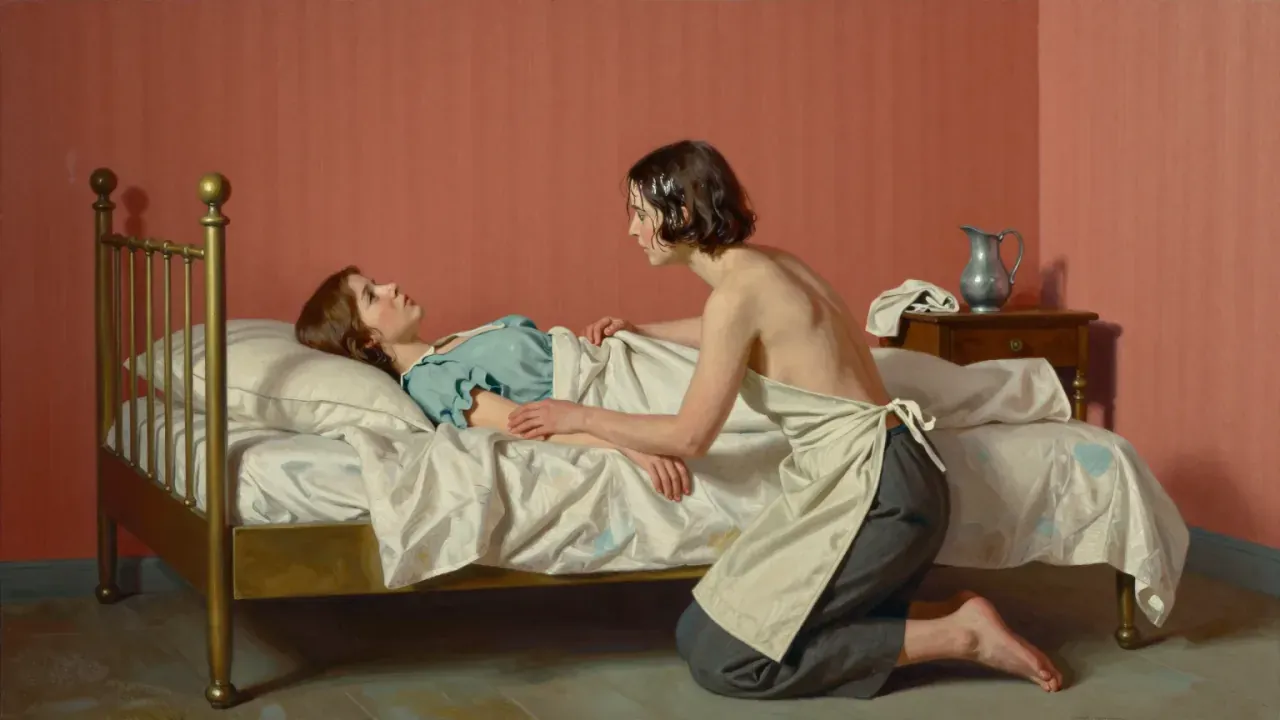
Ingmar Bergman’s 1972 Cries and Whispers is a formally rigorous Swedish drama set in a red-walled 19th-century mansion, where three sisters and a maid attend to Agnes as she dies of cancer. Shot by Sven Nykvist in saturated colour, it prioritises gesture, texture and duration over exposition or psychology, treating grief, faith and intimacy as bodily, not verbal, conditions. It won the Academy Award for Best Cinematography and remains a benchmark of arthouse restraint.

13:00

Scenes from a Marriage

Ingmar Bergman · 1974

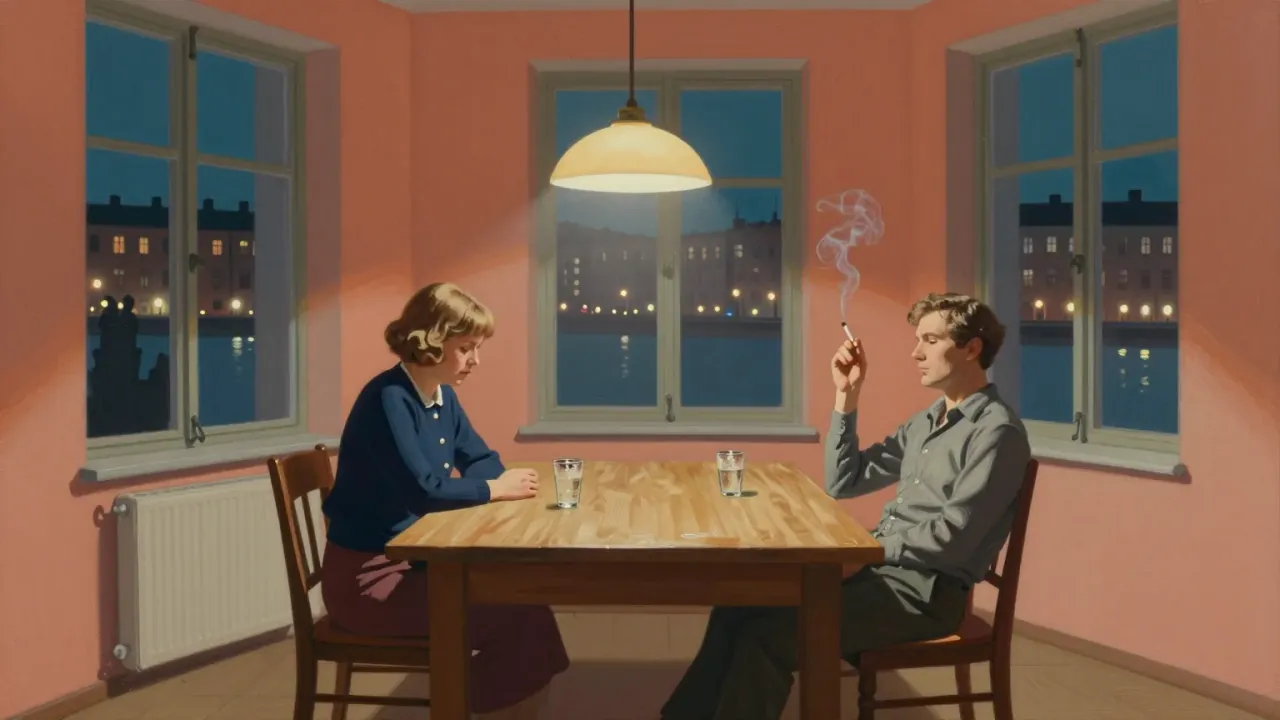
Ingmar Bergman’s 1974 Scenes from a Marriage follows a Swedish couple’s decade-long marital unraveling through six intimate, dialogue-driven episodes. Shot by Sven Nykvist and performed with unsparing naturalism by Liv Ullmann and Erland Josephson, it treats domestic life as a site of existential exposure — where love, resentment, and habit coexist without hierarchy. Its power lies in cumulative detail, not plot.

13:00

Persona

Ingmar Bergman · 1966

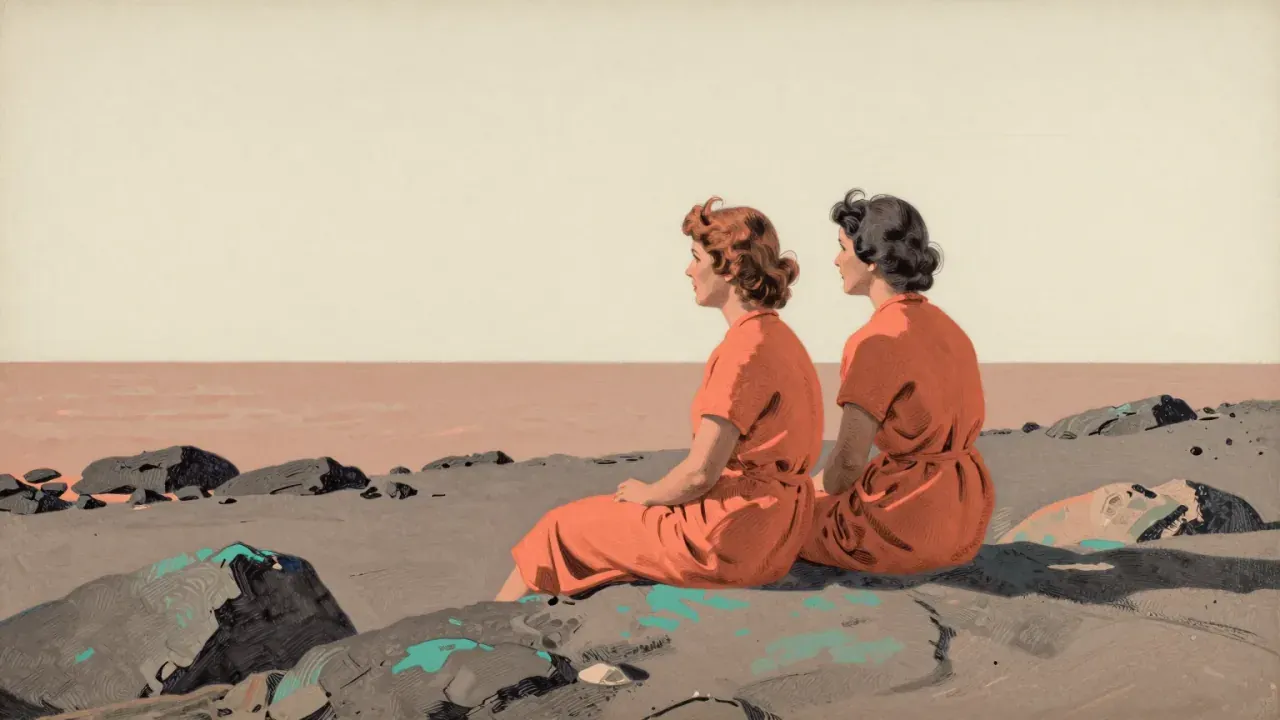
Ingmar Bergman's 1966 film pairs Elisabet Vogler, an actress who has gone entirely silent for reasons the film never states, with Alma, the nurse assigned to care for her at a remote coastal cottage, and lets the imbalance between one woman's silence and the other's compulsive talking gradually erode the line between them. Shot by Sven Nykvist, scored sparingly by Lars Johan Werle, and running just 84 minutes, it opens with a self-conscious montage of film equipment and unrelated images before settling into the two-hander at its centre, and it has since become one of the most closely analysed films in the medium's history.