Saved
Director · Screenwriter · 1912–1998

Keisuke Kinoshita

8
briefs
13:00
average
104 min
in total
On film.briefs8
13:00

Army

Keisuke Kinoshita · 1944

Keisuke Kinoshita’s 1944 Army follows three generations of a Japanese family as militarism seeps into domestic life. Chishū Ryū and Kinuyo Tanaka play parents shaping their son for service, culminating in a wordless, censored final scene where Tanaka’s character runs alongside her departing son — an act of love deemed unpatriotic. Made under strict wartime oversight at Shochiku, the film’s power lies in what it omits, delays, or shows without commentary.

13:00

Jubilation Street

Keisuke Kinoshita · 1944

Jubilation Street (1944), directed by Keisuke Kinoshita and written by Kaoru Morimoto, is a Japanese drama set on a single Tokyo street during wartime. With a restrained ensemble cast including Ken Uehara and Mitsuko Mito, it observes civilian life under scarcity and conscription without moralising or dramatising. Its power lies in accumulation — of glances, silences, repeated rituals — rather than plot. Though historically elusive and formally modest, it offers a precise, humane study of endurance as habit.

13:00

Love Letter

Kinuyo Tanaka · 1953

Kinuyo Tanaka’s 1953 directorial debut — adapted by Keisuke Kinoshita from Fumio Niwa’s novel — follows a returning veteran navigating family expectation, unspoken grief, and tentative reconnection in postwar Tokyo. Shot by Hiroshi Suzuki and scored by Ichirō Saitō, it trades plot for psychological texture, building meaning through restraint, repetition, and the weight of unsaid things.

13:00

Morning for the Osone Family

Keisuke Kinoshita · 1946

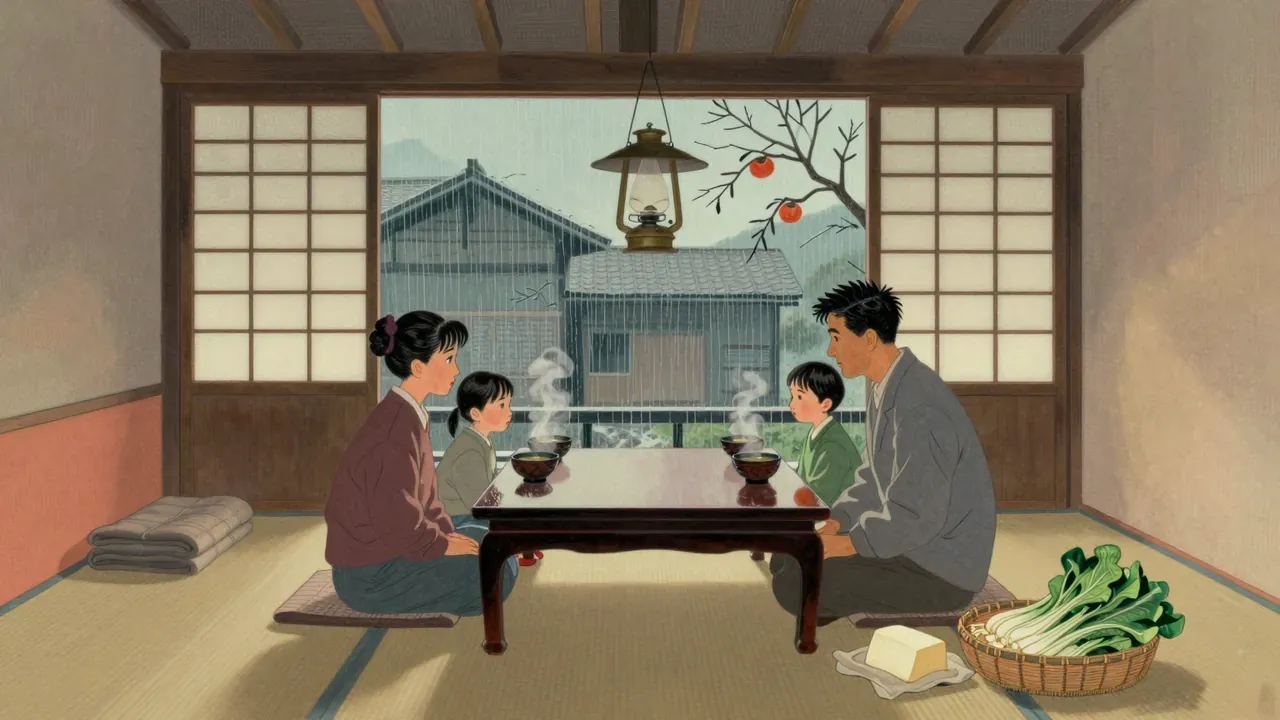
Made in January 1946 and directed by Keisuke Kinoshita, Morning for the Osone Family observes a single day in a Tokyo household recovering from war. Haruko Sugimura and Eitarō Ozawa play mother and son navigating scarcity, silence, and subtle shifts in duty and expectation. Shot with quiet precision and no score, the film finds gravity in routine: preparing meals, folding clothes, sharing tea. It offers no grand statements, only sustained attention to how people hold space for each other when the world outside has fractured. A key early work of postwar Japanese realism.

13:00

Port of Flowers

Keisuke Kinoshita · 1943

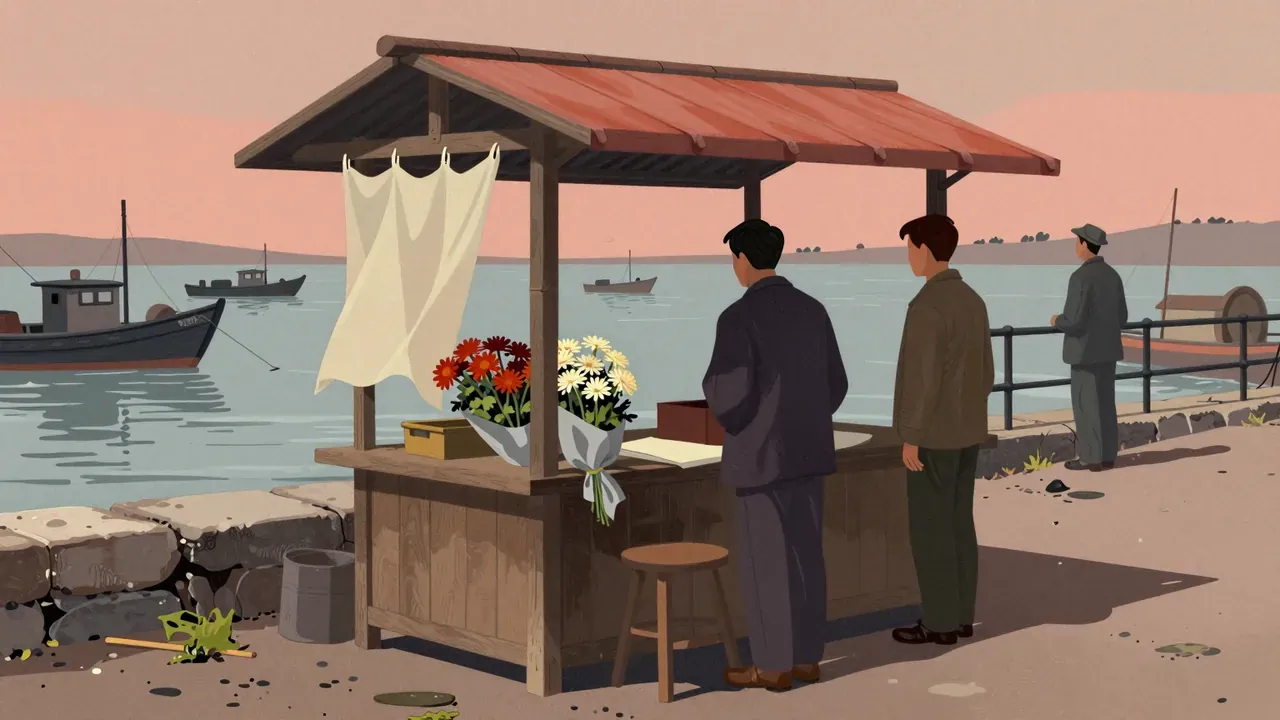
Port of Flowers (1943), directed by Keisuke Kinoshita for Shochiku, is a restrained domestic drama set in a Japanese port town during wartime. Starring Eitarō Ozawa and Ken Uehara, it traces quiet exchanges between two men bound by memory, duty, and proximity rather than plot. With no credited score and minimal sound design, the film relies on duration, composition, and performance to evoke continuity amid uncertainty. Its themes — care as routine, loyalty as repetition, time as tide — emerge through accumulated detail, not exposition. It is neither propaganda nor protest, but a sustained act of attention to what endures when history narrows.

13:00

The Ballad of Narayama

Keisuke Kinoshita · 1958

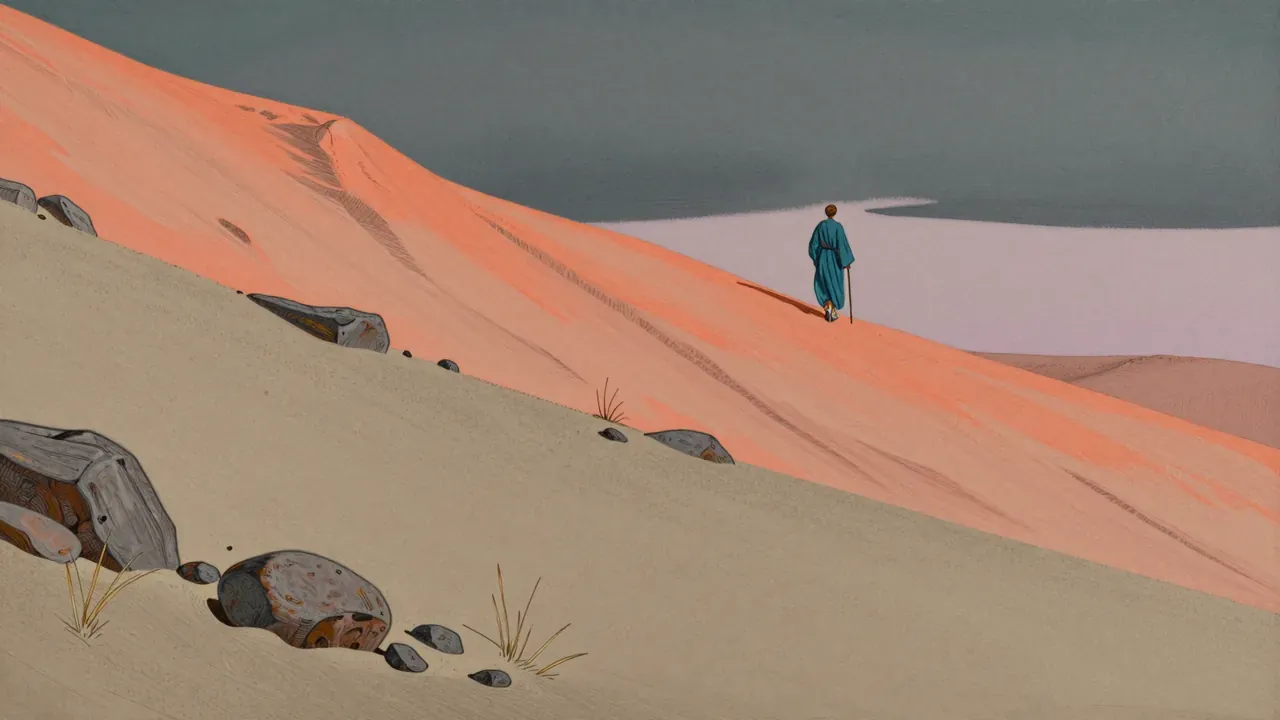
Keisuke Kinoshita’s 1958 adaptation of Shichirō Fukazawa’s story presents the fictional practice of ubasute — abandoning elders on Mount Narayama — not as barbarism but as a disciplined, communal rite. Stylised like kabuki theatre, with stark black-and-white cinematography by Tatsuo Suzuki and a restrained, chant-like score by Ichirō Saitō, the film follows Orin (Kinuyo Tanaka) in her final month before ascent. Its power lies in formal unity and moral austerity, refusing psychology or judgement in favour of ritual precision. Though divisive at Venice in 1958, it has since been recognised as a landmark of Japanese arthouse cinema.

13:00

The Living Magoroku

Keisuke Kinoshita · 1943

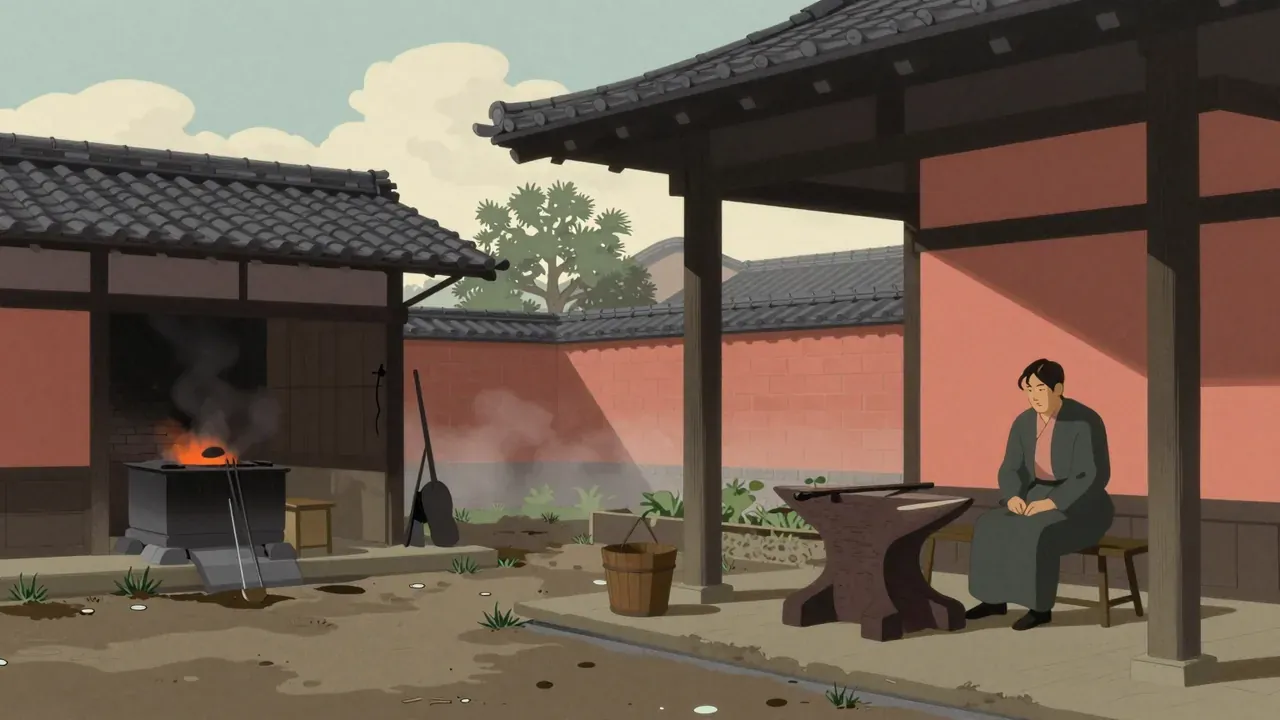
Keisuke Kinoshita’s 1943 film The Living Magoroku is a tightly controlled drama set in a traditional swordsmith’s workshop during wartime Japan. With no credited cast or composer, it relies on gesture, duration, and compositional restraint to explore transmission, duty, and the ethics of making. Its power lies in what it omits—psychological exposition, overt politics, dramatic climax—as much as in what it shows: the physical labour of preserving form under constraint.

13:00

Twenty-Four Eyes

Keisuke Kinoshita · 1954

Keisuke Kinoshita’s Twenty-Four Eyes (1954) follows teacher Hisako Ōishi across twenty years on Shōdoshima island, from her arrival in 1928 to the postwar return to teaching in 1946. Using her twelve pupils as anchors, the film charts the erosion and renewal of communal life under militarism, poverty and loss. Hideko Takamine’s restrained performance, the unvarnished Shochiku photography and the episodic, season-bound structure build a portrait of endurance rooted in daily acts of care — not grand statements, but shared meals, remembered songs and a bicycle given back.