filmbriefs
Screenwriter · Director · Actor · 1906–1987

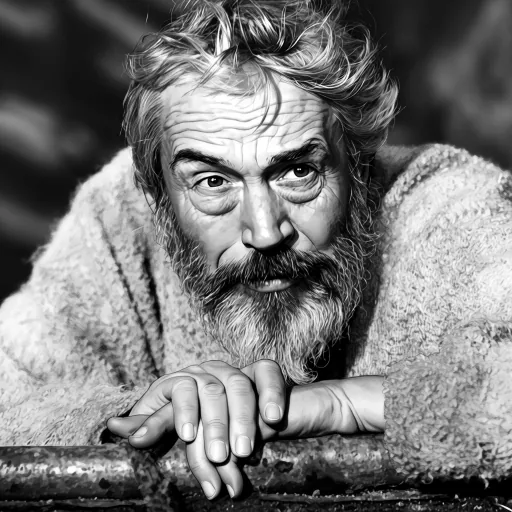
John Huston

12
briefs
13:00
average
156 min
in total
On film.briefs12
13:00

High Sierra

Raoul Walsh · 1941

High Sierra (1941), directed by Raoul Walsh and starring Humphrey Bogart and Ida Lupino, follows ageing gangster Roy Earle as he leads a jewel heist in California’s Sierra Nevada, then flees into the mountains. Adapted by John Huston and W. R. Burnett from Burnett’s novel, it uses location shooting, restrained performances, and unshowy craft to trace a quiet, physical descent — not toward redemption, but toward an ending already written in Roy’s body and the landscape.
13:00

The Dead

John Huston · 1987

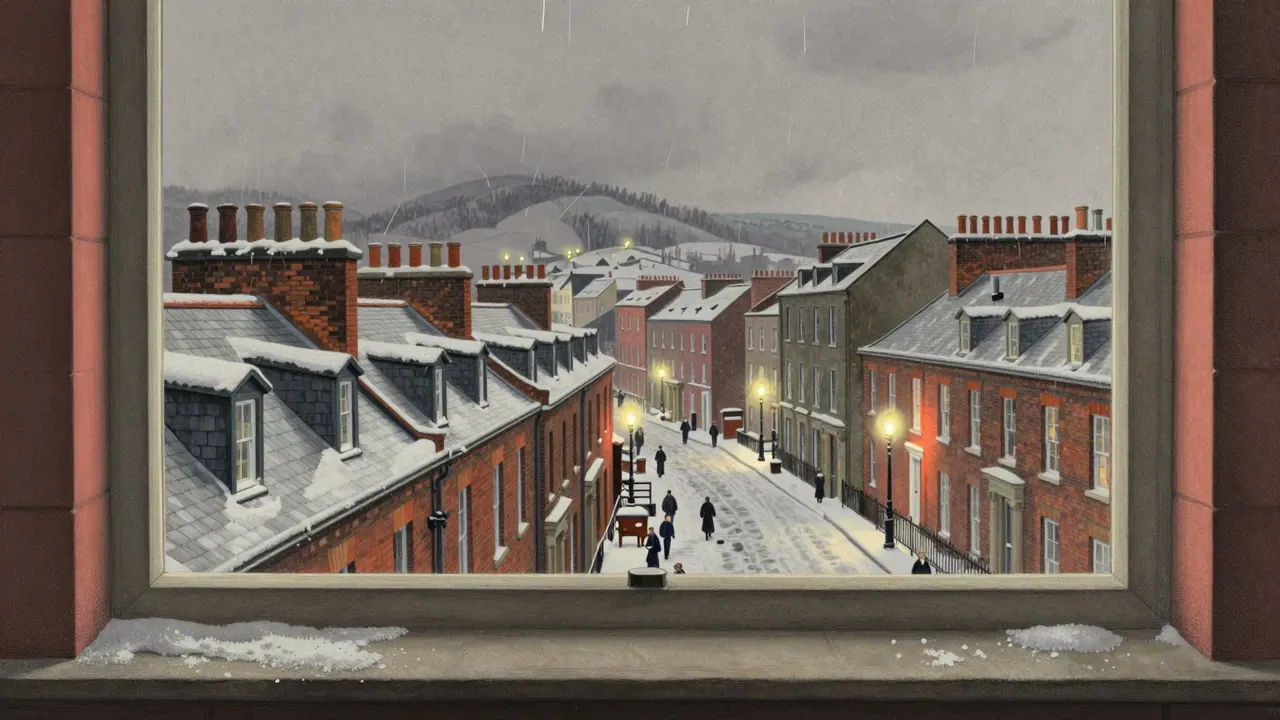
John Huston’s final film adapts James Joyce’s 'The Dead' with restrained fidelity: a Dublin Epiphany party in 1904 becomes the vessel for Gabriel Conroy’s quiet epiphany about love, memory and mortality. Shot largely on a CalArts soundstage due to Huston’s failing health, Fred Murphy’s cinematography and Tony Huston’s screenplay preserve the story’s hushed intensity. Anjelica Huston and Donal McCann anchor an ensemble cast in performances defined by subtlety, not declaration. The film’s strength is its unwavering commitment to emotional realism — no flashbacks, no exposition, no catharsis, only the slow, snow-laden fall into understanding.

13:00

Under the Volcano

John Huston, Danny Huston · 1984

John Huston’s 1984 adaptation of Malcolm Lowry’s novel follows one Day of the Dead in 1938, as British consul Geoffrey Firmin — played by Albert Finney — unravels across the streets and cantinas of Quauhnahuac. Shot in sequence with Gabriel Figueroa’s restrained cinematography and Alex North’s brooding score, it commits fully to the novel’s psychological density and temporal claustrophobia. The film’s strength lies in its unflinching portrayal of addiction as embodied decay, not moral failure.

13:00

Wise Blood

John Huston · 1979

John Huston’s 1979 film Wise Blood adapts Flannery O’Connor’s 1952 novel with formal precision and moral gravity. Brad Dourif stars as Hazel Motes, a war veteran who founds an atheistic church only to spiral into self-annihilation. Shot in Georgia with Gerry Fisher’s subdued cinematography and Alex North’s sparse score, the film sustains a tone of grave absurdity, refusing psychological explanation or redemptive closure. Its power lies in its fidelity to O’Connor’s vision: belief and unbelief as equally binding, the body as theological text, and the American South as a landscape saturated with inherited conviction.

13:00

The African Queen

John Huston · 1951

John Huston’s 1951 drama follows a Methodist missionary and a Canadian boat mechanic who convert a small steamboat into a torpedo vessel to attack a German gunboat in East Africa during the First World War. Shot partly on location in Uganda and the Belgian Congo, it stars Humphrey Bogart (who won Best Actor) and Katharine Hepburn. Its strength lies in restrained performances, Jack Cardiff’s unsentimental Technicolor, and a story that values incremental change over grand revelation — though its colonial framing remains structurally incomplete.

13:00

The Asphalt Jungle

John Huston · 1950

John Huston’s 1950 heist film follows a meticulously planned jewel robbery and its unraveling, centred on professionals whose expertise is undone by physiology, chance and debt. Shot by Harold Rosson and scored by Miklós Rózsa, it favours procedural realism over noir stylisation, grounding its characters in economic necessity rather than moral ambiguity. Though commercially modest and initially resisted by MGM, it endures as a benchmark of structural discipline in American crime cinema.

13:00

The Killers

Robert Siodmak · 1946

Robert Siodmak’s 1946 crime film expands Hemingway’s terse short story into a layered noir investigation, anchored by Burt Lancaster’s debut performance and Elwood Bredell’s atmospheric cinematography. It traces an insurance investigator’s dogged reconstruction of a doomed ex-boxer’s final years, using flashbacks to expose how betrayal, loyalty, and fatalism accumulate like sediment. Though structurally ambitious, its commitment to mood over momentum makes it demanding—and deeply rewarding—for viewers attuned to tone, texture, and the quiet gravity of inevitability.

13:00

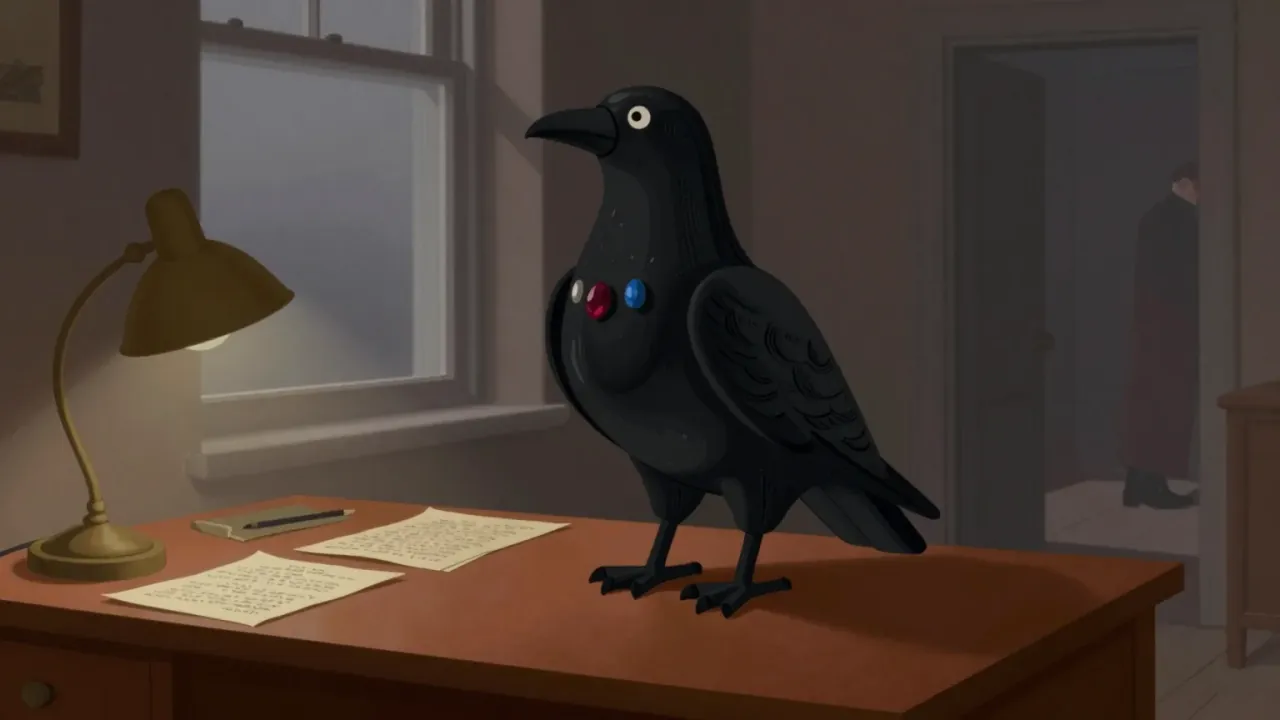
The Maltese Falcon

John Huston · 1941

John Huston’s 1941 debut adapts Dashiell Hammett’s novel with surgical fidelity: low-key lighting, unadorned dialogue, and performances that treat deception as craft. Humphrey Bogart’s Sam Spade operates by self-imposed rules, not ethics, and the pursuit of a jewel-encrusted falcon reveals not desire but the architecture of betrayal. Made for $300,000 on the Warner Bros. lot, it endures not as myth but as method — a blueprint for how to build tension without spectacle, and meaning without explanation.

13:00

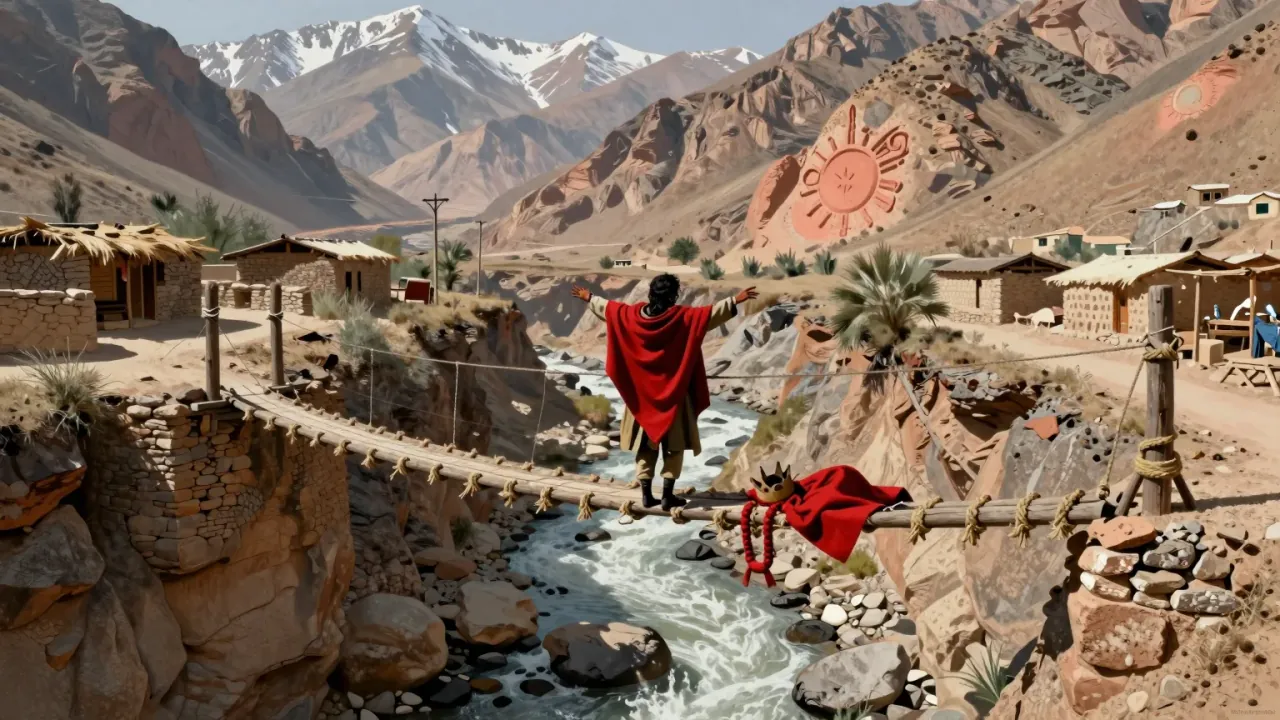
The Man Who Would Be King

John Huston · 1975

John Huston’s 1975 film adapts Kipling’s novella into a morally austere, visually grounded account of two British ex-soldiers who impersonate gods in Kafiristan. Michael Caine and Sean Connery anchor a story about ritual, sovereignty, and the material conditions of belief — shot in Morocco and France, scored by Maurice Jarre, and edited with deliberate restraint. It avoids moralising, instead tracing the slow, logical erosion of a lie until only consequence remains.

13:00

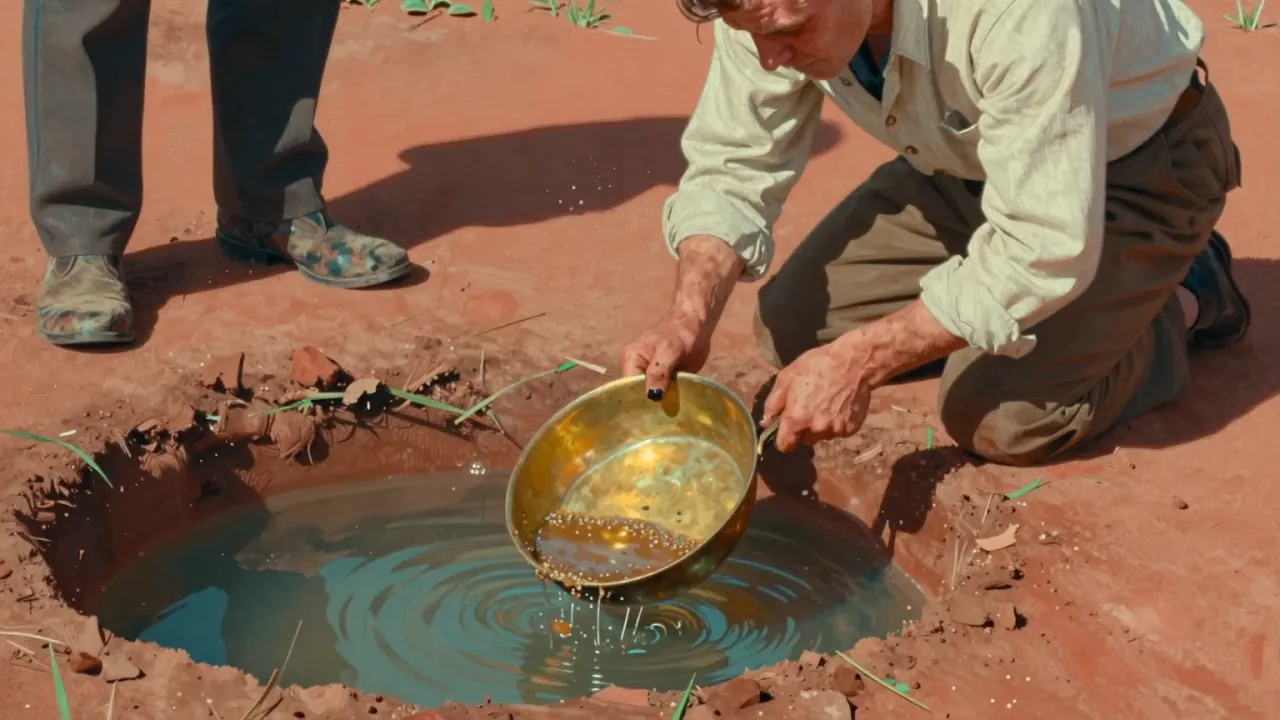
The Treasure of the Sierra Madre

John Huston · 1948

John Huston’s 1948 adaptation of B. Traven’s novel follows two American drifters and an ageing prospector searching for gold in the Mexican wilderness. As the find is made, trust fractures, language fails, and morality simplifies to survival. With restrained cinematography by Ted McCord, sparse scoring by Max Steiner, and performances anchored by Humphrey Bogart and Walter Huston, the film traces the slow, unsentimental collapse of shared reality under pressure. Shot on location in Mexico and California, it remains a benchmark of psychological realism — austere, exacting, and unyielding.

13:00

Wuthering Heights

William Wyler · 1939

William Wyler’s 1939 Wuthering Heights, produced by Samuel Goldwyn and shot by Gregg Toland, condenses Emily Brontë’s novel into a stark, atmospheric drama centred on Heathcliff and Cathy’s destructive bond. It omits the novel’s second generation and shifts the setting to the mid-19th century, prioritising visual mood over textual fidelity. Laurence Olivier and Merle Oberon anchor a tightly paced, formally assured adaptation whose power lies in its restraint, shadow, and silence — though its sentimental ending and flattened class dynamics remain contested.

13:00

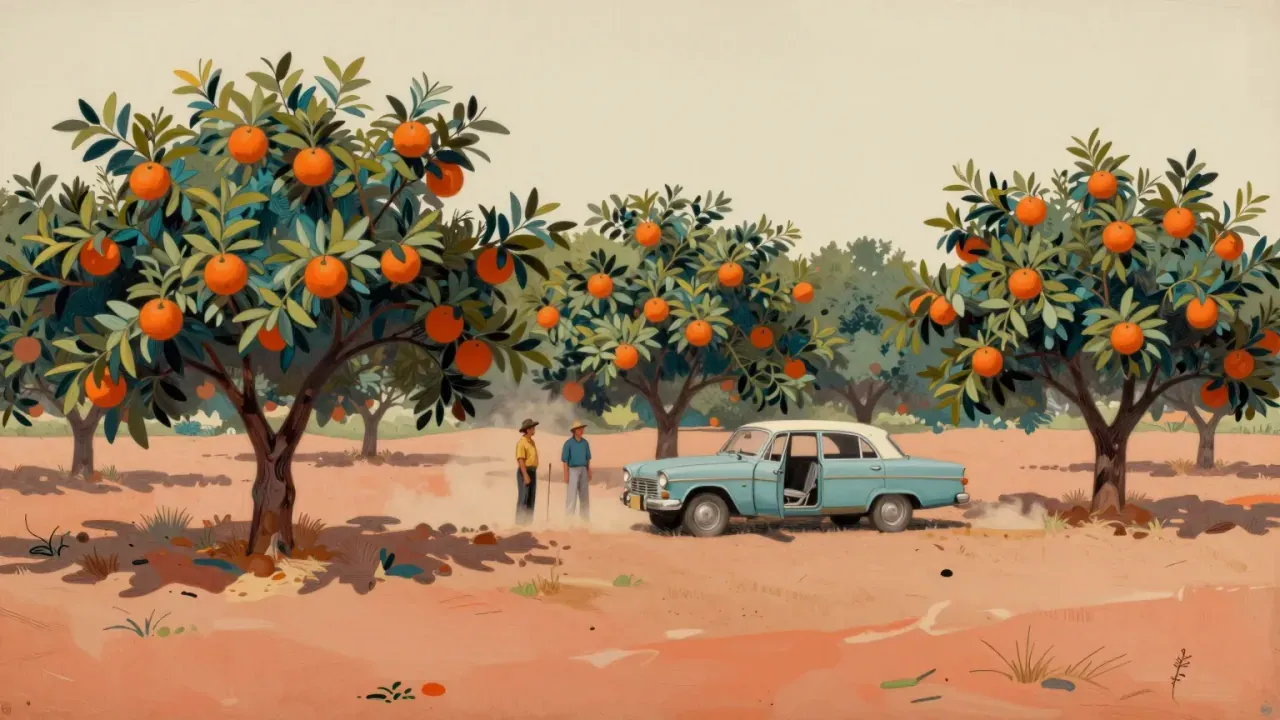
Chinatown

Roman Polanski · 1974

Chinatown sends Jack Nicholson's private investigator into a municipal water scandal modelled on the early-twentieth-century disputes that built Los Angeles, opposite Faye Dunaway and John Huston. Robert Towne's script won the film's only Oscar from eleven nominations, but the ending that gives the film its reputation was Polanski's, forced through over the writer's objections, and it is worth knowing which parts of the film are whose before deciding what the story is actually arguing.