filmbriefs
Screenwriter · Actor

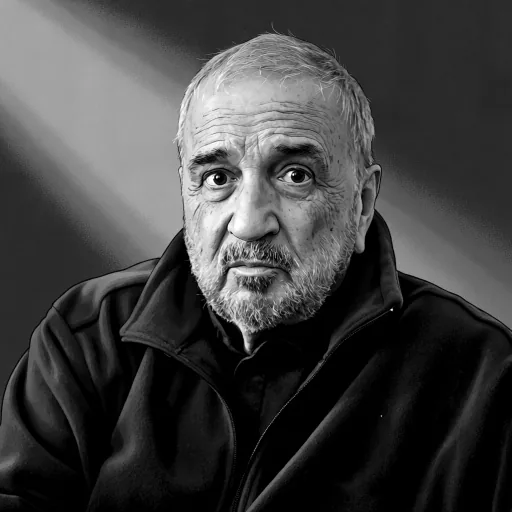
Jean-Claude Carrière

4
briefs
13:00
average
52 min
in total
On film.briefs4
13:00

Belle de Jour

Luis Buñuel · 1967

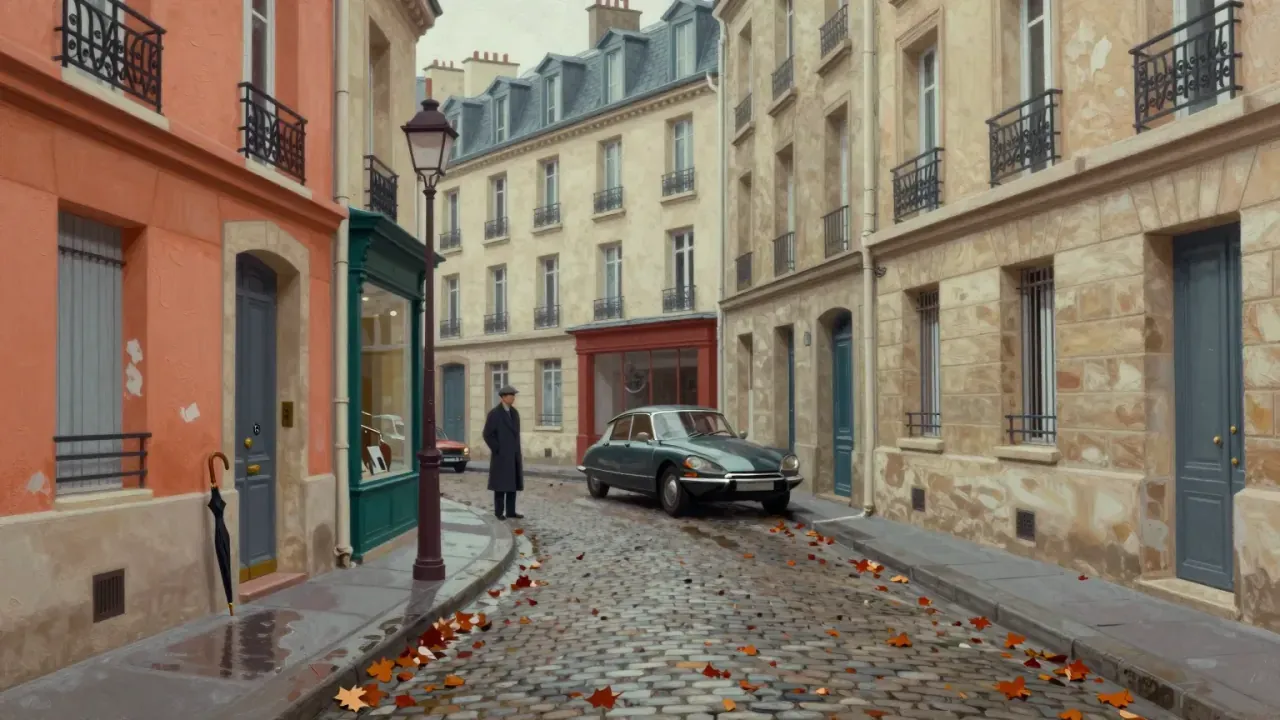
Luis Buñuel’s 1967 film follows Séverine Serizy, a Parisian housewife who spends weekday afternoons working as a high-class prostitute. Catherine Deneuve’s performance anchors a film defined by restraint: Sacha Vierny’s cool cinematography, Michel Magne’s sparse score, and a script that refuses psychological exposition. It treats fantasy not as illusion but as a parallel system of order — one that structures time, desire, and selfhood. The ending is deliberately ambiguous, looping back into uncertainty rather than resolution.

13:00

Certified Copy

Abbas Kiarostami · 2010

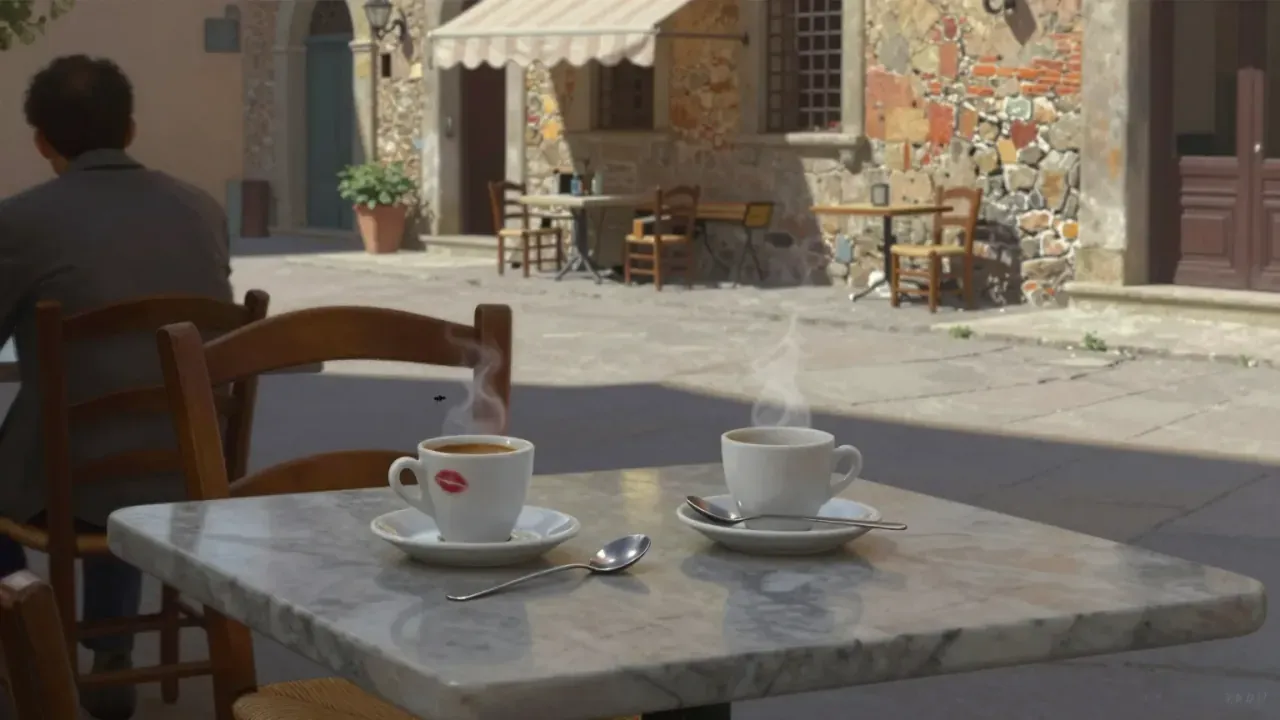
Abbas Kiarostami’s 2010 film follows a British writer and a French antiques dealer through a single day in Tuscany. Their conversation begins as polite intellectual exchange, then slips — without announcement — into the rhythms of a long-married couple. Shot in natural light with minimal intervention, the film tests how identity, memory and intimacy are sustained not by fact but by repetition, gesture and shared silence.

13:00

That Obscure Object of Desire

Luis Buñuel · 1977

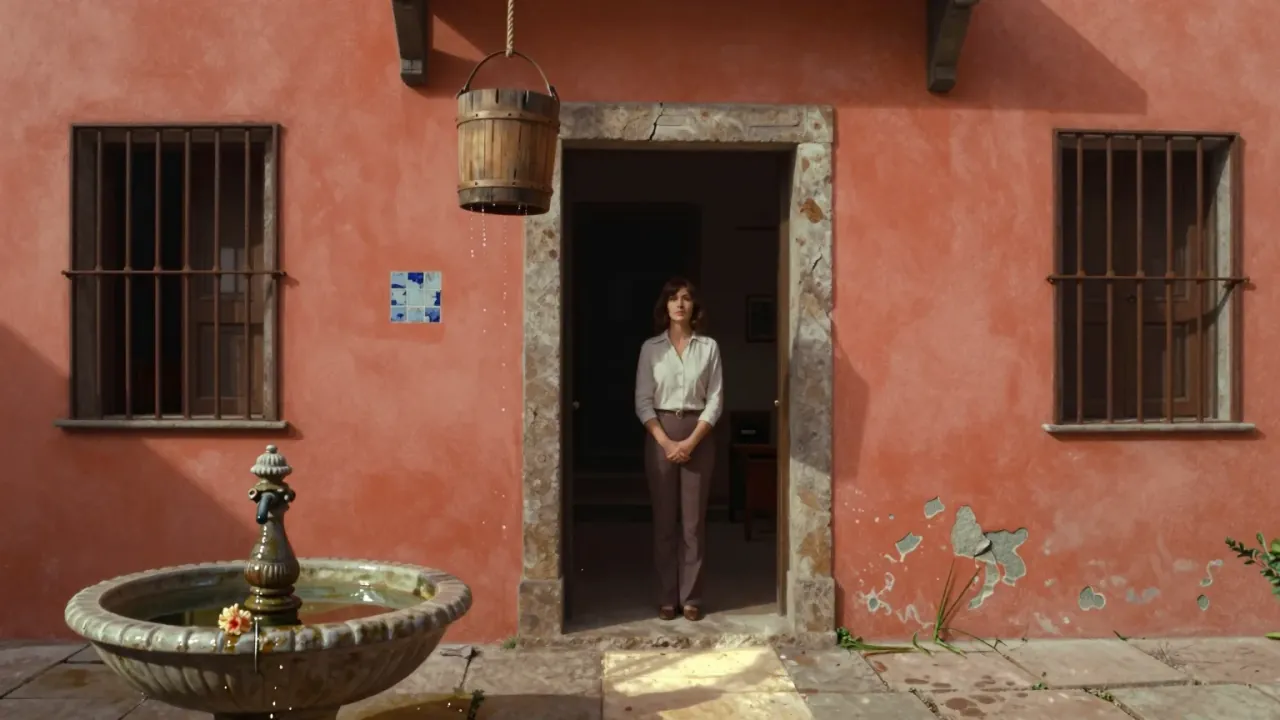
Luis Buñuel’s 1977 swan song adapts Pierre Louÿs’s novel into a stark, absurdist study of erotic fixation. Fernando Rey plays Mathieu, a wealthy Frenchman obsessed with Conchita — portrayed interchangeably by Carole Bouquet and Ángela Molina. Framed as a train confession and punctuated by unexplained terrorist violence, the film refuses psychological coherence, using repetition, structural disjunction, and deadpan tone to embody desire as irrational, inescapable, and faintly ridiculous.

13:00

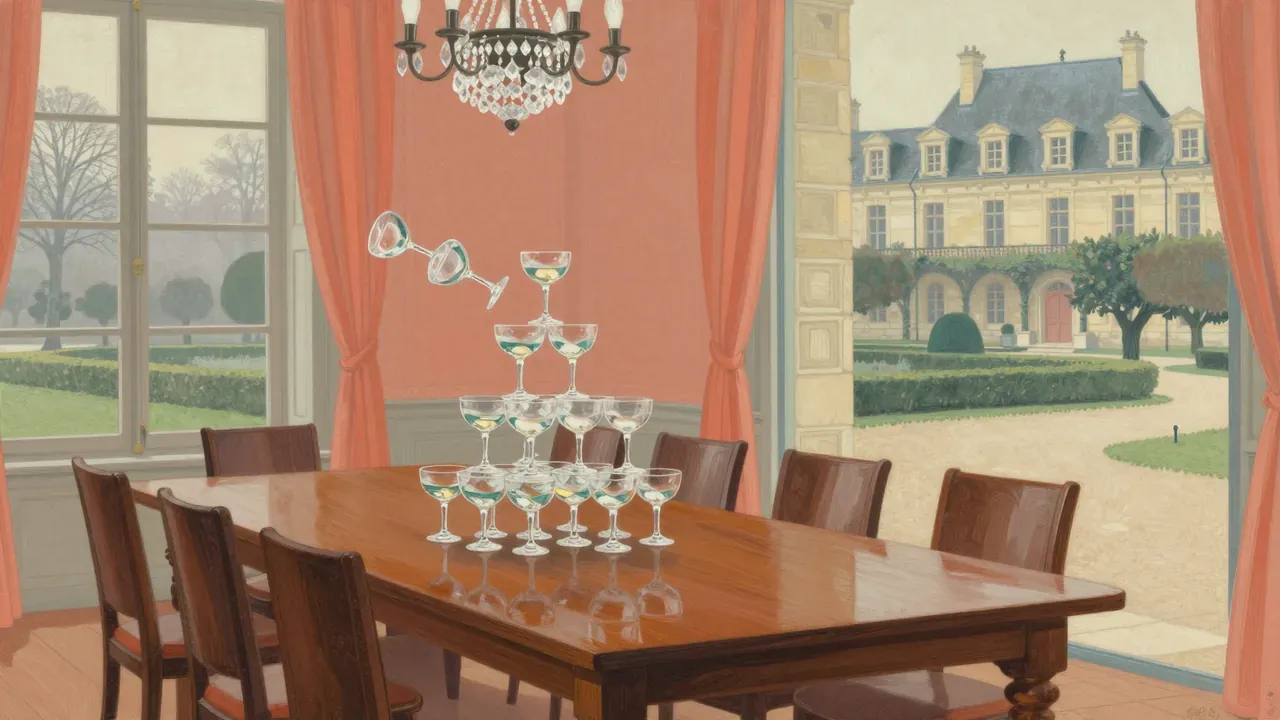
The Discreet Charm of the Bourgeoisie

Luis Buñuel · 1972

Luis Buñuel’s 1972 surrealist comedy follows a group of French bourgeois and a South American ambassador as they repeatedly fail to share a meal. Structured around five thwarted gatherings and four interwoven dreams, the film uses repetition, deadpan performance, and seamless shifts between reality and fantasy to dissect ritual, class, and the quiet violence of politeness. Shot by Edmond Richard and edited by Hélène Plemiannikov, it won the 1973 Academy Award for Best International Feature Film.