filmbriefs
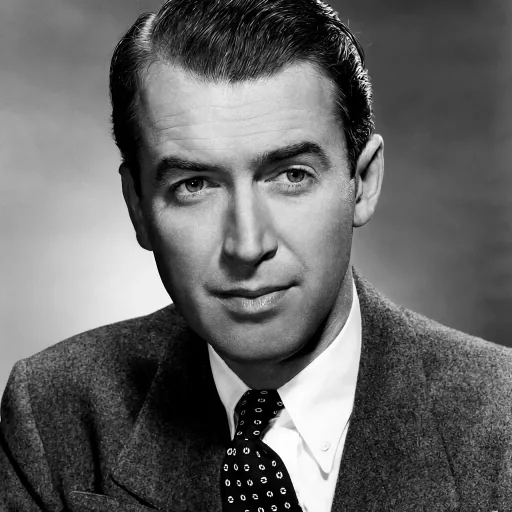
Actor · 1908–1997

James Stewart

9
briefs
13:00
average
117 min
in total
On film.briefs9
13:00

Anatomy of a Murder

Otto Preminger · 1959

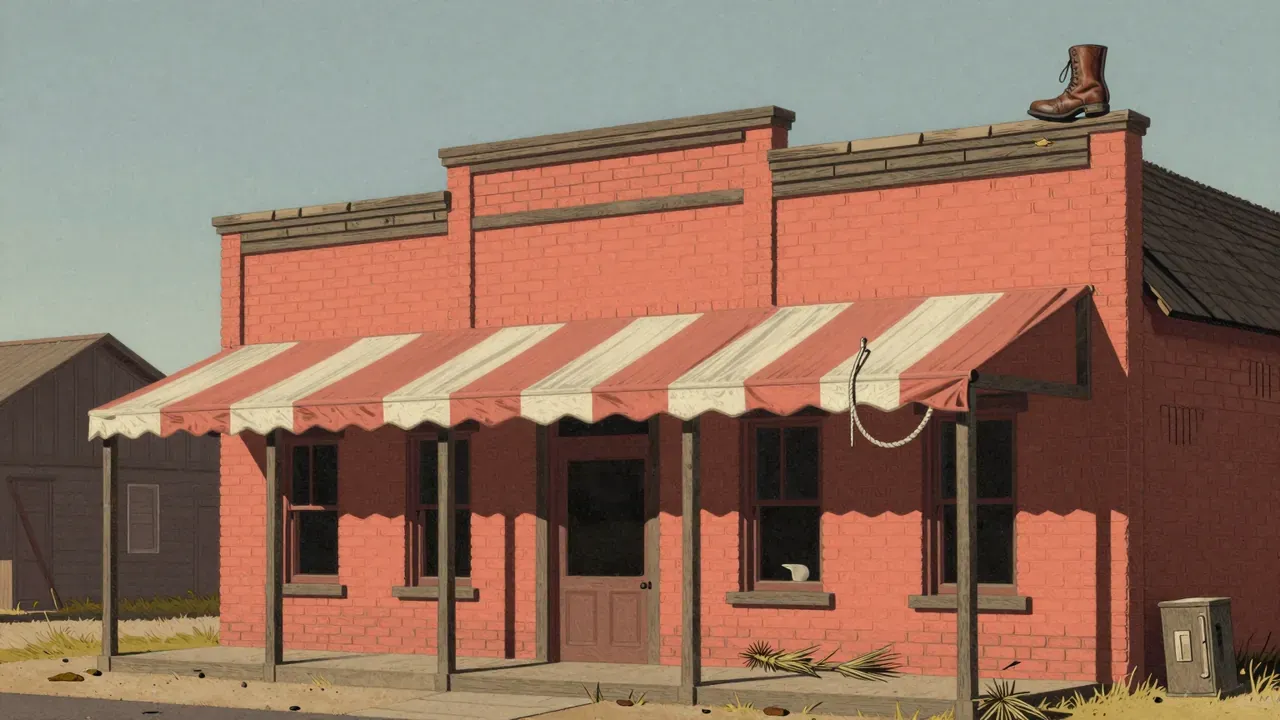
Otto Preminger’s 1959 Anatomy of a Murder is a rigorously procedural crime drama set in Michigan’s Upper Peninsula. James Stewart plays a small-town lawyer defending an army lieutenant accused of murder, using an 'irresistible impulse' insanity plea. Shot on location with documentary restraint, it prioritises legal mechanics over psychology, and evidentiary tension over emotional payoff. Sam Leavitt’s cinematography and Duke Ellington’s score support, never dominate, its deliberate pace. Though acclaimed for authenticity, it resists moral framing — leaving viewers with the structure of doubt, not the comfort of verdict.
13:00

Destry Rides Again

George Marshall · 1939

Destry Rides Again (1939) is a Universal Pictures Western comedy directed by George Marshall, starring James Stewart and Marlene Dietrich. It follows a gunless sheriff who restores order in the corrupt town of Bottleneck not through force but through patience, wit, and carefully orchestrated social pressure. Written by Henry Myers and Gertrude Purcell, it subverts genre expectations with dry humour, deliberate pacing, and character-driven irony—most notably in Dietrich’s iconic turn as the saloon singer Frenchy. Though loosely based on Max Brand’s novel, the film bears little resemblance to earlier adaptations and stands as a singular blend of Western structure and comedic timing.

13:00

The Flight of the Phoenix

Robert Aldrich · 1965

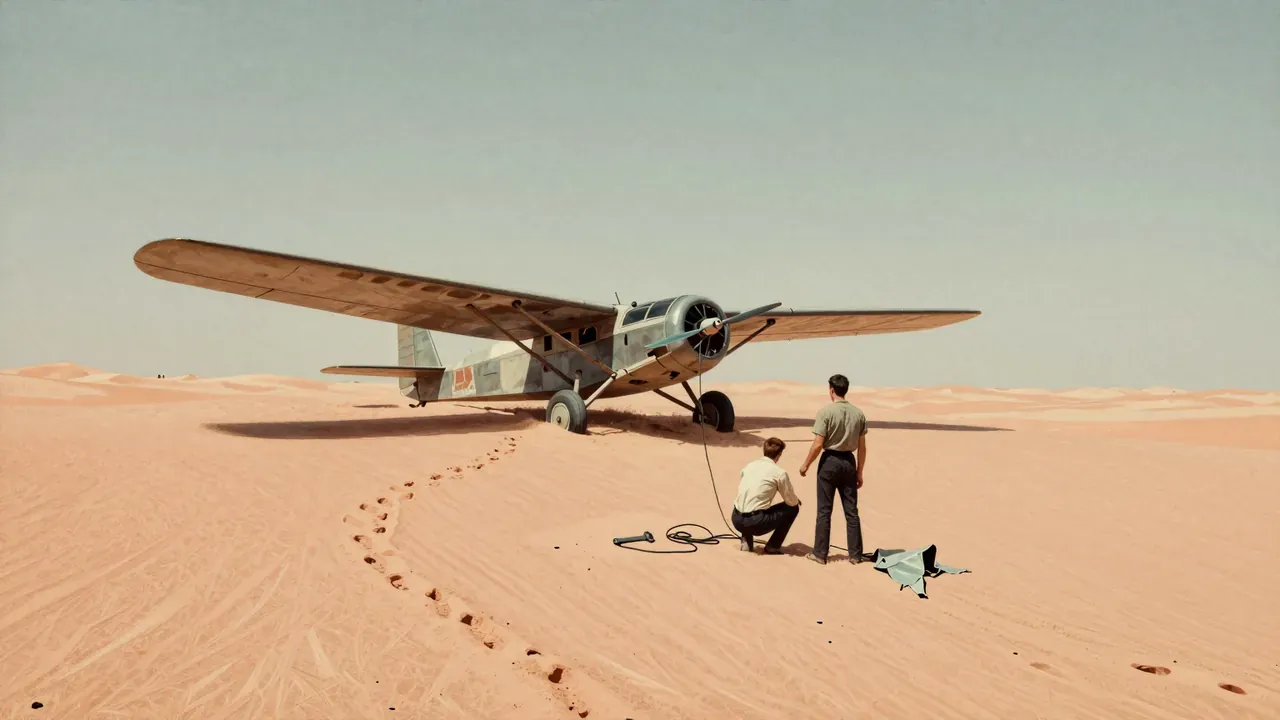
Robert Aldrich’s 1965 disaster drama follows a group of men stranded in the Sahara after a cargo plane crash. With no rescue expected, a German engineer proposes building a new aircraft from the wreckage. What follows is a rigorous, unsentimental depiction of collective labour, rationed hope, and the fragile consensus required to turn desperation into flight.

13:00

The Philadelphia Story

George Cukor · 1940

George Cukor’s 1940 romantic comedy adapts Philip Barry’s play with surgical fidelity, following Katharine Hepburn’s Tracy Lord as she navigates remarriage, journalism, and self-reckoning within Philadelphia high society. Written by Donald Ogden Stewart, shot by Joseph Ruttenberg, and performed with precise wit by Hepburn, Cary Grant, and James Stewart, it exemplifies the ‘comedy of remarriage’ genre — elegant, verbally dense, and emotionally contained. Though insulated from broader social forces, its focus on performance, privilege, and self-knowledge remains quietly radical in its restraint.

13:00

The Shop Around the Corner

Ernst Lubitsch · 1940

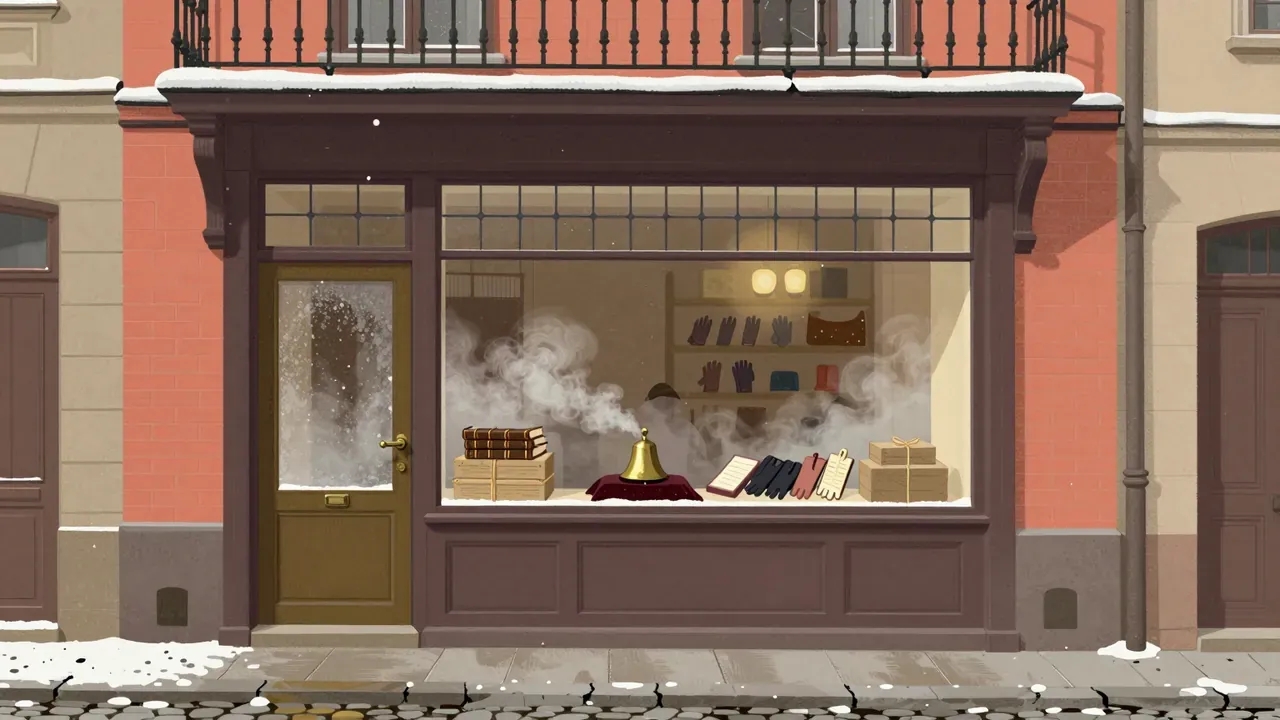
Ernst Lubitsch’s 1940 MGM film follows two Budapest shop clerks who feud at work while falling in love through anonymous letters. Shot in sequence with deliberate pacing, it trusts silence, gesture, and understated performance over plot mechanics. Though its reliance on coincidence weakens some turns, its fidelity to emotional realism and quiet dignity of ordinary life remains deeply affecting.

13:00

Winchester '73

Anthony Mann · 1950

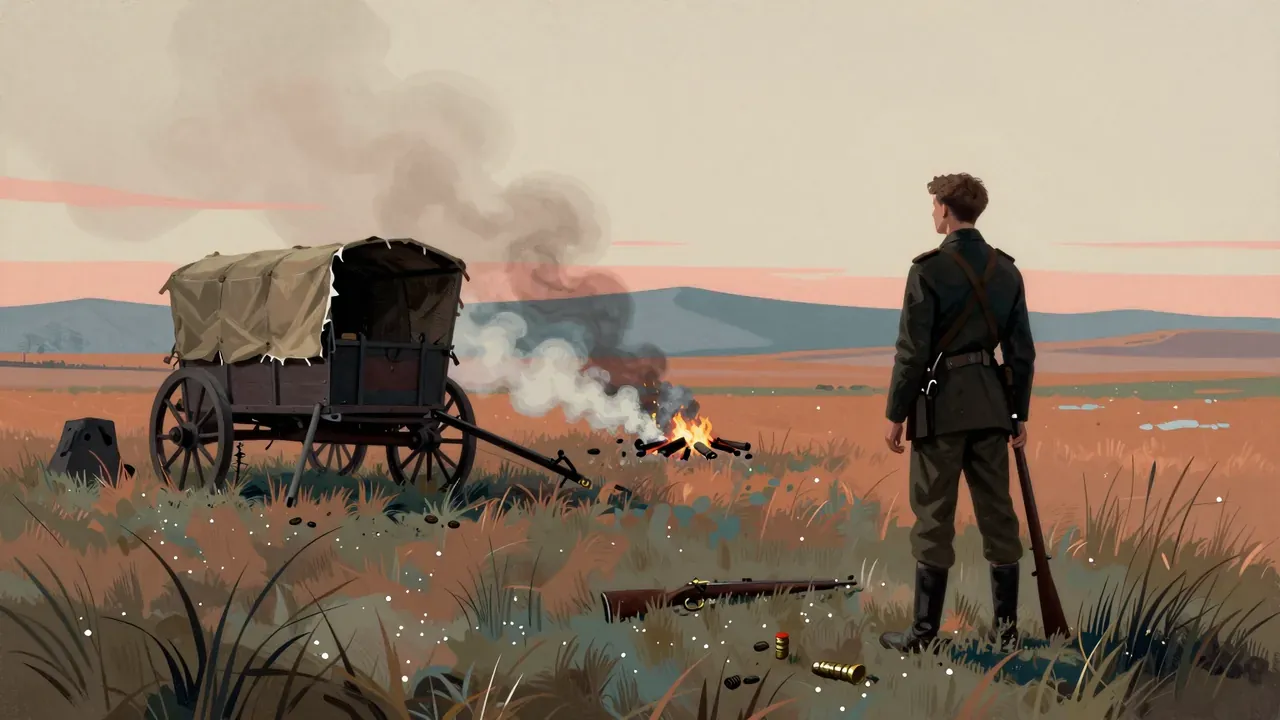
Winchester ’73 (1950), directed by Anthony Mann and starring James Stewart, follows the turbulent passage of a prized Winchester 1873 rifle through seven owners across the American frontier. Structured as a chain of cause and effect rather than a linear quest, it foregrounds economy of form, psychological restraint, and moral ambiguity over myth or spectacle. Though groundbreaking in its use of the 'object-as-plot-engine' and influential on later genre filmmaking, its depiction of Indigenous characters remains reductive and its secondary roles underdeveloped. It rewards attentive, unsentimental viewing.

13:00

Rope

Alfred Hitchcock · 1948

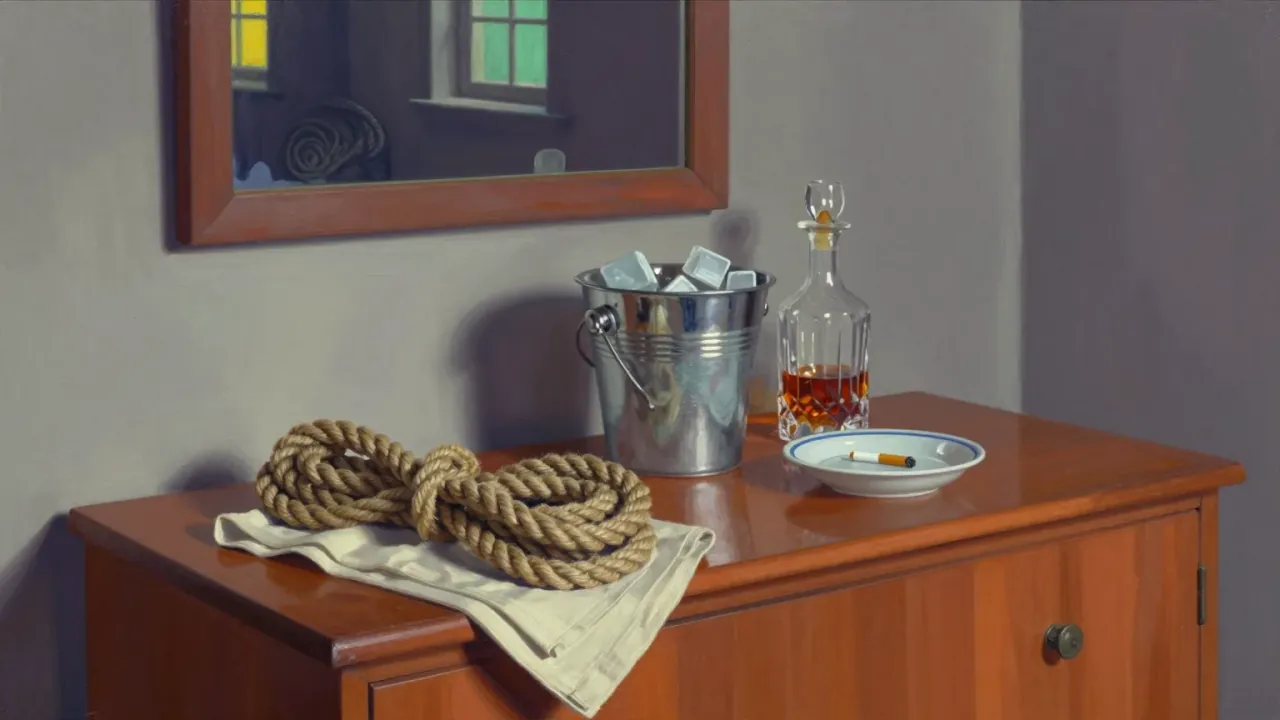
Alfred Hitchcock’s 1948 thriller Rope presents a murder and its aftermath in a single Manhattan apartment, shot to appear as four unbroken takes. Starring James Stewart, John Dall, and Farley Granger, it adapts Patrick Hamilton’s play about two men who kill to prove intellectual superiority — and then host a dinner party atop the corpse. Its formal rigour — movable sets, concealed cuts, shifting Technicolor light — makes it a landmark of studio-era experimentation, though its emotional reserve and constrained subtext remain divisive.

13:00

Rear Window

Alfred Hitchcock · 1954

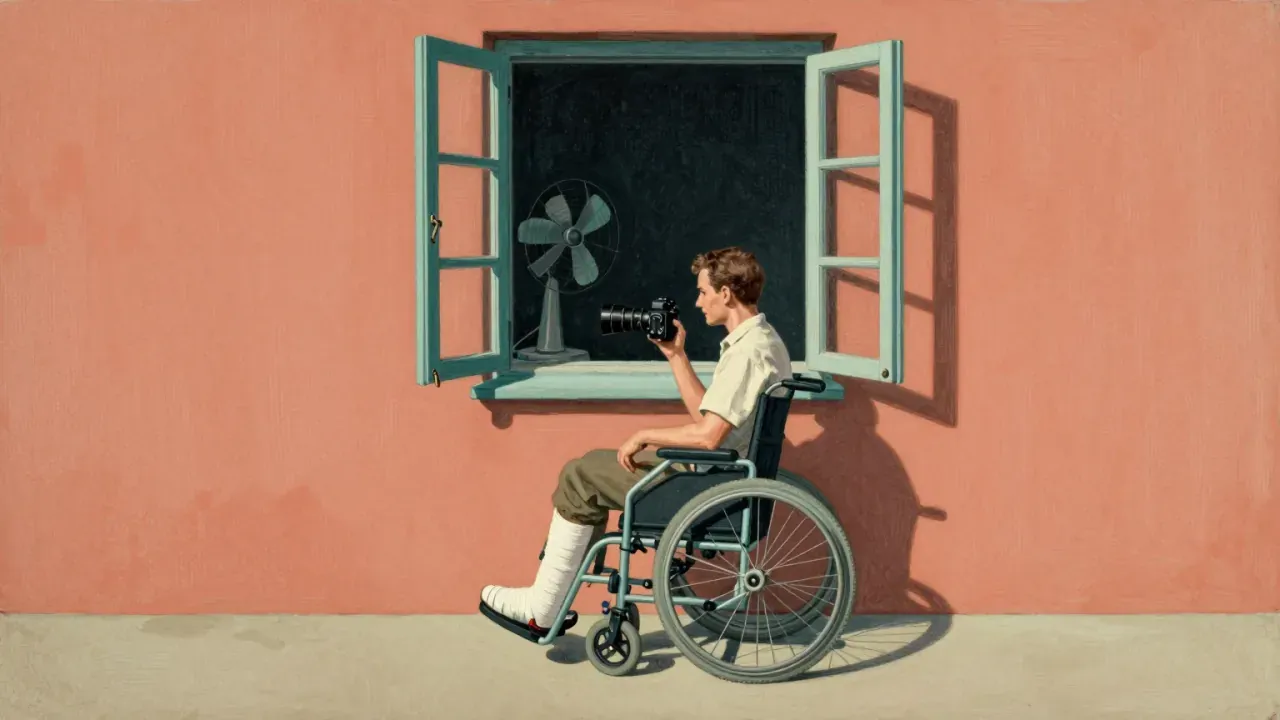
Confined almost entirely to one apartment and the courtyard it overlooks, Rear Window turns a photographer's boredom into a murder investigation conducted through binoculars. Built on a single elaborate Paramount set, it is Hitchcock at his most tightly engineered, with James Stewart watching and Grace Kelly eventually doing the one thing he cannot: crossing the courtyard himself.

13:00

Vertigo

Alfred Hitchcock · 1958

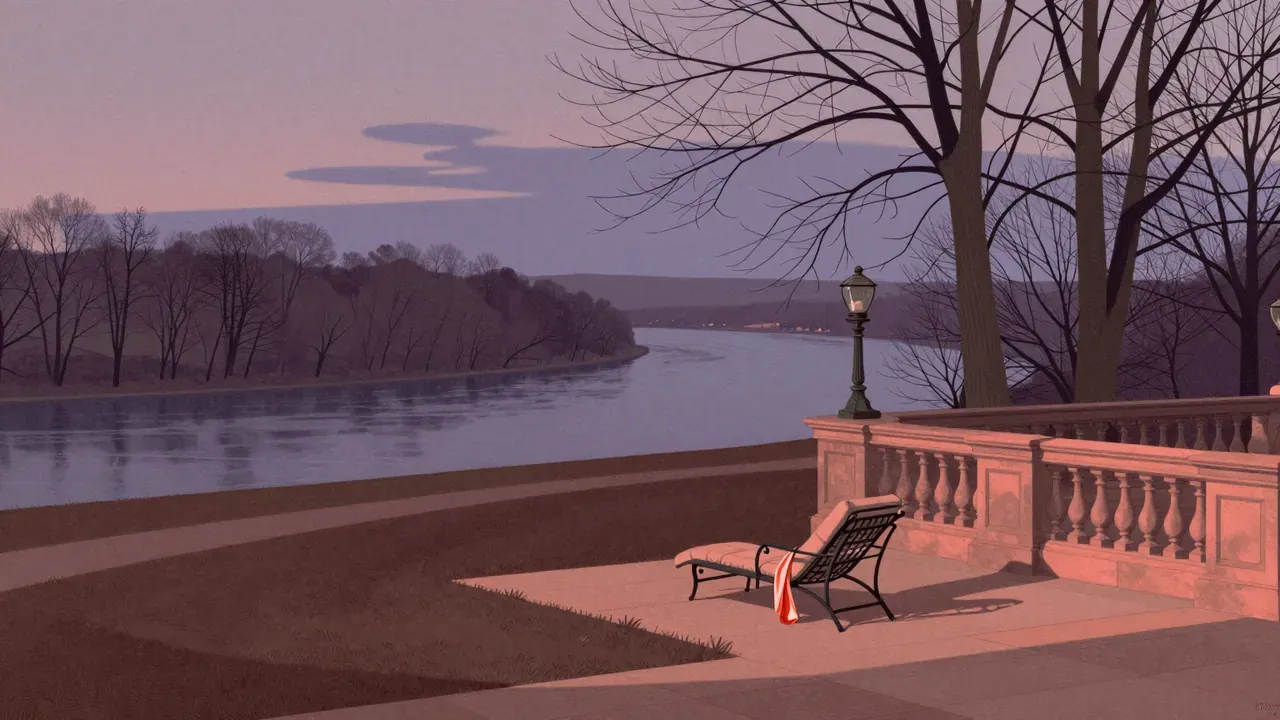
Alfred Hitchcock's 1958 film follows Scottie Ferguson, a retired police detective with a crippling fear of heights, hired to trail a friend's wife who believes she is possessed by a dead ancestor. What begins as surveillance turns into obsession, and after a death he could not prevent, Scottie tries to remake a second woman into the image of the first. Shot by Robert Burks with a spiralling title-sequence effect and scored by Bernard Herrmann, it earned back roughly three times its $2.5 million budget on release and has since climbed steadily in critical standing, unseating Citizen Kane at the top of one long-running critics' poll.