filmbriefs
Cinematographer · 1915–1987

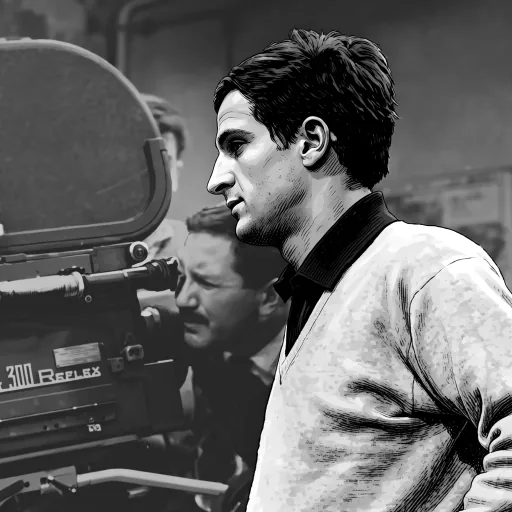
Henri Decaë

12
briefs
13:00
average
156 min
in total
On film.briefs12
13:00

Bob le flambeur

Jean-Pierre Melville · 1956

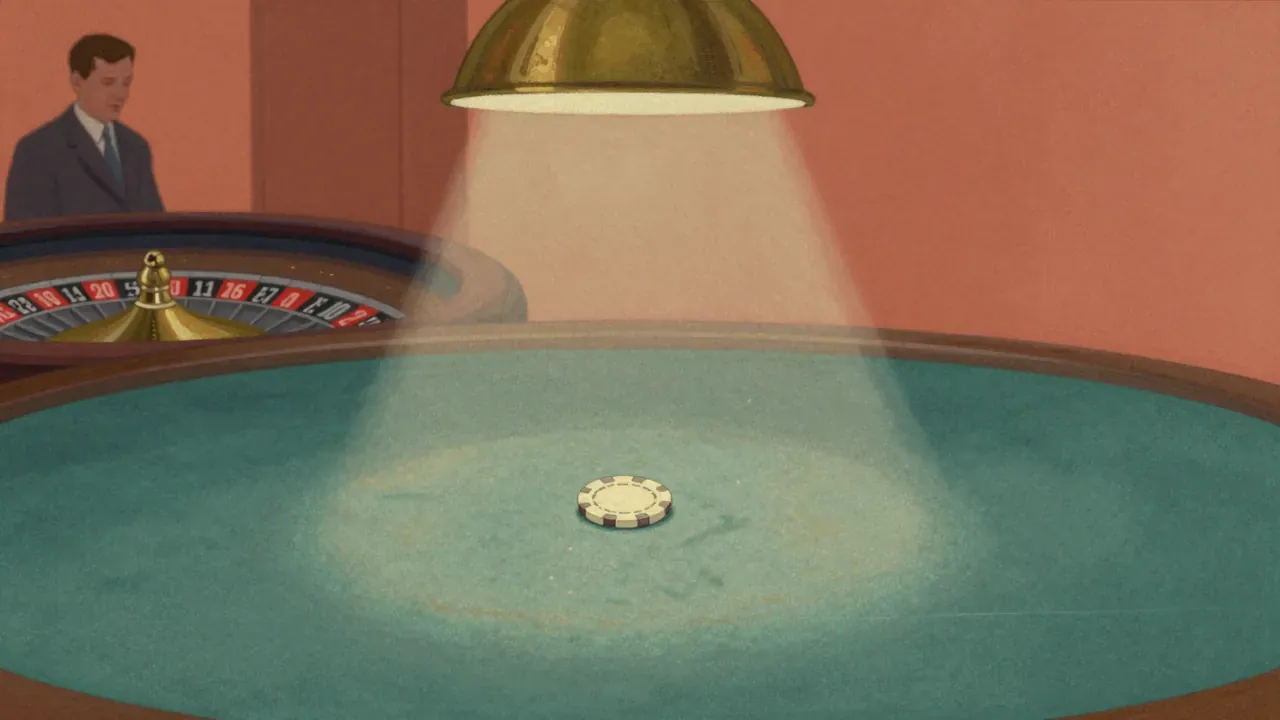
Jean-Pierre Melville’s 1956 heist film follows ageing gambler Bob as he plans a raid on a Deauville casino. Shot on location in Paris and Deauville by Henri Decaë, it moves with unhurried precision, treating criminality as habit rather than transgression. Its influence on the French New Wave stems less from innovation than from its disciplined use of space, silence, and repetition. Roger Duchesne anchors the film with quiet authority; the heist fails not through chaos but through Bob’s fatal, human lapse — losing track of time at the roulette table. A film of tone over twist, form over function.

13:00

Elevator to the Gallows

Louis Malle · 1958

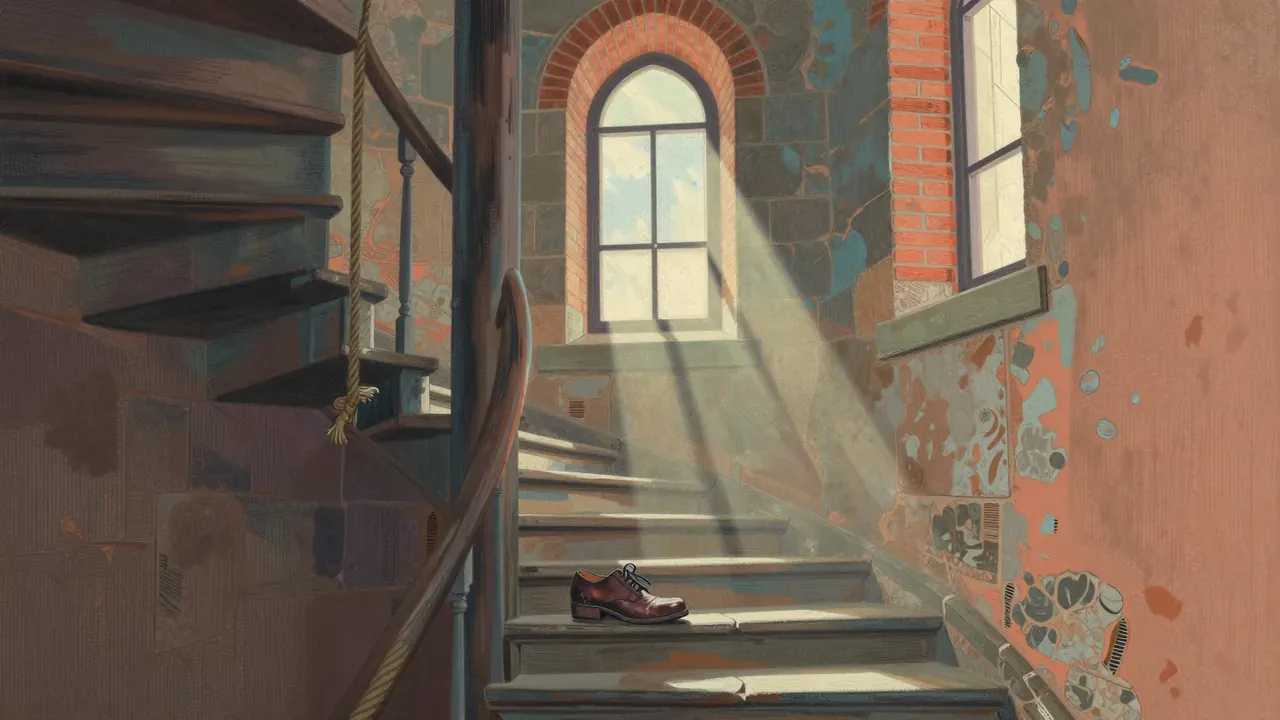
Louis Malle’s 1958 debut follows two parallel failures: a meticulously planned murder undone by a forgotten rope, and a casual theft escalating to murder through chance and misreading. Shot in stark black-and-white by Henri Decaë and scored in a single improvised session by Miles Davis, it builds dread through duration, light and silence rather than exposition or climax. Jeanne Moreau’s breakthrough performance anchors a film less about guilt than about the physics of consequence.

13:00

Le Beau Serge

Claude Chabrol, Philippe de Broca, Claude de Givray · 1958

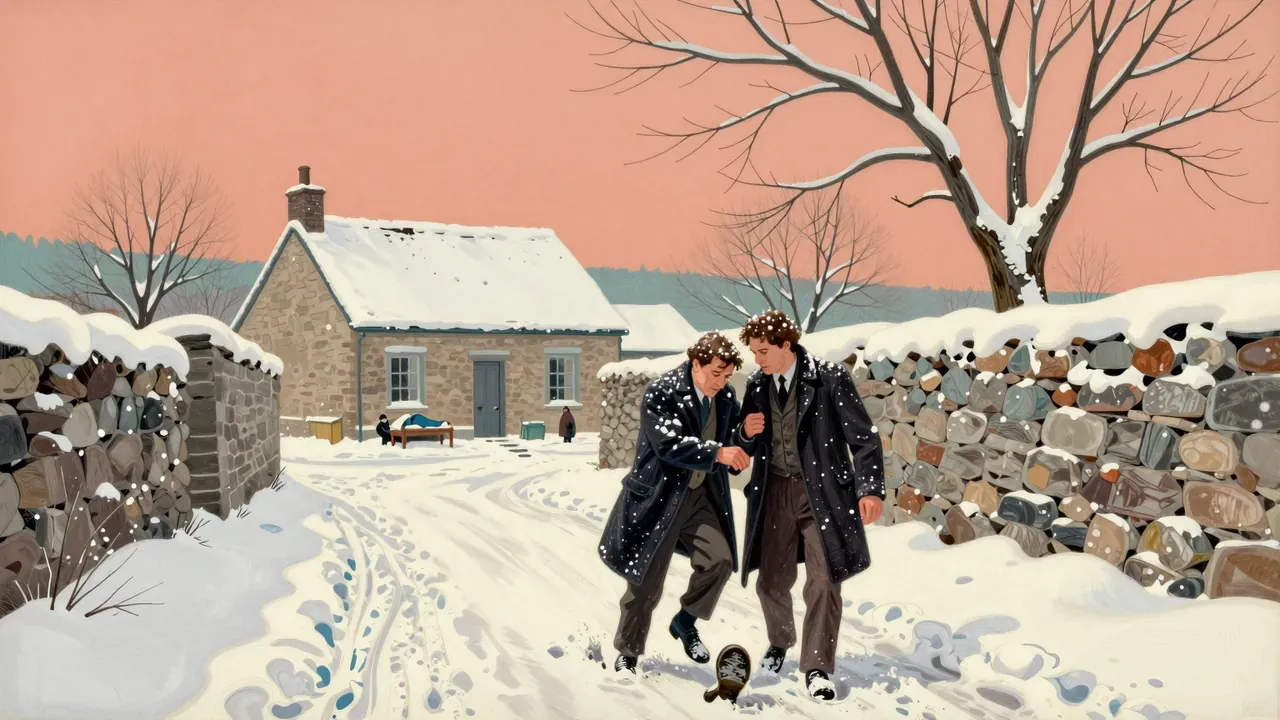
Claude Chabrol’s 1958 debut follows François, a Parisian recovering from illness, as he returns to his rural hometown and tries—and fails—to rescue his alcoholic childhood friend Serge. Shot in winter in Sardent with documentary restraint, the film observes provincial life without sentiment or judgment, building its moral weight through silence, duration, and understated performances. It is less a story of redemption than of endurance, where care and harm blur, and salvation looks like dragging someone home through snow.

13:00

Le Cercle rouge

Jean-Pierre Melville · 1970

Jean-Pierre Melville’s 1970 heist film follows three men — a released convict, an escaped prisoner, and a disgraced marksman — whose paths converge to rob a Paris jeweller. Shot by Henri Decaë and scored sparsely by Éric Demarsan, it sustains tension through restraint: long takes, minimal dialogue, and a thirty-minute heist sequence that prioritises procedure over panic. Its themes — professionalism as ritual, silence as language, fate as convergence — are embedded in structure, not exposition.

13:00

Léon Morin, Priest

Jean-Pierre Melville · 1961

Set in German-occupied France, Léon Morin, Priest follows Barny, a widowed atheist and communist, as she enters a theological dialogue with a young priest. Their conversations—calm, rigorous, unresolved—unfold against a backdrop of scarcity and danger. Directed by Jean-Pierre Melville and adapted from Béatrix Beck’s novel, the film resists melodrama, preferring quiet precision in performance, cinematography, and structure. It is less about conversion than continuity: how people maintain moral shape when the world collapses around them.

13:00

Les Enfants Terribles

Jean-Pierre Melville · 1950

Jean-Pierre Melville’s 1950 debut adaptation of Jean Cocteau’s novel traces the slow implosion of a brother and sister’s insular world. Shot in Paris with stark, precise compositions and scored almost entirely with Vivaldi concertos, it treats adolescence as a self-sustaining system — one that collapses only when forced to admit outsiders. Nicole Stéphane and Hélène Rémy deliver restrained, physically articulate performances in a film that prioritises structure over psychology and silence over exposition.

13:00

Purple Noon

René Clément · 1960

René Clément’s 1960 crime thriller adapts Patricia Highsmith’s The Talented Mr. Ripley with surgical precision: Alain Delon’s Tom Ripley murders and assumes the identity of wealthy playboy Philippe Greenleaf (Maurice Ronet) during a sun-drenched Italian summer. Shot by Henri Decaë and written by Clément and Paul Gégauff, the film treats identity as forgery, class as costume, and murder as logistics—not morality. Its power lies in restraint, rhythm, and the unnerving ease of its central deception.

13:00

Sundays and Cybele

Serge Bourguignon · 1962

Sundays and Cybele (1962), directed by Serge Bourguignon, follows Pierre, a psychologically wounded French Indochina War veteran, and Cybèle, an eleven-year-old girl abandoned by her family and confined to a Parisian boarding school. Their Sunday meetings in Ville-d’Avray form a fragile, wordless bond — tender, unorthodox, and ultimately unsustainable. Shot by Henri Decaë and scored by Maurice Jarre, the film avoids exposition and moral framing, trusting gesture, rhythm and absence to convey grief, legibility and the limits of care. It won the 1963 Academy Award for Best International Feature Film.

13:00

The Cousins

Claude Chabrol · 1959

Claude Chabrol’s 1959 drama follows two law students — the idealistic Charles and the jaded Paul — sharing an apartment in Paris. As Charles’s convictions erode under Paul’s effortless cynicism, the film traces the quiet transfer of worldview through proximity, culminating in an act of unintended violence. Shot by Henri Decaë and written with Paul Gégauff, it is a precisely observed, morally ambiguous study of bourgeois inertia and inherited disillusionment.

13:00

The Lovers

Louis Malle · 1958

Louis Malle’s 1958 drama follows Jeanne Tournier, a woman adrift in bourgeois marriage near Dijon, whose life pivots during one night spent with a younger man. Adapted from an 1876 short story, the film avoids moral framing or psychological exposition, relying instead on Jeanne Moreau’s restrained performance, Henri Decaë’s naturalistic cinematography, and a tightly contained structure. It won the Grand Jury Prize at Venice and later played a pivotal role in US obscenity law. Its strength lies in its tactful realism and unwavering focus on the physical and temporal texture of choice.

13:00

Le Samouraï

Jean-Pierre Melville · 1967

Alain Delon plays Jef Costello, a Parisian hitman whose meticulous alibi unravels after witnesses fail to identify him for a killing they saw him commit, forcing him to work out who hired him and who now wants him dead. Jean-Pierre Melville directs with almost no music and long stretches of silence, and the 1967 film's spare, controlled style went on to shape a generation of American and European crime cinema.

13:00

The 400 Blows

François Truffaut · 1959

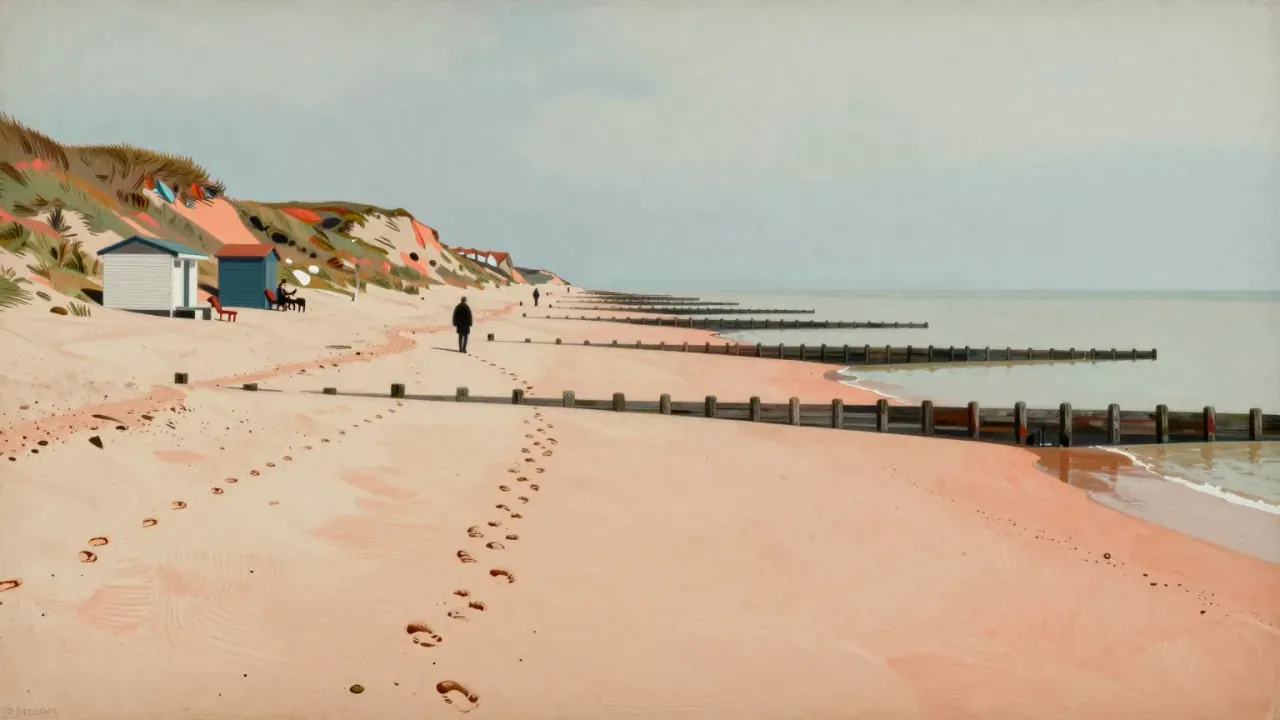
François Truffaut's 1959 debut follows Antoine Doinel, a twelve-year-old in Paris who lies, skips school and steals rather than be caught in either his parents' indifference or his teacher's contempt. Shot with Jean-Pierre Léaud in the role he would return to four more times, it became a founding film of the French New Wave and ends on one of cinema's most quoted images: a boy running toward the sea, then held there, mid-stride, looking back at the camera.