filmbriefs
Actor · Producer · 1939

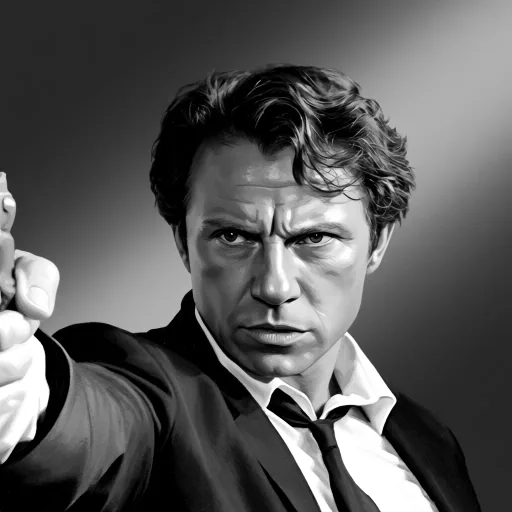
Harvey Keitel

13
briefs
13:00
average
169 min
in total
On film.briefs13
13:00

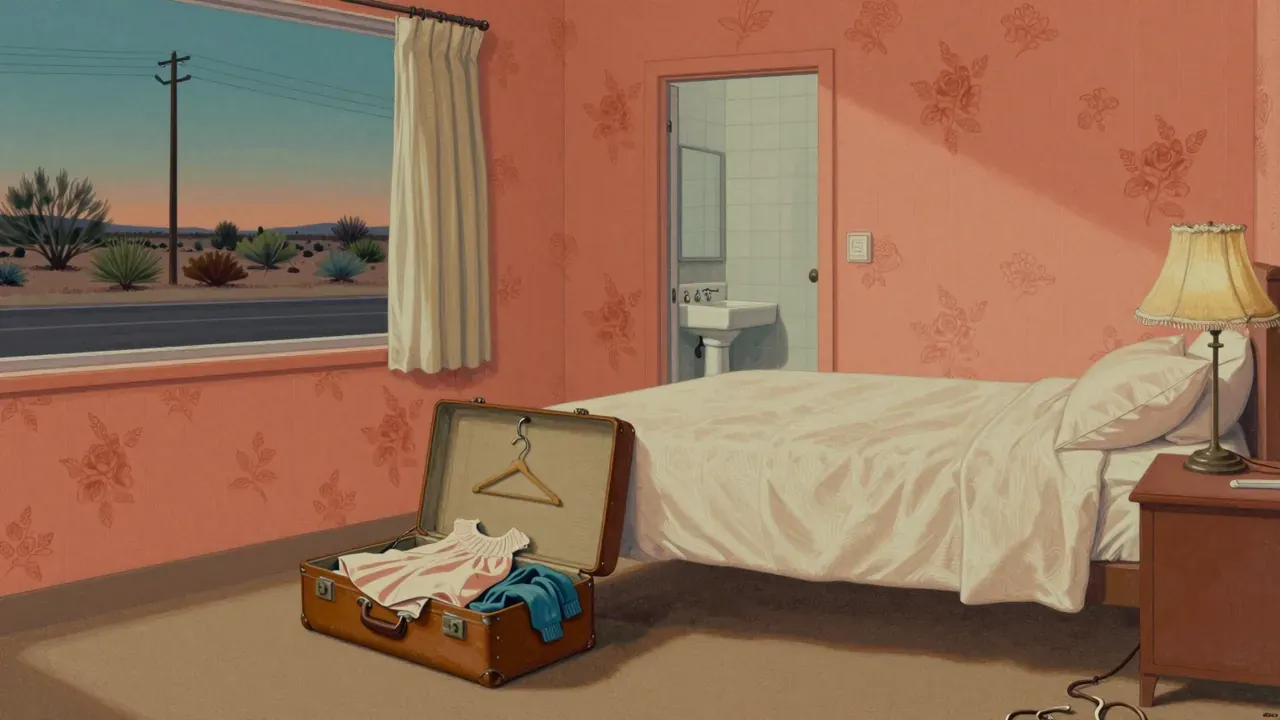
Alice Doesn't Live Here Anymore

Martin Scorsese · 1974

Martin Scorsese’s 1974 film follows widow Alice Hyatt as she travels with her son from New Mexico to California, detouring through Arizona. Working first as a lounge singer, then a diner waitress, she navigates grief, economic precarity, and tentative new relationships. Ellen Burstyn won an Academy Award for her layered, unsentimental performance. The film avoids easy resolutions, favouring psychological fidelity and quiet observation over plot mechanics or stylistic flourish.
13:00

Bad Timing

Nicolas Roeg · 1980

Nicolas Roeg’s 1980 psychological thriller Bad Timing follows an inspector’s investigation into a woman’s suicide attempt, using non-linear editing and restrained cinematography to dissect the obsessive, destructive relationship between a psychoanalyst and his lover. Set in Vienna and shot by Anthony B. Richmond, it stars Art Garfunkel and Theresa Russell, with Harvey Keitel as the investigator. Adapted by Yale Udoff from an Italian story, the film was controversial on release — rejected by its UK distributor and X-rated in the US — yet won the Toronto International Film Festival People’s Choice Award. Its formal rigour and emotional austerity have secured its status as an arthouse landmark.

13:00

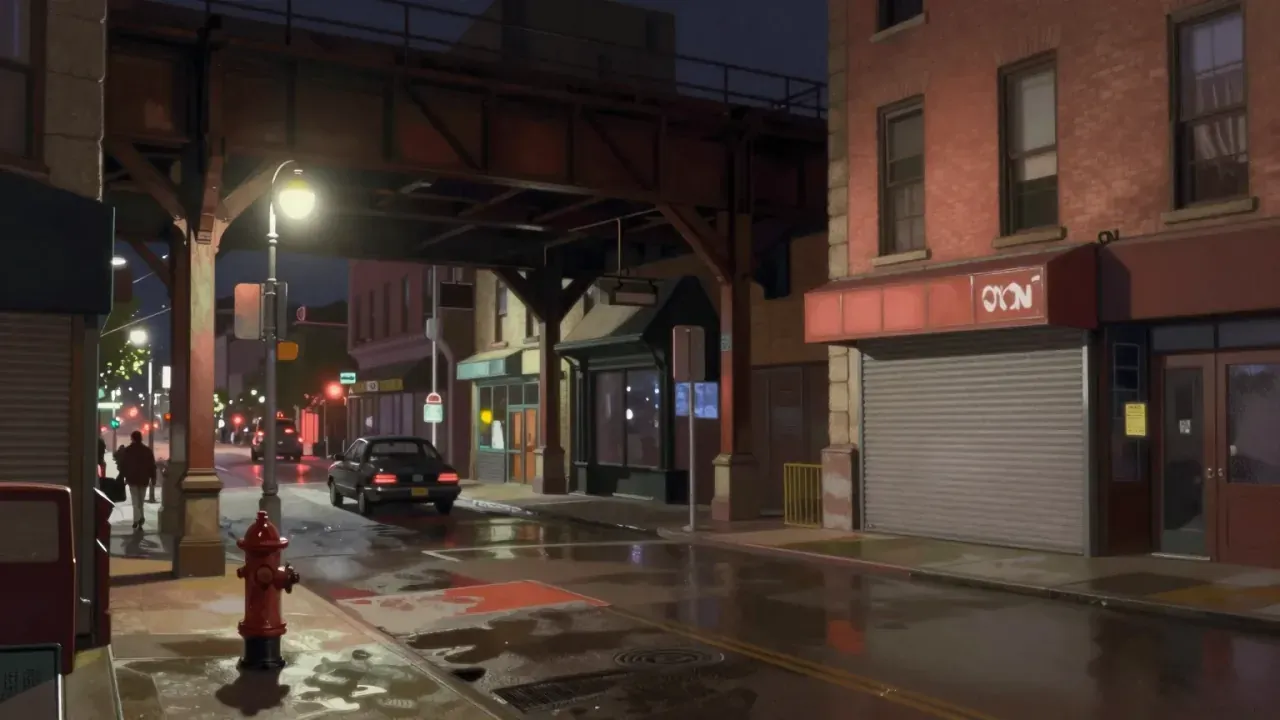
Mean Streets

Martin Scorsese · 1973

Martin Scorsese’s 1973 breakthrough follows Charlie, a young Italian-American in New York’s Little Italy, torn between Catholic guilt, Mafia duty, and loyalty to his self-destructive friend Johnny Boy. Shot on a $500,000 budget with documentary grit and improvised intensity, it features defining early performances by Harvey Keitel and Robert De Niro. Its moral density, urban texture, and formal daring marked the arrival of a major American filmmaker — and reshaped decades of screen storytelling.

13:00

Moonrise Kingdom

Wes Anderson · 2012

Set on a fictional New England island in 1965, Moonrise Kingdom follows twelve-year-olds Sam and Suzy as they flee their respective constraints — a scout camp and a fractured home — to build a temporary life on an isolated beach. Adults mobilise in response: scouts, police, parents, social workers. Wes Anderson and Roman Coppola shape the story as a self-contained emotional system, where visual symmetry, period detail, and musical counterpoint replace conventional narrative drive. Robert Yeoman’s Super 16mm cinematography, Alexandre Desplat’s score, and performances by Jared Gilman, Kara Hayward, Edward Norton, Bill Murray, and Frances McDormand sustain a tone both tender and exacting.

13:00

The Irishman

Martin Scorsese · 2019

Martin Scorsese’s 2019 crime drama follows Frank Sheeran (Robert De Niro), a truck driver turned alleged hitman, across five decades of mob and union entanglement. Adapted from Charles Brandt’s contested book, it uses de-ageing effects and deliberate pacing to explore memory, complicity, and the quiet dissolution of identity. With Al Pacino as Jimmy Hoffa and Joe Pesci as Russell Bufalino, it prioritises restraint over revelation—and duration over drama.

13:00

The Last Temptation of Christ

Martin Scorsese · 1988

Martin Scorsese’s 1988 adaptation of Nikos Kazantzakis’s novel imagines Jesus not as divine certainty but as a man besieged by doubt, desire, and exhaustion. Willem Dafoe stars in a performance defined by physical and vocal restraint, supported by Michael Ballhaus’s muted cinematography and Peter Gabriel’s world-music score. Shot in Morocco on a $7m budget, it avoids spectacle in favour of psychological texture — from the dusty realism of Nazareth to the hallucinatory austerity of the desert. Controversial on release for its humanisation of Christ, it endures as a rare studio film that treats spiritual struggle with existential seriousness, not dogma.

13:00

Thelma & Louise

Ridley Scott · 1991

Thelma & Louise (1991), directed by Ridley Scott and written by Callie Khouri, follows two friends whose weekend road trip unravels into a fugitive odyssey after a violent confrontation. Anchored by Susan Sarandon and Geena Davis, it uses precise craft and restrained performance to trace how systemic dismissal, economic dependence, and accumulated compromise narrow into irreversible choice. Its cultural resonance rests less on symbolism than on structural rigour: every beat follows from the last, making the final image not shocking but inevitable.

13:00

Bad Lieutenant

Abel Ferrara · 1992

Abel Ferrara’s 1992 Bad Lieutenant follows a New York police officer over a single day of spiralling addiction, abuse of power, and spiritual erosion. With Harvey Keitel in a physically uncompromising performance, the film rejects redemption arcs and procedural logic in favour of sustained, unsparing immersion in ethical collapse. Shot on gritty 16mm by Ken Kelsch and scored sparsely by Joe Delia, it treats Catholic iconography and police authority as hollowed-out symbols. Not a thriller, but a forensic study of vacancy wearing a badge.

13:00

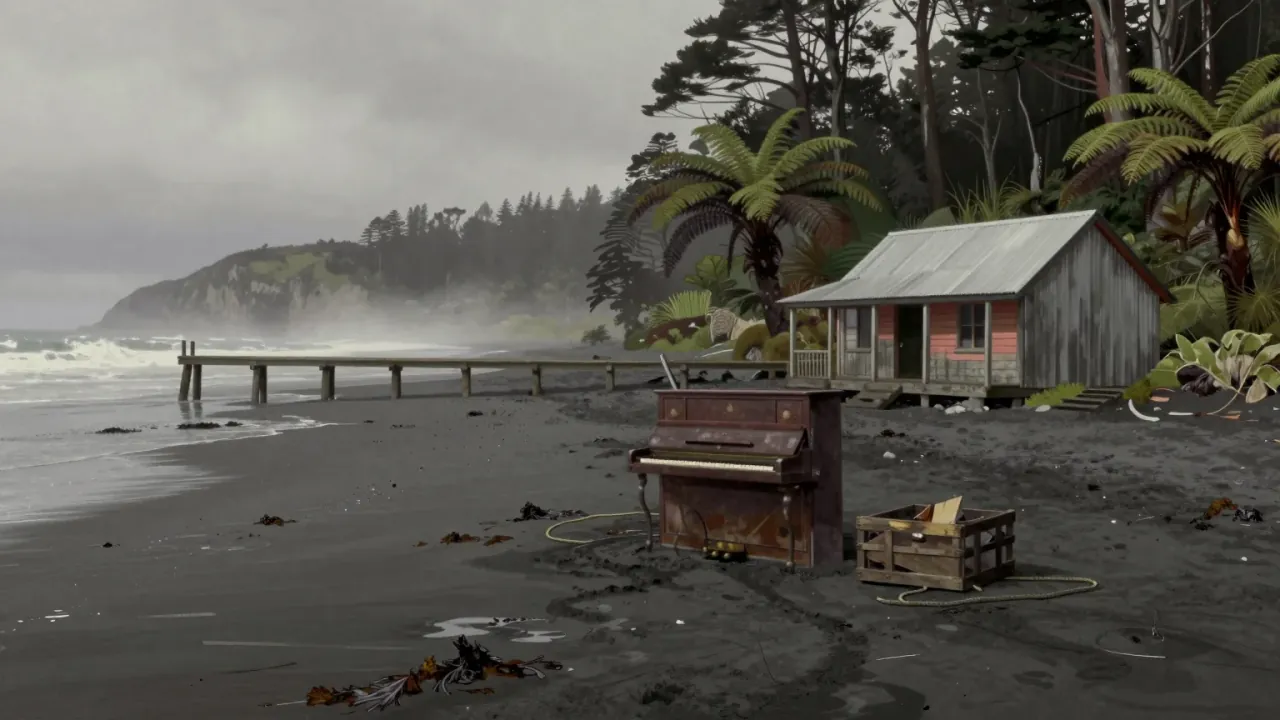
The Piano

Jane Campion · 1993

Jane Campion’s 1993 drama follows Ada McGrath, a mute Scottish woman who travels to colonial New Zealand for an arranged marriage, carrying only her daughter and a piano. When her instrument is abandoned on the beach, she negotiates its return with a neighbouring settler — a transaction that unravels into desire, betrayal, violence, and self-reclamation. Anchored by Holly Hunter’s physically exacting performance and Michael Nyman’s insistent score, the film renders interiority through gesture, sound, and resistance rather than speech.

13:00

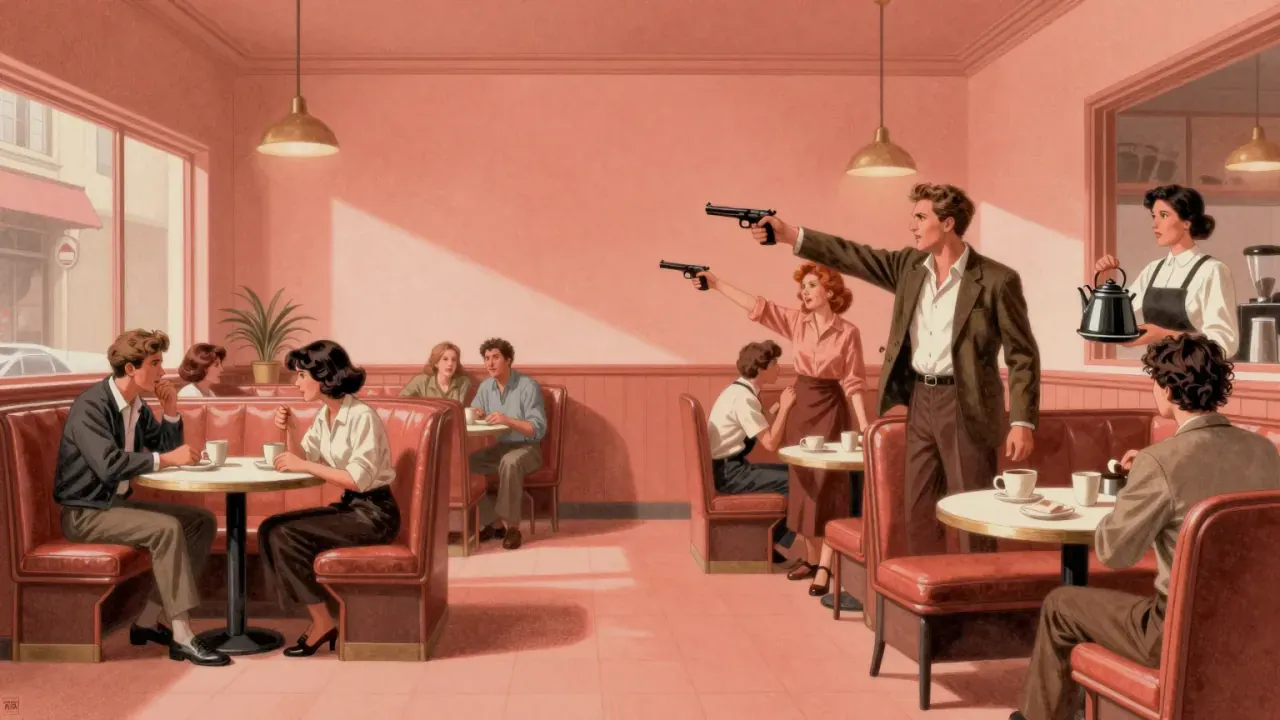
Pulp Fiction

Quentin Tarantino · 1994

Quentin Tarantino's 1994 crime film interlaces three Los Angeles stories, a hitman duo, a boxer on the run, and a night that turns into a medical emergency, around a diner heist told from both ends. Built on scrambled chronology and extended, digressive dialogue, it became one of the most commercially and critically successful independent films ever made.

13:00

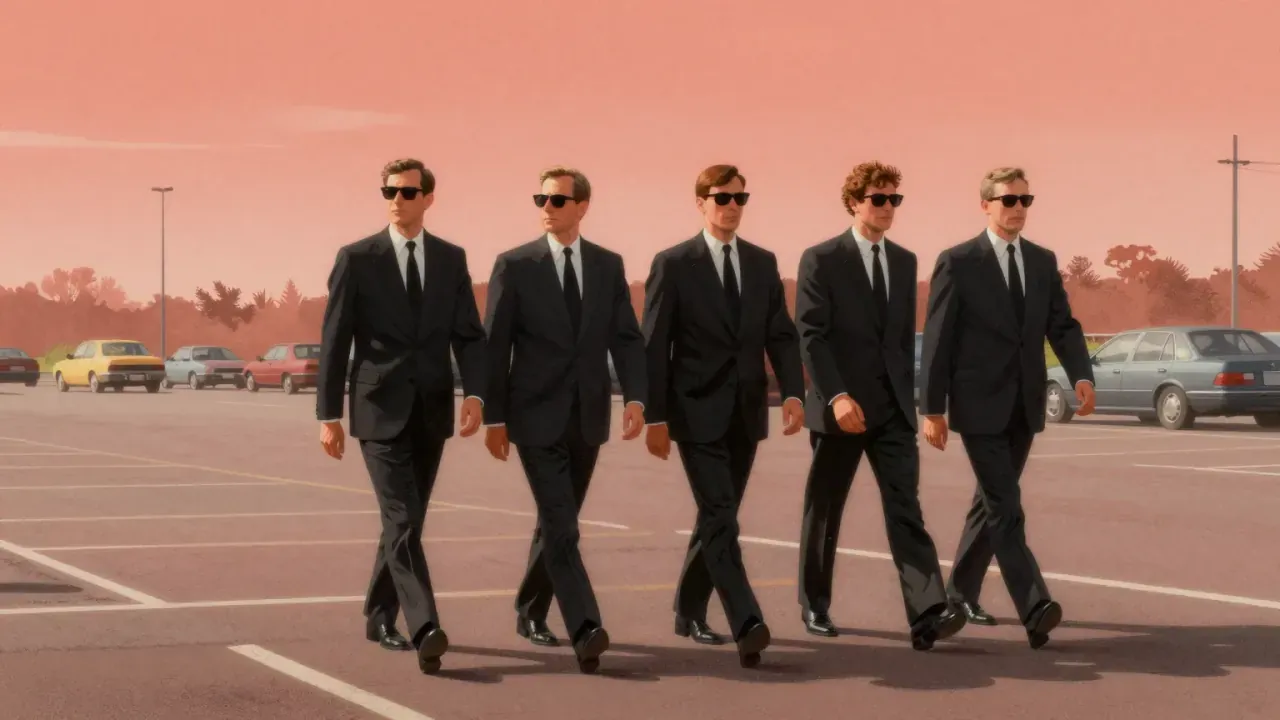
Reservoir Dogs

Quentin Tarantino · 1992

Quentin Tarantino's 1992 debut follows six career criminals, known to each other only by colour-coded aliases, after a jewellery heist collapses within minutes. Confined largely to one warehouse and told through flashbacks rather than the robbery itself, it built its reputation on tense dialogue, a single notorious torture scene, and its influence on the crime cinema that followed it.

13:00

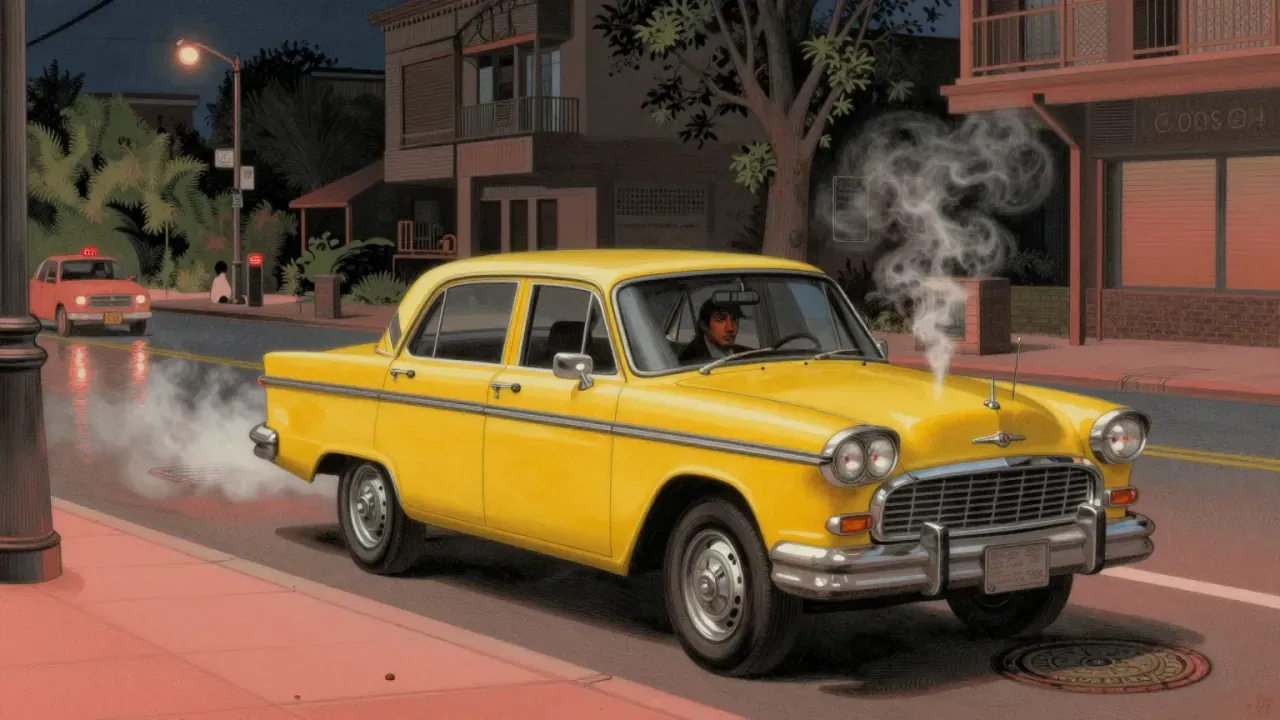
Taxi Driver

Martin Scorsese · 1976

Martin Scorsese's 1976 film follows Travis Bickle, an insomniac Vietnam veteran driving a New York taxi through the city's worst hours, as his isolation and contempt for the people around him build toward an act of violence aimed first at a political candidate and then at the pimp controlling a twelve-year-old sex worker he has taken an interest in. Written by Paul Schrader, shot with a jittery, restless camera, and scored by Bernard Herrmann in the days before his death, the film was made for $1.9 million and returned over $117 million, winning the Palme d'Or and later becoming entangled in real-world controversy after inspiring an actual assassination attempt.

13:00

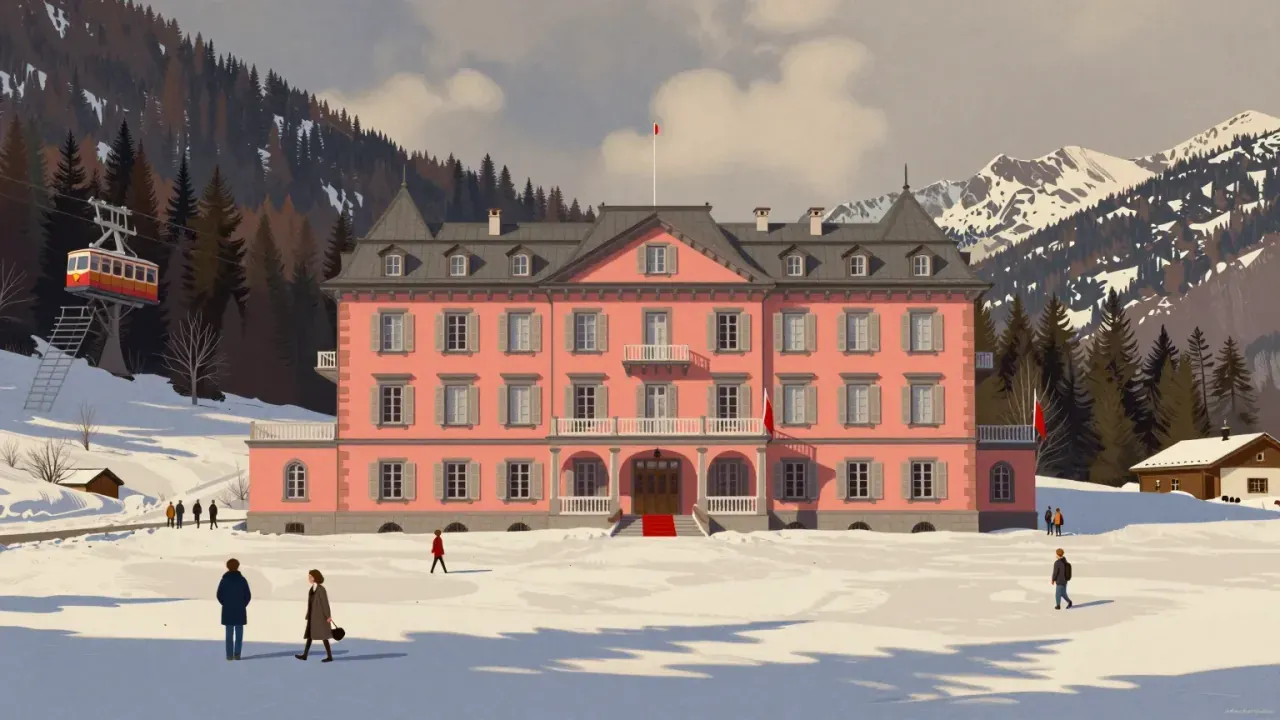
The Grand Budapest Hotel

Wes Anderson · 2014

Ralph Fiennes plays a meticulous concierge framed for murder in Wes Anderson's 2014 comedy, built from Stefan Zweig's writing and won on the strength of its production design and score.