filmbriefs
Actor · 1932

Harriet Andersson

10
briefs
13:00
average
130 min
in total
On film.briefs10
13:00

A Lesson in Love

Ingmar Bergman · 1954

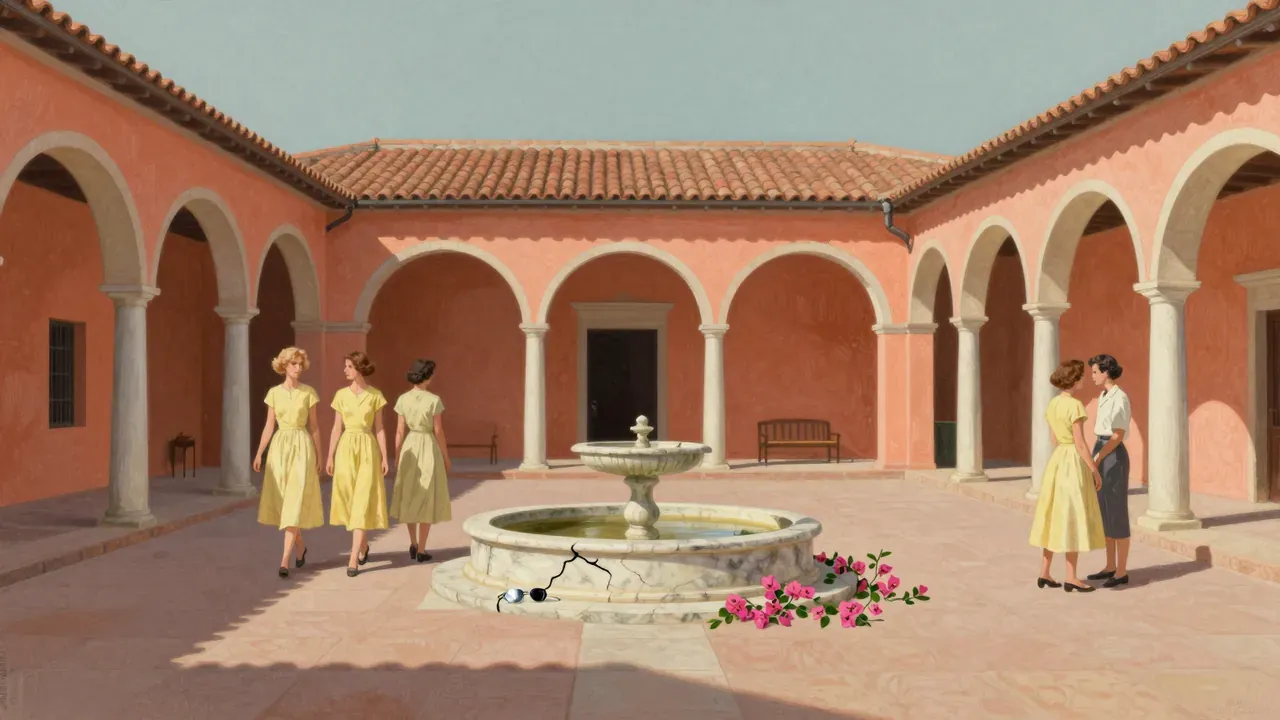
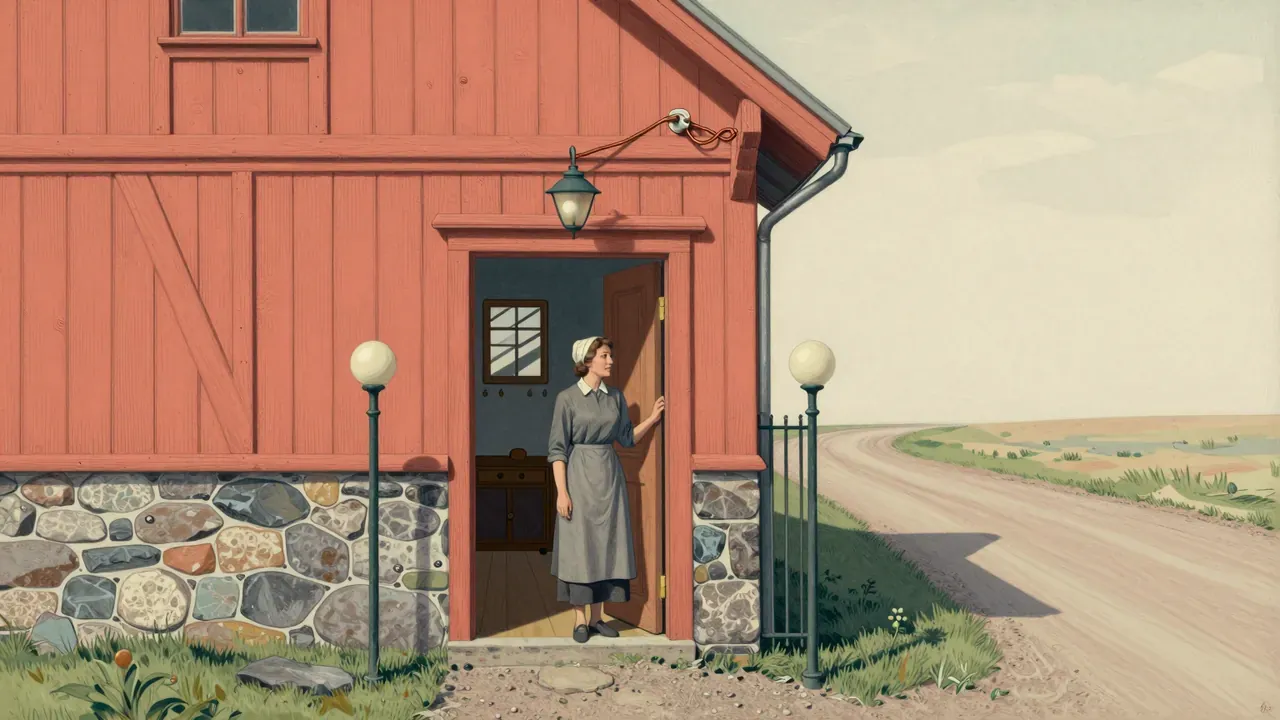
A Lesson in Love (1954) is Ingmar Bergman’s gently ironic study of a Stockholm marriage tested by professional pride, quiet restlessness, and a charming patient. Starring Eva Dahlbeck and Gunnar Björnstrand, it trades existential gravity for domestic nuance, using light comedy and unhurried observation to explore love as daily practice rather than grand declaration. Shot by Martin Bodin and scored by Dag Wirén, it remains a subtle, underseen pivot in Bergman’s career — modest in scope, exact in execution.
13:00

All These Women

Ingmar Bergman · 1964

Ingmar Bergman’s 1964 comedy All These Women is a stylised, colour-saturated parody of artistic biography and authorial myth-making. Set over four days at a summer villa, it follows a biographer unable to meet his subject — a cellist surrounded by lovers, each performing a version of devotion. With Sven Nykvist’s precise cinematography and Erik Nordgren’s waltz-and-dissonance score, the film sustains a tone of elegant, unrelenting artifice. It is among Bergman’s few comedies, and his first in colour — a formal departure that underscores its thematic preoccupation with surface, performance, and the unreliability of memory.

13:00

Loving Couples

Mai Zetterling · 1964

A 1964 Swedish drama following three women — a maid, a tenant’s wife, and an heiress — whose intersecting lives converge at a maternity hospital in August 1914. Structured through restrained flashbacks and anchored by Sven Nykvist’s precise cinematography, it examines class, consent, and bodily autonomy in the shadow of impending war and modernisation.

13:00

Sawdust and Tinsel

Ingmar Bergman · 1953

Ingmar Bergman’s 1953 drama follows a struggling travelling circus in early-twentieth-century Scania. Ringmaster Albert Johansson and his mistress Anne confront financial ruin, marital rupture, and public humiliation, while clown Frost endures private shame. Shot by Sven Nykvist and Hilding Bladh in muted, unadorned compositions, the film treats the circus not as spectacle but as a site of embodied vulnerability — where dignity is performed, not possessed, and endurance replaces resolution.

13:00

Smiles of a Summer Night

Ingmar Bergman · 1955

Set over one Midsummer Night in early-twentieth-century Sweden, Ingmar Bergman’s Smiles of a Summer Night traces shifting affections among lawyers, actresses, counts and servants. Shot by Gunnar Fischer and scored by Erik Nordgren, it balances theatrical structure with emotional nuance, using wit and restraint rather than exposition or psychology to resolve its tangles. It is a film about how love negotiates time, class and habit — not revelation, but recalibration.

13:00

Summer with Monika

Ingmar Bergman · 1953

Ingmar Bergman’s 1953 drama follows Harry and Monika, two working-class Swedes who flee Stockholm for a summer in the archipelago, only to return changed. Harriet Andersson’s breakout performance anchors a film that observes desire, disillusionment, and the quiet violence of ordinary time — without explanation, without judgment, and without recourse to myth.

13:00

The Girls

Mai Zetterling · 1968

Mai Zetterling’s 1968 film follows three actresses touring a production of Lysistrata while managing motherhood, marital strain, and professional precarity. Shot with quiet precision by Rune Ericson and performed with restrained intensity by Bibi, Harriet and Gunnel Andersson, it locates feminist consciousness in accumulated small choices rather than grand declarations. Though its theatrical framing remains inert and its men underdeveloped, its enduring power lies in its unsentimental attention to the cost of being seen — and unseen.

13:00

Cries and Whispers

Ingmar Bergman · 1972

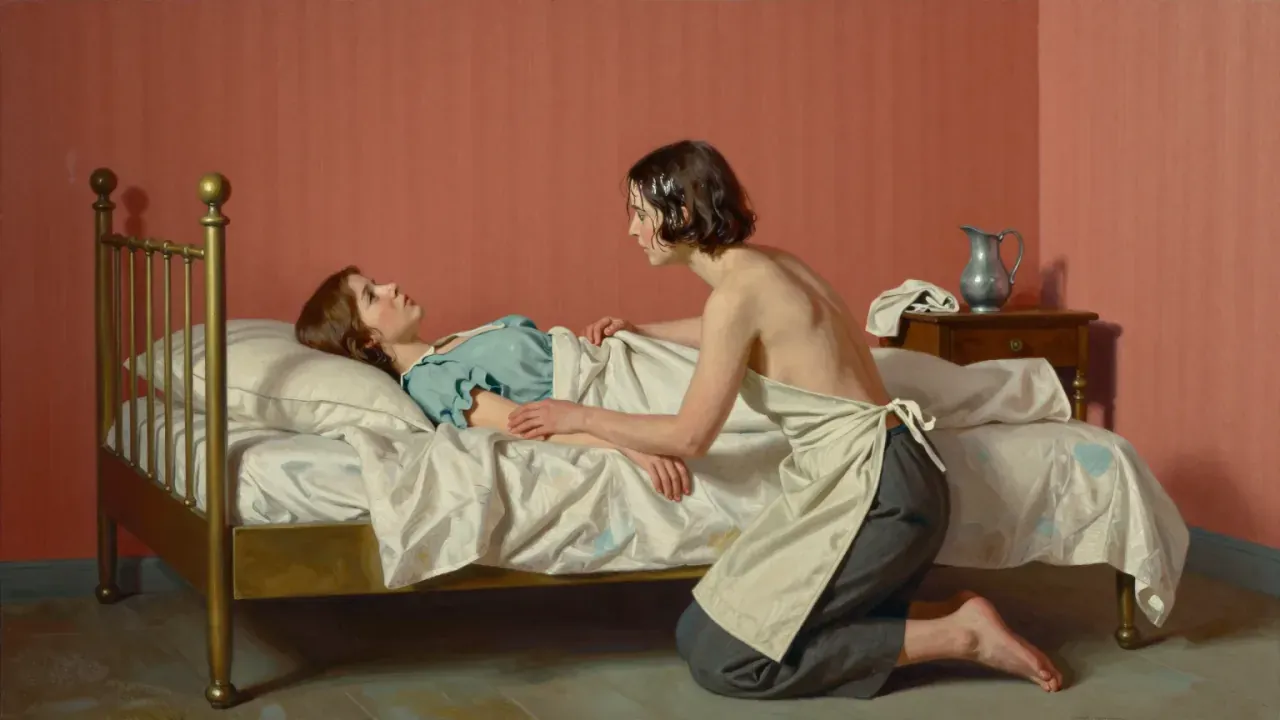
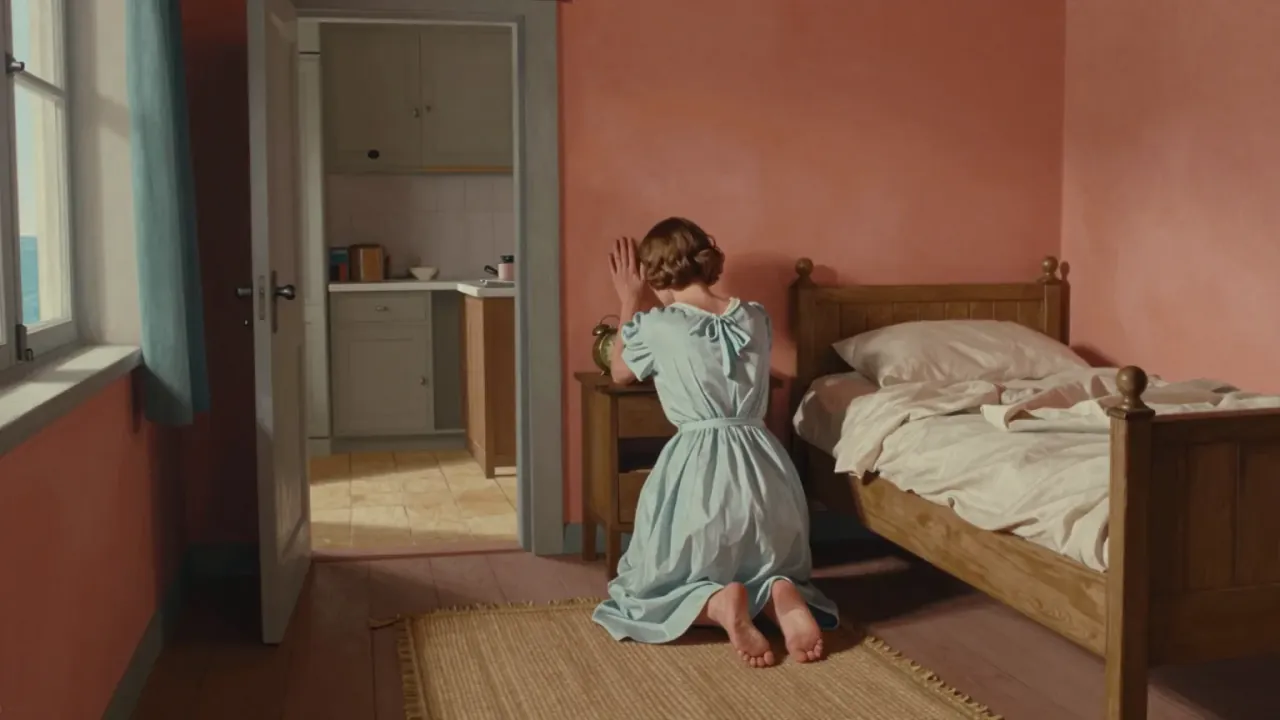
Ingmar Bergman’s 1972 Cries and Whispers is a formally rigorous Swedish drama set in a red-walled 19th-century mansion, where three sisters and a maid attend to Agnes as she dies of cancer. Shot by Sven Nykvist in saturated colour, it prioritises gesture, texture and duration over exposition or psychology, treating grief, faith and intimacy as bodily, not verbal, conditions. It won the Academy Award for Best Cinematography and remains a benchmark of arthouse restraint.

13:00

Fanny and Alexander

Ingmar Bergman · 1982

Fanny and Alexander is Ingmar Bergman’s semi-autobiographical 1982 drama, set in early-1900s Uppsala. It follows siblings Fanny and Alexander as their family fractures after their father’s death and their mother’s remarriage to a rigid bishop. Shot by Sven Nykvist and designed with meticulous period detail, the film contrasts the warmth of the theatrical Ekdahl household with the austerity of ecclesiastical authority. Though conceived as Bergman’s final feature, its generosity of attention, layered performances, and tactile realism make it a defining work of Swedish cinema — and a rare film where domestic life feels mythic without losing its weight.

13:00

Through a Glass Darkly

Ingmar Bergman · 1961

Ingmar Bergman’s 1961 chamber drama follows a family over twenty-four hours on a remote Swedish island, centring on Karin, a young woman recently released from psychiatric care. Harriet Andersson delivers a physically precise performance as her grip on reality frays, observed by her husband (Max von Sydow), novelist father (Gunnar Björnstrand), and teenage brother (Lars Passgård). Shot by Sven Nykvist with stark naturalism and scored with Bach’s cello suites, the film explores faith, exploitation, and the asymmetry of care—though its stated philosophy feels tacked on, its emotional precision remains unmatched.