filmbriefs
Actor · 1887–1970

Gaston Modot

9
briefs
13:00
average
117 min
in total
On film.briefs9
13:00

Casque d'Or

Jacques Becker · 1952

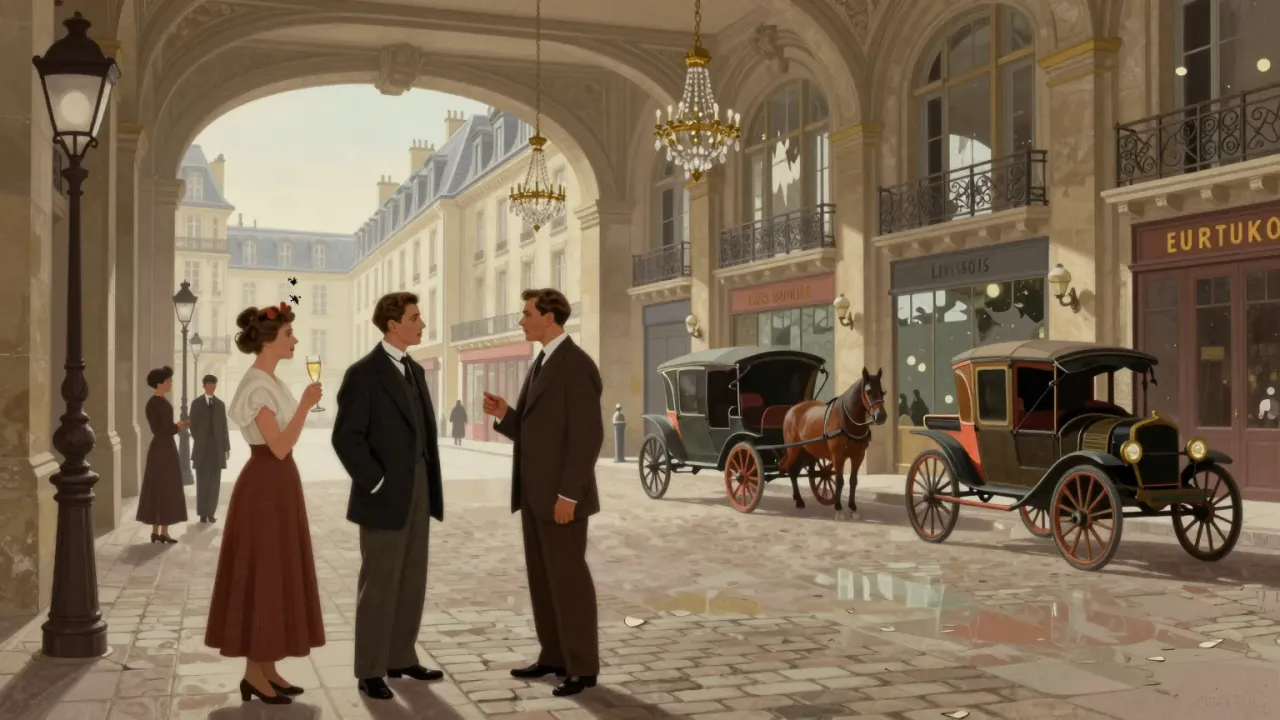
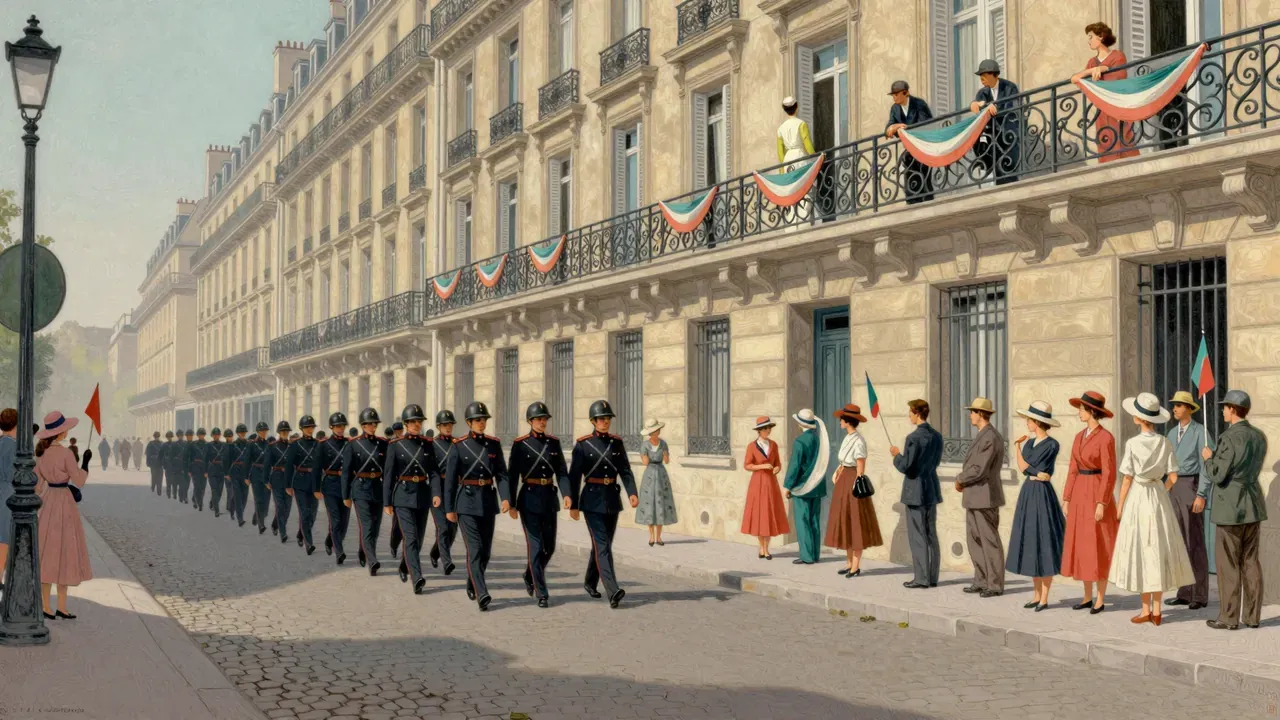
Jacques Becker’s 1952 drama follows Marie and Manda, lovers caught in the violent hierarchies of Belle Époque Paris. Shot with precise, unadorned realism, it avoids moralising or spectacle, instead anchoring emotion in gesture, setting, and consequence. Simone Signoret and Serge Reggiani deliver performances of quiet intensity, supported by Robert Lefebvre’s understated cinematography and Marguerite Renoir’s taut editing. Its final sequence — Marie watching Manda’s execution from a hotel window — remains one of cinema’s most devastating uses of spatial restraint.
13:00

Children of Paradise

Marcel Carné · 1945

Marcel Carné’s 1945 French romantic drama, written by Jacques Prévert and shot under Nazi occupation, follows courtesan Garance and the four men — mime, actor, criminal, aristocrat — who love her in 1830s Paris. Its 190-minute span balances theatrical grandeur with psychological restraint, using deep-focus cinematography, meticulous production design, and Arletty’s commanding stillness to explore love as asymmetry, art as resistance, and performance as identity.

13:00

Elena and Her Men

Jean Renoir · 1956

Jean Renoir’s 1956 film follows a Polish princess in fin de siècle Paris whose romantic entanglements intersect with a general’s wavering ambition and a shoe magnate’s calculations. Shot in Paris studios and locations, with design by Jean André and music by Joseph Kosma, it treats politics as theatre and desire as strategy — light in tone, precise in execution, and deliberately unmoored from psychological realism.

13:00

La Grande Illusion

Jean Renoir · 1937

La Grande Illusion (1937), directed by Jean Renoir, follows French officers imprisoned in German camps during the First World War. Through restrained performances, unadorned cinematography, and a structure built on observation rather than action, it explores how class, nationality, and personal dignity persist — and sometimes collapse — under pressure. Its enduring power lies not in grand statements but in quiet, specific moments: a shared meal, a sung anthem, a winter refuge, a final, reluctant shot.

13:00

Pépé le Moko

Julien Duvivier · 1937

Julien Duvivier’s 1937 French crime film follows Jean Gabin as Pépé le Moko, a celebrated thief holed up in Algiers’ Casbah, where he rules a labyrinthine enclave but cannot step beyond it. When a glamorous Parisian visitor arrives, his carefully maintained stasis unravels. Built on a studio set and defined by its moody, shadow-drenched cinematography, the film is a landmark of poetic realism — less a thriller than a slow, fatal meditation on exile, desire and the illusion of control.

13:00

The Lovers

Louis Malle · 1958

Louis Malle’s 1958 drama follows Jeanne Tournier, a woman adrift in bourgeois marriage near Dijon, whose life pivots during one night spent with a younger man. Adapted from an 1876 short story, the film avoids moral framing or psychological exposition, relying instead on Jeanne Moreau’s restrained performance, Henri Decaë’s naturalistic cinematography, and a tightly contained structure. It won the Grand Jury Prize at Venice and later played a pivotal role in US obscenity law. Its strength lies in its tactful realism and unwavering focus on the physical and temporal texture of choice.

13:00

Under the Roofs of Paris

René Clair · 1930

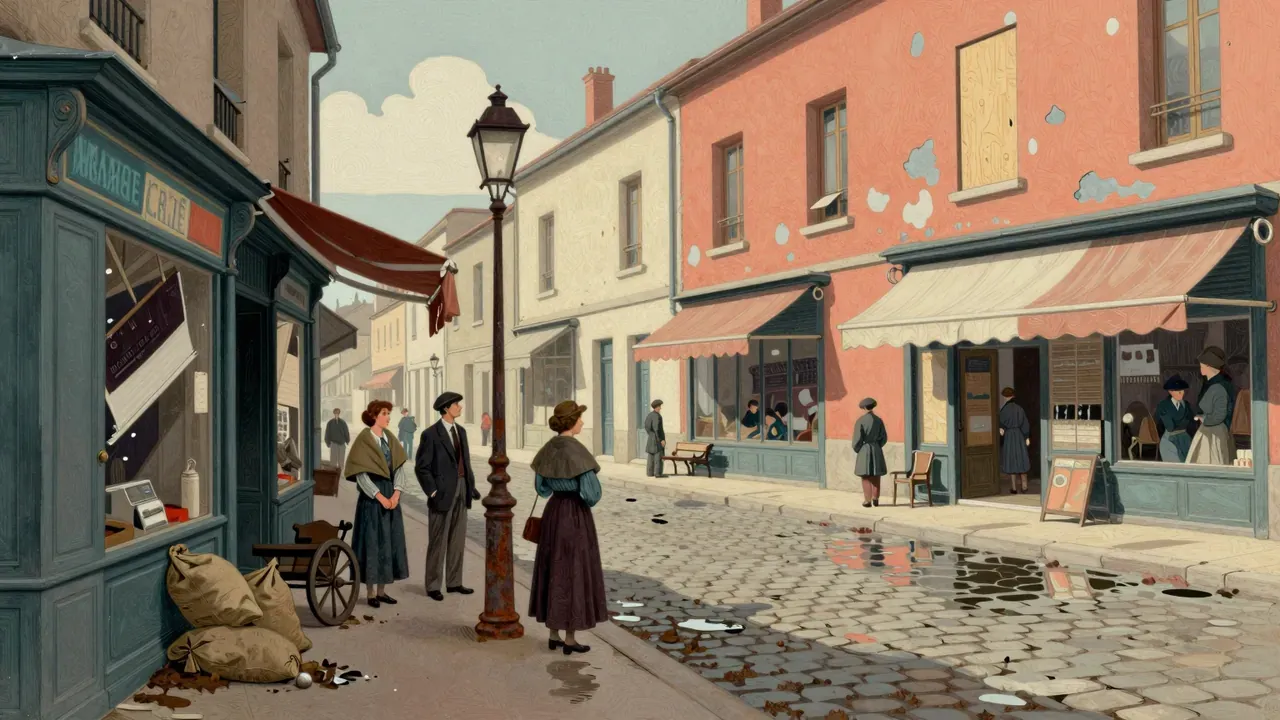
René Clair’s 1930 French sound debut is a formally inventive romance set in a stylised Paris tenement. Built around street singer Albert Préjean and Romanian immigrant Pola Illéry, it uses song, silence and stylised sound design not to replicate reality but to explore proximity, precariousness and the quiet dignity of ordinary life. Shot by Georges Périnal and designed by Lazare Meerson, it balances warmth and melancholy without sentimentality — a foundational work of poetic realism and a sustained argument for cinema’s autonomy from theatre.

13:00

The Rules of the Game

Jean Renoir · 1939

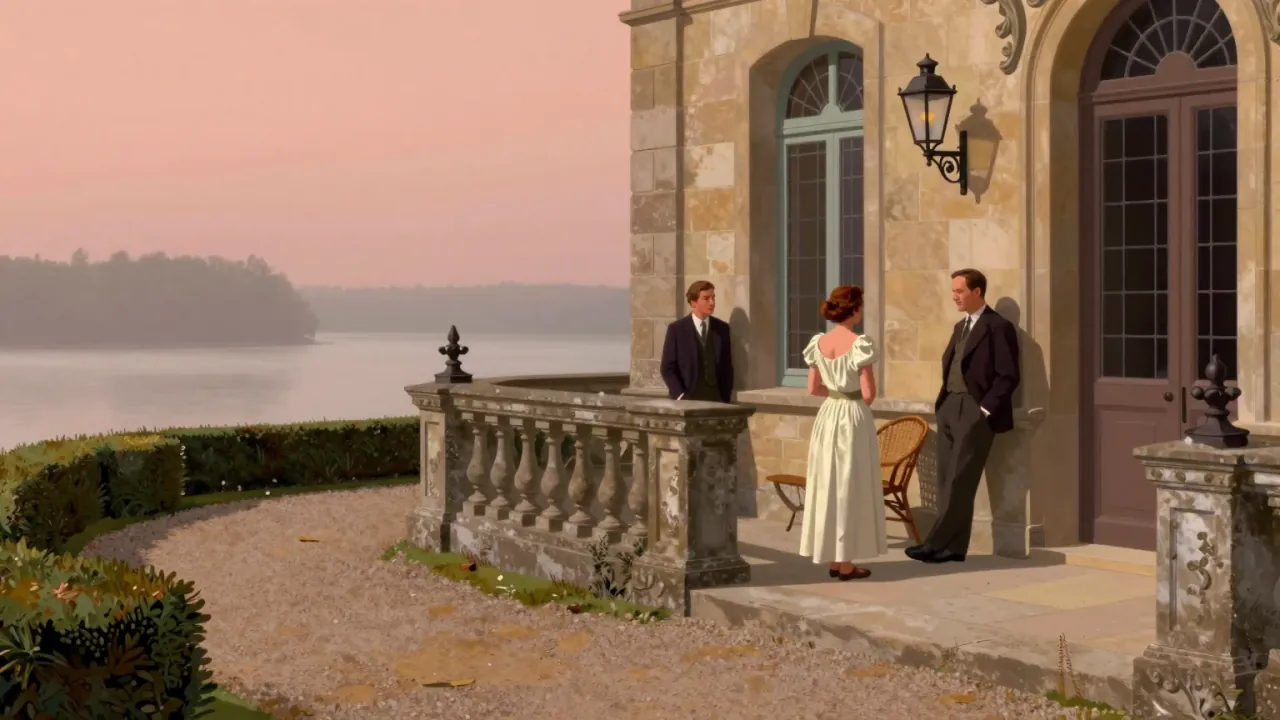
Jean Renoir’s 1939 ensemble drama follows aristocrats and servants over two days at a French château, using deep-focus cinematography, fluid camera movement, and layered sound to trace intersecting deceptions on the eve of war. Its formal rigour and moral clarity have made it a touchstone of arthouse cinema — though its deliberate pace and unexplained social codes demand patience and contextual awareness.

13:00

L’Age d’Or

Luis Buñuel · 1930

L’Age d’Or (1930) is a foundational surrealist film by Luis Buñuel and Salvador Dalí, financed by aristocratic patrons and banned within weeks of its Paris premiere. Composed of jarring, non-sequential vignettes, it charts a couple’s thwarted passion amid scenes of institutional absurdity — religious ceremony, high society, and de Sadean fantasy. Its power lies in rhythmic disruption, not narrative logic; in visual provocation, not psychological depth. Though historically significant and formally audacious, its hostility to coherence and empathy makes it demanding, not diverting.