filmbriefs
Studio

Columbia Pictures

16
briefs
13:00
average
208 min
in total
On film.briefs16
13:00

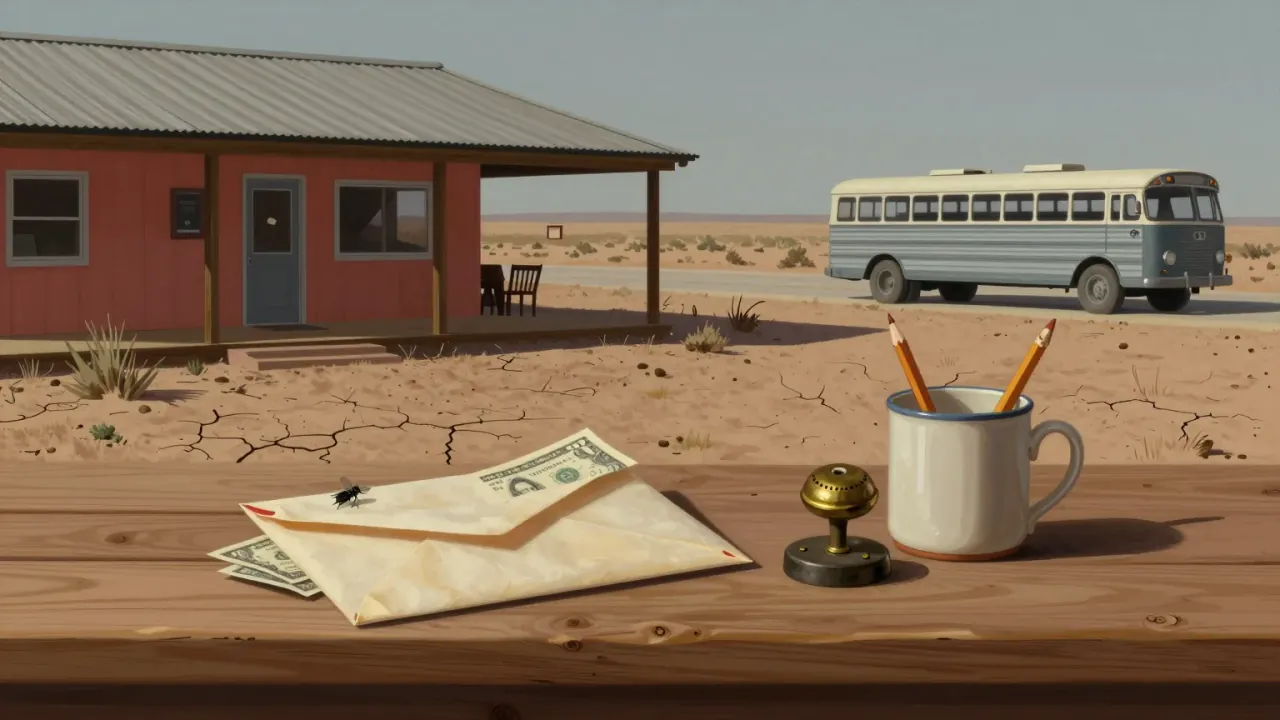
It Happened One Night

Frank Capra · 1934

A 1934 romantic comedy starring Claudette Colbert and Clark Gable, directed by Frank Capra. A runaway heiress and a jobless reporter share a cross-country bus journey, negotiating class, gender and growing affection under tight comic constraints. Adapted from a short story, it won the Academy Award 'Big Five' and remains a benchmark of economical, actor-led storytelling.
13:00

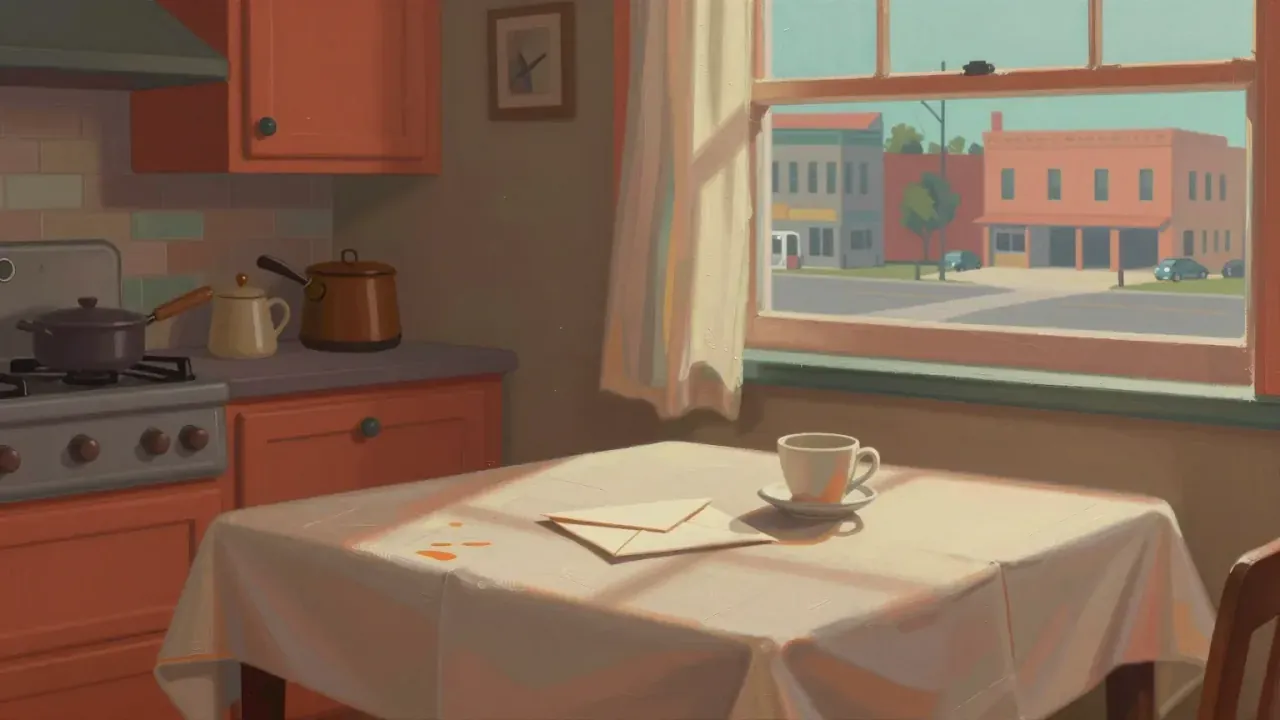
A Raisin in the Sun

Daniel Petrie · 1961

Daniel Petrie’s 1961 film adapts Lorraine Hansberry’s landmark play about the Younger family’s struggle to claim dignity, space, and self-determination in 1950s Chicago. Anchored by Sidney Poitier and Claudia McNeil, it unfolds almost entirely within their cramped apartment, using dialogue, gesture, and quiet moral reckoning to explore race, class, generational conflict, and the meaning of home. Its power lies in specificity, restraint, and unwavering attention to how systemic forces shape daily life.

13:00

Big Fish

Tim Burton · 2003

Tim Burton’s 2003 fantasy drama Big Fish adapts Daniel Wallace’s novel into a tripartite portrait of a father’s tall tales and his son’s reluctant reckoning with them. Shot in Alabama with Philippe Rousselot’s sun-bleached cinematography and scored by Danny Elfman, it balances Southern Gothic texture with mythic whimsy. Though its tonal shifts and narrative looseness divided critics, its central theme — that stories are how we hold people close after they’re gone — remains its quiet, steady pulse.

13:00

Funny Girl

William Wyler · 1968

Funny Girl (1968), directed by William Wyler, adapts the Fanny Brice story into a romantic musical drama starring Barbra Streisand in her film debut. It charts her rise from Brooklyn vaudeville to Ziegfeld stardom and her turbulent marriage to Nicky Arnstein (Omar Sharif). With music by Jule Styne and a script by Isobel Lennart, the film privileges psychological realism over musical convention — its camerawork is tight and unshowy, its performances grounded, its emotional arcs unresolved. Though commercially huge and critically lauded — winning Streisand the Best Actress Oscar — it remains a singular, deliberate work: more portrait than pageant, more rehearsal than revue.

13:00

Guess Who's Coming to Dinner

Stanley Kramer · 1967

Guess Who’s Coming to Dinner is a 1967 Columbia Pictures drama directed by Stanley Kramer, written by William Rose, and starring Katharine Hepburn, Spencer Tracy (in his final role), Sidney Poitier, and Katharine Houghton. Set over one day in San Francisco, it follows a liberal white couple as they confront their daughter’s engagement to a Black doctor. Structured as a moral argument rather than a psychological portrait, the film isolates race as the sole obstacle to acceptance, using tightly controlled dialogue, restrained cinematography by Sam Leavitt, and a functional score by Frank De Vol. It won three Academy Awards, including Best Actress and Best Original Screenplay, and was added to the National Film Registry in 2017.

13:00

Housekeeping

Bill Forsyth · 1987

Bill Forsyth’s 1987 adaptation of Marilynne Robinson’s novel follows two sisters raised by their eccentric aunt in 1950s Idaho. Shot in British Columbia, it trades plot for atmosphere, using restrained performances, muted cinematography, and sparse music to explore inheritance, belonging, and the quiet persistence of absence. Though critically admired, it received little studio support and has remained scarce on home media.

13:00

In a Lonely Place

Nicholas Ray · 1950

Nicholas Ray’s 1950 drama stars Humphrey Bogart as a volatile screenwriter suspected of murder and Gloria Grahame as the neighbour who falls for him — only to realise his charm and rage are two sides of the same coin. Shot by Burnett Guffey and edited by Viola Lawrence, it trades noir thrills for psychological precision, treating Hollywood as a pressure chamber for intimacy. Its reputation has grown steadily since release, now ranked among the greatest film noirs ever made.

13:00

Postcards from the Edge

Mike Nichols · 1990

Postcards from the Edge (1990), directed by Mike Nichols and adapted by Carrie Fisher from her semi-autobiographical novel, follows actress Suzanne Vale’s return to work after a drug overdose, contingent on living with her formidable mother Doris. Anchored by Meryl Streep and Shirley MacLaine, it uses Hollywood’s machinery — insurance riders, on-set critiques, studio politics — as the frame for a sharp, unsentimental study of intergenerational inheritance, performance as survival, and the quiet labour of staying sober without mythologising it.

13:00

The Big Heat

Fritz Lang · 1953

Fritz Lang’s 1953 crime film follows homicide detective Dave Bannion as he pursues the truth behind a fellow officer’s suicide, uncovering a web of police and syndicate collusion. After his wife is killed in a car bombing, Bannion operates outside the force, confronting mob enforcers and compromised officials. With stark cinematography, minimal score, and tightly wound performances — notably Gloria Grahame’s Debby Marsh and Lee Marvin’s Vince Stone — the film builds tension through repetition and consequence rather than exposition or psychology.

13:00

The Lady from Shanghai

Orson Welles · 1947

Orson Welles’s 1947 noir, shot on location in San Francisco and Acapulco, uses a tangled murder plot to interrogate perception, law, and performance. Though heavily cut by Columbia Pictures, its surviving fragments—including the legendary hall-of-mirrors finale—retain a stark, unsettling power rooted in visual and ethical ambiguity.

13:00

The Man Who Would Be King

John Huston · 1975

John Huston’s 1975 film adapts Kipling’s novella into a morally austere, visually grounded account of two British ex-soldiers who impersonate gods in Kafiristan. Michael Caine and Sean Connery anchor a story about ritual, sovereignty, and the material conditions of belief — shot in Morocco and France, scored by Maurice Jarre, and edited with deliberate restraint. It avoids moralising, instead tracing the slow, logical erosion of a lie until only consequence remains.

13:00

Zero Dark Thirty

Kathryn Bigelow · 2012

Zero Dark Thirty follows CIA analyst Maya across ten years of intelligence work leading to the 2011 raid on Osama bin Laden’s Abbottabad compound. Directed by Kathryn Bigelow and written by Mark Boal, it foregrounds process over personality, using chronology, repetition, and restraint to depict a hunt defined by uncertainty, attrition, and contested methods. Its strengths lie in its procedural fidelity and understated performances; its weaknesses stem from its refusal to contextualise torture or reckon with the broader consequences of the operation.

13:00

Spider-Man: Across the Spider-Verse

Joaquim Dos Santos, Kemp Powers, Justin K. Thompson · 2022

Miles Morales crosses into a multiverse-spanning Spider-Society alongside Gwen Stacy, only to find that the group's leader believes certain tragedies must happen exactly on schedule to hold reality together. Built with roughly a thousand crew members and six visually distinct animated universes, it became the highest-grossing film Sony Pictures Animation has released.

13:00

Spider-Man: Into the Spider-Verse

Peter Ramsey, Rodney Rothman, Bob Persichetti · 2018

After a radioactive spider bite and Peter Parker's death at the hands of Kingpin, Brooklyn teenager Miles Morales is thrown together with five other Spider-People pulled in from parallel universes to stop a machine that threatens to destroy them all. Phil Lord and Christopher Miller's screenplay, directed by Bob Persichetti, Peter Ramsey and Rodney Rothman, pairs a six-Spider-Man ensemble with a hand-drawn comic-book visual technique built specifically to make computer animation look like it was inked and printed.

13:00

Taxi Driver

Martin Scorsese · 1976

Martin Scorsese's 1976 film follows Travis Bickle, an insomniac Vietnam veteran driving a New York taxi through the city's worst hours, as his isolation and contempt for the people around him build toward an act of violence aimed first at a political candidate and then at the pimp controlling a twelve-year-old sex worker he has taken an interest in. Written by Paul Schrader, shot with a jittery, restless camera, and scored by Bernard Herrmann in the days before his death, the film was made for $1.9 million and returned over $117 million, winning the Palme d'Or and later becoming entangled in real-world controversy after inspiring an actual assassination attempt.

13:00

The Shawshank Redemption

Frank Darabont · 1994

Frank Darabont's 1994 adaptation of Stephen King's novella follows banker Andy Dufresne through nearly two decades in a corrupt Maine prison, and his friendship with fellow inmate Red. A commercial disappointment on release, it became one of the most rewatched and highly rated American films through home video, television and word of mouth.