filmbriefs
Actor · Voice actor · 1943

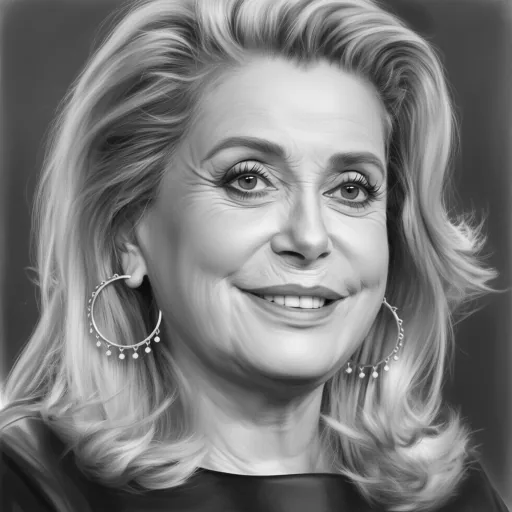
Catherine Deneuve

9
briefs
13:00
average
117 min
in total
On film.briefs9
13:00

A Christmas Tale

Arnaud Desplechin · 2008

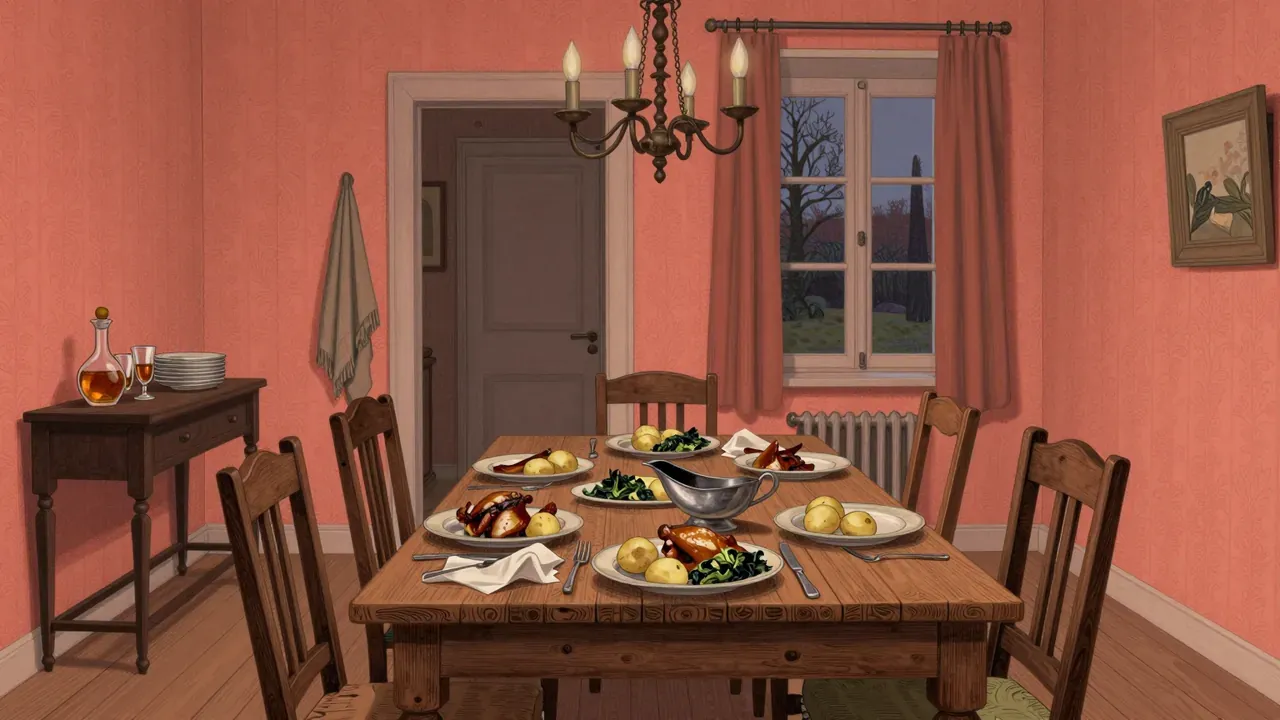
Arnaud Desplechin’s 2008 French drama follows the fractured Vuillard family as they reunite for Christmas after matriarch Junon is diagnosed with leukemia. Set over several wintry days in Roubaix, the film charts shifting alliances, buried resentments, and fragile intimacies among three adult siblings, their partners, children, and extended kin — all held in uneasy orbit by Junon’s iron will and Abel’s quiet endurance. With a dense script, naturalistic performances, and Éric Gautier’s muted cinematography, it treats family as a site of repetition, inheritance, and unspoken history.
13:00

Les Créatures

Agnès Varda · 1966

Agnès Varda’s 1966 Les Créatures follows a writer recovering from a car crash on the island of Noirmoutier, as his real-life experiences blur with the science-fiction novel he is drafting about mind control and communal collapse. Shot by Willy Kurant and edited by Janine Verneau, the film uses red tints, abrupt cuts, and layered performance to sustain ambiguity between fiction and reality. Though commercially unsuccessful and critically divided on release, it remains a rigorous, unsettling study of authorship, perception, and the messy birth of narrative.

13:00

Peau d'Âne

Jacques Demy · 1970

Jacques Demy’s 1970 musical fantasy Peau d’Âne adapts Perrault’s Donkeyskin with meticulous visual and musical precision. Catherine Deneuve stars as a princess who flees her father’s incestuous proposal by donning a magic donkey skin, finding refuge and love in disguise. Shot across historic French châteaux, scored by Michel Legrand, and designed with sumptuous, symbolic costumes, the film treats folklore as a self-contained system of rules, colour, and ritual — not a psychological case study. Its power lies in consistency, not catharsis.

13:00

Repulsion

Roman Polanski · 1965

Roman Polanski’s 1965 psychological horror follows Carol Ledoux, a withdrawn Belgian manicurist in London, as she descends into acute dissociation while left alone in her sister’s flat. Shot in black and white on a modest budget, the film uses tight framing, amplified diegetic sound, and meticulous pacing to replicate the texture of perceptual collapse — cracks in walls, hands emerging from plaster, time stretching and warping. Catherine Deneuve’s restrained performance anchors a film that refuses exposition, causality, or resolution. It is a study in claustrophobia, not of space alone, but of consciousness under pressure.

13:00

The Last Metro

François Truffaut · 1980

François Truffaut’s 1980 drama The Last Metro follows a Paris theatre company in 1942, where Marion Steiner (Catherine Deneuve) runs performances while hiding her Jewish husband Lucas (Heinz Bennent) in the cellar. Young actor Bernard Granger (Gérard Depardieu) becomes entangled in both the production and the Resistance. Shot by Néstor Almendros and scored by Georges Delerue, the film treats occupation not as backdrop but as condition — shaping light, dialogue, timing and moral choice. It won ten César Awards, including Best Film, Director and Actor/Actress.

13:00

Belle de Jour

Luis Buñuel · 1967

Luis Buñuel’s 1967 film follows Séverine Serizy, a Parisian housewife who spends weekday afternoons working as a high-class prostitute. Catherine Deneuve’s performance anchors a film defined by restraint: Sacha Vierny’s cool cinematography, Michel Magne’s sparse score, and a script that refuses psychological exposition. It treats fantasy not as illusion but as a parallel system of order — one that structures time, desire, and selfhood. The ending is deliberately ambiguous, looping back into uncertainty rather than resolution.

13:00

The Umbrellas of Cherbourg

Jacques Demy · 1964

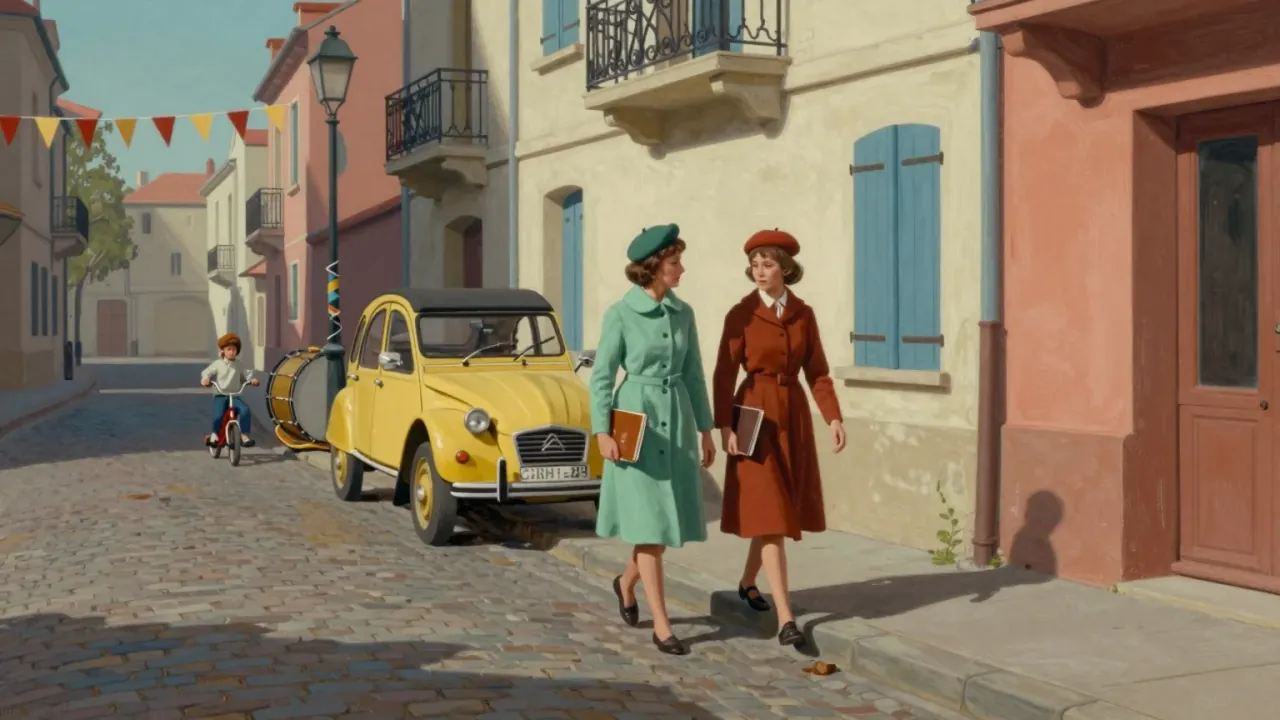
Jacques Demy’s 1964 film tells the story of Geneviève and Guy, young lovers in Cherbourg separated by war and circumstance. Every line is sung to Michel Legrand’s continuous score; Jean Rabier’s cinematography uses saturated, deliberate colour; and the narrative unfolds across five years with formal rigour and emotional restraint. It won the Palme d’Or and remains a landmark of musical and arthouse cinema.

13:00

The Young Girls of Rochefort

Jacques Demy · 1967

Jacques Demy’s 1967 musical follows twin sisters in the French port town of Rochefort over three days as a fair arrives, lovers circle, and artistic ambitions converge. With Ghislain Cloquet’s luminous cinematography and Michel Legrand’s intricate score, it builds emotion through repetition, colour, and quiet intention rather than plot turns — a formally rigorous, emotionally resonant portrait of longing held in balance.

13:00

Persepolis

Marjane Satrapi, Vincent Paronnaud · 2007

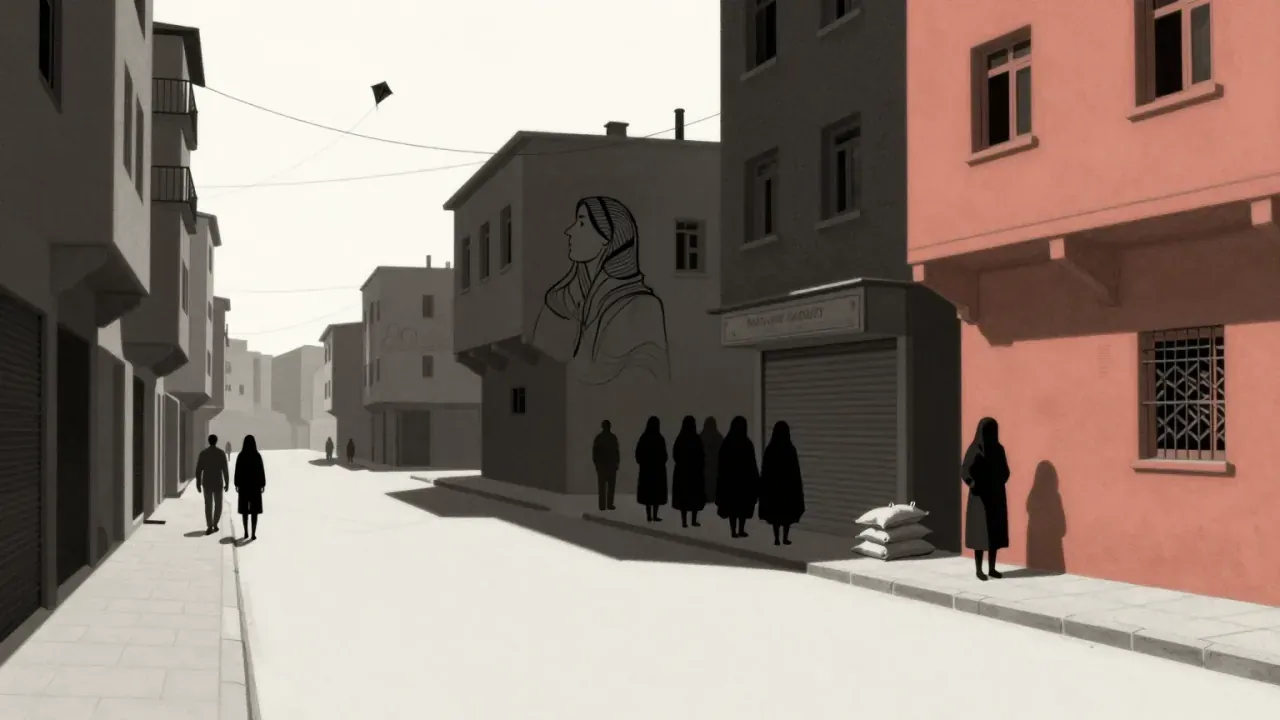
Adapted from her own graphic novel, Marjane Satrapi and Vincent Paronnaud's 2007 film follows a girl growing up through the Iranian Revolution, the war with Iraq, and years of exile in Vienna. Hand-drawn black and white carries most of the film's argument about who this story belongs to.